
When you purchase a new or used car, it’s essential to obtain a car title. In most states, you won’t be able to register your vehicle without one, so it won’t be legal to drive on public roads. Worse yet, you’d have no way to prove that you’re the car's actual owner.

Here’s everything you need to know about vehicle titles and how to obtain one.
A car title is a state-issued document that serves as proof of ownership. A new title will be issued every time the vehicle changes owners or when the owner moves from state to state.
Because these are state-issued documents, minor differences exist between titles from different states. That said, virtually every title includes certain pieces of information. This information includes:
If you’re buying your car from a dealership, you don’t have to worry about the title’s authenticity. However, if you’re buying from a stranger, you risk encountering a scammer. Here are some warning signs that a title might not be legitimate:
In a private purchase, it’s also wise to verify the car’s history with a service like Carfax. Doing this will let you see previous owners and any accidents or major repairs. At the same time, you’ll be able to verify that the VIN is accurate.
When buying a car directly from a dealership, the title process is straightforward. You’ll need to pay for any associated fees, but the dealer does all of the footwork.
If you buy the car outright, you’ll receive a clean title in the mail, generally within a few weeks. If you finance the car, it can take longer to get the title, and a lien will be attached. The lien will be removed when you make your last loan payment, and you’ll receive a clean title.
Keep in mind that you won’t own the vehicle with a lease. As a result, you’ll never receive a title for a car you’re leasing.
If you’re buying from a private individual, you’ll have to handle the titling process yourself. Assuming the seller owns the car free and clear, all you’ll have to do is sign on the appropriate buyer and seller lines. You should keep the original, but the buyer may want to make a copy for their records.
Along with this, you’re going to need a bill of sale. With a bill of sale and a signed title, you’ll be able to register your car with the state and obtain your own clean title. Some states require the title signatures to be notarized.
If the seller still owes money on their car loan, things can become complicated. To legally sell the vehicle, the seller must pay off the loan and have the lien removed. The simplest way to do this is to go to the lender’s office to complete the transaction.
If the lender doesn’t have any local offices, you’ll still need to have the lien removed. You and the seller will have to arrange a way to do this. Often, the buyer will pay off the lien, the lender will issue a clean title, and you can move forward with the purchase. Only do this if you know and trust the seller. A scammer could convince you to pay off their lien and then refuse to complete the transaction.
When you move to a new state, you’ll have to register your car in that new state. At that point, the state will issue you a new title in addition to your license plate. Different states have different timetables for how long you can wait to register your car after moving. Check your new state’s DMV for details, but 30 days is a good target.
Keep in mind that many states will have additional registration requirements. You’ll likely need to pass a safety inspection, an emissions test, or both. For this reason, it’s wise to get started as soon as possible. If you fail one of your inspections, you’ll have time to address the issue before your state’s timeline expires.
Unfortunately, not all states issue titles for all vehicles. Vermont, for example, doesn’t require a title for cars over 15 years old. If you’re moving to a new state and don’t have a title, bring all your documentation, including your registration and any financial records like a bill of sale related to the vehicle's purchase.
If you lost your title, you could have a new one reissued by the DMV. Depending on the state, you’ll need to provide information, including the VIN, financial records, and other details. You’ll also need to pay a fee of anywhere from $2 to $95 – again, depending on the state.
Acquiring a car title can be more or less complicated, depending on who you’re buying from and how you’re purchasing the vehicle. In most cases, it’s as simple as taking some paperwork to the DMV and paying a small fee. And if you’re buying from a dealership, they’ll handle the process for you.



The new 2027 BMW i3 boasts an estimated range of up to 440 miles, 400-kilowatt DC fast charging capability, bidirectional charging to a home or the grid, and next-generation technology.
Read the Full Article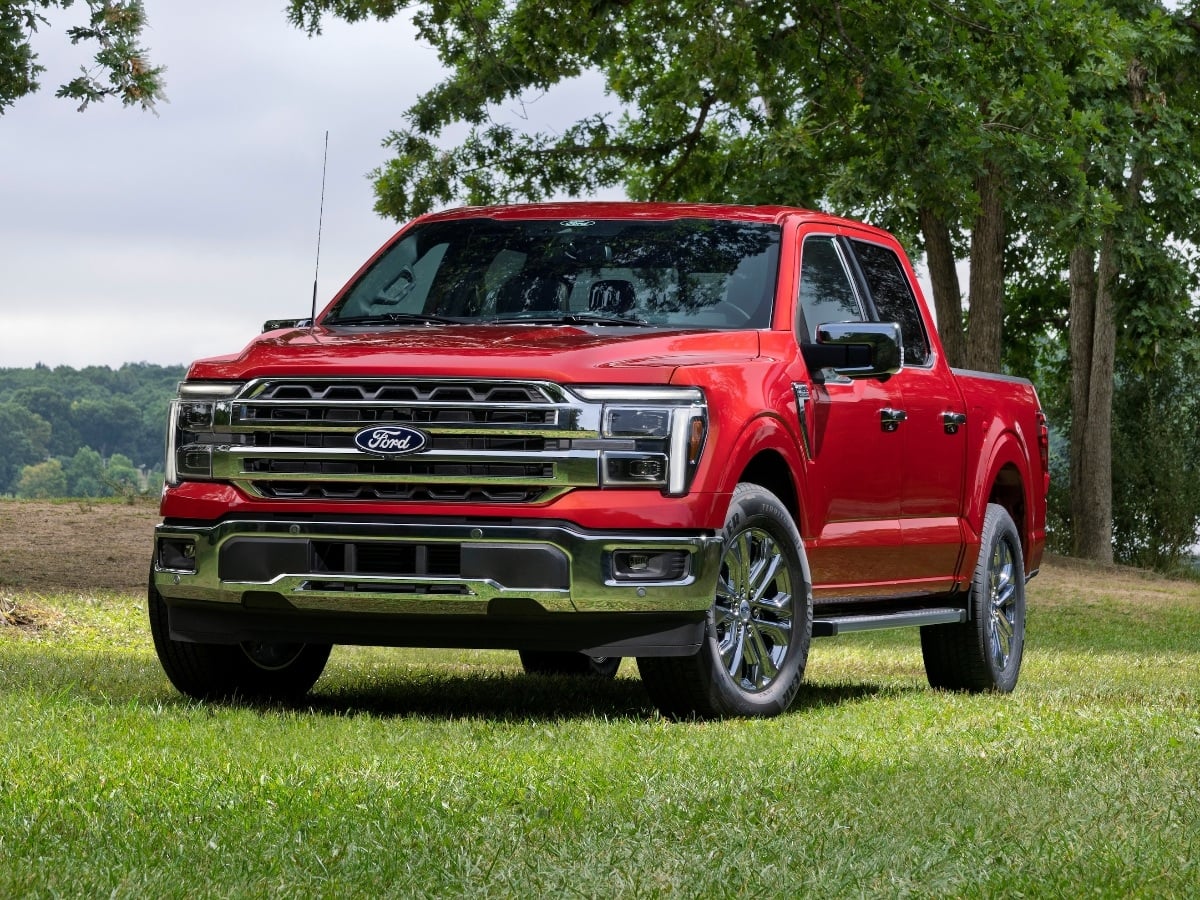
Facing renewed competition in the full-size, light duty pickup truck segment, the 2027 Ford F-150 receives subtle styling updates, a new standard engine, broader availability of its 5.0-liter V8, and ...See More
Read the Full Article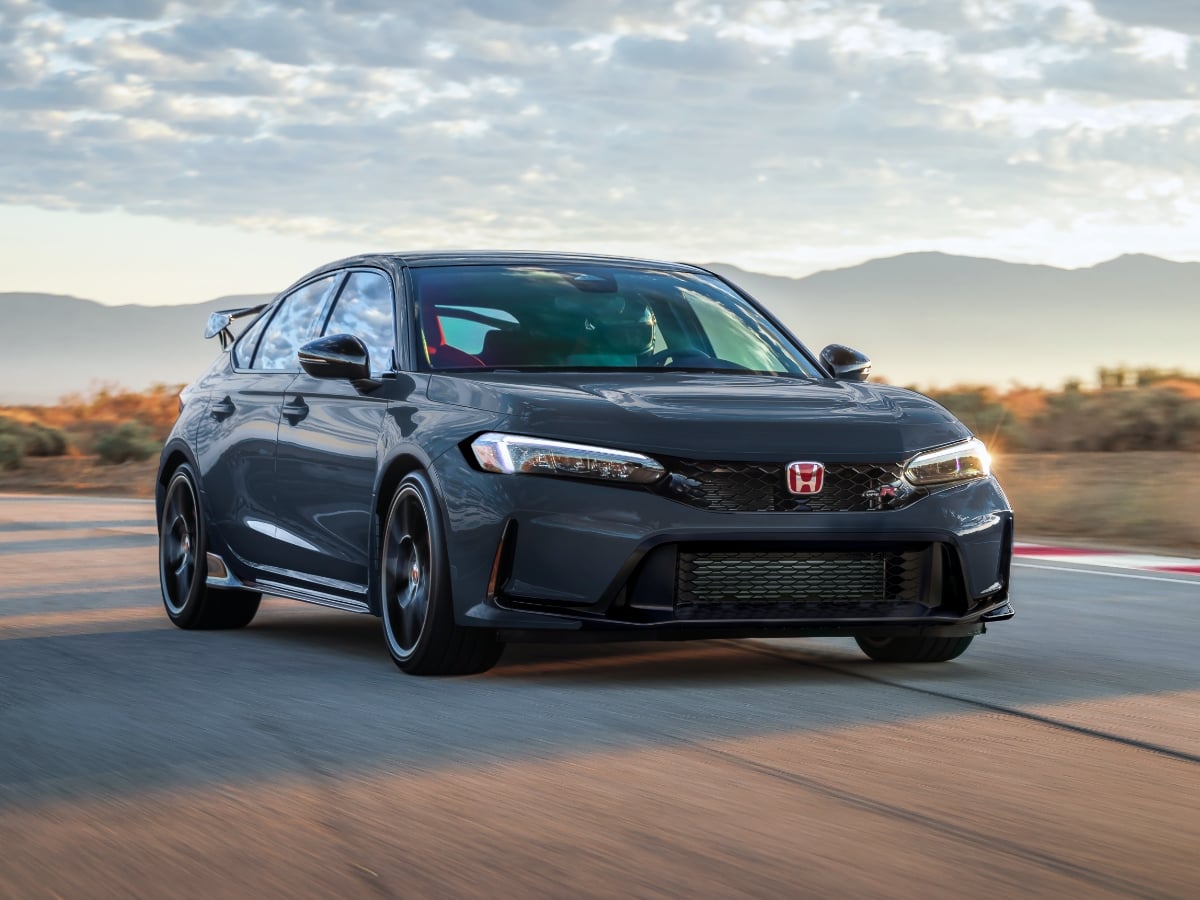
The 2027 Civic Type R goes on sale in October 2026, and it starts at $49,990, including the $1,295 destination charge.
Read the Full Article
Part of BMW’s Neue Klasse (new class) rollout of redesigned models, the 2027 BMW 3 Series is all-new and goes on sale in the first quarter of 2027.
Read the Full Article