
What happens to your car after it goes through a major accident? Well, the answer is in the title: you get a salvage title. This indicates the vehicle’s current condition and affects the price. But what if things changed, and you managed to get it working again? Well, you’ll have to get it removed, and this article can explain how.

People insure their vehicles to claim damages, and there are over 215 million vehicles in the U.S which carry insurance. But what happens when a car gets damaged beyond repair?
It starts to carry a salvage title, which indicates the insurance company is deeming it unfit to be driven or a total loss.
In the U.S, vehicles become salvaged by either being involved in an accident or getting damaged during natural disasters. In some states, a salvage title is applicable even for cars that get stolen but are never recovered by the police.
All these three are titles given to cars and hold information on who the owner is and if the car is brand new or resold.
A clean title means that the car is brand new. Every brand-new and previously owned vehicle carries a clean title through which it can be insured and driven safely.
On the other hand, a salvage title is given to vehicles that can’t be driven and are considered total losses by insurance companies. Insurance companies pay off the vehicle cost and take it to the salvage company. Such rides are illegal to drive across many states.
Rebuilt titles are exclusively issued to salvage vehicles once they are repaired, inspected, and registered to get such a title. Vehicles with salvage titles can be repaired and restored; they can even be legally driven when the owner gets such a title. An essential factor to remember is that even with rebuilt title, a car’s value will be lower by 20-40%.
However, if the vehicle is repaired, you must take it for a thorough inspection. The vehicle must pass specific safety parameters to be issued a rebuilt title by the state’s Department of Motor Vehicles.
Acquiring a rebuilt title involves these steps:
During such an inspection, a salvage inspector is assigned to assess the salvaged vehicle. During the partial inspection, the inspector will primarily inspect the Vehicle Identification Number and odometer reading as a part of the application. The inspector also examines the vehicle’s exterior to verify the vehicle model, year, make, and color of the car with the supporting documents.
Certain salvaged vehicles which do not have appropriate documents, such as the Vehicle Identification Number, go through the entire inspection process. This process includes a full inspection of the major components that have been repaired or restored as a part of the rebuilding process.
A salvage title represents the severely damaged condition of the vehicle. It indicates that the vehicle is up for junking and can’t be driven legally.
However, you can easily remove the title by investing money and time. Just follow the guide provided, and you should be able to get a rebuilt title that allows you to use the ride once again. However, keep in mind that you won’t be able to sell it for its original value.



The new 2027 BMW i3 boasts an estimated range of up to 440 miles, 400-kilowatt DC fast charging capability, bidirectional charging to a home or the grid, and next-generation technology.
Read the Full Article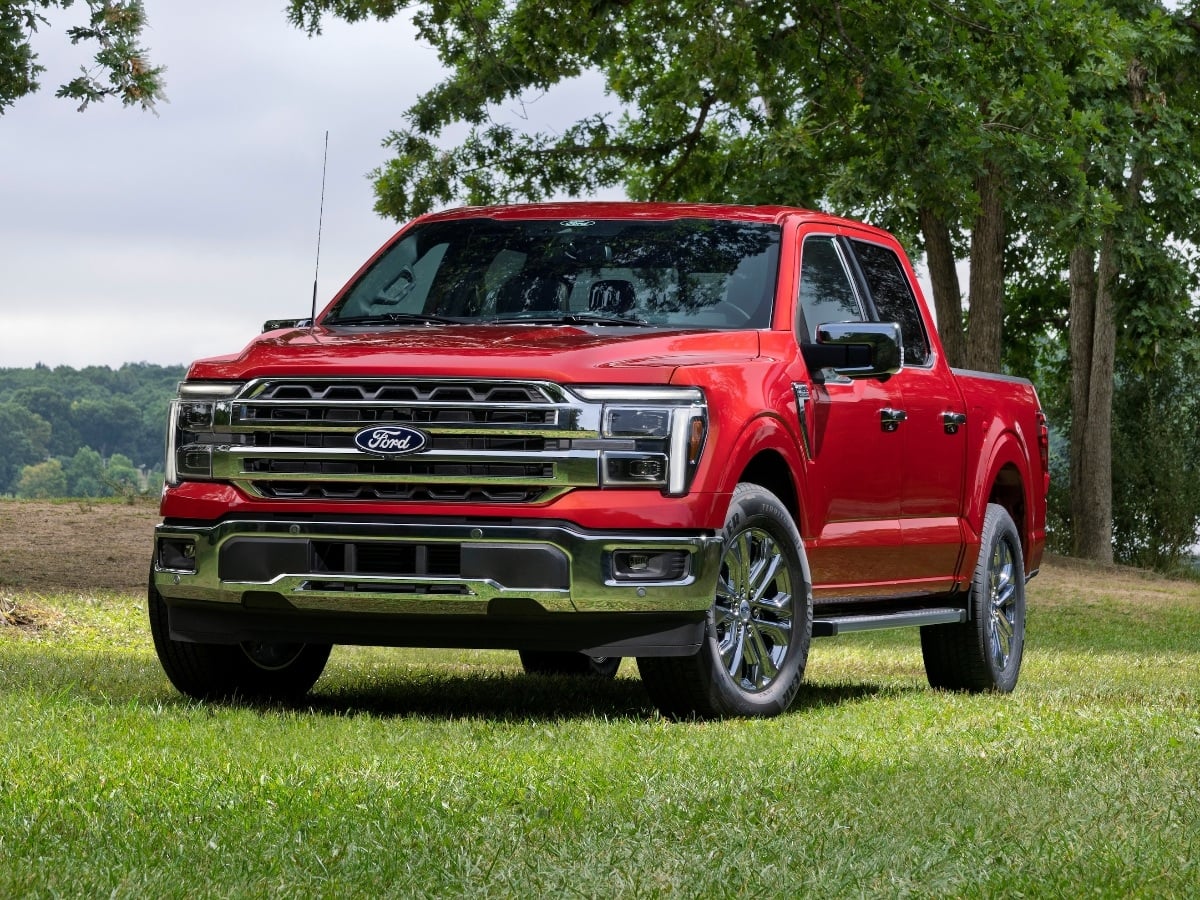
Facing renewed competition in the full-size, light duty pickup truck segment, the 2027 Ford F-150 receives subtle styling updates, a new standard engine, broader availability of its 5.0-liter V8, and ...See More
Read the Full Article
The 2027 Civic Type R goes on sale in October 2026, and it starts at $49,990, including the $1,295 destination charge.
Read the Full Article
Part of BMW’s Neue Klasse (new class) rollout of redesigned models, the 2027 BMW 3 Series is all-new and goes on sale in the first quarter of 2027.
Read the Full Article