
Over the hundreds of years since the invention of the internal combustion engine, we have seen endless variations. Engineers have created everything from single-cylinder thumpers to W-16-shaped monstrosities and beyond. Electric motors have been around nearly as long, but it is only in the past few decades that they have become common as the driving force in electric vehicles (EVs). Given that, we have not seen nearly the same level of variety, but it is starting to come, and here are some of the most common types.
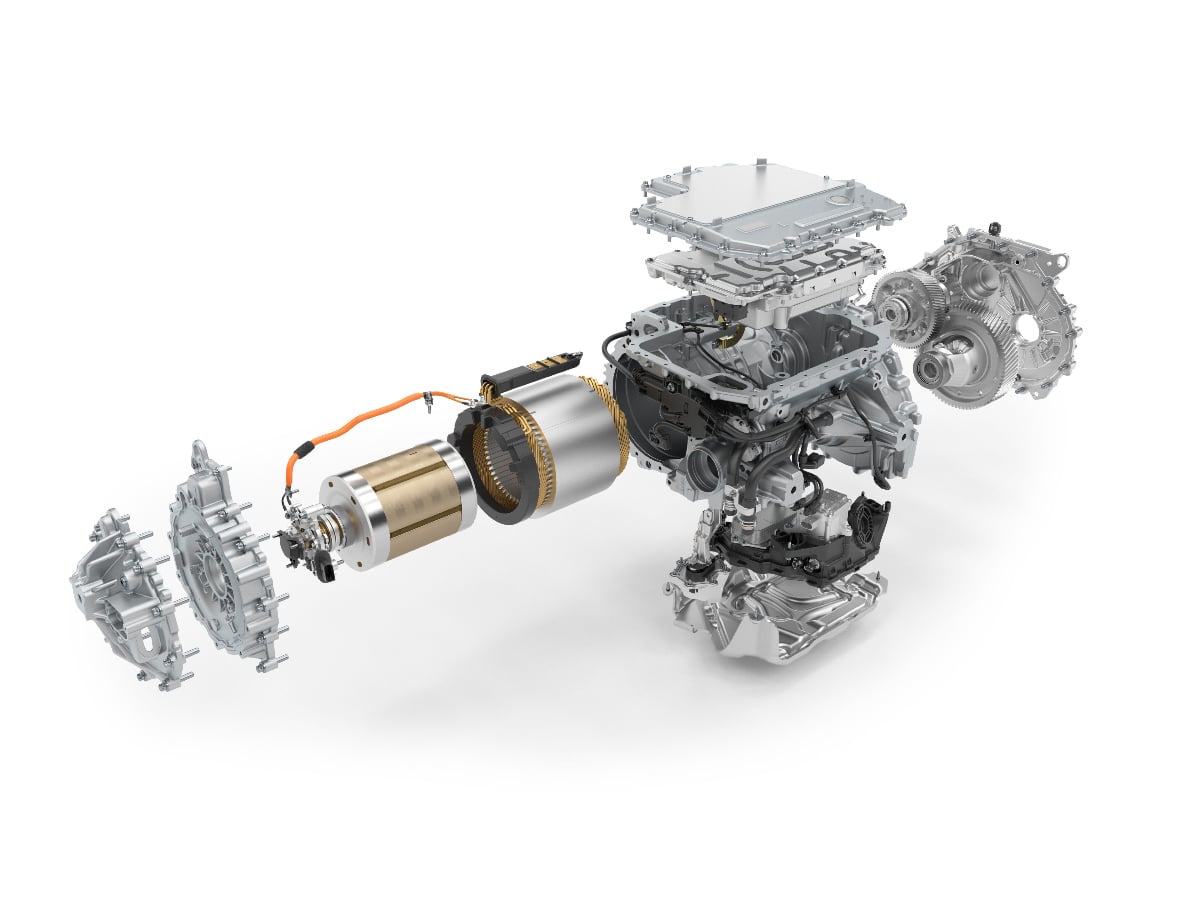
Image: Car and Driver
All electric motors share the same basic idea: a rotor spinning within a stator. Electricity applied to the stator creates a rotating magnetic field that interacts with an electromagnetic field generated by the rotor. This interaction generates torque, which spins a driveshaft and moves the car. That general concept applies universally, but there is an increasing variety in how those magnetic fields are generated and used.
The first way to generate a magnetic field is to use traditional magnets in what is often called a permanent-magnet motor. A neodymium magnet, the kind you might have played with in science class, is an example of a permanent magnet, which means it always generates its own magnetic field. By embedding these magnets in the rotor, the rotor always remains magnetized.
The constant magnetic field simplifies the design of these motors and makes them highly efficient. However, permanent magnets rely on a group of elements called rare earths. Mining them is extremely disruptive to the environment, which is not a good look when you are positioning your EV as good for the planet.
The next type of motor is an AC induction, or asynchronous, motor. These do away with permanent magnets, relying instead on an alternating current in the stator to induce a magnetic field in the rotor. No permanent magnets means no rare earths, but efficiency suffers.
Finally, there is a class of motor called an electrically excited synchronous motor, or EESM. These feature rotors with copper windings that, when powered, create an electromagnetic field. This delivers much of the efficiency of a permanent-magnet motor, but again without the rare earths. However, the tradeoff is that these tend to be larger and heavier, also requiring more maintenance.
The vast majority of EV motors today use a radial flux design, in which the magnetic field runs perpendicular to the motor's shaft, or radially, resulting in a cylindrical motor. Picture an electric motor in your mind, and you are probably visualizing a radial motor.
However, there is another kind, still rare but growing in popularity, called axial flux. In these motors, the magnetic field is aligned with the motor shaft. This design results in an extremely compact motor, shaped more like a donut. The compact packaging and high torque of these motors make them ideal for high performance applications, such as the Ferrari SF90 Stradale.
The final way to classify electric motors is based on where they are mounted in the vehicle. Electric vehicles traditionally use an inboard design. This follows the same concept seen traditionally in internal combustion drivetrains, where the engine is mounted toward the middle of the car, and driveshafts carry the power to the wheels.
Most EV makers do the same thing, rigidly mounting motors as low as possible in the center of the chassis. Different EVs have varying numbers of motors, ranging from one to four, and by mounting them inboard in the chassis, you reduce what is called unsprung mass. This effectively reduces the suspension's workload, creating a better-handling car.
Another major way to mount a motor is to place it directly in the wheels. These motors, called in-wheel or hub motors, are mounted to the suspension. Placing the motors directly in the wheels increases unsprung mass and poses significant engineering challenges in fitting all that equipment, plus brakes, into a very confined space.
However, hub motors can reduce a vehicle's overall mass by eliminating the need for driveshafts, differentials, and transmissions. This also frees up space in the vehicle's chassis, allowing for larger batteries or more cargo.
We are still a long way from seeing the variety in electric motors that we have come to know and love in internal combustion engines. But again, EVs are still relatively young. As they continue to grow in popularity and performance, expect to see even more specialized motor designs delivering greater power and efficiency, and more.
Visit the Shopping Guides section of the website to learn more about different automotive technologies.
Tim Stevens is a veteran automotive and technology journalist with over 25 years of experience covering a wide range of topics, from smartphones to supercars. In addition to jdpower.com, his expert perspectives have appeared in numerous national and international outlets, including print, online, and broadcast television.


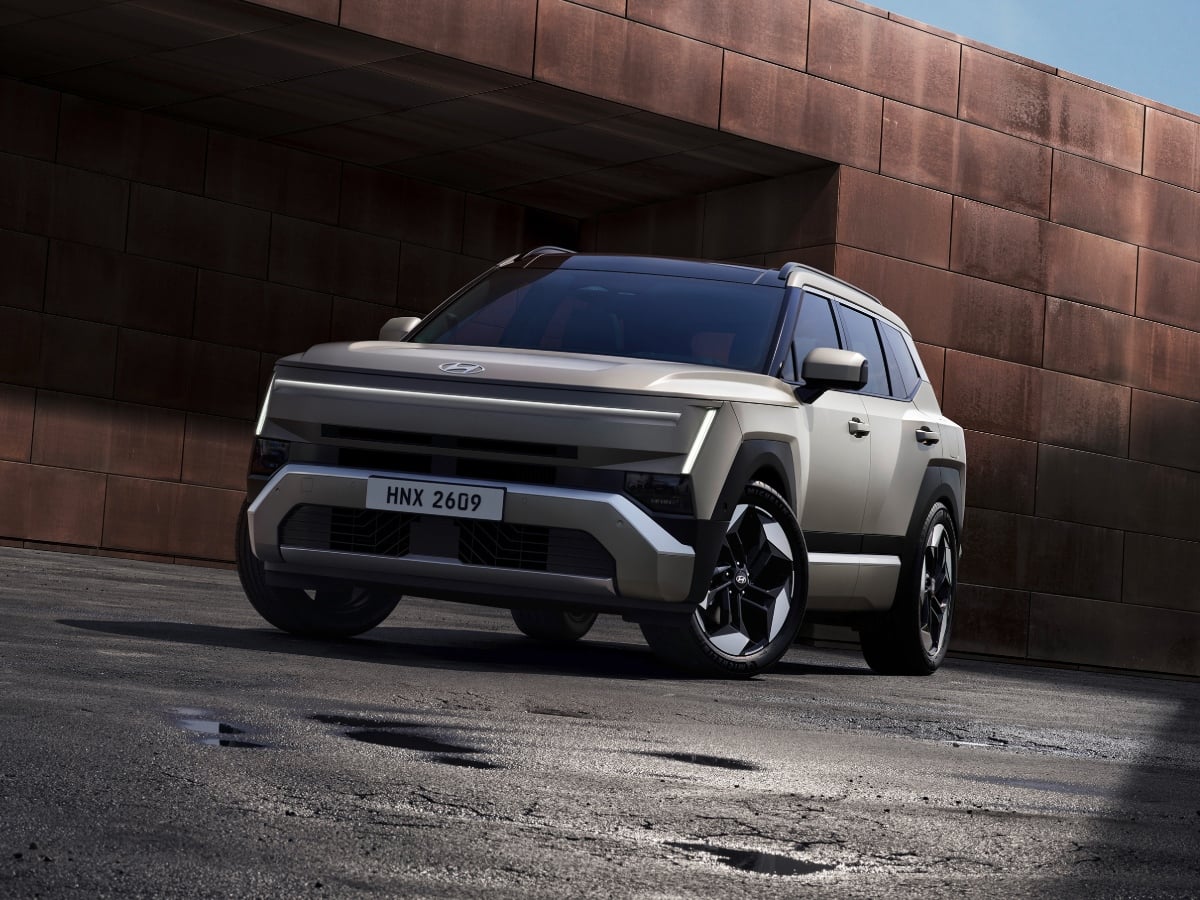
With a purposeful new design and some trail-ready upgrades, the 2027 Hyundai Tucson is pushing the brand's best-selling crossover SUV into more aggressive territory.
Read the Full Article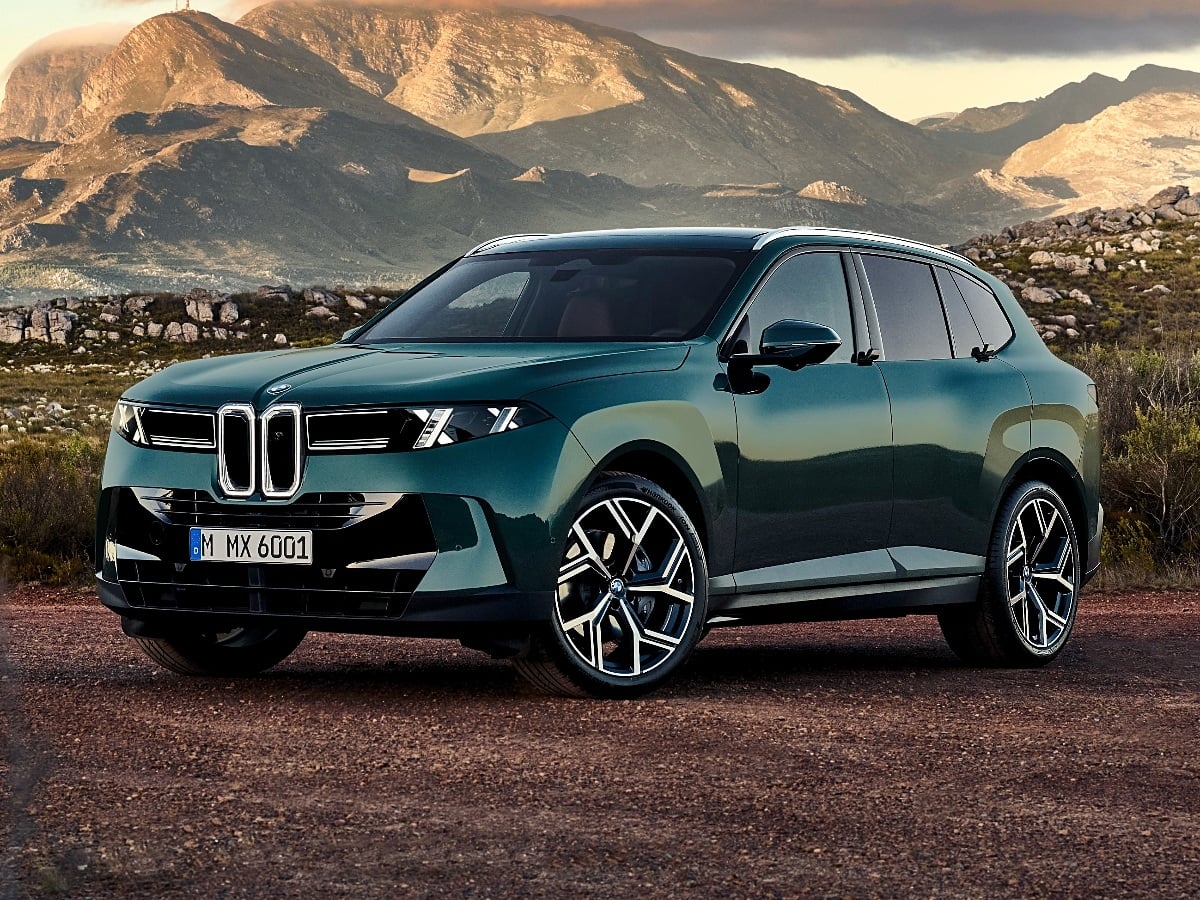
For more than 25 years, the BMW X5 has helped to define the luxury SUV segment. Now, the redesigned fifth-generation 2027 BMW X5 arrives with the automaker’s Neue Klasse styling, a roomier interior, ...See More
Read the Full Article
One of Lexus's most popular models, the NX crossover SUV is also one of the most affordable in the company’s lineup. The 2027 Lexus NX transitions to hybrid-only powertrains, and gets revised ...See More
Read the Full Article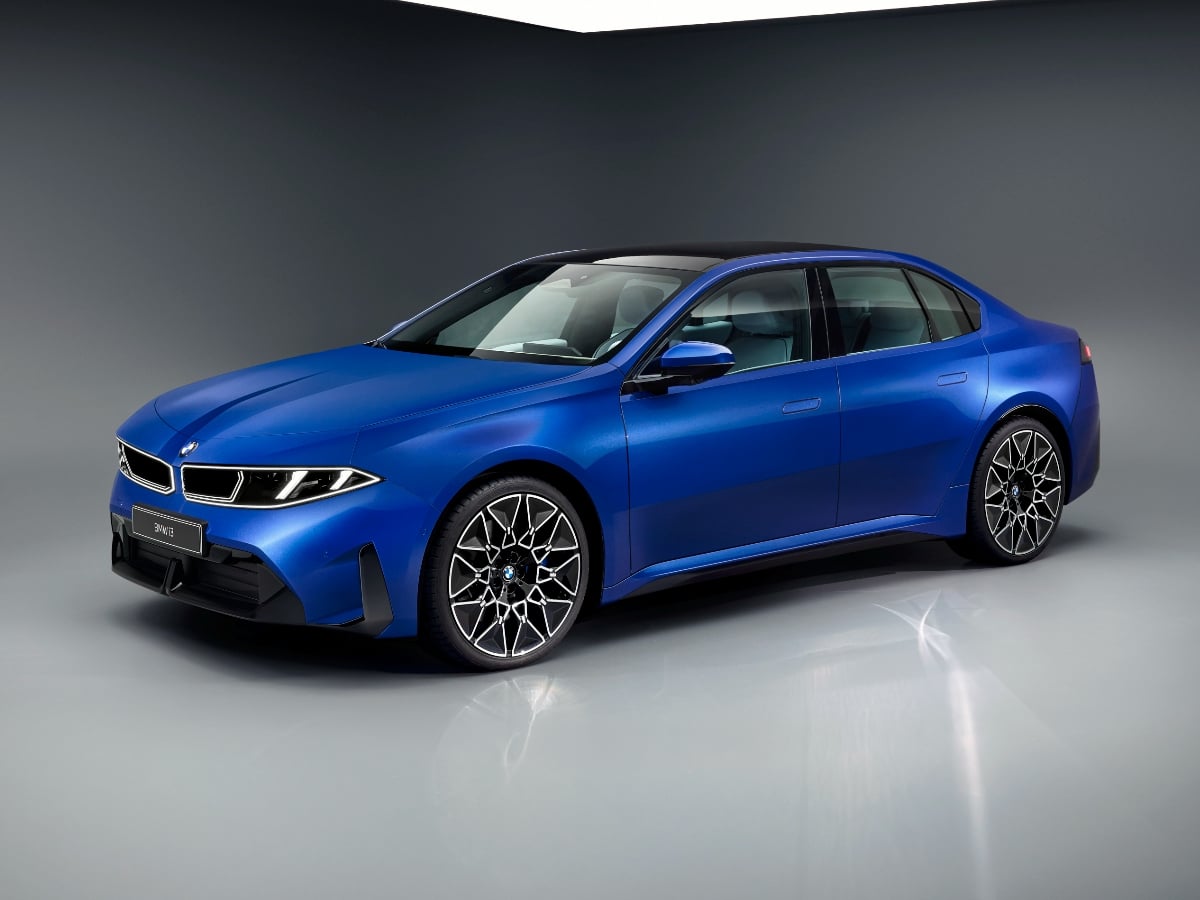
The new 2027 BMW i3 boasts an estimated range of up to 440 miles, 400-kilowatt DC fast charging capability, bidirectional charging to a home or the grid, and next-generation technology.
Read the Full Article