
Even though prices and vehicle upkeep costs have risen recently, demand remains relatively strong. People still want to keep buying vehicles, albeit for reasonable amounts of money.

And no one can blame them for that. There are multiple ways in which dealers bulk up the final price. Destination charges, conveyance fees, and state sales taxes are reasons for such practices. Even if many of these are justifiable, you can wonder if these hidden costs can be avoided.
Let’s start with the most logical thing: fees you can’t avoid. In a dealer’s mind, these are the hidden costs that should be passed onto the buyer, so they are always present in all relevant paperwork.
Destination charges are something that we’ve talked about in our previous articles. Essentially, this is the dealership passing you the check for delivery services. Manufacturers ship all cars for a fee and set up a price for this service, which is usually standardized.
Conveyance or documentation fee is the cost of the dealer handling the paperwork. Usually, it’s a set amount, limited by your state of residence, that can reach anywhere from $75 to $500. Here you should check out local laws and question any amount much more than the standardized fee.
The title and registration fee is something that you may just want to pay voluntarily. Dealerships usually have good relations with your local DMV and can easily get the title, registration, tags, and plates. You will have to pay a certain amount, but, on the other hand, it saves you the headache of doing it yourself.
Then there’s the state sales tax. You don't have to worry if it’s not a standard tax in your state. However, if you buy a car in a state you don’t live in, you will pay it when registering the vehicle. Generally, it’s advisable to remind the dealer that you’re in town for purchase, so there would be no overcharging.
Lastly, let’s talk about the advertising fee. Dealerships have to advertise to sell the cars. As it costs considerable amounts of money, they will sometimes pass on the portion of funds spent to you. However, they must warn you beforehand, and if they fail to mention that and the fee suddenly shows up in the final paperwork, you can press them about it, and avoid it altogether.
The above-mentioned extra costs, in a sense, are the “true” fees that the buyer has to pay in any possible situation. You can’t bargain or negotiate with dealerships on them, but you can drop the price significantly in other ways.
Dealers will always offer extra services with your purchase, which are labeled as fees. Opting out of them can save you considerable amounts of money, so always be on the lookout for:
As with any other business in the US, dealerships have to profit from each sale. That is why they will always include fees somewhere along the way for the customers to pay. While most of them are unavoidable, you could save money by insisting on removing any extra services offered.
Additionally, good old haggling is always an option if you feel the fees are too much. Whatever the case, be mindful of what you’re paying for and try to cut the price whenever possible.


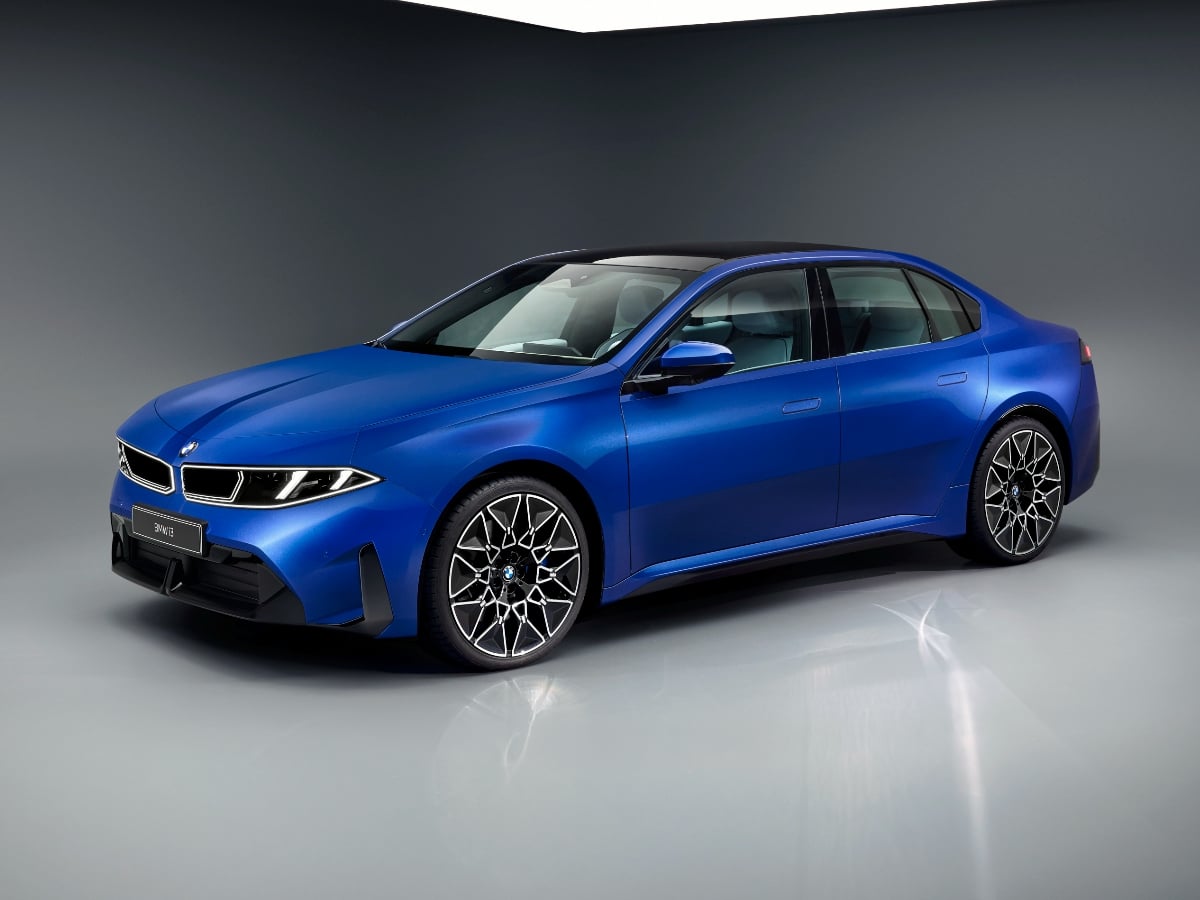
The new 2027 BMW i3 boasts an estimated range of up to 440 miles, 400-kilowatt DC fast charging capability, bidirectional charging to a home or the grid, and next-generation technology.
Read the Full Article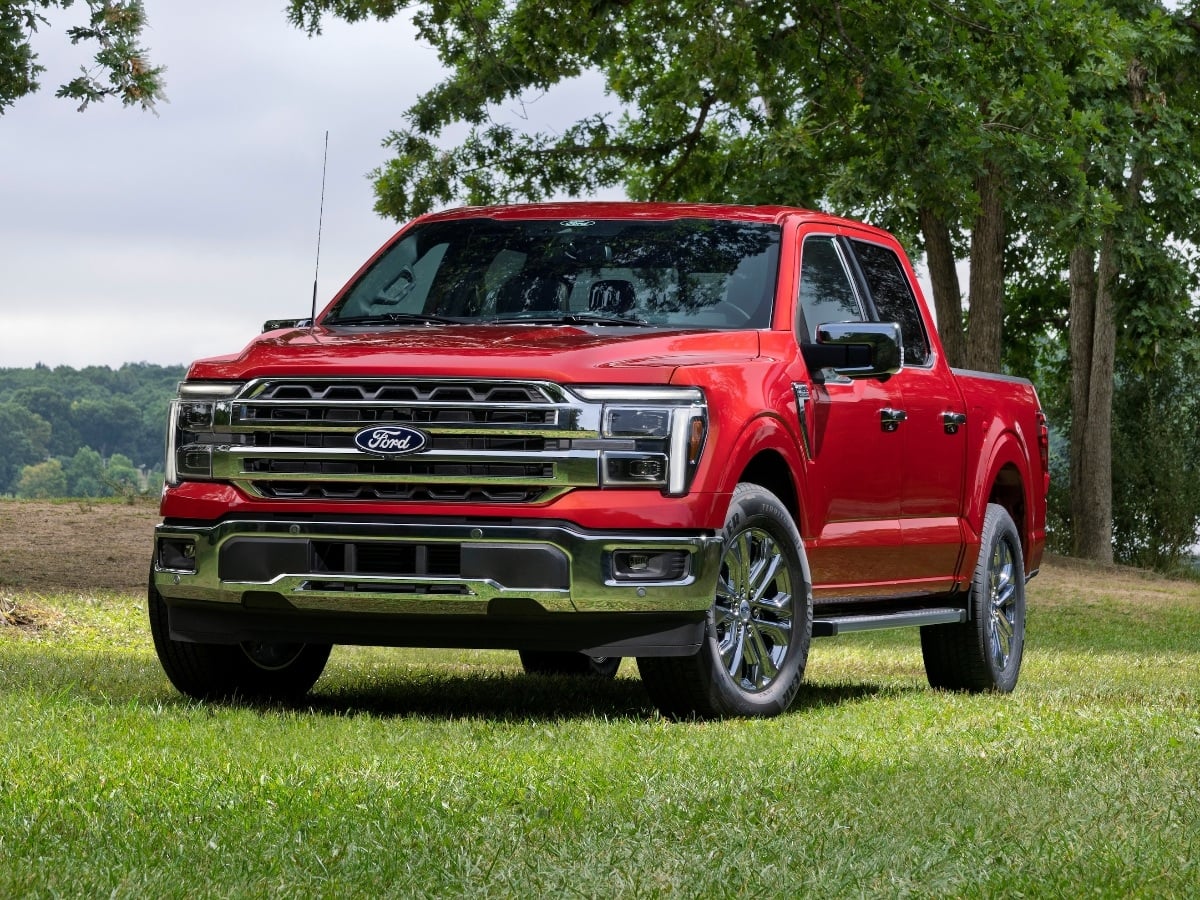
Facing renewed competition in the full-size, light duty pickup truck segment, the 2027 Ford F-150 receives subtle styling updates, a new standard engine, broader availability of its 5.0-liter V8, and ...See More
Read the Full Article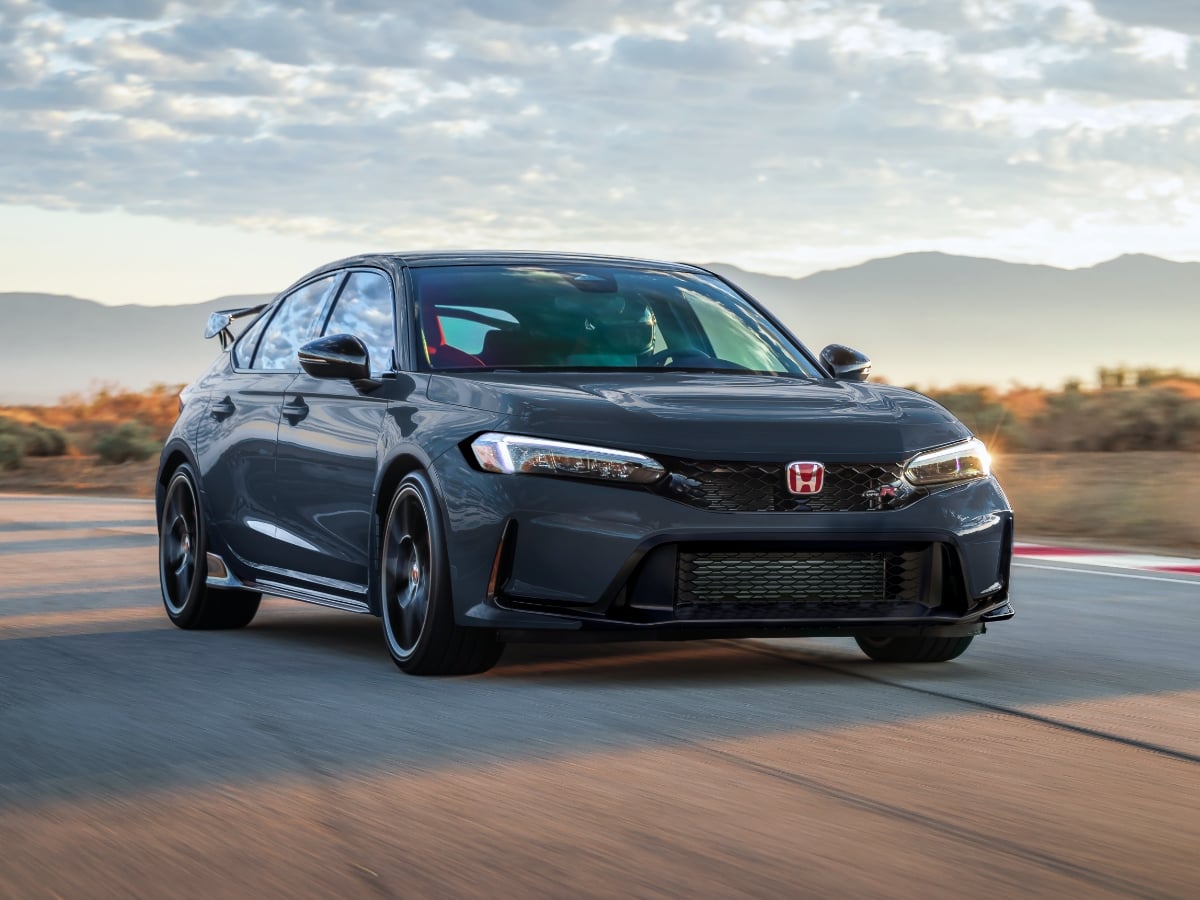
The 2027 Civic Type R goes on sale in October 2026, and it starts at $49,990, including the $1,295 destination charge.
Read the Full Article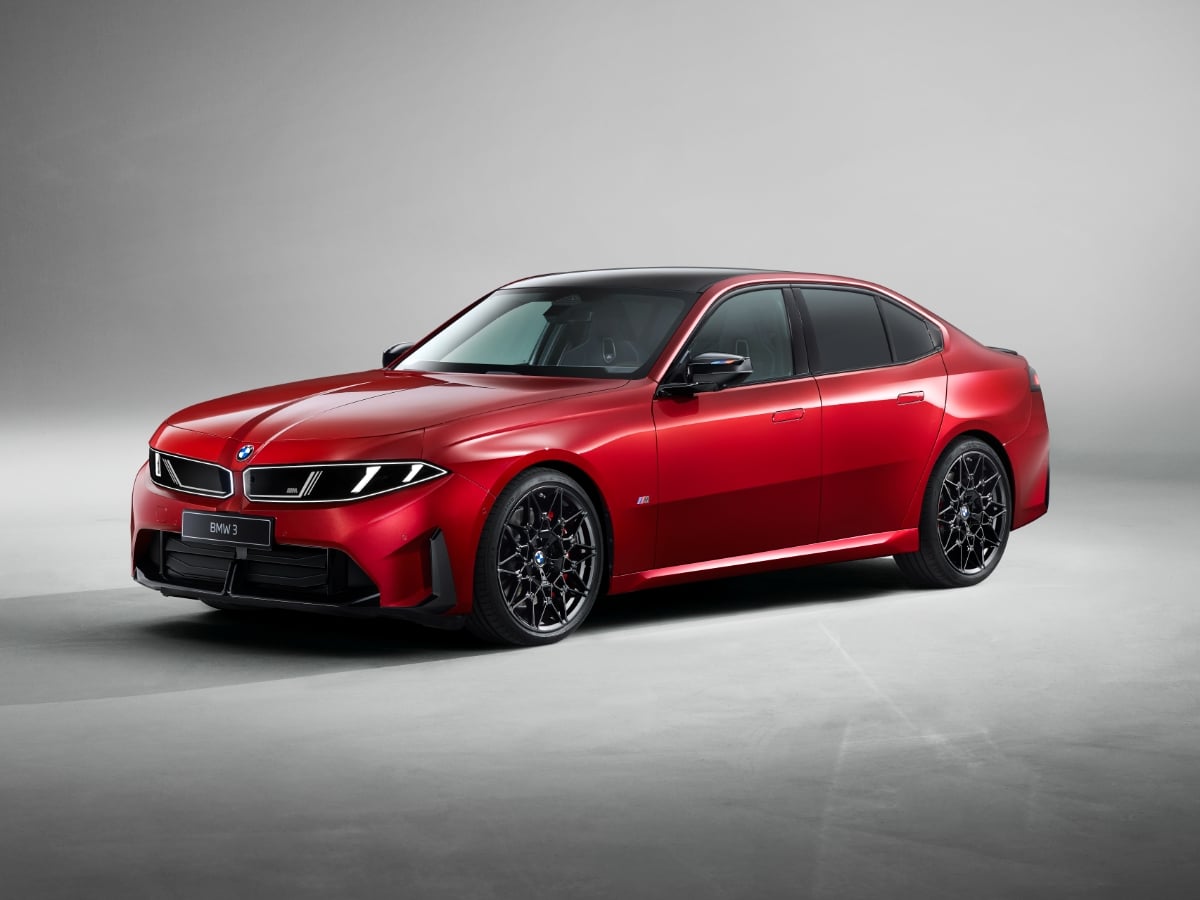
Part of BMW’s Neue Klasse (new class) rollout of redesigned models, the 2027 BMW 3 Series is all-new and goes on sale in the first quarter of 2027.
Read the Full Article