
Since the debut of the Toyota Prius almost 25 years ago, hybrids have continued to evolve on American roads and are an attractive option for buyers seeking fuel efficiency.

A hybrid vehicle is powered by electricity and gas. There are three primary types of hybridized powertrains:
Mild hybrid vehicles feature an internal combustion engine (ICE) and battery. However, unlike a Hybrid Electric Vehicle (HEV), MHEV’s batteries are smaller. Mild hybrids add components of electrification to decrease the dependency on the gas engine. They typically employ a 48-volt system to directly power vehicle accessories such as climate control while a vehicle is at a stop instead of relying on the gas engine.
While mild hybrids are designed with improving fuel economy in mind, the fuel economy difference between an ICE-only vehicle and a mild hybrid vehicle is not substantial. For instance, when Volvo upgraded its S60 sedan to include a mild hybrid powertrain for the 2022 model year, the EPA combined fuel economy improved from 27 MPG to 30 MPG, or about an 11% increase.
The shift to incorporating mild hybrid technology mirrors the shift from naturally aspirated 6-cylinder engines to turbocharged 4-cylinder engines. In both cases, the intention is to provide more power and performance while improving fuel economy.
A Hybrid Electric Vehicle or HEV is powered by an internal combustion engine and one or more electric motors. Fuel efficiency is a priority with an HEV which uses a more powerful electric motor than in a mild hybrid which is then paired with a smaller engine to maximize efficiency. The electric motor alone can propel the vehicle at lower speeds before the ICE intervenes.
The teaming of more powerful electric motors with a traditional gas powertrain reduces the power needed exclusively by gasoline. For example, the 2024 Honda CR-V comes in both gas and hybrid powertrain variants. The gas model’s powertrain produces 190 HP all of which come from the gas powertrain. The Hybrid model produces 204 HP total. However, 145 HP comes from the ICE part of that powertrain whereas 59 HP comes from the two electric motors. The fuel economy benefit is demonstrated by the more powerful Hybrid option attaining a 34% increase in fuel economy (35 MPG to 26 MPG) over the non-hybrid CR-V.
When hybrids were first introduced, they were not unlike the launch of EVs because they came at a price premium. Similarly, there was also a federal incentive of about $2000 offered for hybrid models which helped close the price gap. Over time, the hybrid price differential has come down. Currently, the initial cost increase will pay for itself in fuel savings in fewer miles than in years past.
For example, the 2024 Toyota Camry LE Hybrid starts at $28,855, a 9% increase over the standard LE at $26,420. However, the hybrid accelerates faster and increases average fuel economy from 32 MPG to 47 MPG – a 47% increase in efficiency over the standard variant. Toyota will be making the next generation 2025 Camry hybrid-only.
The next type of hybrid is a Plug-In Hybrid Electric Vehicle (PHEV) which differentiates itself from HEVs because drivers can plug the vehicle in to charge the battery to run on electric power alone. Drivers of plug-ins can essentially drive PHEVs as an EV until they run out of their electric range at which point it will switch over to the internal combustion engine for power and operate similarly to an HEV.
Similar to full Battery Electric Vehicles (BEVs), the driving range of PHEVs varies. For instance, a Jeep Wrangler 4xe has an estimated electric range of 21 miles while a Toyota RAV4 Prime PHEV has an EPA estimated 42 miles of all-electric driving range. Either way, many commuters can travel to and from work on a single charge.
The biggest difference between EVs and PHEVs is that PHEVs have a much lower electric range. For example, many BEVs offer 220 to over 300 miles of range. However, PHEVs have the benefit of also operating as gas-powered hybrid vehicles thus eliminating the “range anxiety” that is discussed with owning a BEV. Drivers can plug in their PHEV for power, but it is not the only option. For some consumers, a PHEV might be the best-balanced option to test the waters of owning an EV, where they can get a little bit of both. Unlike HEVs, some PHEVs qualify for $3750 to $7500 federal incentives.
PHEVs tend to be the premium option available in a model’s lineup. Thus, one can expect to pay several thousand more for the PHEV variant. However, in addition to the ability to run on electric power alone, they also typically offer higher performance and more equipment than the non-PHEV models.
With the proliferation of powertrain options, one can be overwhelmed by the choices. Fortunately for buyers, they do not need to approach their decision with an either/or mentality, as hybrids provide a range of options between a traditional internal combustion engine vehicle and a full BEV.
Matt Yantakosol is a lifelong automotive enthusiast and former consultant focused on the consumer aspect of the industry. He has traveled to New York, Detroit, Chicago, L.A., Paris, Geneva, Frankfurt, and Tokyo Auto Shows to track and observe the newest industry innovations. In addition to JDPower.com, Matt's writing has appeared on Pcarmarket.com.


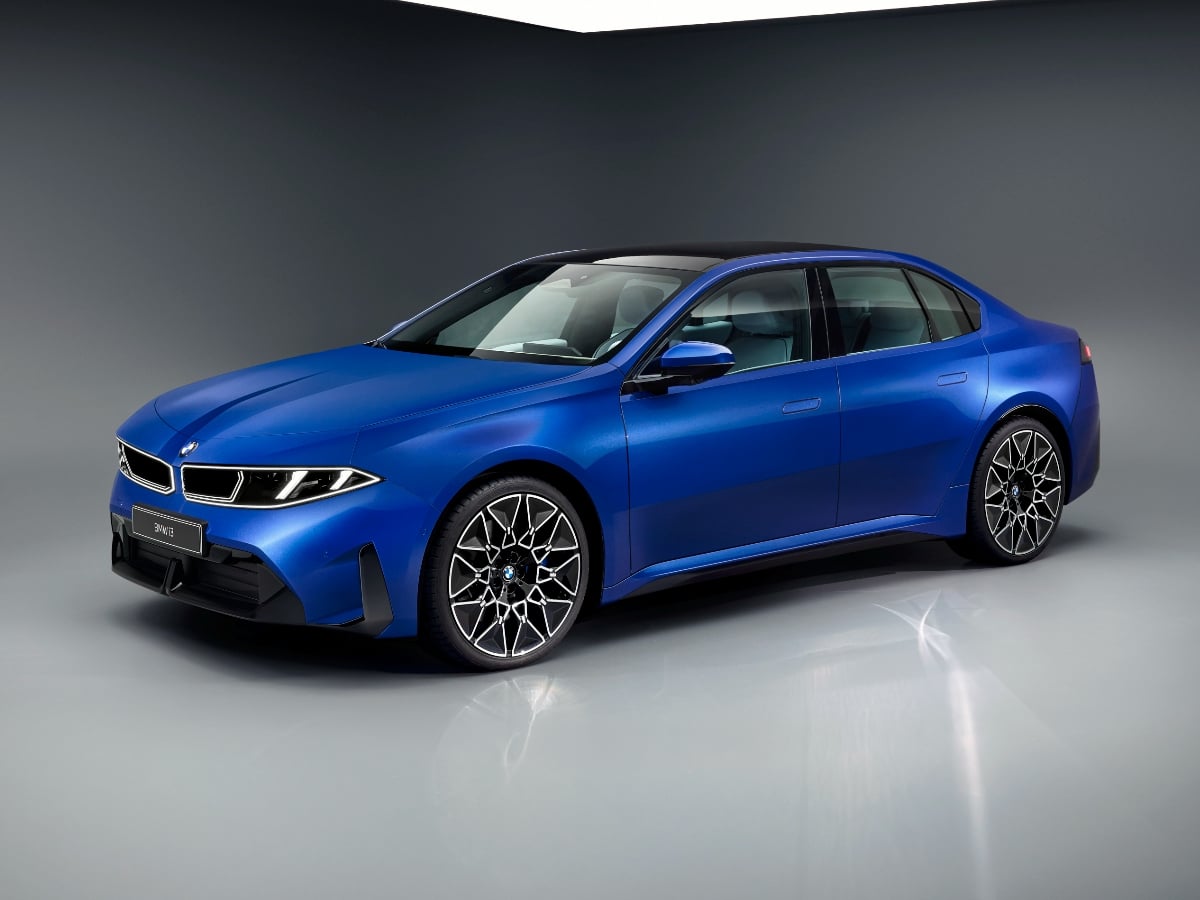
The new 2027 BMW i3 boasts an estimated range of up to 440 miles, 400-kilowatt DC fast charging capability, bidirectional charging to a home or the grid, and next-generation technology.
Read the Full Article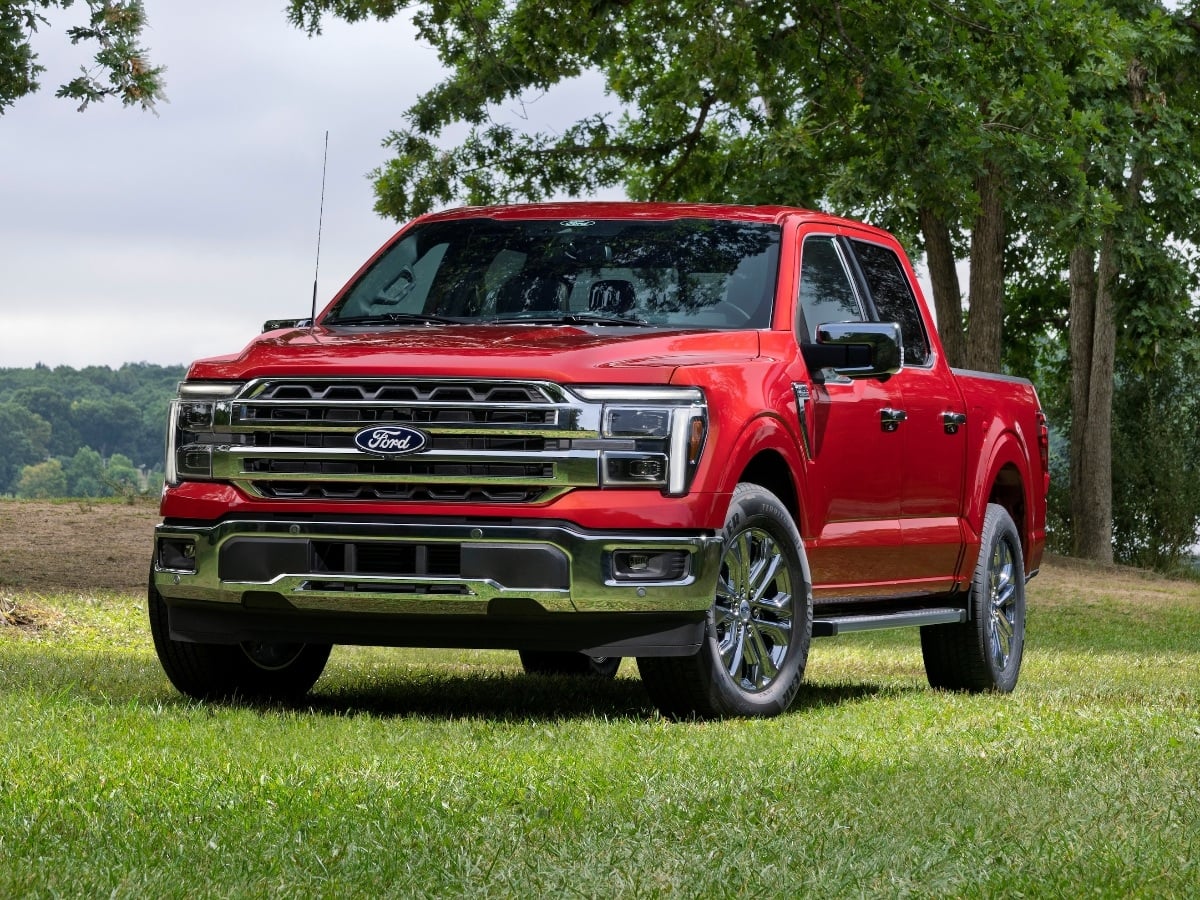
Facing renewed competition in the full-size, light duty pickup truck segment, the 2027 Ford F-150 receives subtle styling updates, a new standard engine, broader availability of its 5.0-liter V8, and ...See More
Read the Full Article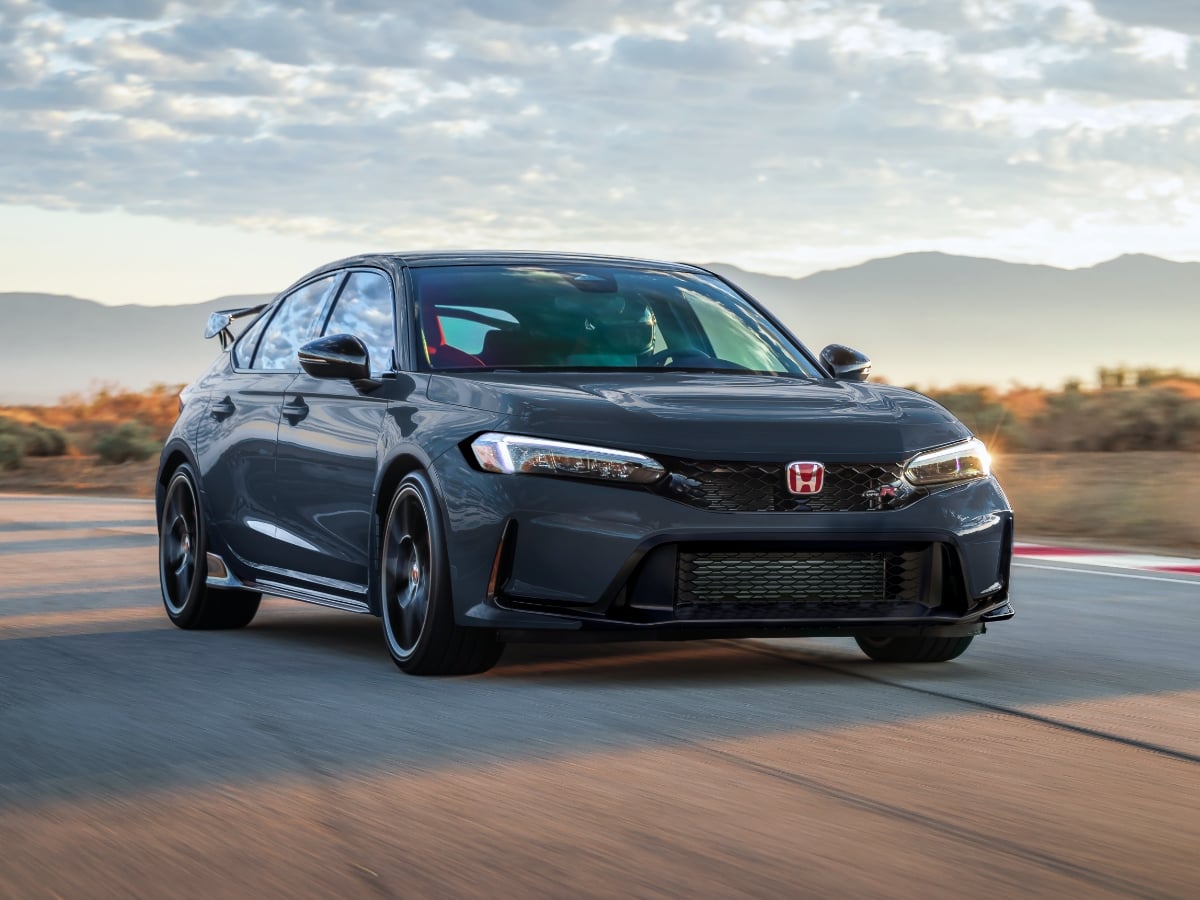
The 2027 Civic Type R goes on sale in October 2026, and it starts at $49,990, including the $1,295 destination charge.
Read the Full Article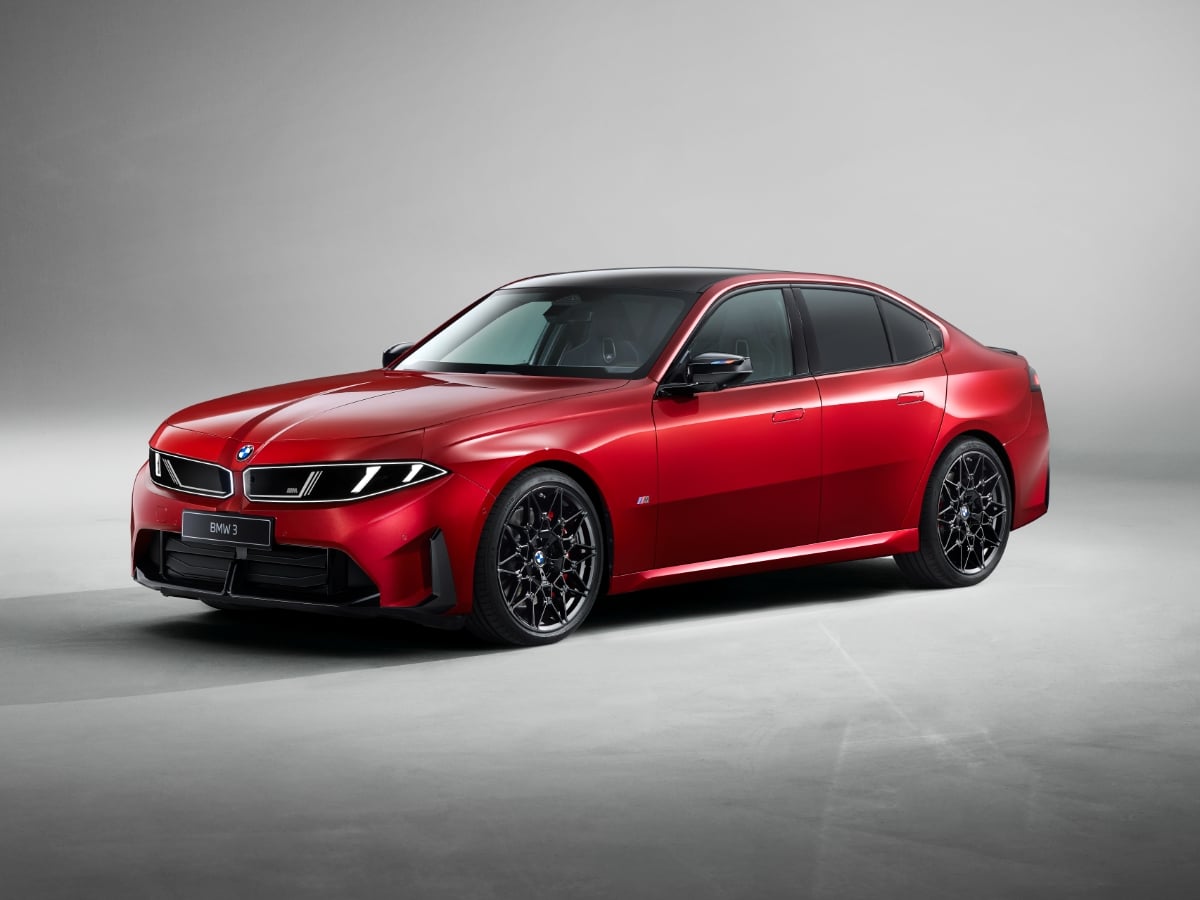
Part of BMW’s Neue Klasse (new class) rollout of redesigned models, the 2027 BMW 3 Series is all-new and goes on sale in the first quarter of 2027.
Read the Full Article