
Despite the circumstances, whether you are at fault or not, you should always call your insurance if you are involved in an accident. Whether you have found it damaged while parked or in any other unfortunate circumstance, you need to contact your insurance immediately.

Apart from the common sense of keeping your insurance informed about an accident, your insurance policy may include a coverage policy that can play to your advantage.
Each insurance policy is built on six common types of coverage options. Bear in mind, some of these options can be a contingency for legal driving, depending upon the state in which you reside.
These common types of coverage options are:
Auto liability coverage is an insurance policy that covers potential injuries or property damages you inflicted on a third party. It is separated into bodily injury liability and property damage liability. This is mandatory coverage, the minimum amount of car insurance a driver can have to drive legally.
Uninsured and underinsured motorist coverage covers expenses if an at-fault driver doesn't have enough coverage to settle the damage. It is essential when the accident isn't your fault. This type of insurance coverage can prove crucial if you are not the at-fault driver, but it may add additional expenses to your policy.
Comprehensive coverage isn't mandatory, but it provides you with compensation for the damages provoked by circumstances other than a car crash. Comprehensive coverage protects you against theft, fire, hail, and almost any other natural occurring hazard.
Collision coverage will compensate for any damages your car sustained if you are at fault for an accident.
Medical Payments Coverage, Medical Expense Coverage, or just MedPay is optional insurance coverage designed to pay for the medical expenses that result from injuries caused by a car accident. Usually, MedPay covers health insurance deductibles, hospital visits, surgery costs, ambulance, emergency medical technician fees, nursing services, and other expenses related to medical emergencies.
PIP or Personal Injury Protection covers all medical and healthcare expenses for the driver (actually, it technically covers the policyholder) and passengers in case of injuries caused in a car accident.
In the simplest of terms, no-fault means that you are not responsible for causing an accident, while at-fault implies that you are responsible. This distinction will determine whether or not the insurance company is responsible for the payout.
We can divide the US into no-fault and at-fault states. The list of all no-fault states include:
Any states not listed above are considered at-fault states.
If you read the car insurance policy contract, you may have noted a sentence that’s something along the lines of "Report any and all accidents your covered vehicle is involved in." It’s a direct instruction for you to call your insurance whenever you are involved in an accident.
With that said, you do not have to call the other driver’s insurance company, only your own. Informing your insurance about an accident protects you from a multitude of potential problems such as:
It is recommended that you only contact your attorney if you or your passengers sustained any injuries due to the accident. An attorney can help your case with some expert advice, but it’s a route that should only be explored if absolutely necessary.
Contacting your insurance company should be one of the first things you do if you are ever involved in an accident. Regardless of your level of coverage, informing your insurer of an accident immediately after it occurs is always best practice.


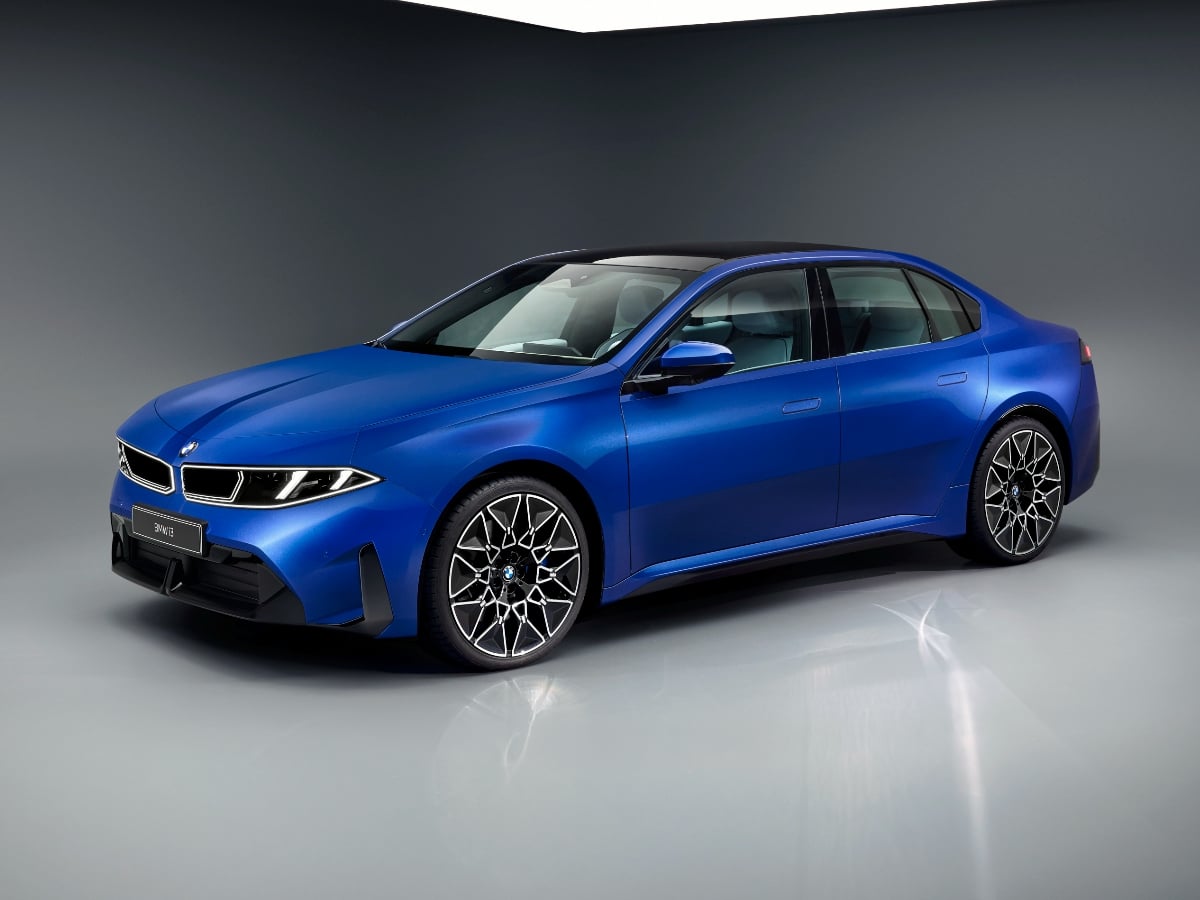
The new 2027 BMW i3 boasts an estimated range of up to 440 miles, 400-kilowatt DC fast charging capability, bidirectional charging to a home or the grid, and next-generation technology.
Read the Full Article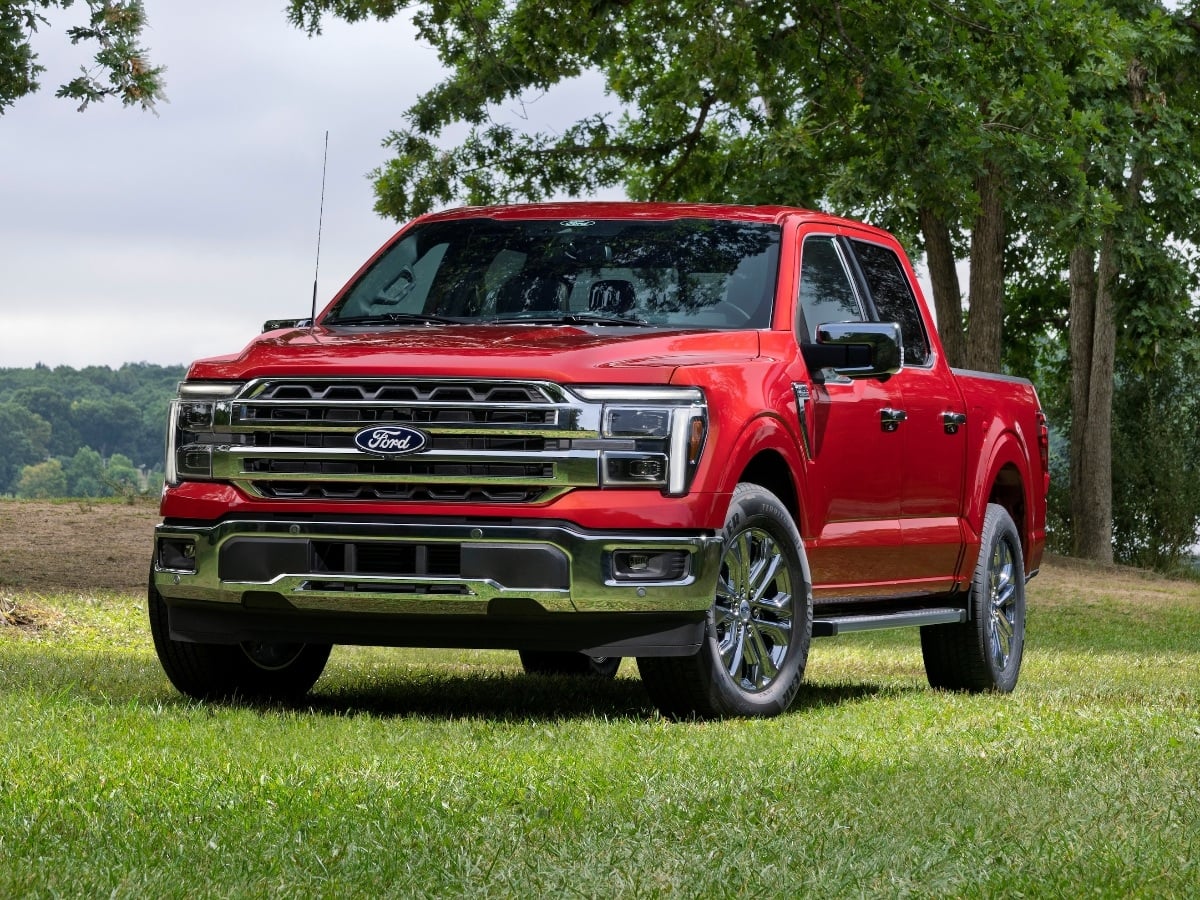
Facing renewed competition in the full-size, light duty pickup truck segment, the 2027 Ford F-150 receives subtle styling updates, a new standard engine, broader availability of its 5.0-liter V8, and ...See More
Read the Full Article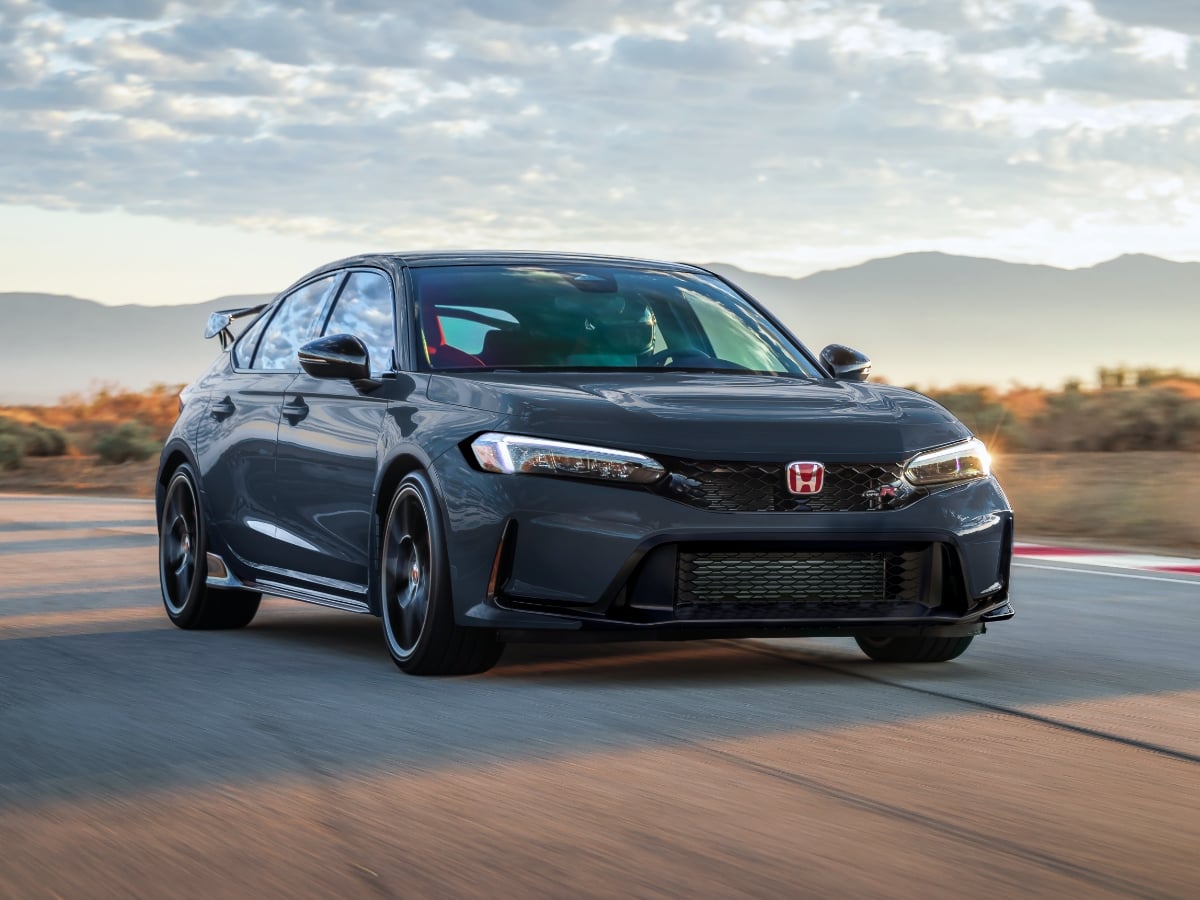
The 2027 Civic Type R goes on sale in October 2026, and it starts at $49,990, including the $1,295 destination charge.
Read the Full Article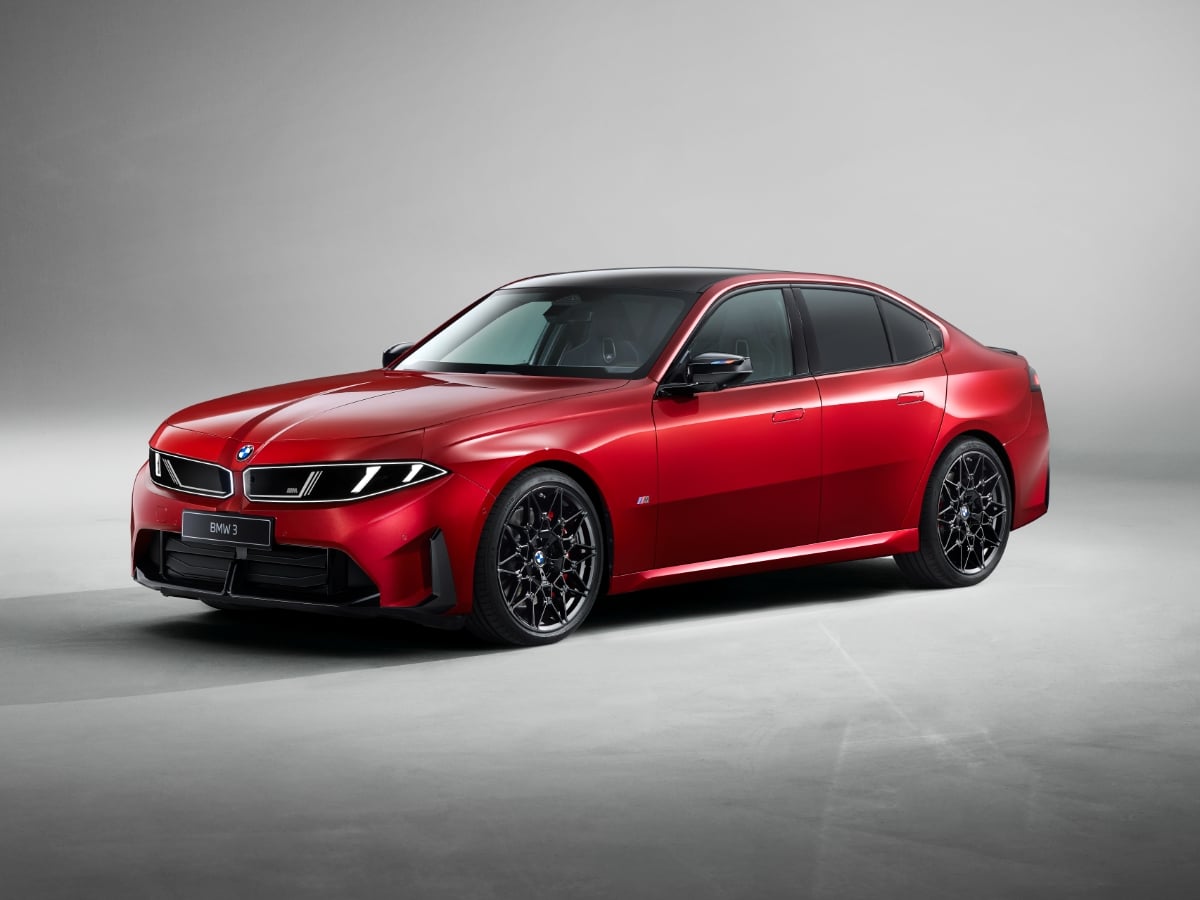
Part of BMW’s Neue Klasse (new class) rollout of redesigned models, the 2027 BMW 3 Series is all-new and goes on sale in the first quarter of 2027.
Read the Full Article