
An overheating car engine should be a cause for worry. A mechanic will have you know that driving a car with an overheated engine can destroy the engine block or internal parts.
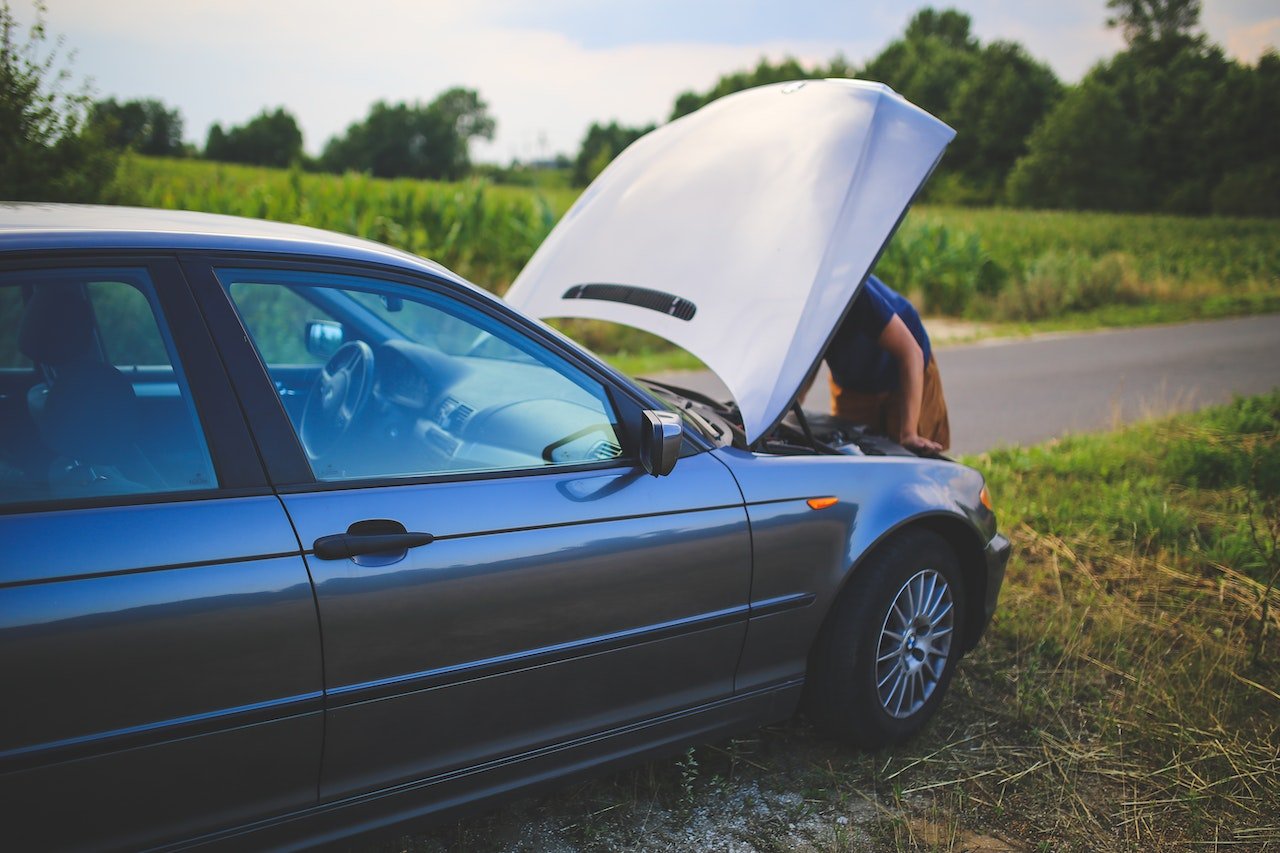
It is usual for a car's engine to get hot while running, as the heat is a byproduct of the combustion process that powers it.
However, there are certain temperatures at which the engine can become too hot and potentially cause damage. Let’s find out.
There are several potential causes of a car's engine overheating. Some of the most common include:
If the coolant level in the radiator is low, the engine may have a short supply of coolant to circulate and keep the engine cool, causing the engine to overheat.
The thermostat is a valve that regulates the flow of coolant through the engine. If the thermostat fails or becomes stuck in the closed position, it can prevent coolant from flowing through the engine, causing it to overheat.
The radiator is responsible for dissipating heat from the coolant as it passes through the system. If the radiator is damaged or not functioning, it may not be able to dissipate heat effectively, causing the engine to overheat.
The cooling fan and other components help to dissipate heat from the engine. If these components are not functioning well or there is an obstruction blocking airflow around the radiator, the engine may overheat.
The belts and hoses that carry coolant to and from the engine can become worn or damaged over time. If these components fail, the engine may not receive enough coolant, causing it to overheat.
Overheating can be caused by problems with the ignition system, fuel system, or other engine components. It is vital to diagnose the specific cause of overheating to address the cause.
There are several signs that your car's engine may be running hot. Here are a few.
The temperature gauge on your dashboard is in the red zone or higher than usual. This is the most obvious sign that your engine is running hot.
You may also notice that steam is coming from under the hood. If you see steam coming out from under the hood, it could be a sign that your engine is overheating.
As a driver, it is helpful to be observant. A car may run poorly when the engine is overheating. If your engine is running poorly, such as stalling, it could be a sign that the engine is overheating.
A car engine may run hot when the radiator fan is constantly running. The engine check light may also turn on when there’s a problem with the engine. If the check engine light comes on, this could be a problem with the engine and cause it to overheat.
The smell of coolant may be an indication that the engine is overheating. If you notice a sweet, coolant-like smell, it could be a coolant leak, inside or outside of the car. This could be that your engine is running hot and has leaking coolant.
If you suspect the engine is running hot, you should pull over as soon as it is safe and turn off the engine. Continuing to drive with an overheated engine can cause damage and is dangerous to drive on the road. Check the coolant level and look for any visible signs of leaks. If the problem persists, it is best to have a mechanic check it out as soon as possible.
Here are some steps you can take if your engine is overheating:
If you are driving and the engine is overheating, it is important to pull over and turn off the engine. Continuing to drive with an overheating engine could cause damage.
Allow the engine to cool down for at least 20-30 minutes before attempting to start it again.
If the coolant level is low, you may need to add more to the radiator. Make sure the engine gets cooled before attempting to do this.
Look for any visible problems with the cooling system, such as a leaking radiator hose or a damaged radiator.
If you are not able to resolve the overheating issue on your own, it is a good idea to have the car checked by a mechanic as soon as possible to diagnose and fix the problem.
A car’s engine can overheat due to a low coolant level, a failed thermostat, a faulty radiator, worn or damaged belts, and hoses or obstructed airflow.
If you suspect your car's engine is running hot, pull over as soon as it is safe and turn off the engine. Driving with an overheated engine can cause damage and can be dangerous to drive on the road. Take your car to a mechanic as soon as possible to diagnose and fix the problem.



The new 2027 BMW i3 boasts an estimated range of up to 440 miles, 400-kilowatt DC fast charging capability, bidirectional charging to a home or the grid, and next-generation technology.
Read the Full Article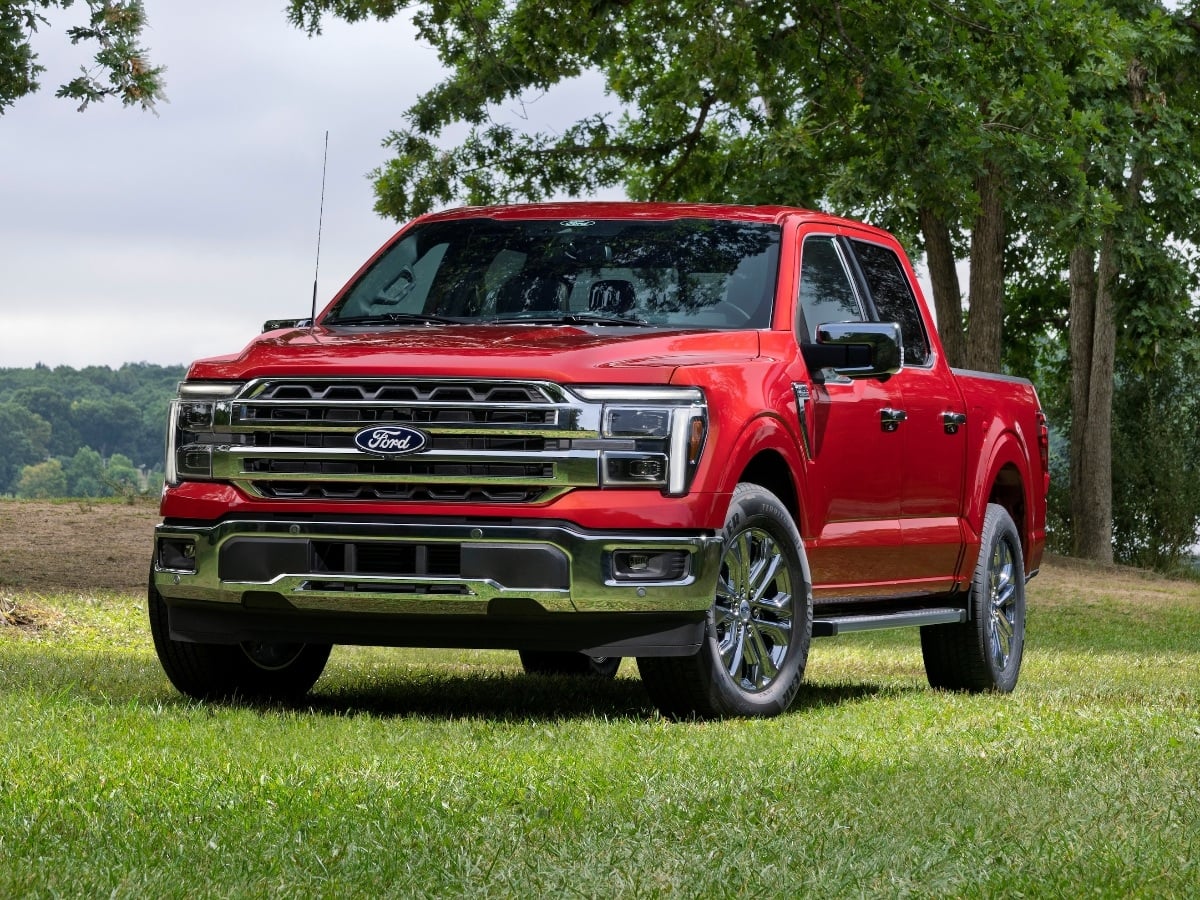
Facing renewed competition in the full-size, light duty pickup truck segment, the 2027 Ford F-150 receives subtle styling updates, a new standard engine, broader availability of its 5.0-liter V8, and ...See More
Read the Full Article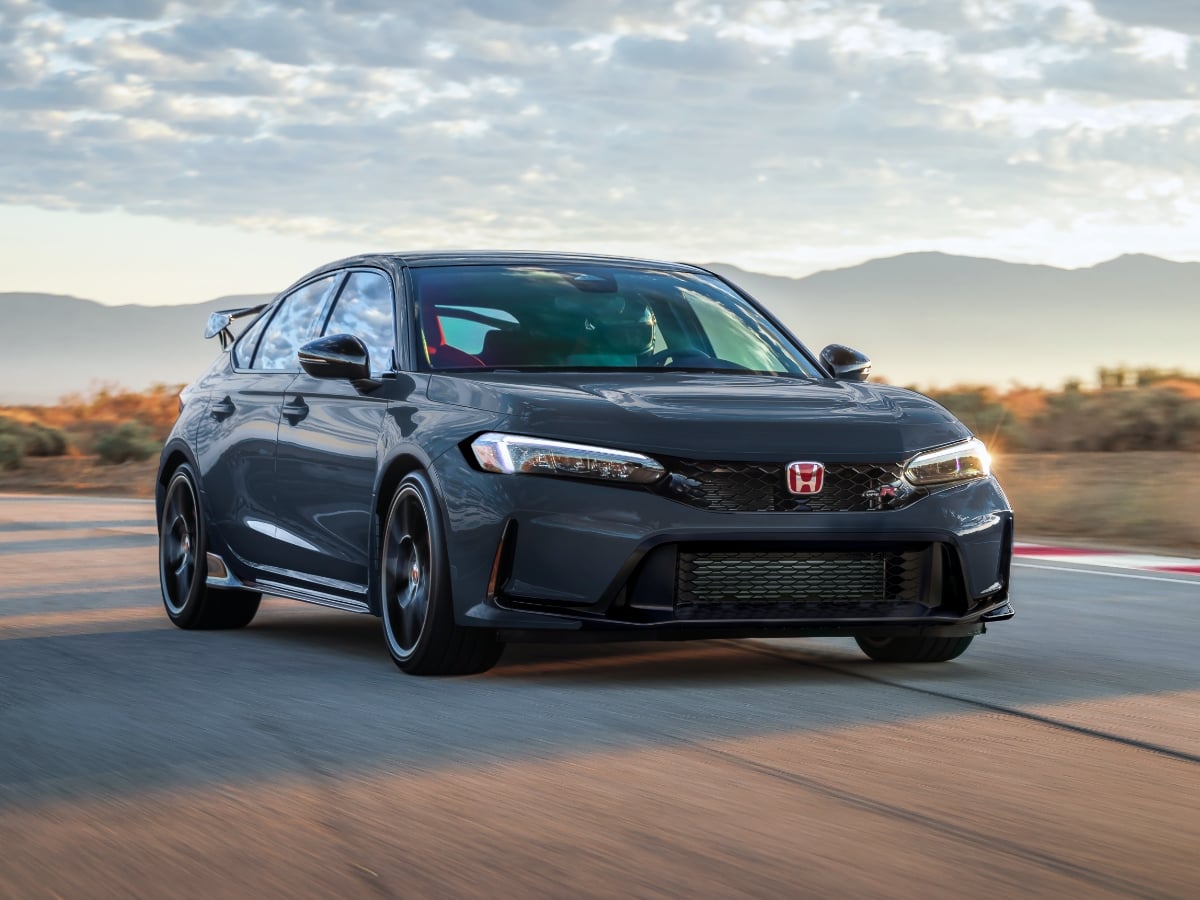
The 2027 Civic Type R goes on sale in October 2026, and it starts at $49,990, including the $1,295 destination charge.
Read the Full Article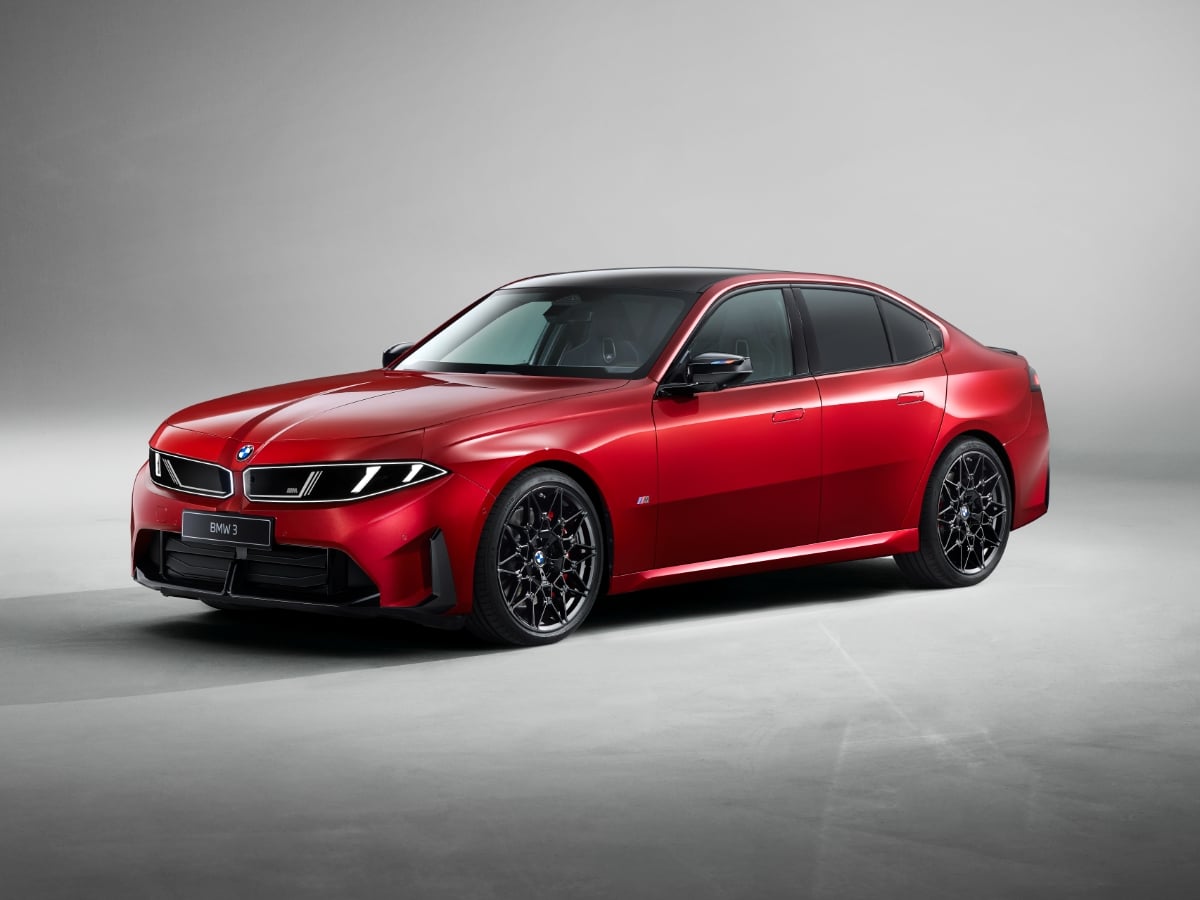
Part of BMW’s Neue Klasse (new class) rollout of redesigned models, the 2027 BMW 3 Series is all-new and goes on sale in the first quarter of 2027.
Read the Full Article