
Most drivers agree that regularly checking tire health is essential. Numerous factors, like road and weather conditions, play a significant role in the wear and tear and the overall health of your tires. The gas you fill your tires with also plays a role.

Is nitrogen more effective than the good old regular air for tires? The jury is still out on this.
Today’s article will weigh the advantages and disadvantages of nitrogen vs. air for tires. We will consider the cost of maintenance, tire aging, maintaining pressure, and mixing the two. By the end of the article, you will be able to decide whether nitrogen is better for you than air or not.
But before we get into the whole nitrogen vs. air debate, there is a thing you need to keep in mind. Always maintain the required air pressure in your tires, whichever is your choice.
The air constitutes 78% nitrogen, 21% oxygen, and about 1% various gases. This means that nitrogen filling is, well, nitrogen without oxygen. Nitrogen stations are difficult to find compared to air stations which are almost readily available at every gas station. Nitrogen is made of more giant molecules than air, preventing it from permeating through the rubber tubes at the rate normal air does.
For example, if the car is in regular use, you will need to get the normal air refilled every week or ten days, depending on the vehicle and the driving conditions. However, tires filled with nitrogen can last up to a month before you hit the refilling station again. Air is free or can be refilled at a nominal rate, while it might be a little costly to maintain nitrogen filling. The cost might be a bit higher, but you won’t have the headache of constantly hitting the air station.
Nitrogen causes less wear and tear to the tires than air. Nitrogen is dry air without the presence of oxygen. It is free of moisture, leading to fewer temperature changes in the tires, which helps maintain tire condition over extended periods. This is highly beneficial for speed racers. Due to its properties, nitrogen is used in heavy vehicles, aircraft, racing cars, and heavy equipment. In the context of regular use, Nitrogen’s a good choice for long drives, rally racing, and driving in places with very high or low temperatures.
In the larger scheme of things, maintaining the correct air pressure in your tires is vital to the health of your car and your life. Nitrogen has a slight advantage over regular air here. Tires filled with nitrogen maintain the air pressure in those rubber tubes for a little longer than air. The simple science behind it is that the nitrogen molecules are a little larger, making it a little more difficult to escape from the tiny pores of the rubber tubes used in tires. However, maintaining the pressure in the tires and regular inflation checks are as important regardless of which gas you use. Over long periods, the difference isn’t that great, though. You will save extra cash by just filling up regular air.
The short answer is YES! There is no ill effect to topping nitrogen-filled tires with air or vice versa. It won’t cause any harm to your tires, but it is somewhat less effective than just sticking to nitrogen.
Looking at various performance parameters, nitrogen does have the upper hand. It helps maintain the pressure longer, it helps with the slow wear and tear of tires, and its proven use in heavy vehicles and aircraft does make it a preferred choice. However, on the flip side, considering the cost and the availability of nitrogen stations, it’s best to stick to good old air unless you’re driving a race car.


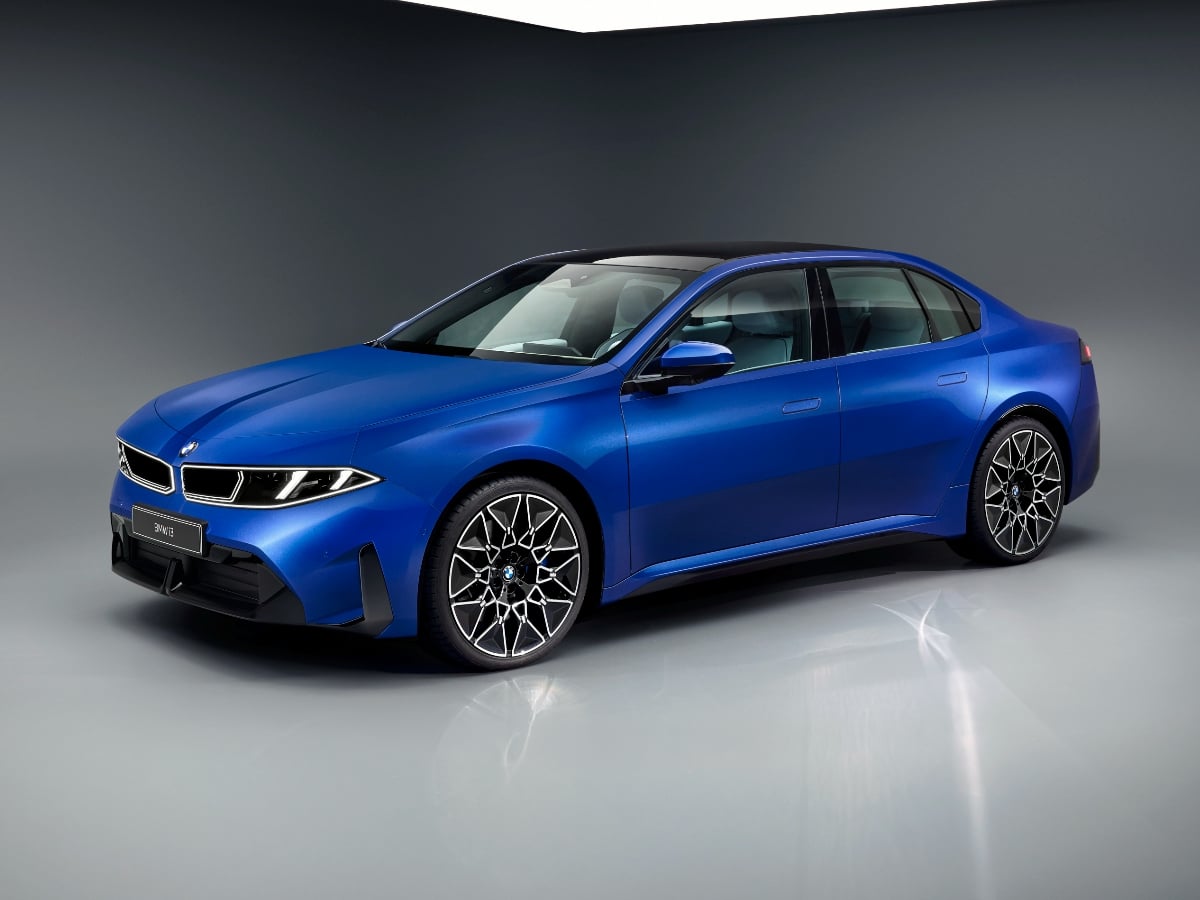
The new 2027 BMW i3 boasts an estimated range of up to 440 miles, 400-kilowatt DC fast charging capability, bidirectional charging to a home or the grid, and next-generation technology.
Read the Full Article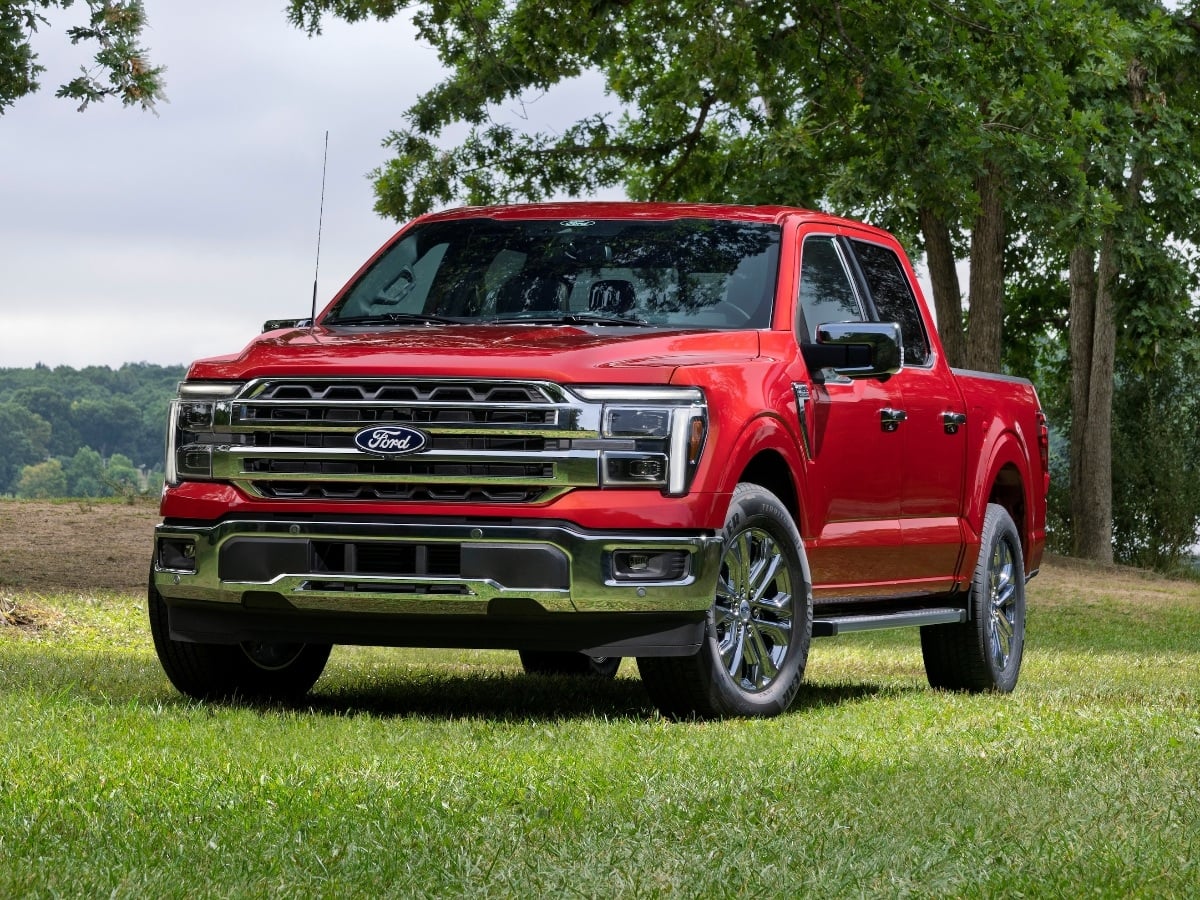
Facing renewed competition in the full-size, light duty pickup truck segment, the 2027 Ford F-150 receives subtle styling updates, a new standard engine, broader availability of its 5.0-liter V8, and ...See More
Read the Full Article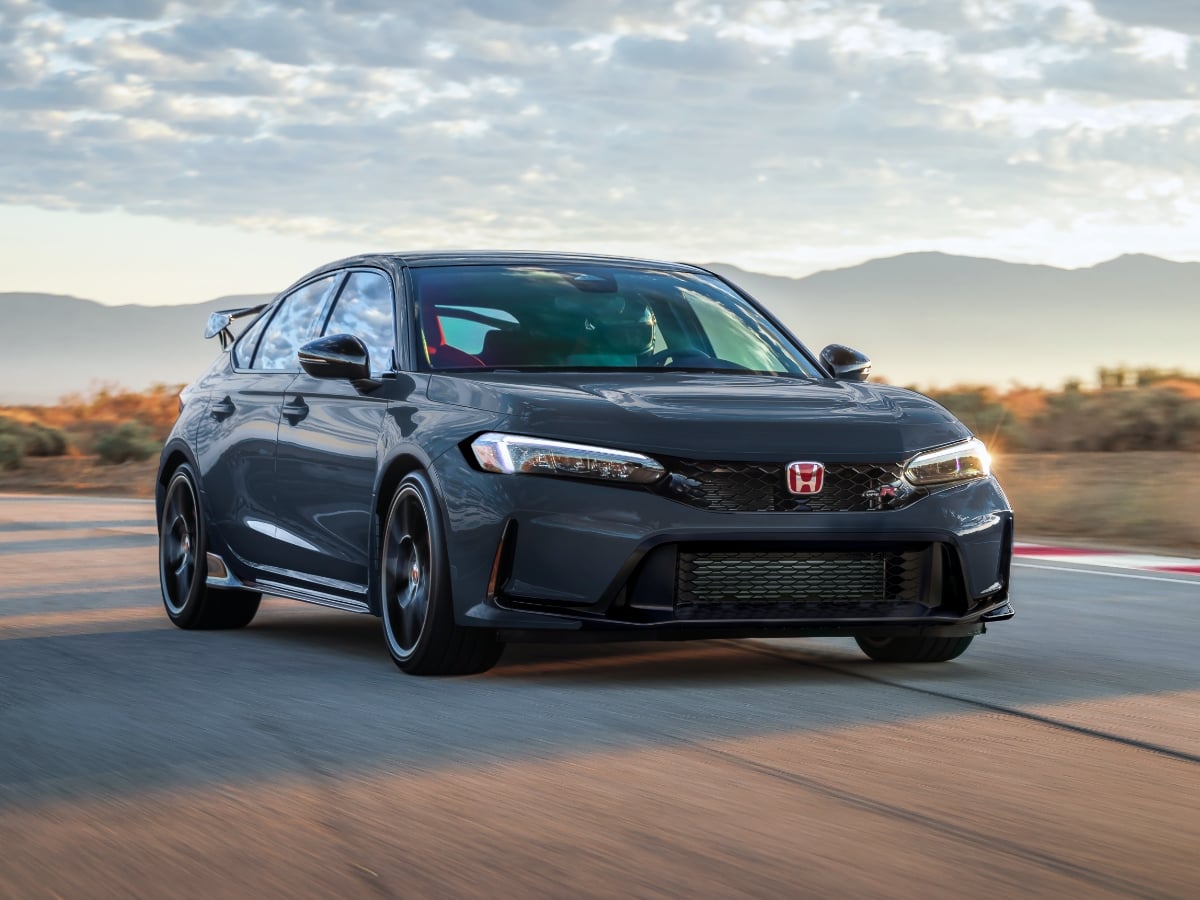
The 2027 Civic Type R goes on sale in October 2026, and it starts at $49,990, including the $1,295 destination charge.
Read the Full Article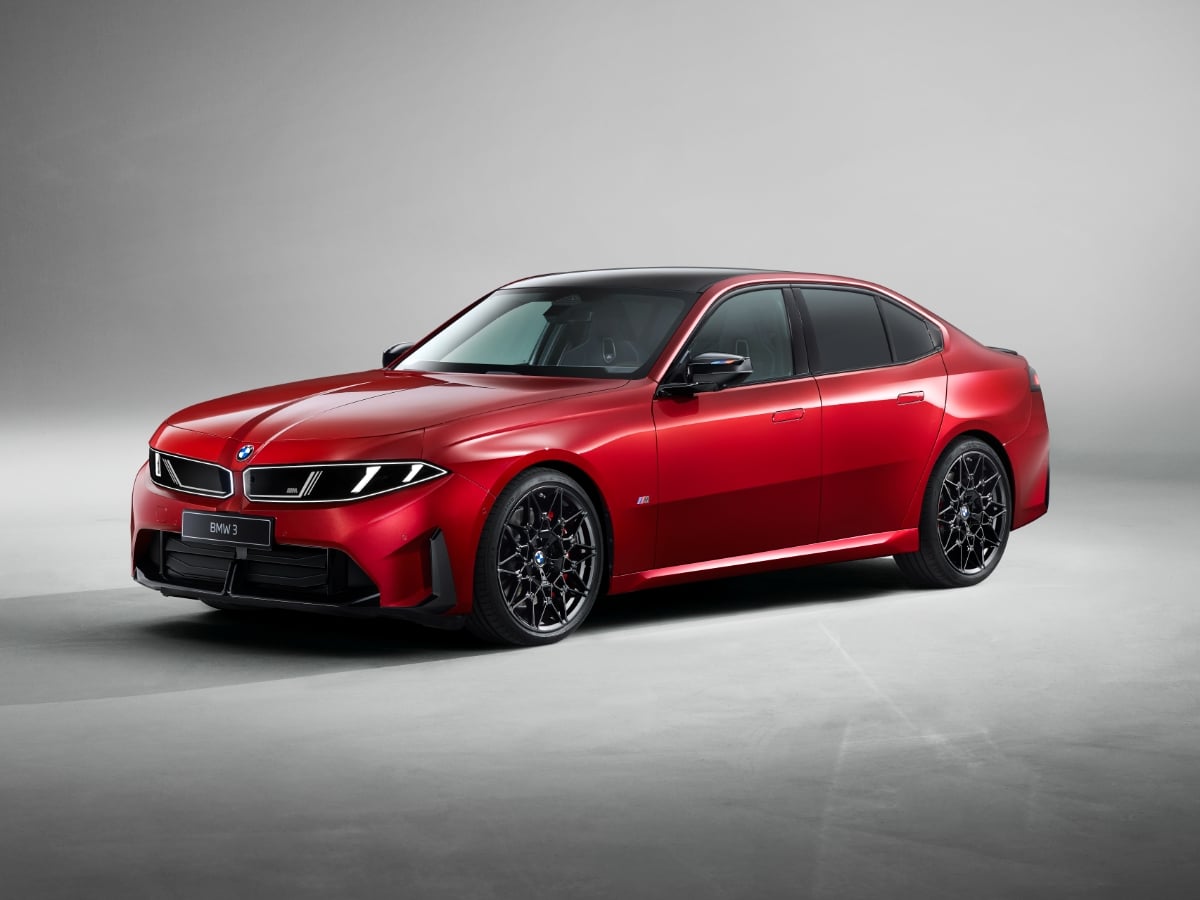
Part of BMW’s Neue Klasse (new class) rollout of redesigned models, the 2027 BMW 3 Series is all-new and goes on sale in the first quarter of 2027.
Read the Full Article