
When a consumer buys a new or used car from a dealer, they might be offered a pre-paid maintenance plan. This is not the same as an extended warranty or an extended service contract. A pre-paid maintenance contract is offered for new cars without a factory-backed maintenance plan and for used cars sold by the dealership. These plans cover, for a specific amount of time or mileage, the scheduled maintenance spelled out in the vehicle owner's manual.
To determine whether a pre-paid maintenance plan is right for you, consider the following list of pros and cons.
A dealer wants to sell a pre-paid maintenance plan to a customer to help ensure a steady stream of customers into the dealer's service department and to cultivate relationships with customers to retain their business for the next time they buy a new car. To make pre-paid maintenance plans more appealing, dealers offer the covered services at a discount compared to existing prices.
Paying for maintenance in advance means that the car owner's costs won't go up in years to come, adding stability to household budgets. Additionally, a pre-paid maintenance contract can be added to the amount the buyer is financing and rolled into the monthly payment, spreading fixed maintenance costs across the life of the car loan. By doing so, however, the buyer is effectively paying interest on the cost of the maintenance.
Busy car owners may prefer a pre-paid maintenance plan because it means they'll have one less thing to think about. If the maintenance is paid for, and it can only be performed at the dealer, and the dealer will notify the car's owner when it's time to have service performed, there are no decisions to be made.
While a pre-paid maintenance plan might simplify life, certain limitations exist. For example, in most cases, only the selling dealership can perform the pre-paid service. Such restrictions can sometimes add complexity to the car owner's life. Furthermore, dealership service departments are typically more expensive than franchised service providers or independent mechanics.
Except for detailed inspections and more extensive services at 30,000-mile intervals, modern cars require little more than oil changes and tire rotations. Most pre-paid maintenance plans do not cover wear-and-tear items, so when assessing the wisdom of purchasing one it is important to compare the cost of the contract against the manufacturer's service requirements and what those services would cost elsewhere.
Sometimes, pre-paid maintenance plans provide service on a different schedule than the manufacturer recommends. For example, the manufacturer might recommend oil change intervals of 3,750 miles for severe duty vehicle usage, or 7,500 miles for normal vehicle usage. A pre-paid maintenance plan might call for oil changes every 10,000 miles, with no provision for severe duty usage.
Before purchasing any pre-paid maintenance plan, a consumer must first know what is covered by the plan, what the manufacturer's recommended service intervals are, what the dealership will charge for those services on a pay-as-you-go basis, and how much those services cost at an independent mechanic. Only by researching this information and then comparing the cost of the pre-paid maintenance contract against what the same services will cost on an individual basis can a consumer make a smart decision about buying one, or passing on the opportunity.



The new 2027 BMW i3 boasts an estimated range of up to 440 miles, 400-kilowatt DC fast charging capability, bidirectional charging to a home or the grid, and next-generation technology.
Read the Full Article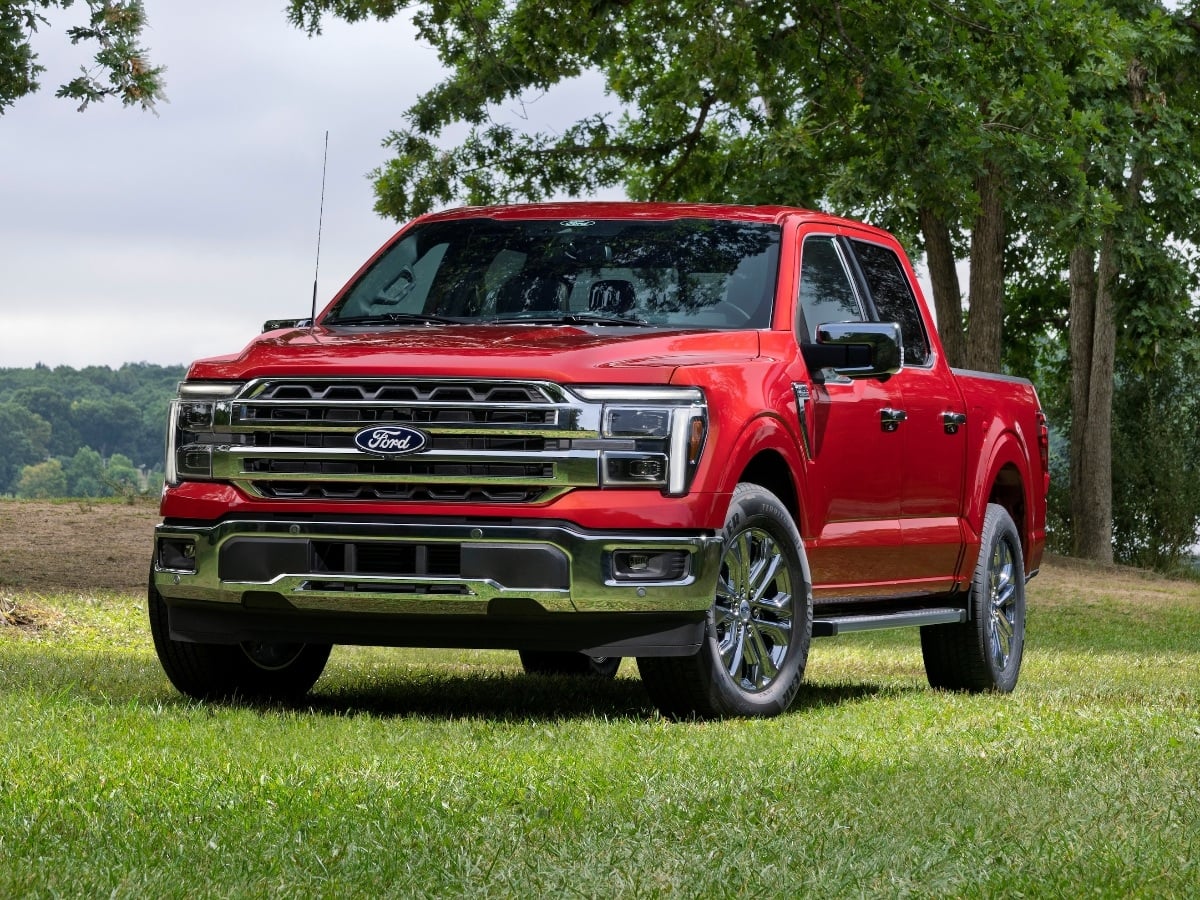
Facing renewed competition in the full-size, light duty pickup truck segment, the 2027 Ford F-150 receives subtle styling updates, a new standard engine, broader availability of its 5.0-liter V8, and ...See More
Read the Full Article
The 2027 Civic Type R goes on sale in October 2026, and it starts at $49,990, including the $1,295 destination charge.
Read the Full Article
Part of BMW’s Neue Klasse (new class) rollout of redesigned models, the 2027 BMW 3 Series is all-new and goes on sale in the first quarter of 2027.
Read the Full Article