
Polestar, the nascent electric vehicle automaker with Swedish roots, was set to debut its Precept concept car at last month’s Geneva Motor Show. Unfortunately, just 48 hours shy of its March 3 introduction, the auto show was unceremoniously canceled due to rising coronavirus concerns sweeping across Europe. Crickets have graced the stage since. That is, until this week when Polestar released full details about the Precept and how it will affect the brand’s growing portfolio. Like the rest of the lineup, the Polestar Precept is an electric performance vehicle, but its significance is more about the impetus for its existence rather than the battery packs lining its floor base.

“Precept” is essentially an ideology for Polestar showcasing its progressive commitment to design, sustainability, and innovation. This means what we see in the Precept – the technology, the aesthetics, the materials – will make their way into a future production vehicle. Whether a car, SUV, or spaceship, Polestar will let us know when it wants to let us know.
A subsidiary of Geely, which also owns Volvo, Polestar’s design language exudes Italian flair more than Swedish practicality. But Precept turns all of that on its head. The Polestar Precept is a design exercise that mashes together avant-garde styling, smart technology, and slender proportions. The final result is a vehicle that belongs neither in the future nor the present but rather somewhere in the REM dreamscape in between.
The exterior features no excessive protrusions or over-zealous character lines. Yet this restraint also commands attention. Large doors with flush handles offer easy entry and exit, the front spoiler is integrated to increase aerodynamics, and the 22-inch wheels are complemented by air ducts that improve air flow and the coefficient of drag.
Inside, there is plenty of room thanks to the Precept’s long wheelbase. High-gloss and matte surfaces interplay with sensor and lighting technologies. Materials are a mix of vegan, recycled, and composite sources. For example, the seats are made of 100% recycled PET bottles that have been 3D knitted, and carpets are woven from Nylon 6 fibers retrieved from fishing nets. Additionally, utilizing sustainable resources reduces the composite materials’ component weight by 50% with 80% less plastic used.
An absence of frivolous doodads lends the driver’s focus to the 9-inch information display, which, beyond the necessary vehicle information, also features an eye-tracking monitor. This system will adjust the font size and screen brightness based on when sensors determine the driver’s eyes are focused on the road (large, bright vitals) versus when they are focused on the display (smaller, comprehensive details).
A 15-inch, Android-powered infotainment system offers personalized settings authenticated via the Polestar Digital Key. Video streaming is available, but only when the vehicle is parked.
Without a rear window, the Precept relies on exterior cameras and sensors to send information regarding the vehicle’s surroundings to the interior mirrors. Eliminating the back glass allows Polestar to stretch the Precept by extending the rear roof beam toward the back of the vehicle. Style is not without substance, however, as this design means a larger tailgate opening and more rear headroom.
Other advanced technology includes the merging of Google Maps and the advanced driver assistance systems (ADAS) for improved safety and traffic predictions. And without the need for a traditional front grille, Polestar’s SmartZone takes the forward-facing spot to house the safety sensors and driver-assistance cameras.
Additionally, a LIDAR pod is positioned on the roof to provide greater visibility for future advanced tech. Although not as obvious as similar pods you’d see on current self-driving prototypes or geographic mapping vehicles, the Precept’s version is still a design bump on an otherwise sleek vehicle profile.
For more details and a thorough walk-around of the Polestar Precept, you can check out this video. Since no one’s been able to see this vehicle in person, for now this is as close as we’ll get to the future of Polestar.


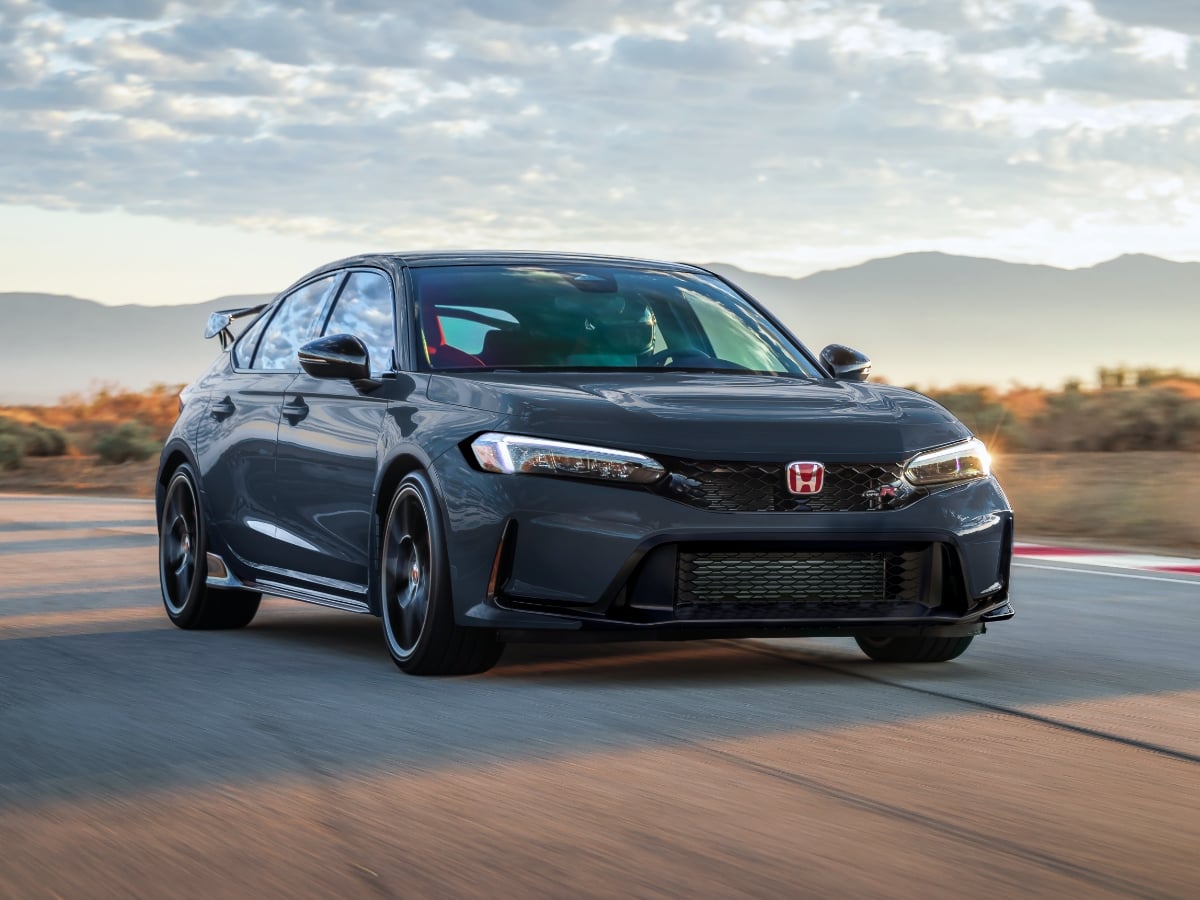
The 2027 Civic Type R goes on sale in October 2026, and it starts at $49,990, including the $1,295 destination charge.
Read the Full Article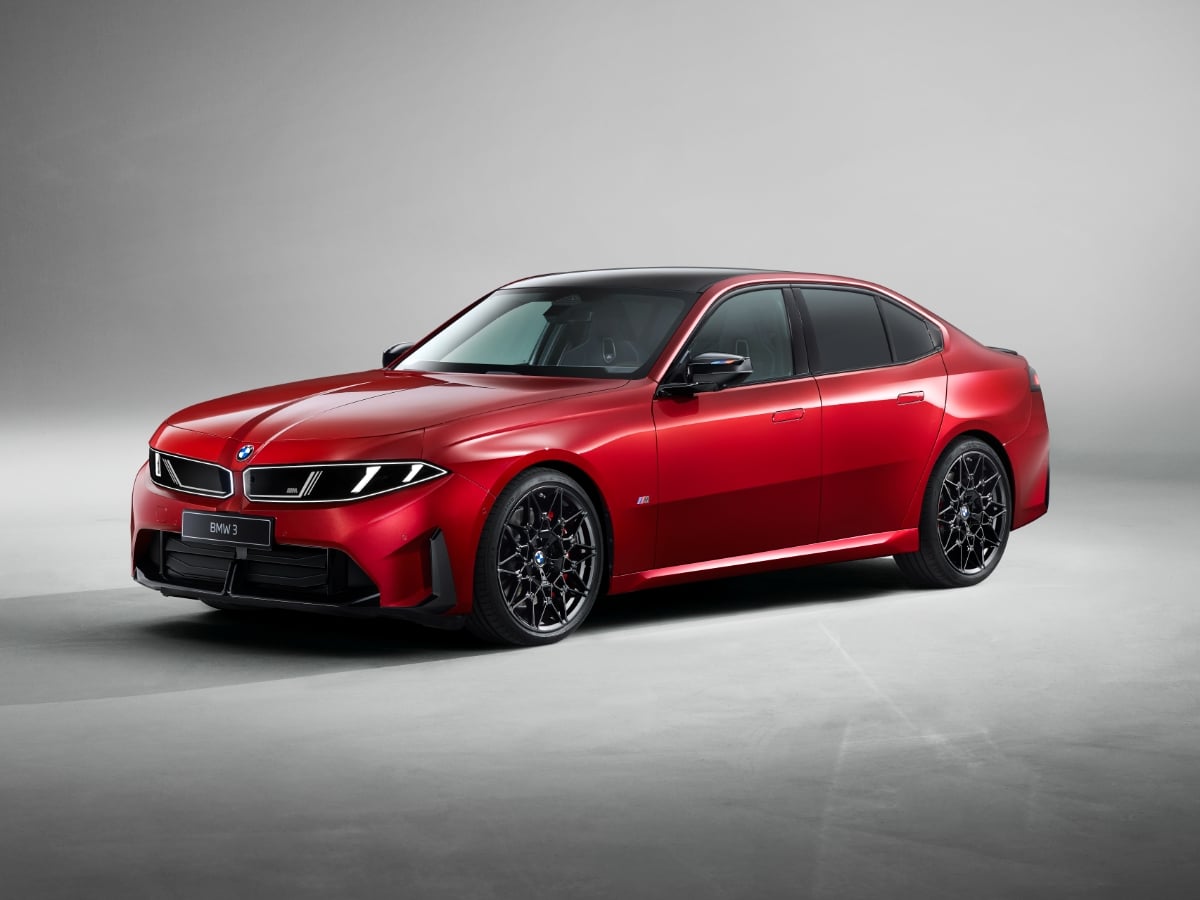
Part of BMW’s Neue Klasse (new class) rollout of redesigned models, the 2027 BMW 3 Series is all-new and goes on sale in the first quarter of 2027.
Read the Full Article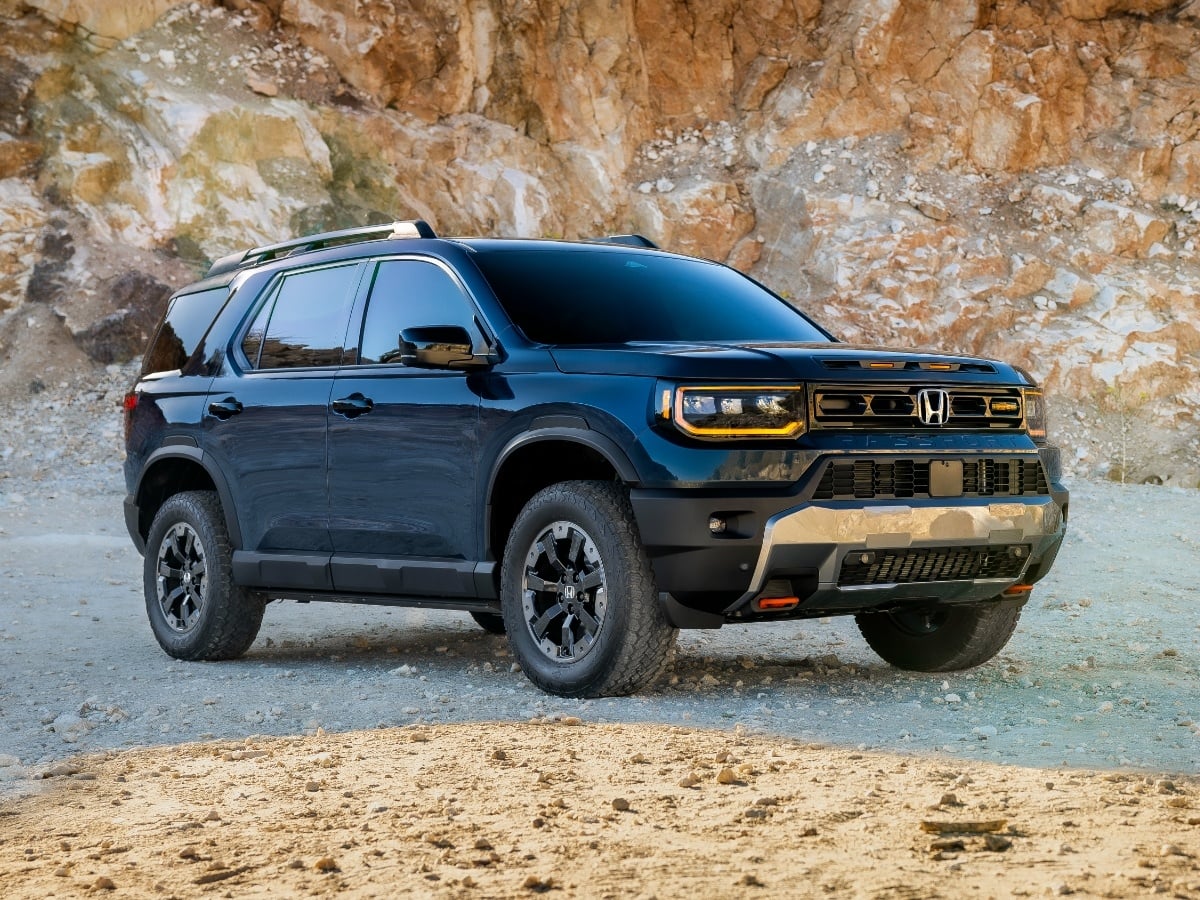
Updates to the 2027 Honda Passport TrailSport include a reworked suspension, improved steering, subtle styling enhancements, and added standard equipment.
Read the Full Article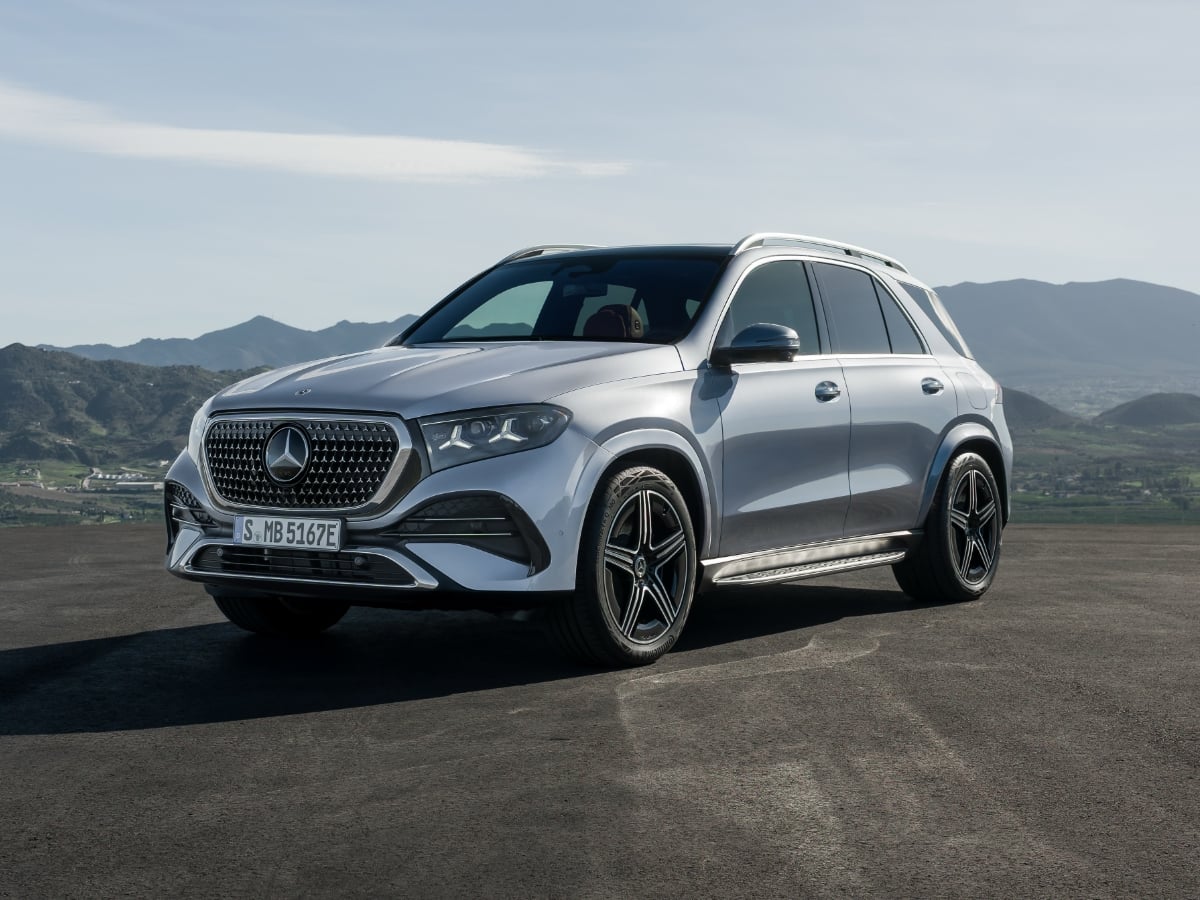
The midsize 2027 Mercedes GLE remains available in original and spicy Coupe recipes, now with standard 4Matic all-wheel drive (AWD), MBUX Superscreen technology, and a panoramic glass sunroof for ...See More
Read the Full Article