
Vehicle air conditioning is typically one of a car's most durable systems. Though it is often in use every day, a modern air conditioning system just keeps humming along providing cool air when you need it. And the heart of the air conditioning system, the AC compressor, is long-lived and hearty.
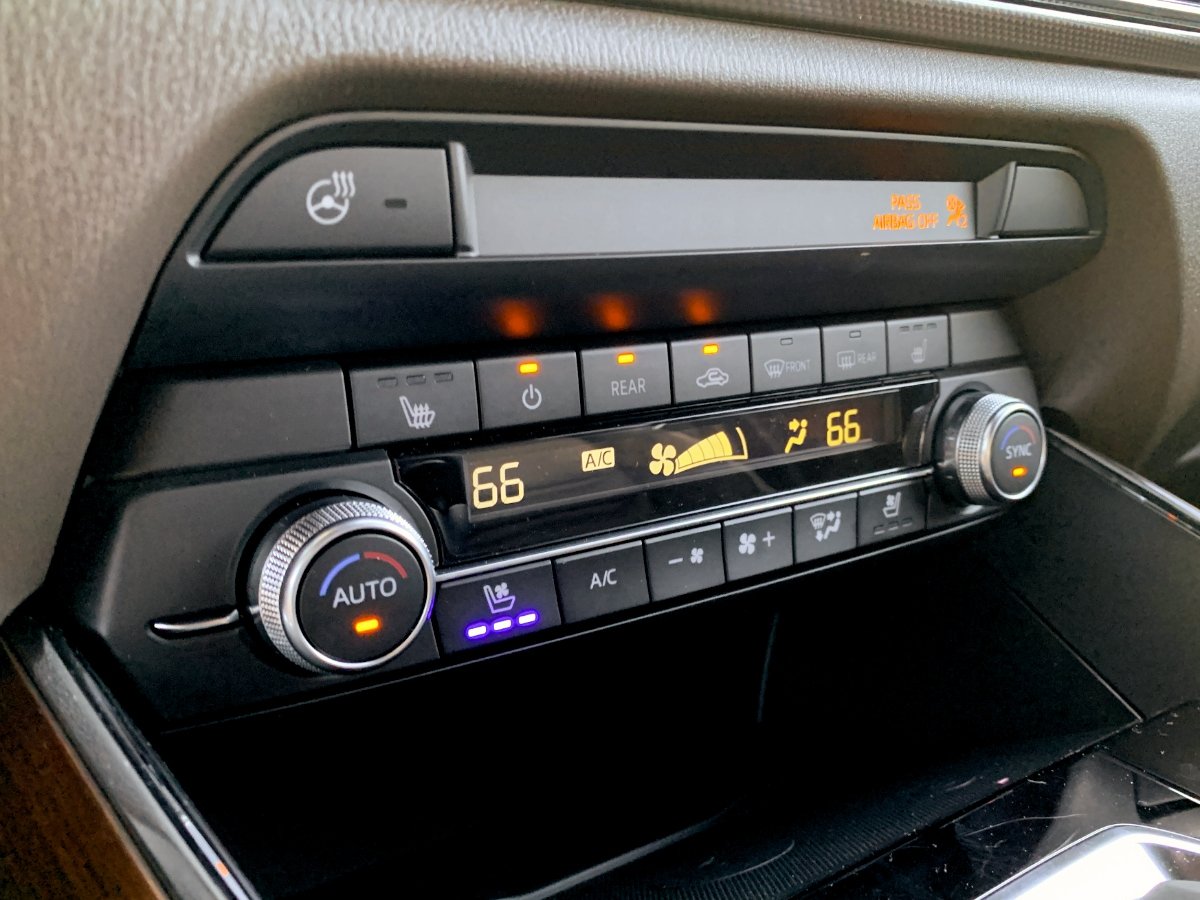
Fortunately, you almost always get clues that your air conditioning is about to fail. While sometimes AC simply stops working, most often the failure comes little by little and is accompanied by signs that something is going south. The following hints will help you to recognize a problem.
You might look at the air conditioning compressor as the heart of the air conditioning system in your car. In essence, the AC compressor performs for the system the same function that your heart does in your body—it provides the circulation of a precious fluid, the refrigerant, through the air conditioning system.
The compressor also compresses the refrigerant from a gaseous state to a fluid state, sending it to the condenser that acts as a "heat-exchanger" by removing the heat from the refrigerant. From there, the refrigerant goes to an expansion valve or "orifice tube," where it returns to its gaseous state.
An accumulator removes moisture from the refrigerant, and it is then transferred to the evaporator in the cabin of your vehicle, usually under the dash. There the cold refrigerant cools the air that passes by and through the evaporator, which resembles a small radiator. The cooler, drier air is then sent out to the vents into the interior of your car via a fan. Ah, no sweat.
One sign that the air conditioning system is having a problem is the relative coldness of the air coming from the vents in the interior of your car. If you have the air conditioning switched on, the temperature turned down, the fan cranked up, and the air coming out of the vents doesn't seem as cold as it used to, it may not be your imagination. It can be an early sign that something is wrong with your air conditioning system. The two most likely problems are a leak in the system that is causing it to lose refrigerant or a faulty AC compressor.
When your vehicle is making strange noises, it is never a good sign, and that is certainly the case when it comes to air conditioning. As previously mentioned, the AC compressor has the tough job of compressing and circulating the air conditioning refrigerant. It typically cycles on and off many times during daily driving, and it is filled with components that can fail over time.
Often, the AC compressor incorporates a sealed bearing, and that bearing can wear out or seize up, especially if the bearing lubricant leaks out. That could produce a high-pitched squeal or the grinding sound of metal-on-metal. If the bearing seizes (freezes up) it will typically result in the squealing of the drive belt that is suddenly unable to spin the compressor.
In some instances, AC compressors can be repaired. However, it is most often a better procedure to replace the faulty compressor with a new one. It is not only the most time-effective solution to the problem, but it will also most often result in a better, more durable repair.
The AC compressor has a clutch that is connected to the engine by a belt and pulley, and it can create problems too. By having a clutch, the compressor can cycle on and off rather than being in use the entire time you are underway. This results in less wear on the compressor and better fuel economy since the engine doesn't have to turn the compressor when it isn't needed to provide cool air.
A problem that can occur, however, is the failure of the compressor clutch. It can stick in the "on" position, which results in the compressor turning all the time you are driving. Or it can cease to function at all, which means the compressor is never engaged. Neither situation is good. While in some instances the clutch can be repaired, again the preferred fix is to replace both the compressor and clutch as a unit as typically both assemblies need to be removed to repair the clutch. So even if you are only repairing or replacing the clutch, you still have to spend money on labor costs to remove and reinstall the AC compressor. Therefore, it is more cost-effective to address both components simultaneously.
Make, model, and local labor rates impact AC compressor replacement costs. One can expect to pay approximately $650 to $850 for the part and another $160 to $200 for labor. As a result, the AC compressor replacement can easily surpass $1,000 making this a pricey repair. To get the best price, request estimates from multiple shops and keep in mind that a dealership is likely the most expensive option.
Depending on your automotive expertise, you may be able to conduct the replacement on your own. However, it is complicated and necessitates unique tools to execute. Since incorrect implementation can cause more problems and costs, an AC compressor replacement is best done by an experienced mechanic.
Given the cost of replacement, you may be wondering how to avoid or delay this expense in the first place. Although the regular wear and tear that causes AC compressors to fail is hard to escape, there are a few best practices to prolong the life of this important component:
An AC Compressor replacement could cost over $1,500, while a professional AC recharge may cost $150 to $300. If you are up for a DIY, a recharge kit will set you back $40 to $60.
The AC compressor is a vital part of your car’s air conditioning system and is essential to cooling the air inside the car’s interior. Along with the serpentine belt, refrigerant, and other components, the AC compressor is required for a properly functioning AC system. Although intended to be long-lasting, compressors do fail for various reasons. Keep an eye on the symptoms provided above and consider some best practices to extend the life of the compressor to postpone or prevent a costly repair.



The new 2027 BMW i3 boasts an estimated range of up to 440 miles, 400-kilowatt DC fast charging capability, bidirectional charging to a home or the grid, and next-generation technology.
Read the Full Article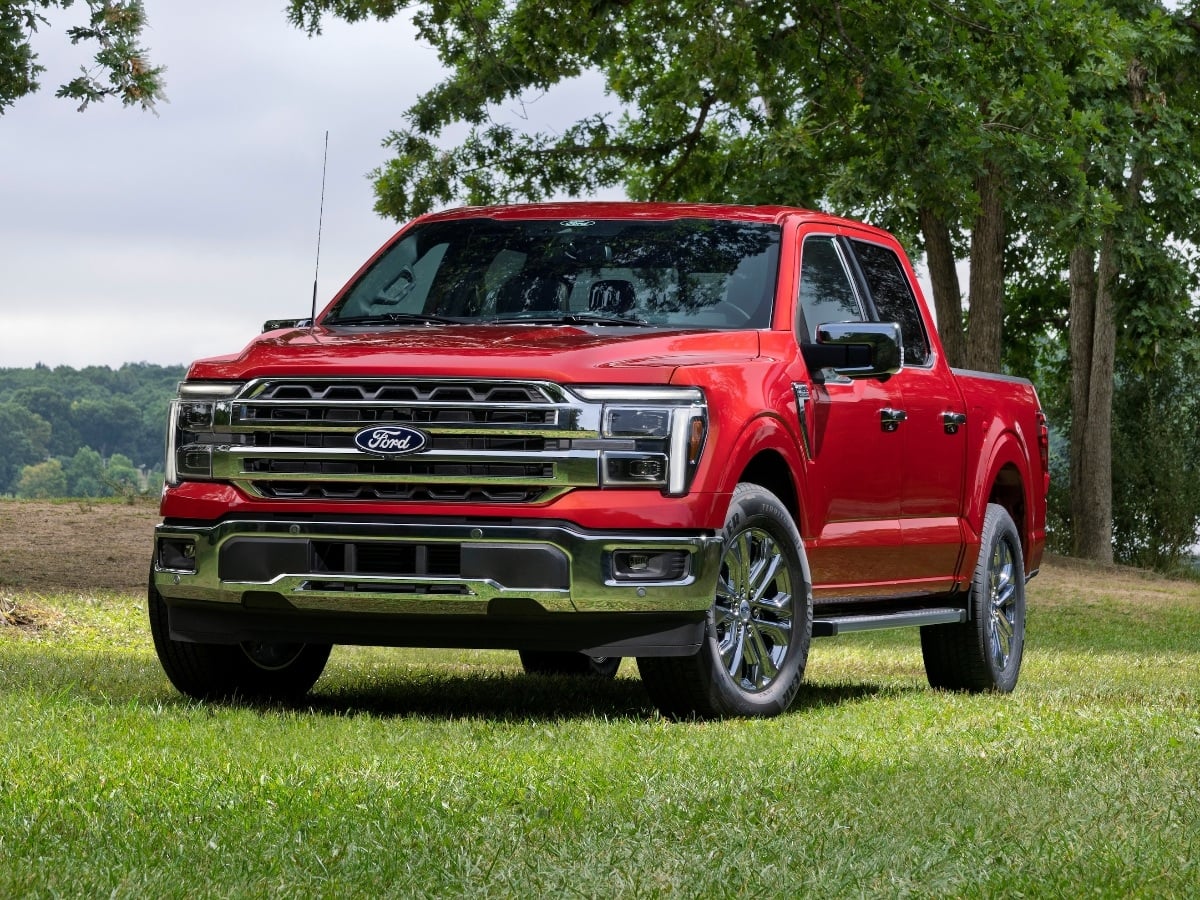
Facing renewed competition in the full-size, light duty pickup truck segment, the 2027 Ford F-150 receives subtle styling updates, a new standard engine, broader availability of its 5.0-liter V8, and ...See More
Read the Full Article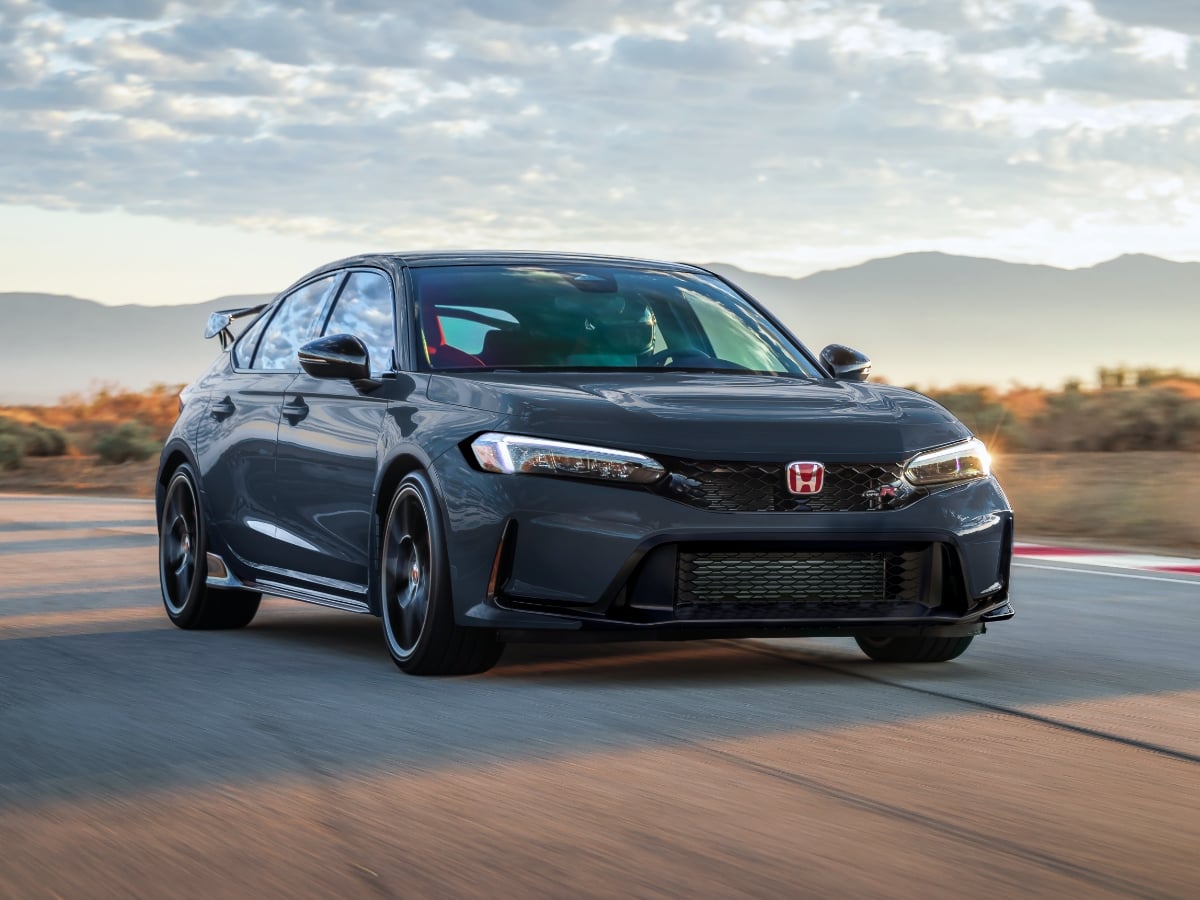
The 2027 Civic Type R goes on sale in October 2026, and it starts at $49,990, including the $1,295 destination charge.
Read the Full Article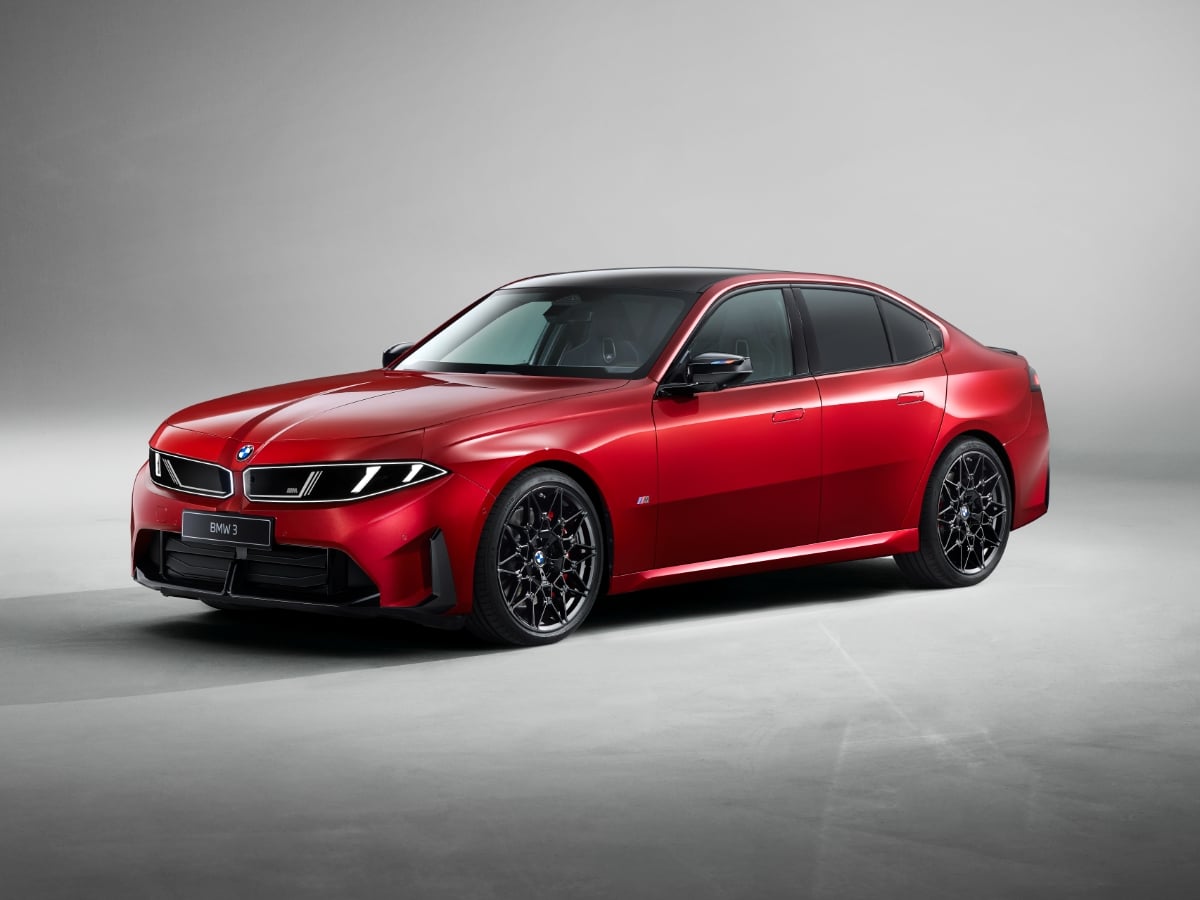
Part of BMW’s Neue Klasse (new class) rollout of redesigned models, the 2027 BMW 3 Series is all-new and goes on sale in the first quarter of 2027.
Read the Full Article