
Sometimes it isn’t worth the effort to sell a car in the marketplace or trade it in to a dealer. If the car’s value is low or it has too many necessary repairs, it may make more sense to sell it to a junkyard to recover some cost for minimal effort.

There are several ways to sell a car to a junkyard, or, what’s simply called junking it. This article outlines the general legal process, as well as other options that might be available.
Before heading to a junkyard, the car owner must ensure all the legal documentation for the vehicle is in order. Here are some examples:
Since the car is going to a junkyard and will no longer be driven, emissions testing and safety inspections are not required, and necessary repairs will no longer need to be made before the sale. This includes brakes, tires, or other critical components—normally, these are points of negotiation, but they’re not a concern when selling to a junkyard.
There are numerous services out there that offer to pay handsomely for a junk car. Some deal in scrap metal or catalytic converter value, others intend on selling parts second-hand (such as in a physical junkyard), or the service may have other plans for the vehicle. A car owner may not know the value of their vehicle to each of these services, so it’s a good idea to get multiple quotes and not go with the first offer received.
Here are some tips that car owners should keep in mind while negotiating with junkyards:
Before accepting an offer from a junkyard, car owners should do some research and find out the market value for various car parts. If the car is being sold for scrap metal value, it might be worth it to part it out.
Parting out is removing any component (also known as a part) of value and selling it to a private party, otherwise known as flipping it. If the car’s bumpers are in good condition, those could be of value to someone with the same make, model, and generation of car. This also goes for an aftermarket set of wheels, aftermarket components in general (cold-air intake, high-flow exhaust system, upgraded headlights, etc.), or any other potential item of value.
A quick way of figuring which parts may be valuable is searching on eBay, Craigslist, and other second-hand selling platforms. For example, researching parts sales for a 2002 Audi S4 using search terms such as “2002 audi s4 X (headlight, ECU, wheel, turbo, etc.)” could provide an idea of which parts command the highest prices on the used market.
Once a car owner has decided where they will sell their vehicle, they need to take a few last steps before handing it over to the company.
If selling to a junkyard is still more work than the money received is worth, a car owner could donate the car to charity. Donating the car may not be a cash-in-hand scenario, but it could provide a sizable deduction on the owner’s tax return.
Selling a car to a junkyard can be an easier way to dispose of a vehicle that does not have a high enough value to merit the trouble of selling it on the marketplace. But before deciding where to sell it, car owners should research the process to ensure they meet all the legal requirements, that their identity is protected, and that the sale is as trouble-free as possible.



The new 2027 BMW i3 boasts an estimated range of up to 440 miles, 400-kilowatt DC fast charging capability, bidirectional charging to a home or the grid, and next-generation technology.
Read the Full Article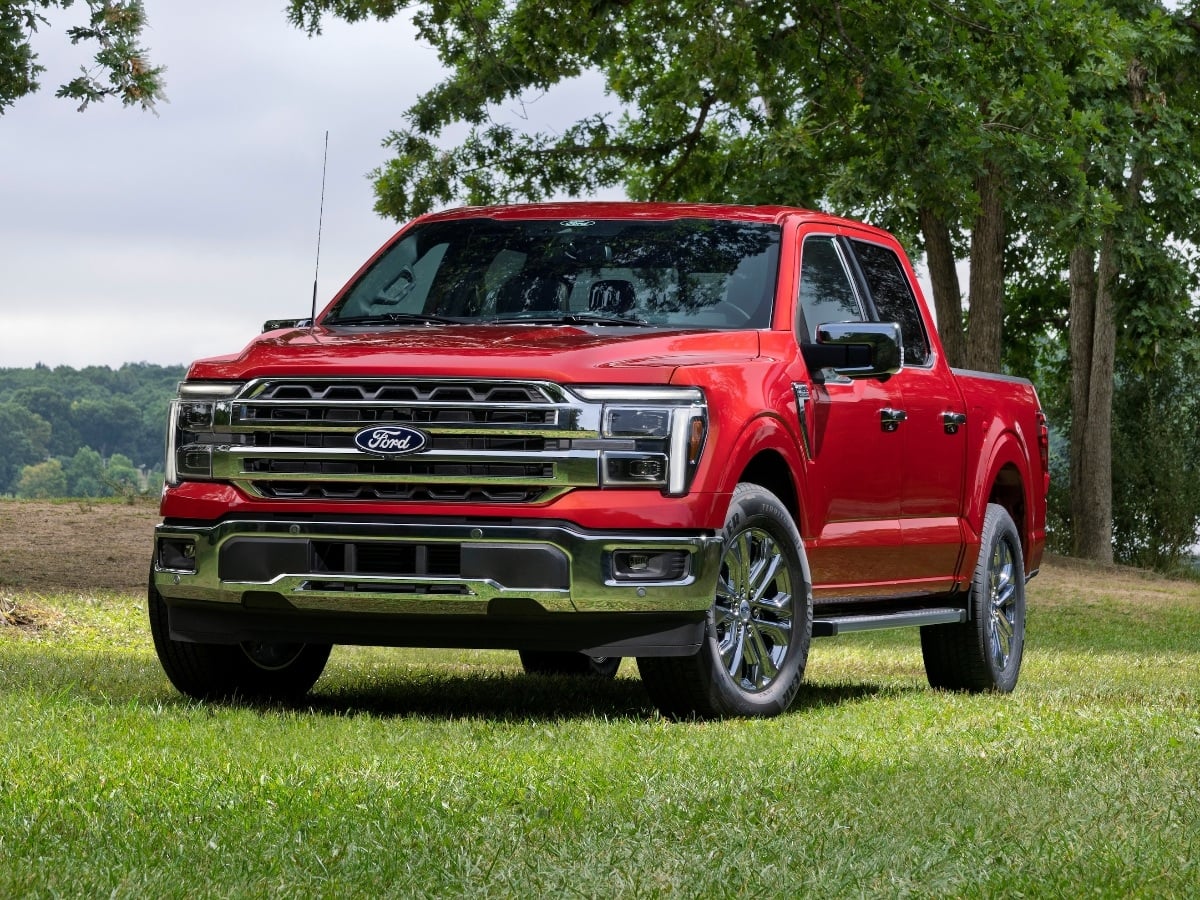
Facing renewed competition in the full-size, light duty pickup truck segment, the 2027 Ford F-150 receives subtle styling updates, a new standard engine, broader availability of its 5.0-liter V8, and ...See More
Read the Full Article
The 2027 Civic Type R goes on sale in October 2026, and it starts at $49,990, including the $1,295 destination charge.
Read the Full Article
Part of BMW’s Neue Klasse (new class) rollout of redesigned models, the 2027 BMW 3 Series is all-new and goes on sale in the first quarter of 2027.
Read the Full Article