
Selling a car to a private buyer has its benefits and its drawbacks. On the one hand, you can usually get a better deal. Car dealerships need to turn a profit on trade-ins, so they’re likely to offer less than a private buyer is willing to pay.

On the other hand, a private sale is not without its downsides. The most challenging aspect for most prospective sellers is all the paperwork that goes along with transacting the sale and legally transferring ownership.
Every state has its own guidelines and bylaws for selling a vehicle. Fortunately, selling a car in Virginia isn’t very difficult.
Here’s a thorough overview of everything you need to do to sell a car in Virginia.
Depending on what part of Virginia you reside in and what type of vehicle you drive, you will likely need an emissions inspection to sell your car. This is a legal requirement for all gas-powered cars that are less than 25 years old and for most diesel vehicles as well.
If a vehicle was produced in 1997 or later and is registered in northern Virginia, you’ll need an inspection. Northern Virginia refers to Arlington, Fairfax, Loudoun, Prince William, and Stafford counties. It also includes the cities of Alexandria, Fairfax, Falls Church, Manassas, and Manassas Park.
Hybrid vehicle owners are subject to slightly different requirements. Most hybrid vehicles are exempt from Virginia’s standard emissions inspections - instead subject to the RAPIDPASS system.
Once you have completed (and passed) an emissions inspection, you will need to prepare your title. You will need a clean title in order to sell your vehicle. A clean title has no tears or damage, has legible and accurate listed information, and is a title with no lien on it.
If you do not own your car outright and have a lien on your vehicle, you’ll have to resolve that balance before making the sale. This also means waiting for a new title to be issued, so it’s best to try to pay off your lien as soon as possible to avoid any complications.
If your title is lost or stolen, the DMV can issue you with a replacement title. To order a replacement, you’ll have to fill out an Application for Replacement of Substitute Title, DMV form VSA 67.
In the event of joint ownership, form VSA 67 will require the signatures of all owners.
These days, most savvy car buyers prefer to see a vehicle history report before they make a purchase. This report is inexpensive and will detail a record of any accidents, prior sales, and insurance claims the vehicle has been involved in. While anyone can run their own report, having one on hand can go a long way towards increasing buyer confidence.
Another thing many buyers desire is a safety inspection. They will likely want the inspection performed by a mechanic they know and trust. If you are being transparent about the condition of your vehicle, you should oblige this request. But unlike a vehicle history report, this is always paid for by the buyer.
With all the above-listed tasks in order, it’s time to advertise your car.
The easiest way to do this in today’s digital world is to use an online marketplace. If possible, try and list your car on two or three platforms since you’ll get exposure to more potential buyers. Provide the make, model, and year of the vehicle, as well as the odometer reading. Also, include several pictures of the car, so people have a good idea of its overall condition. Interior shots and engine shots are also helpful.
Make sure to include your email and phone number as well, so prospective buyers can get in touch with you.
Once you have received an offer you are satisfied with and found a buyer, you’re ready to close the deal. Once you have accepted payment, you’ll need to fill out the title.
Complete the seller’s section of the document and have the buyer fill out their information as well. Since this is a legal document, make sure to use your proper legal names to avoid any hassle with processing. You’ll also need to record the odometer reading at the time of the sale.
Unlike many other states, Virginia does not require a bill of sale to sell your car. That being said, a bill of sale is a legal record that proves the transaction was carried out. Therefore, it’s suggested that a bill of sale is created for the benefit of both the buyer and the seller.
It’s a good idea to fill out two copies: one for you, and one for the buyer. Make sure that both parties sign both documents.
Once these forms have been completed, you can hand over the keys, and ownership has officially been transferred to the seller.
But hold on to your license plates. These can be transferred to another vehicle, or turned into the DMV if you no longer own a car. License plates do not transfer when a vehicle is sold.
After the sale is complete, you’ll need to notify the DMV that you no longer own your vehicle. This can be done online or over the phone at (804)-497-7100.
Do not neglect to provide this notification. Failing to do so will leave the state of Virginia with no way of knowing you no longer own the car, and you could potentially be held liable for damage caused by the new owner.
In addition, if you have more than six months left in your registration period at the time of the sale, you can receive a partial refund on your registration fee. In order to redeem, you’ll need to return the plates along with a completed form FMS-210 to your local DMV office.


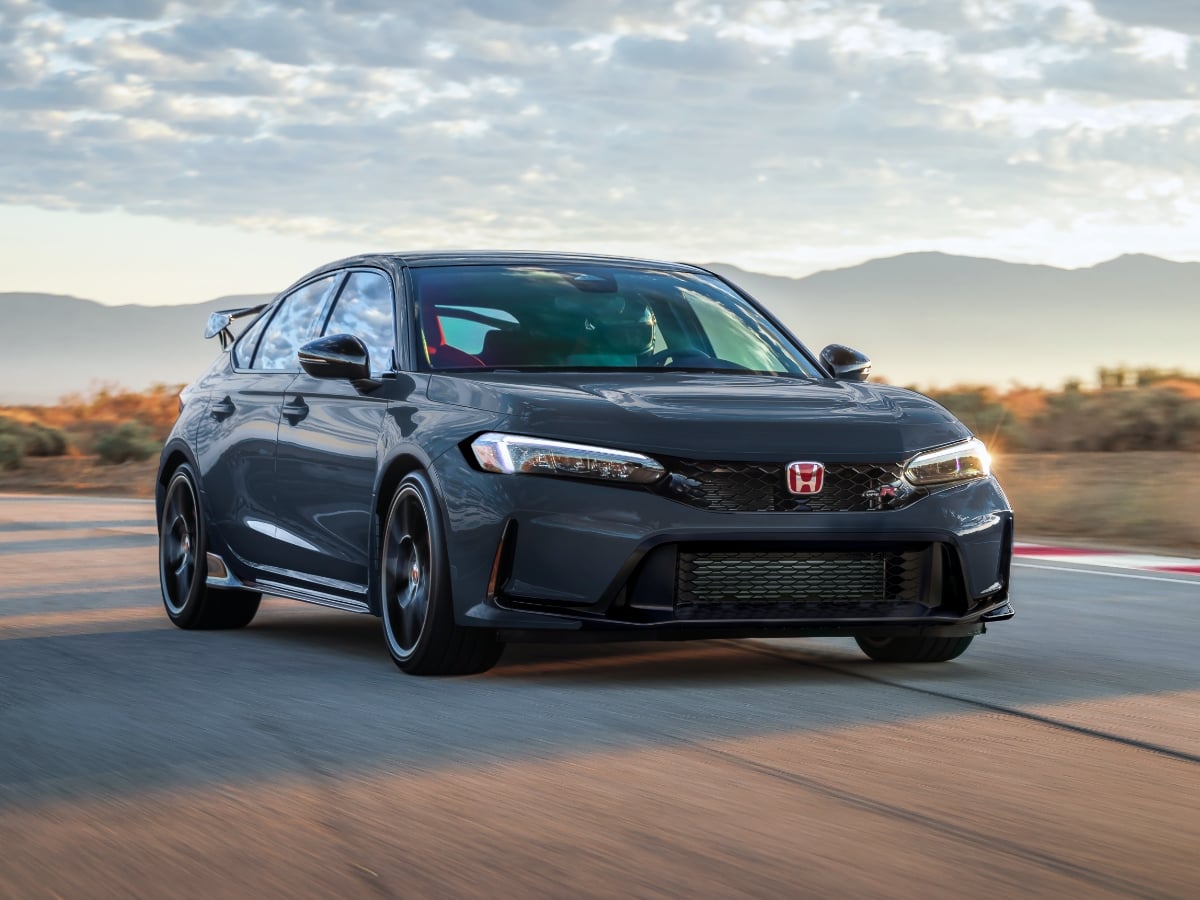
The 2027 Civic Type R goes on sale in October 2026, and it starts at $49,990, including the $1,295 destination charge.
Read the Full Article
Part of BMW’s Neue Klasse (new class) rollout of redesigned models, the 2027 BMW 3 Series is all-new and goes on sale in the first quarter of 2027.
Read the Full Article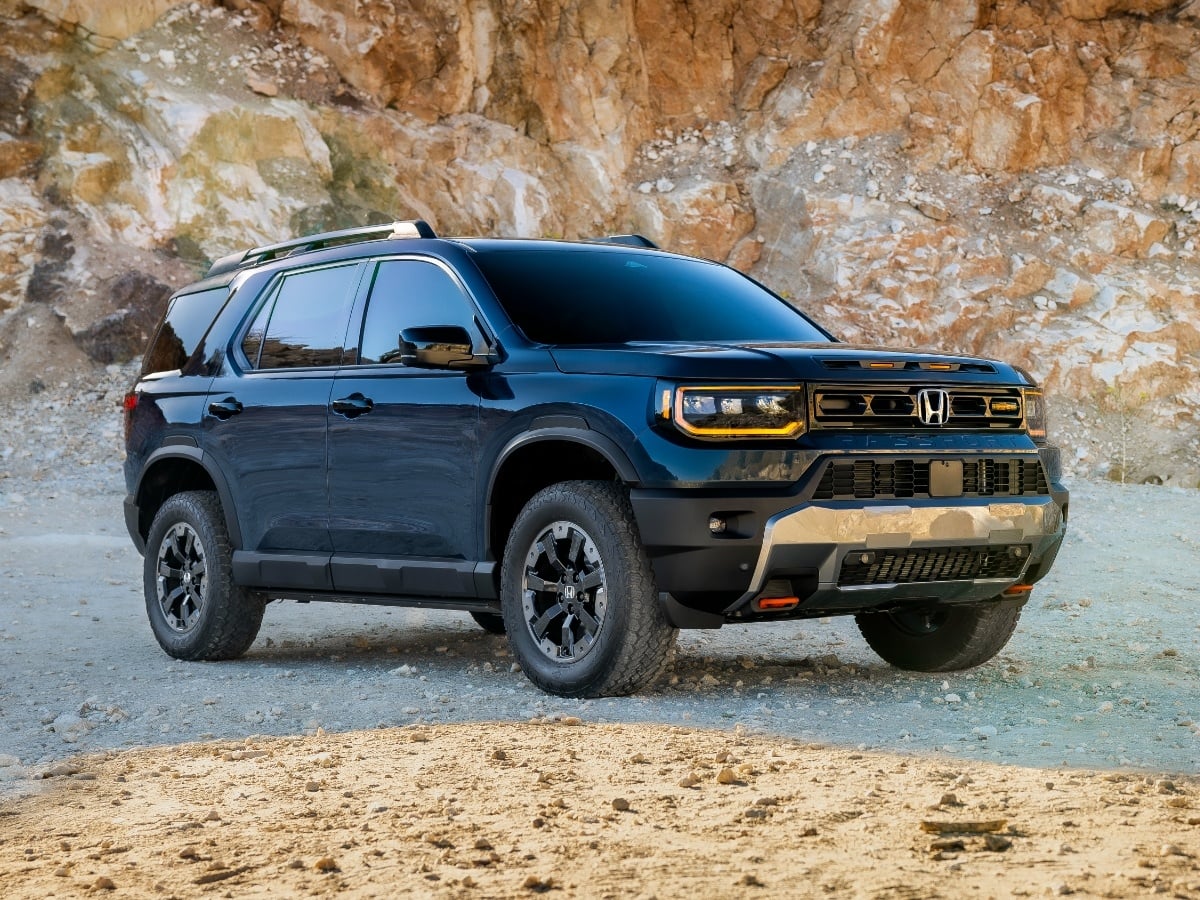
Updates to the 2027 Honda Passport TrailSport include a reworked suspension, improved steering, subtle styling enhancements, and added standard equipment.
Read the Full Article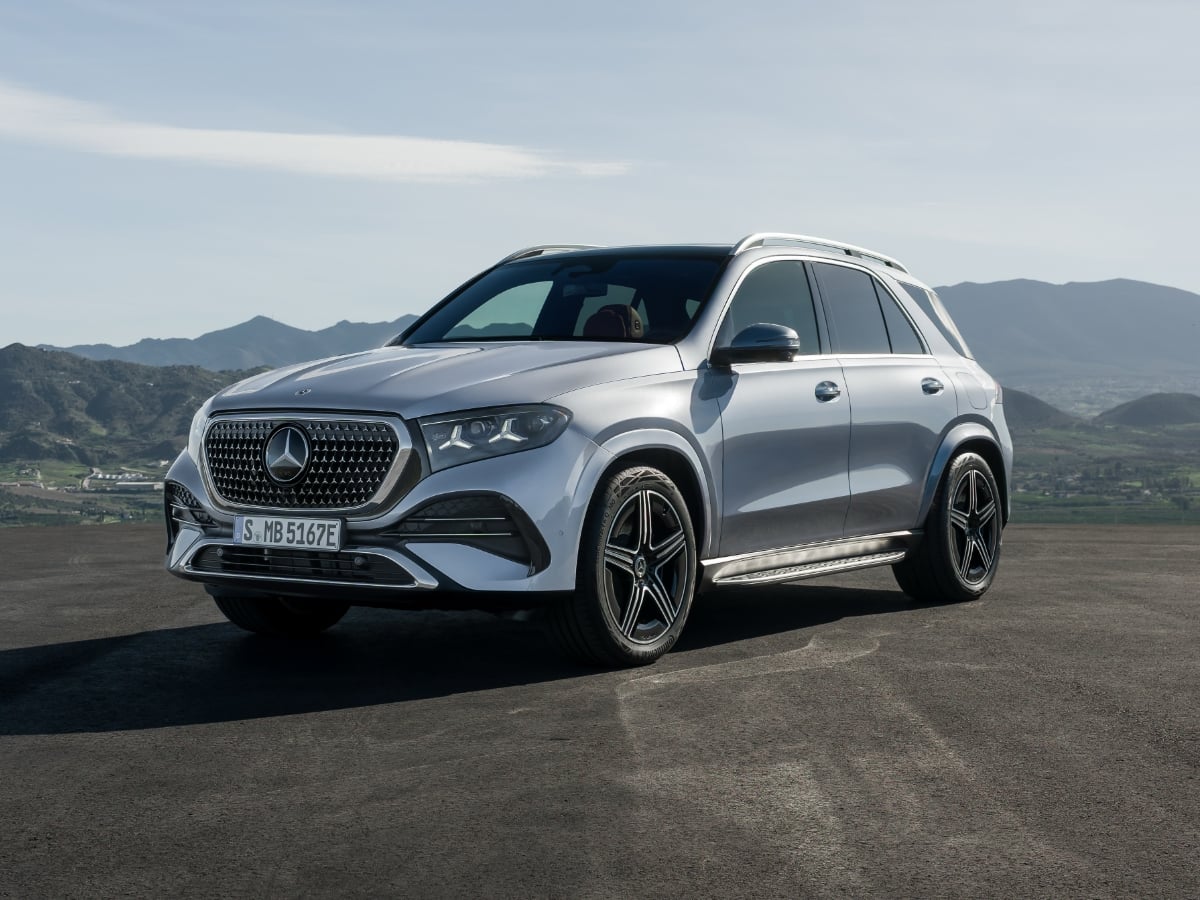
The midsize 2027 Mercedes GLE remains available in original and spicy Coupe recipes, now with standard 4Matic all-wheel drive (AWD), MBUX Superscreen technology, and a panoramic glass sunroof for ...See More
Read the Full Article