
A car’s battery powers everything from starting the ignition to running electronics. But over time, the battery can lose its charge and experience a dip in performance.

A typical sealed lead-acid (SLA) car battery, often called a “12V battery,” is designed to produce at least 12 volts when fully charged. However, as the cells inside a battery age and undergo repeated charging and discharging cycles, they become less efficient and lose some of their ability to hold a charge.
Usually, when a car battery cannot crank the engine anymore, it must be replaced with a new one. However, this may not always be necessary and can be costly. Learn how to bring a dead battery back to life through reconditioning and save money.
Not all car batteries can be reconditioned. The primary disqualifying reasons include visible signs of heavy corrosion and physical damage.
If the battery looks to be in good condition, check its ability to hold a charge. According to most manufacturers, a typical 12V car battery can last between three and five years under normal conditions. However, if properly taken care of, it is possible to extend the life of a battery beyond five years.
Car batteries are designed to remain at or as close to full charge as possible. When not in use, they naturally discharge over time at a rate of about 5% per month. The discharge rate is higher under extreme temperatures, such as summer heat or winter cold.
The cells will begin sulfating if the battery’s charge falls below 75% to 80%. The sulfation process causes a buildup of lead sulfate (PbSO4) crystals, causing a drop in battery performance. If left untreated for too long, these crystals will grow, become harder, and embed deeper into the battery, eventually making it unusable.
Reconditioning a battery that cannot hold a charge anymore is essentially de-sulfating, removing any lead sulfate crystals that have formed inside. Starting this process requires protective gear and the right equipment, including:
Motorists who want to rejuvenate a car battery with this method should always wear personal protective gear and work in a well-ventilated area. Once ready, the first step is to create a cleaning solution using baking soda and distilled water in a 2:1 ratio. The solution should form a white liquid paste.
Apply some paste to a toothbrush and scrub any lightly or moderately corroded sections on the battery. For more heavily corroded areas, use steel wool instead of the toothbrush. After removing the corrosion, rinse the terminals with fresh water, then dry them thoroughly with a towel.
Connect the multimeter to the battery terminals and check the voltage. A charged, healthy battery should give readings of at least 12.6V. If the battery produces less than 12.6V but more than 10V, the cells are partially sulfated but can be reconditioned. However, if the multimeter displays less than 10V, the sulfation process has progressed too far, and the battery should be replaced.
If the multimeter readings show the battery can be reconditioned, the next step is to extract it from the engine bay.
The interior of a typical car battery typically contains six cells and corresponding plate stacks, each inside its own compartment. Using a flathead screwdriver, remove the battery cover and the cell caps to access the cells.
Each cell should contain an electrolyte solution, also called battery acid. Electrolyte solution contains sulfuric acid and is highly corrosive; carefully pour it into a bucket, then add baking soda to neutralize it. Dispose of the neutralized solution at a recycling center that accepts hazardous waste.
Use the funnel to pour the soda and water solution inside each cell, then replace each cell cap and screw them back on. Shake the battery for several minutes to spread the cleaning solution. The baking soda and water will neutralize all remaining sulfuric acid inside the cells. After shaking, reopen the cell caps and pour the cleaning solution into a plastic bucket for disposal at a recycling center.
Pour about 4 cups of distilled water into a bucket, mix in 4 ounces of Epsom salts, then stir until the solution becomes clear. With the funnel, pour the water and salt solution into each cell.
With the cell caps still open, connect the battery to a charger and set it to charge for 12V at 2 amps for 24 to 36 hours. This controlled, slow-charging method is designed to de-sulfate the battery and restore its capacity.
Disconnect the battery from the charger, reinstall the cell caps and the cover, and test it with a multimeter. Reconditioned batteries should produce voltage readings between 12.4V and 12.6V. If the multimeter shows a lower value, repeat Step 6 for another 12 hours. Otherwise, the battery is ready to be reinstalled.
Once the reconditioned battery is reconnected, stress-test it by turning the key to ON or starting the vehicle in Accessory mode (ACC ON) without starting the engine. Then, turn the high beams on and check the luminosity.
A properly working battery should allow the headlights to stay on without dimming or flickering. Otherwise, it may hold a weak charge and must be charged longer.
Reconditioning is an effective solution to extend the lifespan of an existing vehicle’s battery. It can also potentially revive a battery on a recently purchased used car or truck, especially if it appears to have died unexpectedly.
Author: Corentin Bernard
Corentin’s passion for the automotive world started when he was just seven years old, during a life-changing visit to an auto museum. Now a seasoned writer, Corentin channels that early fascination into every piece he writes, whether he’s exploring the latest car trends or automotive history. But his expertise doesn't end there—he also brings his insights to topics like home improvement, the boating and yachting industry, personal finance tips, and cutting-edge tech.


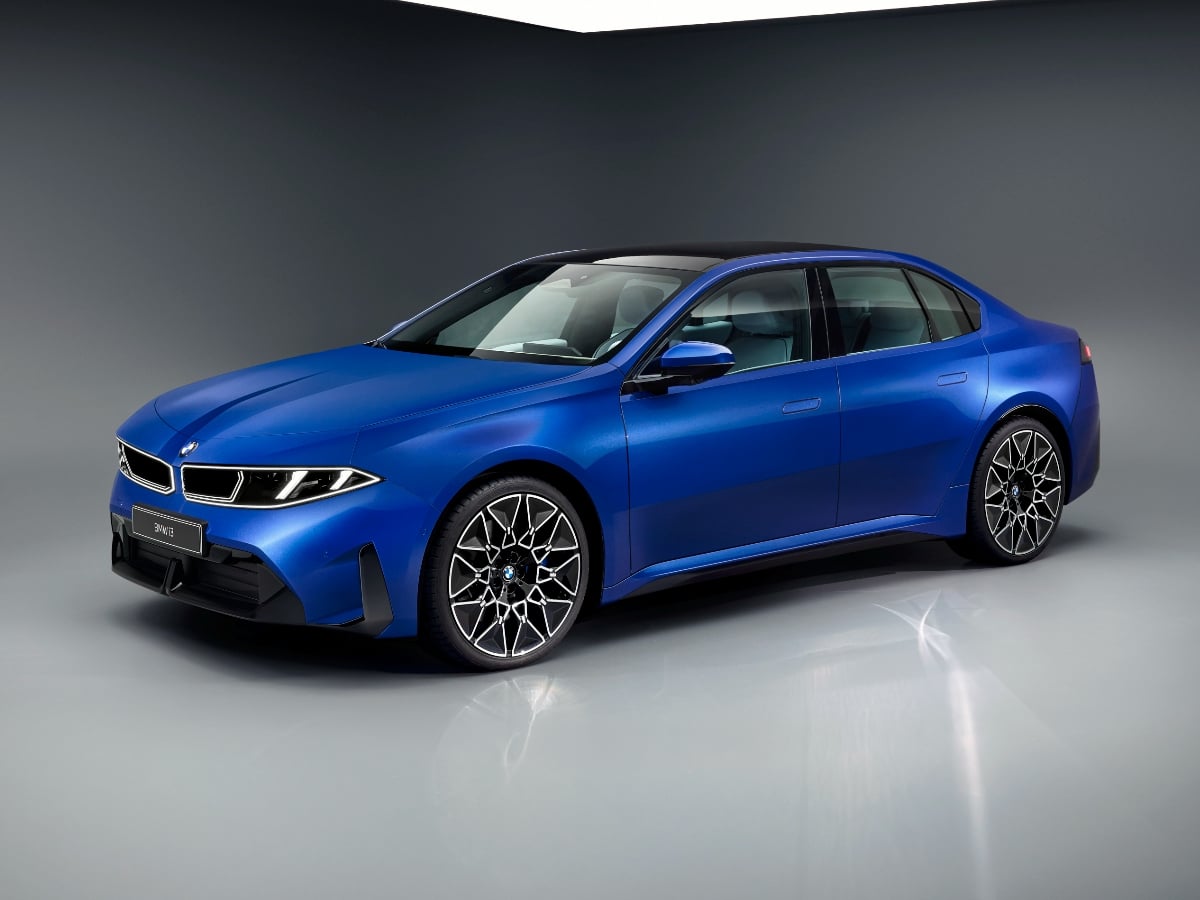
The new 2027 BMW i3 boasts an estimated range of up to 440 miles, 400-kilowatt DC fast charging capability, bidirectional charging to a home or the grid, and next-generation technology.
Read the Full Article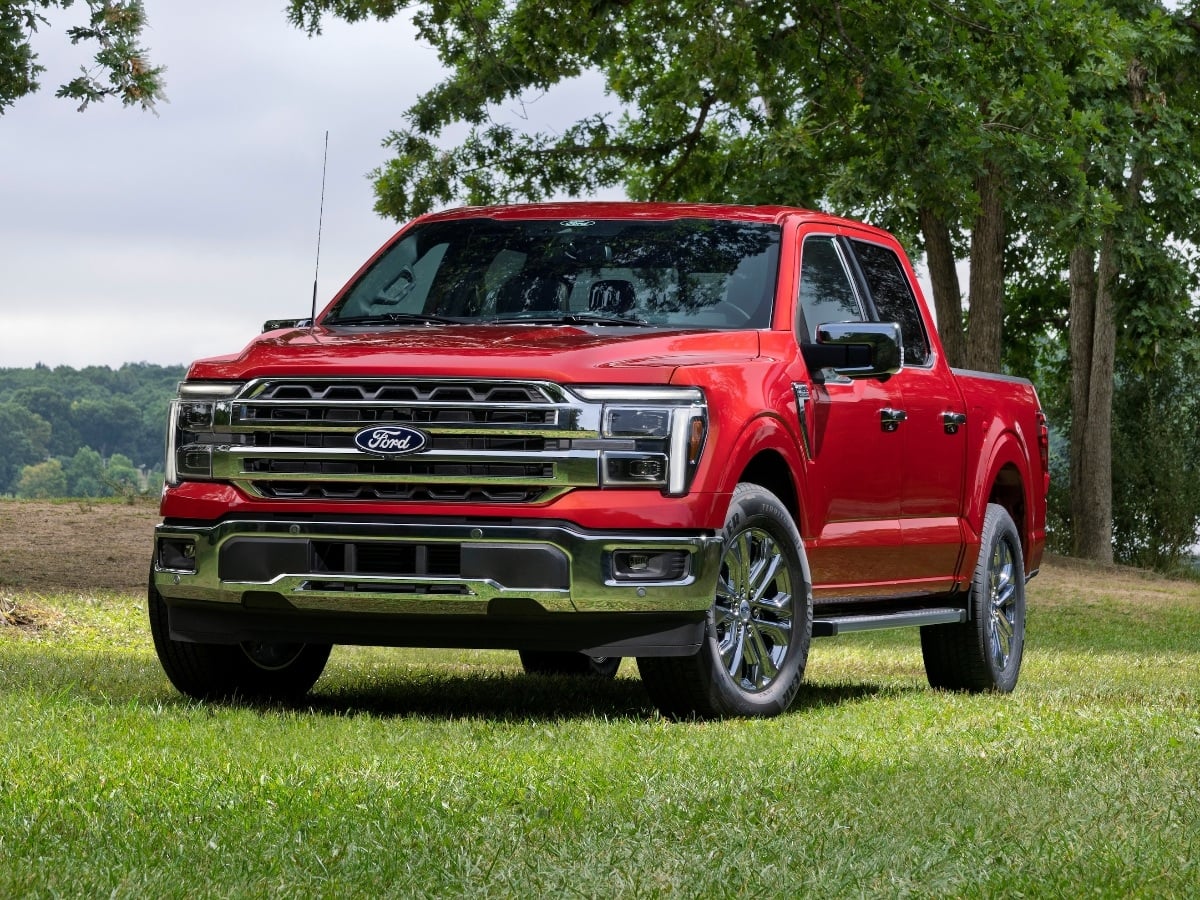
Facing renewed competition in the full-size, light duty pickup truck segment, the 2027 Ford F-150 receives subtle styling updates, a new standard engine, broader availability of its 5.0-liter V8, and ...See More
Read the Full Article
The 2027 Civic Type R goes on sale in October 2026, and it starts at $49,990, including the $1,295 destination charge.
Read the Full Article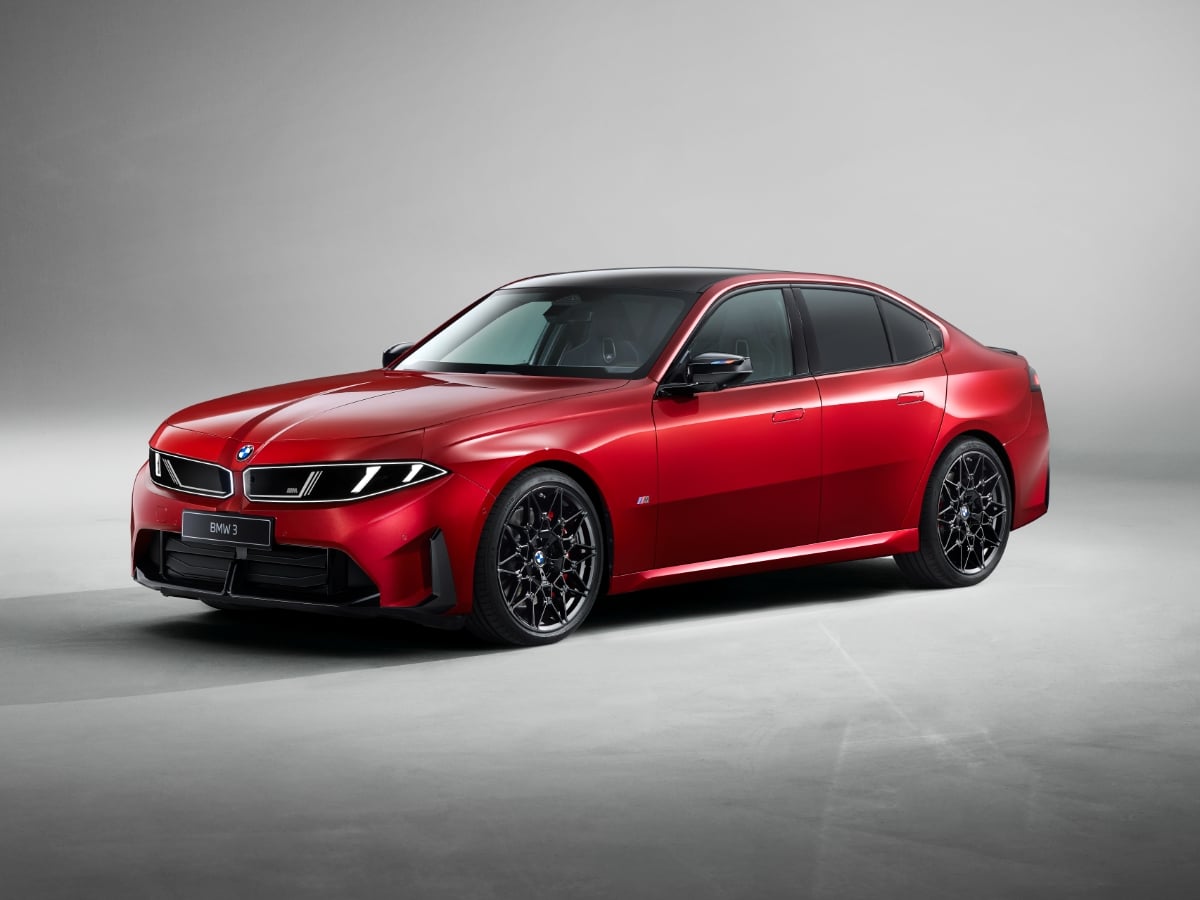
Part of BMW’s Neue Klasse (new class) rollout of redesigned models, the 2027 BMW 3 Series is all-new and goes on sale in the first quarter of 2027.
Read the Full Article