
A brake caliper is a vital part of the vehicle's braking system. It is pivotal in decelerating the wheels and bringing the vehicle to a halt. Let us understand their structure and function in detail.
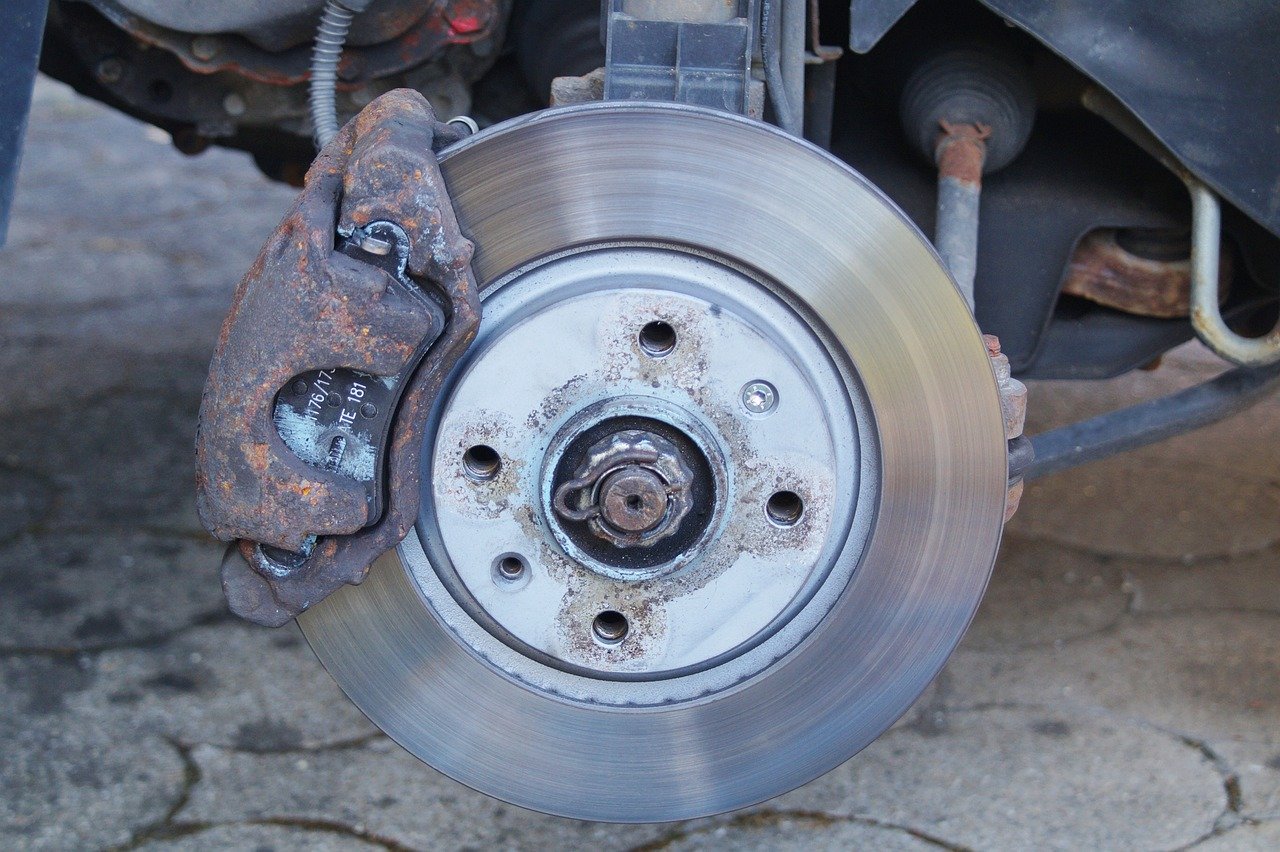
The braking system in a vehicle is a complex arrangement of components whose sole objective is to slow down or bring the vehicle to a complete stop. The system has the brake pedal, master cylinder, brake lines, brake calipers, brake pads, and brake rotors (also known as brake discs).
The brake caliper is a housing for the brake pads and is responsible for transforming hydraulic pressure into mechanical force. When the driver pushes the brake pedal, the hydraulic pressure from the master cylinder is transmitted to the brake caliper. As the hydraulic pressure reaches the brake caliper, it enters the caliper housing and exerts a force on the pistons inside. The pistons, typically made of metal or composite materials, respond to the hydraulic pressure by moving outward from their original positions within the caliper housing.
The outward movement of the pistons forces the brake pads to come into contact with the brake rotor on both sides. The brake pads, also made of friction material, grip the rotor tightly when pressure is applied. This action generates friction between the brake pads and the rotor, slowing down or stopping the rotation of the wheels.
The clamping force exerted by the pistons on the brake pads determines the effectiveness of the braking action. The more force applied, the stronger the braking power. This force is modulated by the driver's input on the brake pedal, allowing for varying degrees of braking force depending on the situation.
Once the brake pedal is released, the hydraulic pressure in the brake lines is reduced. As a result, the pressure inside the caliper decreases, allowing the pistons to retract back into their original positions.
The retraction of the pistons creates a gap between the brake pads and the rotor, effectively releasing the clamping force. With the brake pads no longer in contact with the rotor, there is no friction, and the wheels can rotate freely again.
The brake caliper is a sturdy component typically made of high-quality materials to withstand the forces and heat generated during braking. It consists of several key components, including:
In addition to these components, modern brake calipers often include advanced features, such as anti-rattle clips and electronic brake pad wear sensors, to enhance performance and safety.
There are three main types of brake calipers: floating calipers, fixed calipers, and sliding calipers.
Brake calipers are designed and engineered to meet the specific requirements of different vehicle types and applications. Passenger cars, sports cars, trucks, and motorcycles may have varying caliper designs based on weight, performance, and braking demands.
High-performance vehicles may use larger and more rigid calipers to handle the increased braking forces generated during aggressive driving. On the other hand, economy cars may have smaller and more lightweight calipers to optimize fuel efficiency and cost-effectiveness.
Some vehicles may also feature advanced caliper designs, such as multi-piston or carbon-ceramic calipers. Multi-piston calipers provide better control and more even pressure distribution. Carbon-ceramic calipers are lightweight and offer improved heat dissipation. This enhances their braking performance.
A brake caliper is an important part of a vehicle's braking system. It converts hydraulic pressure into mechanical force to slow or stop the vehicle. Its functioning involves the precise movement of pistons, which press the brake pads against the rotor, generating friction and decelerating the wheels. Constructed with sturdy materials and various components, brake calipers come in different types, such as floating, fixed, and sliding calipers, each offering distinct advantages and catering to specific vehicle types and performance requirements. The design and engineering of brake calipers are vital to ensure safe and efficient braking performance.


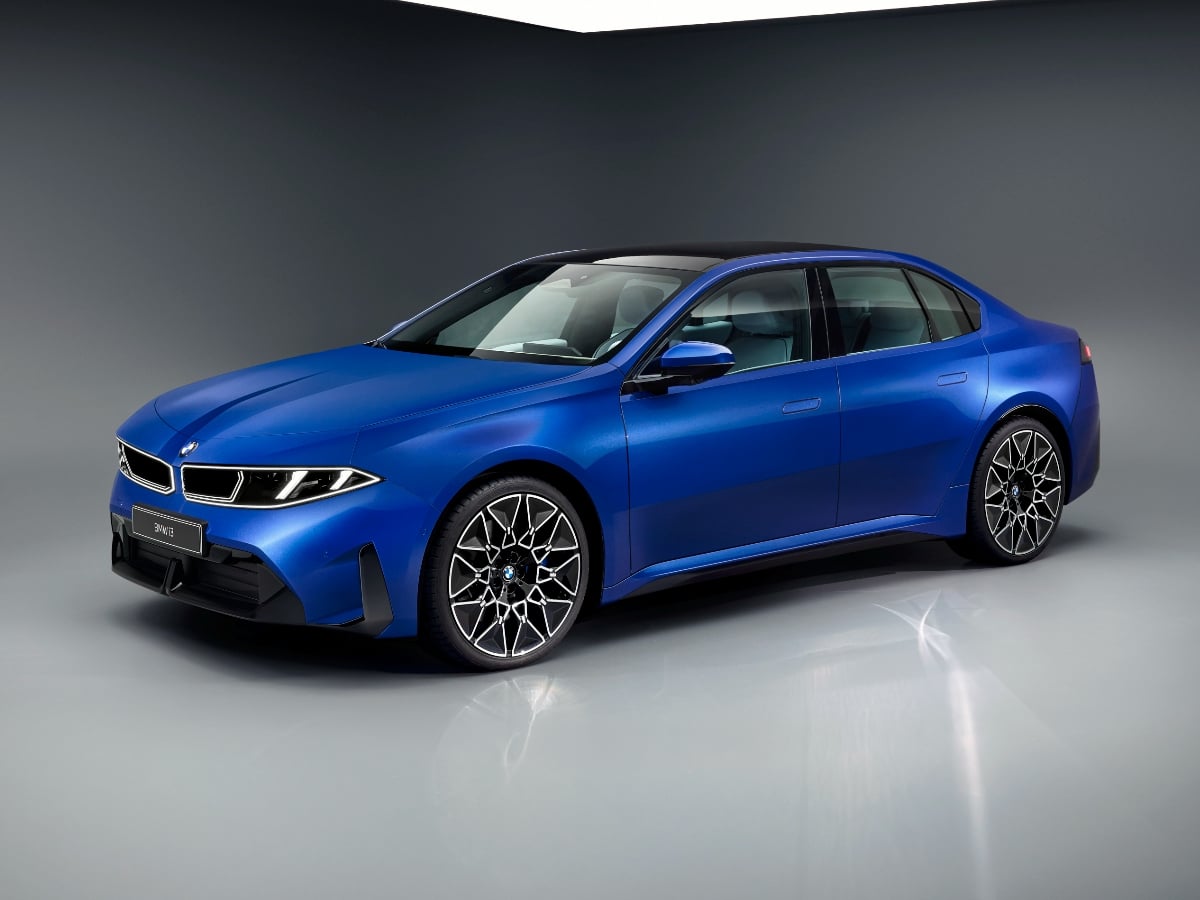
The new 2027 BMW i3 boasts an estimated range of up to 440 miles, 400-kilowatt DC fast charging capability, bidirectional charging to a home or the grid, and next-generation technology.
Read the Full Article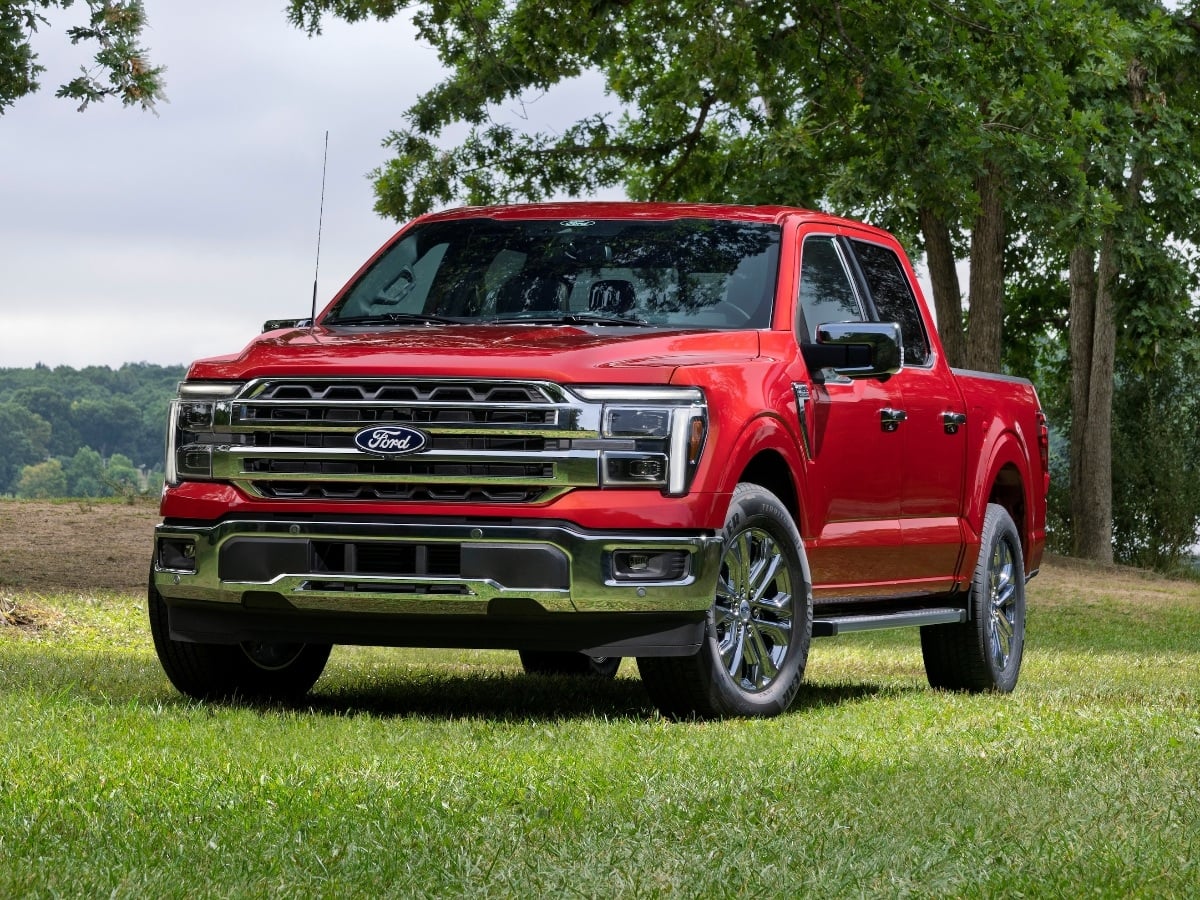
Facing renewed competition in the full-size, light duty pickup truck segment, the 2027 Ford F-150 receives subtle styling updates, a new standard engine, broader availability of its 5.0-liter V8, and ...See More
Read the Full Article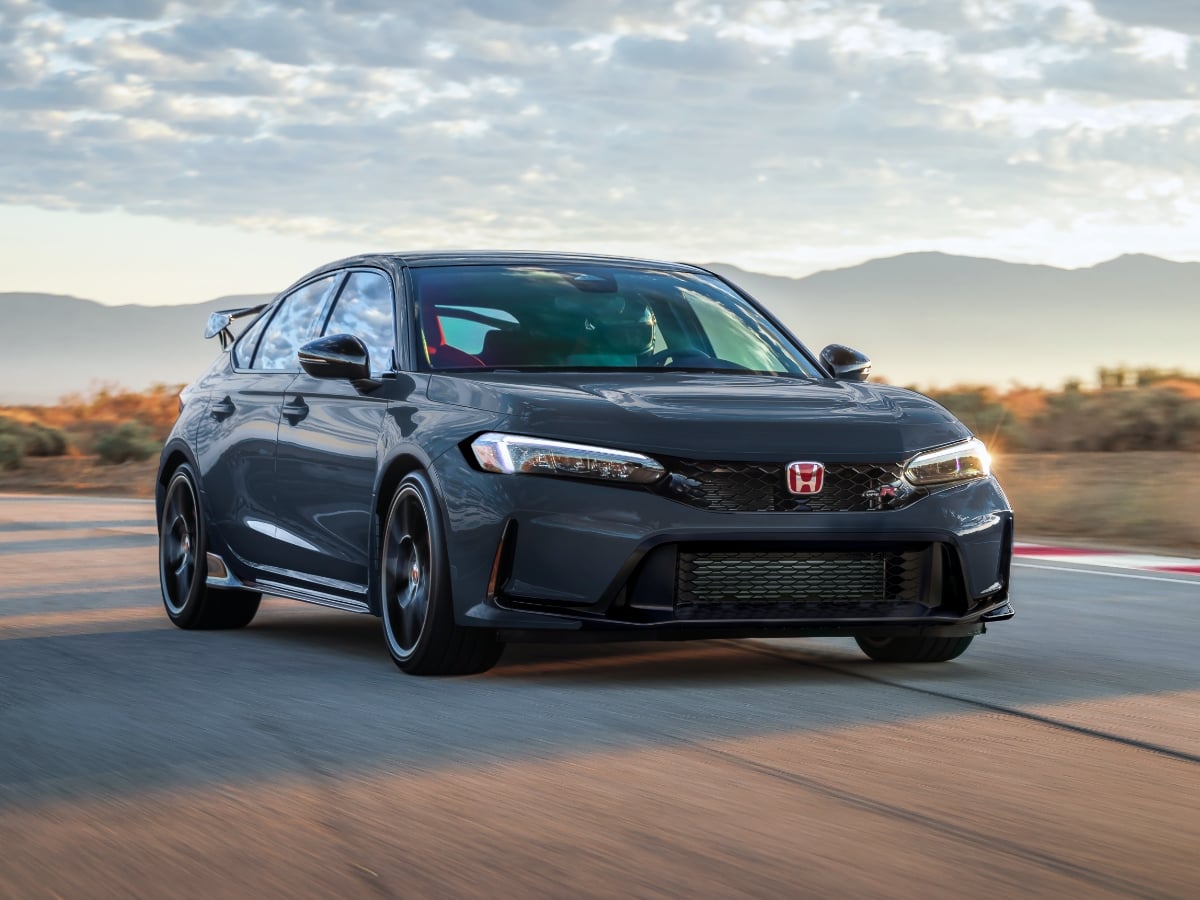
The 2027 Civic Type R goes on sale in October 2026, and it starts at $49,990, including the $1,295 destination charge.
Read the Full Article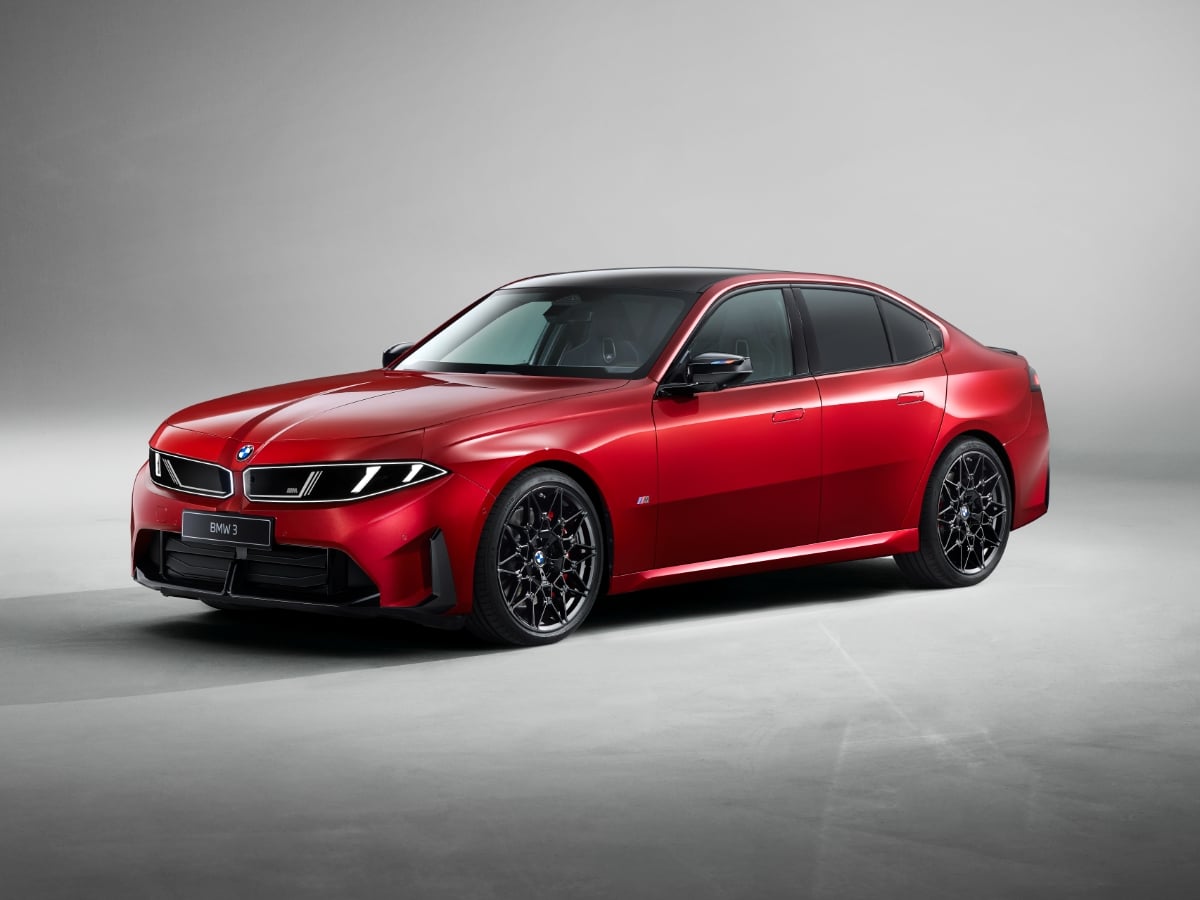
Part of BMW’s Neue Klasse (new class) rollout of redesigned models, the 2027 BMW 3 Series is all-new and goes on sale in the first quarter of 2027.
Read the Full Article