
The transmission is a vital component in a vehicle's drivetrain, which transfers power from the engine to the wheels and enables smooth acceleration and controlled speed. Unfortunately, transmissions can wear out or develop issues requiring replacement over time. Replacing a transmission can be a significant concern for car owners, but understanding the cost factors can help make informed decisions. In this article, we'll explore the average cost of transmission replacement, signs indicating transmission issues, factors affecting replacement costs, and tips for cost reduction.

Detecting early signs of transmission problems is crucial for addressing issues before they escalate, leading to more extensive damage. Common symptoms of a failing transmission include:
Several factors influence the overall cost of transmission replacement:
The type of transmission and the specific vehicle model greatly affect the replacement cost. Manual transmissions are generally less expensive to replace than automatic transmissions. Additionally, luxury or high-performance vehicles may have specialized transmissions, resulting in higher replacement costs due to more complex components and limited availability.
Car owners can choose from different transmission options, each with varying costs. Rebuilt or remanufactured transmissions offer cost-effective alternatives to new ones. These transmissions undergo thorough inspections, repairs, and replacement of worn parts, making them more affordable while maintaining reliable performance. On the other hand, new transmissions come directly from the manufacturer and may be pricier.
Labor costs for transmission replacement can vary depending on the complexity of the vehicle's design and the accessibility of the transmission. Labor rates are typically higher in urban areas compared to rural regions. Additionally, some repair shops may charge a flat rate for transmission replacement, while others charge hourly rates.
The average cost of replacing a transmission can vary widely depending on the abovementioned factors. As a general estimate, the replacement cost for a mainstream car with an automatic transmission can range from $2,500 to $5,000, including parts and labor. Manual transmission replacements may cost slightly less, ranging from $1,500 to $3,000.
The cost of luxury or high-performance vehicles can exceed $6,000 due to specialized transmissions and higher labor rates.
It's essential to inquire about warranty coverage for replacement transmissions. Many reputable transmission shops offer warranties for their work, providing peace of mind in case of any issues after the replacement. Some car manufacturers also offer extended warranties that can cover transmission replacement costs within a specified period.
Using high-quality replacement parts is crucial for ensuring the longevity and proper functioning of the new transmission. Reputable mechanics with experience in transmission replacements can also contribute to a smoother and more reliable installation.
For skilled and experienced car owners, DIY transmission replacement is an option to save on labor costs. However, this option requires technical expertise and specialized tools. For others, obtaining multiple quotes from different repair shops can help find more competitive prices for the same service.
Re-rebuilt or remanufactured transmissions can significantly reduce replacement costs without compromising performance. Reputable transmission shops often provide warranties for these options.
Car owners can negotiate with repair shops for reasonable labor costs or inquire about package deals that offer discounts when replacing multiple components.
Regular transmission maintenance, such as fluid checks and changes, can prolong the transmission's lifespan and prevent premature failure. Additionally, maintaining the entire vehicle through regular servicing can prevent issues that may contribute to transmission problems.
The cost of replacing a transmission on a car can vary widely based on several factors, including the type of transmission, vehicle make, model, year, labor costs, and location-specific variations. Early detection of transmission issues is essential to prevent extensive damage and higher replacement costs. Car owners can choose rebuilt, remanufactured, or new transmissions, each with its cost implications. Seeking quotes from reputable repair shops and considering high-quality replacement parts can aid in finding the best value for the replacement. Proper transmission maintenance and proactive measures can reduce the risk of transmission failure and prolong the vehicle's lifespan. Vehicle owners should carefully assess their options, budget accordingly, and seek professional advice to make informed decisions regarding transmission replacement to ensure a well-functioning and reliable vehicle.


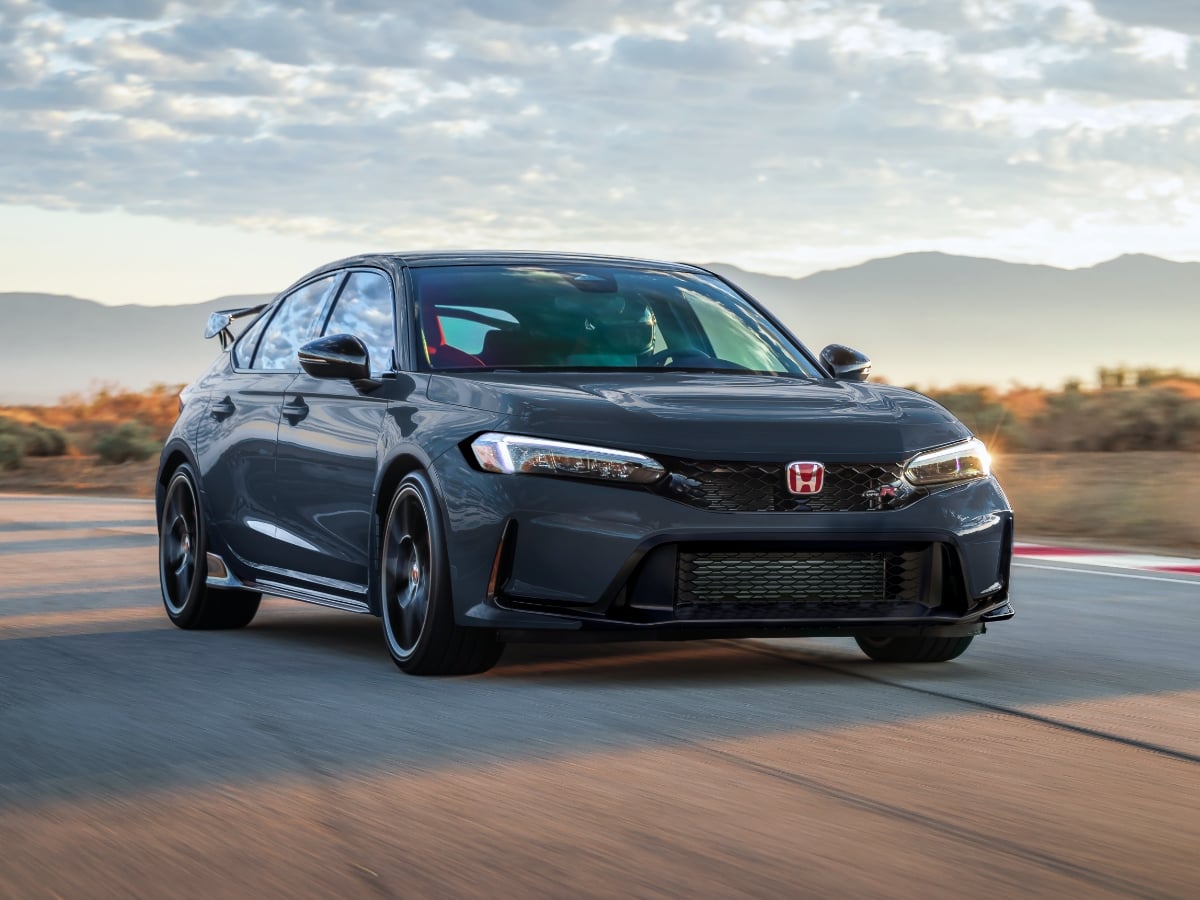
The 2027 Civic Type R goes on sale in October 2026, and it starts at $49,990, including the $1,295 destination charge.
Read the Full Article
Part of BMW’s Neue Klasse (new class) rollout of redesigned models, the 2027 BMW 3 Series is all-new and goes on sale in the first quarter of 2027.
Read the Full Article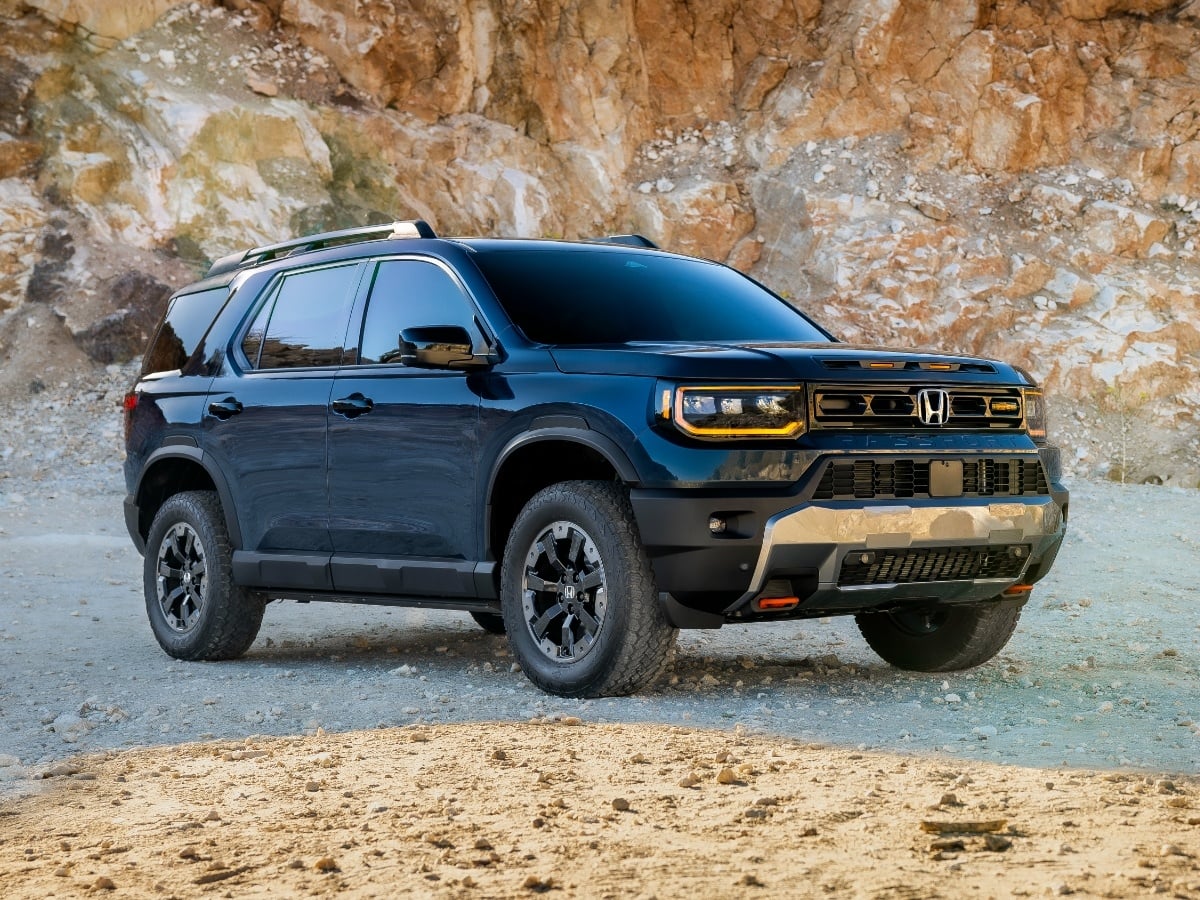
Updates to the 2027 Honda Passport TrailSport include a reworked suspension, improved steering, subtle styling enhancements, and added standard equipment.
Read the Full Article
The midsize 2027 Mercedes GLE remains available in original and spicy Coupe recipes, now with standard 4Matic all-wheel drive (AWD), MBUX Superscreen technology, and a panoramic glass sunroof for ...See More
Read the Full Article