
There are many types of loose materials that are sold in cubic yards, or “yards,” for short. Topsoil, mulch, and gravel are just a few of the commonly used products that are sold by this volume metric.

It isn’t just landscapers and contractors who need to have knowledge of cubic yards. If you’re going to transport any of the materials mentioned above in a dump truck, for example, it’s essential to know exactly how much the truck can carry. In the following guide, we’ll discuss how you determine a dump truck’s capacity in cubic yards.
While there is room for variance, most full-size dump trucks have a capacity of between 10 and 16 cubic yards. These types of vehicles often have their capacity listed in the owner’s manual.
Smaller dump trucks, often those mounted on a pickup frame, will have comparably less capacity, sometimes as little as 1 ½ cubic yards.
If you can’t find your dump truck’s capacity in the owner’s manual, don’t worry. It’s relatively simple to determine using a tape measure and a calculator.
A cubic yard represents a block of material that measures three feet on each side. In theory, the material itself can be anything, from water to stone to mulch. For this reason, yardage alone is an imperfect measurement of a dump truck’s overall capacity. Perhaps more important is the truck’s weight rating.
The weight rating will depend on a variety of factors, including the truck’s chassis and suspension. Smaller dump trucks on pickup frames can have a weight limit as low as half a ton, whereas larger dump trucks can carry as much as 15 tons (30,000 pounds) of material. That’s quite the broad range!
When hauling most materials, the weight of your load will be the limiting factor. For example, sand can weigh upwards of 3,000 pounds per cubic yard, meaning that in a massive, 30,000-pound dump truck, you could carry a maximum of 10 cubic yards. In a dump truck on a half-ton pickup frame, you could only carry a third of a yard of sand.
Mulch, in particular, can be challenging to account for, largely because it depends on how wet it is. Dry mulch can weigh as little as 700 pounds per yard, whereas wet, compost-like mulch can tip the scales at 1,500 pounds per yard.
Larger dump trucks can carry approximately 10 to 16 cubic yards of material. However, the total volume is not usually the limiting factor. In most cases, the vehicle’s weight limit will determine how much material you are ultimately able to safely transport.



The new 2027 BMW i3 boasts an estimated range of up to 440 miles, 400-kilowatt DC fast charging capability, bidirectional charging to a home or the grid, and next-generation technology.
Read the Full Article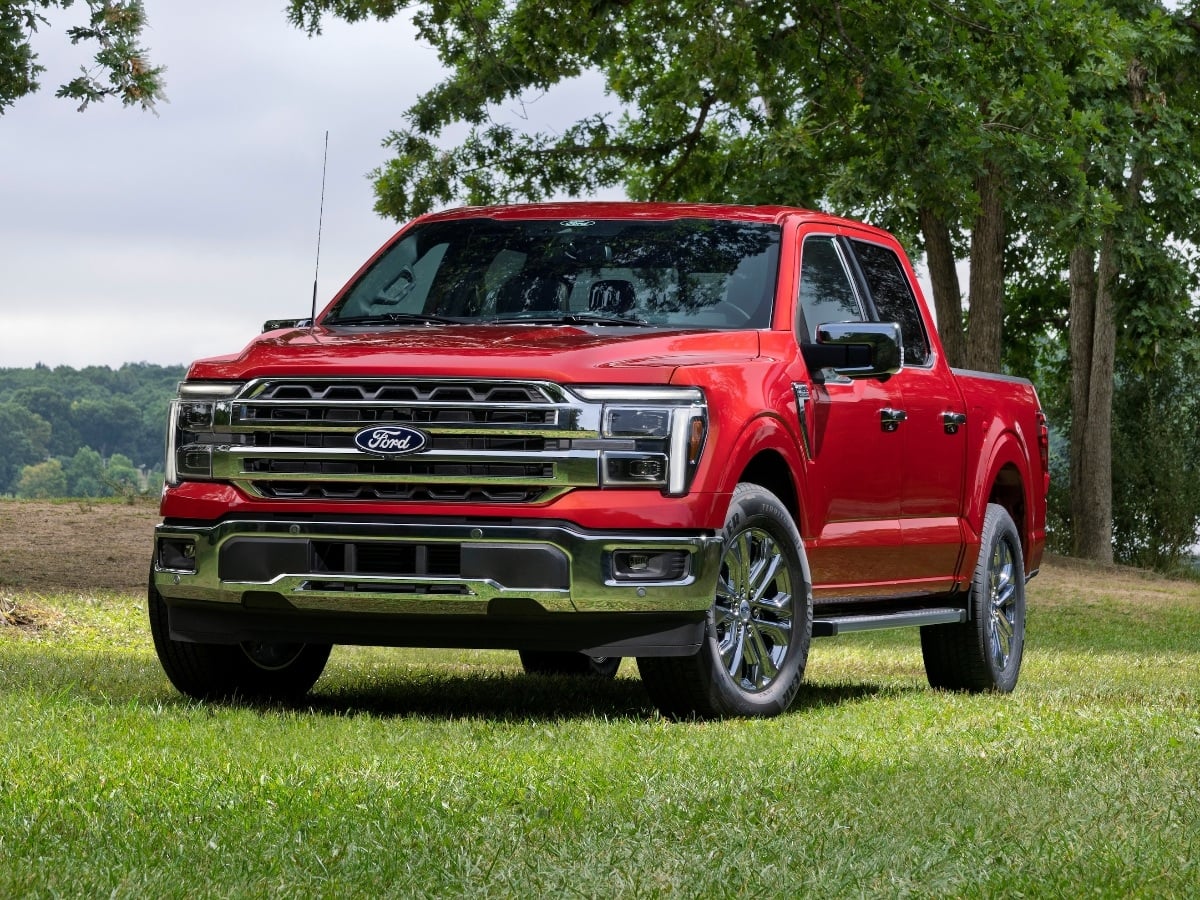
Facing renewed competition in the full-size, light duty pickup truck segment, the 2027 Ford F-150 receives subtle styling updates, a new standard engine, broader availability of its 5.0-liter V8, and ...See More
Read the Full Article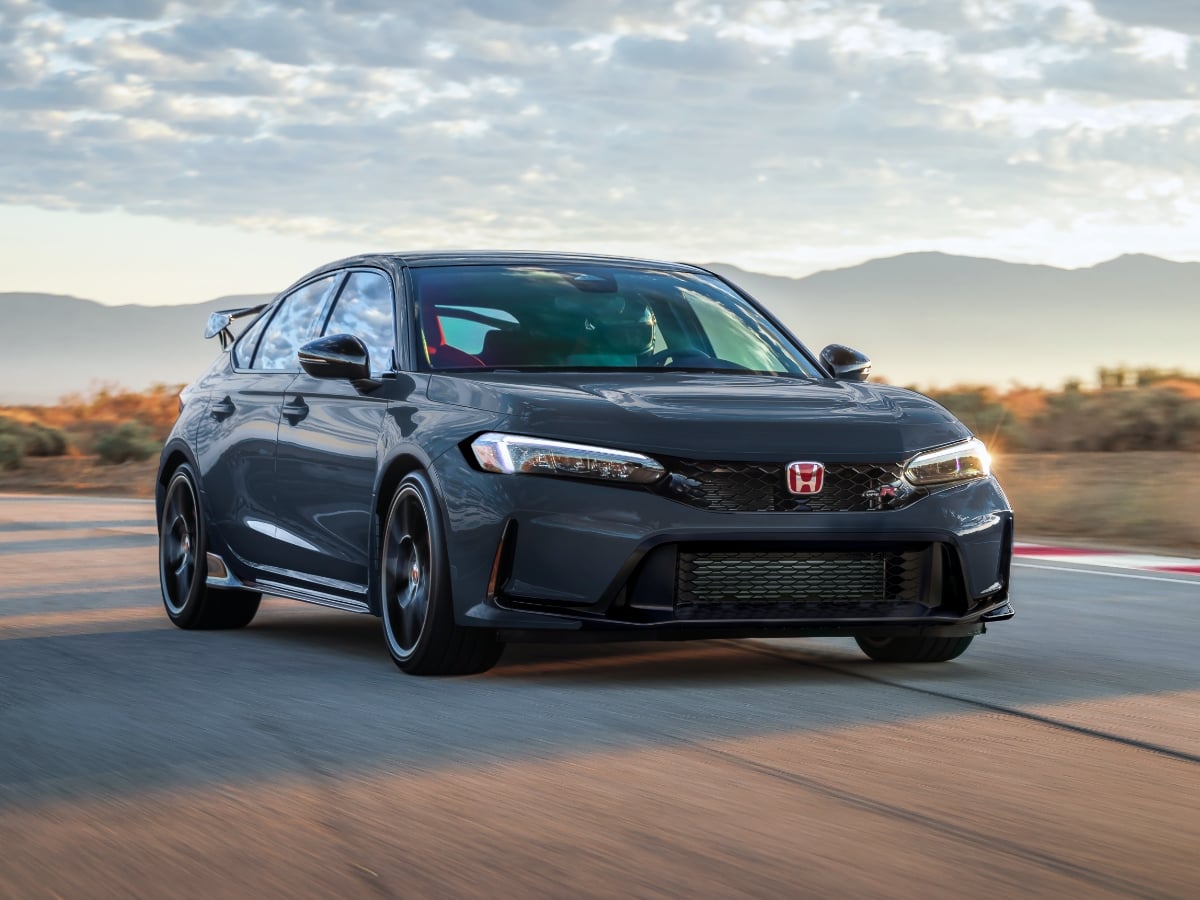
The 2027 Civic Type R goes on sale in October 2026, and it starts at $49,990, including the $1,295 destination charge.
Read the Full Article
Part of BMW’s Neue Klasse (new class) rollout of redesigned models, the 2027 BMW 3 Series is all-new and goes on sale in the first quarter of 2027.
Read the Full Article