
Cars are major greenhouse gas emitters. Every year, vehicles worldwide pump out millions of tons of CO2, carbon monoxide, nitrous oxide, and a range of other gasses that contribute to global warming and degrade the environment. Since the 1970s, though, environmental legislation has tightened up, putting a hard cap on car emissions. Catalytic converters play a key role here by converting harmful gases into relatively less harmful ones. How do they work, and how many catalytic converters do cars typically have? Let’s find out.

Your car's internal combustion engine, when fired up, releases harmful emissions like (CO2, CO, N2O, etc.). These emissions pass through a device located under the vehicle. It looks like a large metal box with two input and output pipes. Gases enter through the input pipe, and with the help of a catalyst, a chemical change occurs, and safer gases flow out through the output pipe. Most modern cars use three-way catalytic converters. These convert carbon monoxide, unburned hydrocarbons, and nitrous oxides into less harmful gases.
Reduction and oxidation are the two chemical processes that catalytic converters facilitate. In the first step, the reduction catalyst reduces nitrogen oxide emissions. After this, the oxidation catalyst works to reduce hydrocarbons and carbon monoxide,
The casing of the converter is made up of stainless steel, along with platinum, rhodium, and palladium. It’s what makes the catalytic converter an expensive vehicle part.
Most cars usually have one single convertor, but cars with dual exhaust systems tend to have two converters. Some vehicles also have more than two converters, which are generally required to meet emission standards. Can you have zero catalytic converters, though? The answer is NO. Federal regulations mandate that you must have a functioning catalytic converter system. You’ll have to pay heavy fines if you drive around without a working catalytic converter.
Catalytic converters, like any other part of your car, are bound to wear down and fail eventually. If your converter is defective and the vehicle is under warranty, there’s no need to worry: the manufacturer will replace it free of cost. If your vehicle’s out of warranty, you’ll need to pay out of pocket. A new catalytic converter usually costs somewhere between $900 to $2500. How can you tell, though, if your converter needs to be replaced?
As with any other vehicle problem, there are certain symptoms that point towards a faulty converter. These include:
Catalytic converters are an essential vehicle component. They convert harmful emissions from your internal combustion engines into less harmful ones. Most cars usually have one catalytic converter, but some vehicles are equipped with two or more, usually to address tougher emission norms. Even though your car can technically work without a catalytic converter, federal law requires you to have one installed while driving.


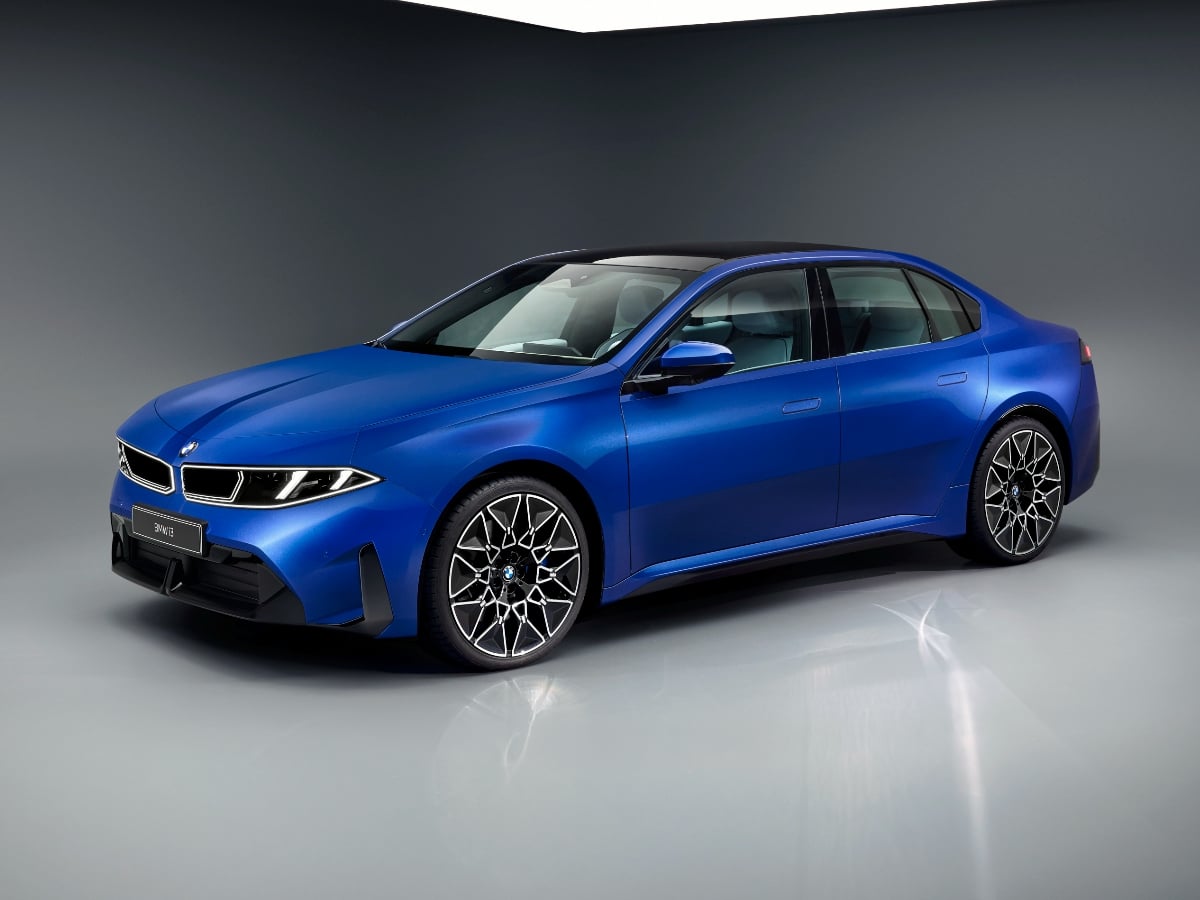
The new 2027 BMW i3 boasts an estimated range of up to 440 miles, 400-kilowatt DC fast charging capability, bidirectional charging to a home or the grid, and next-generation technology.
Read the Full Article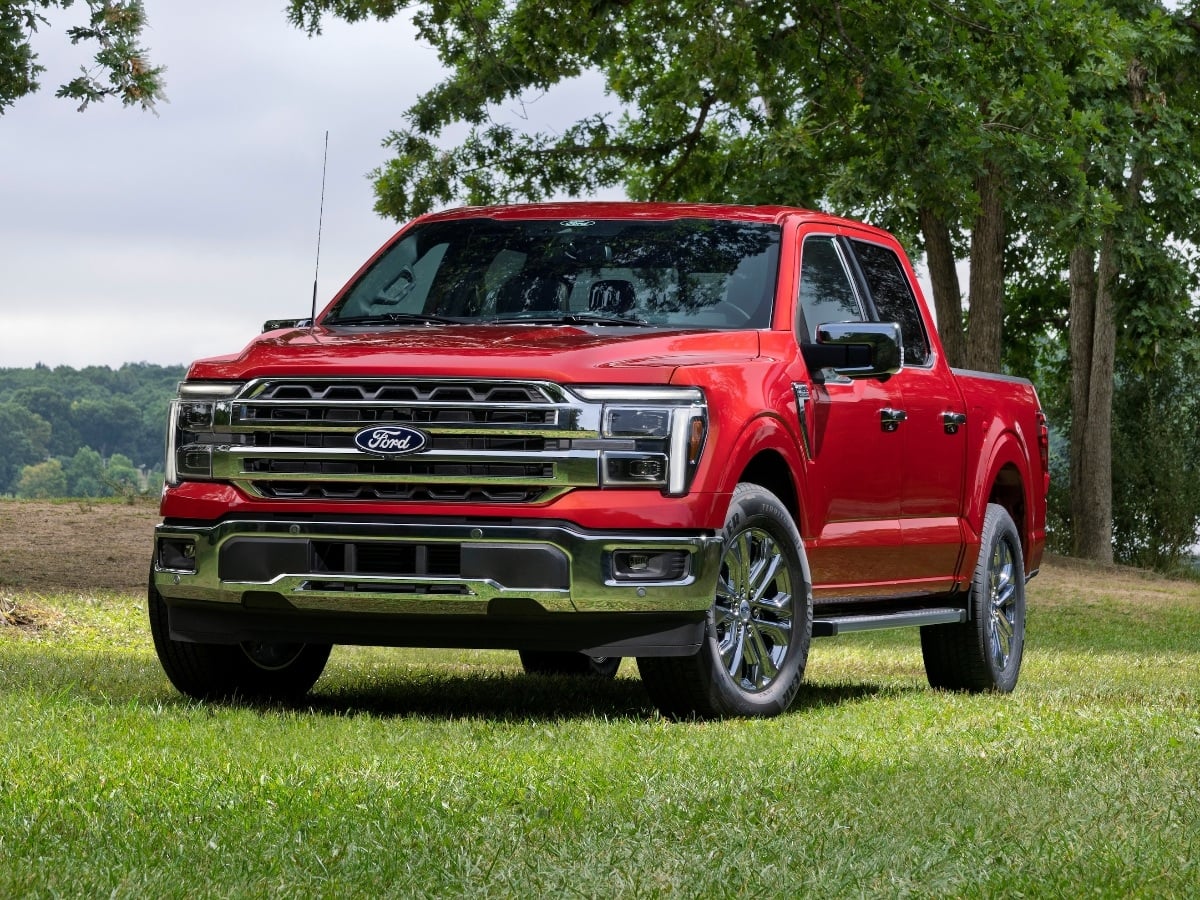
Facing renewed competition in the full-size, light duty pickup truck segment, the 2027 Ford F-150 receives subtle styling updates, a new standard engine, broader availability of its 5.0-liter V8, and ...See More
Read the Full Article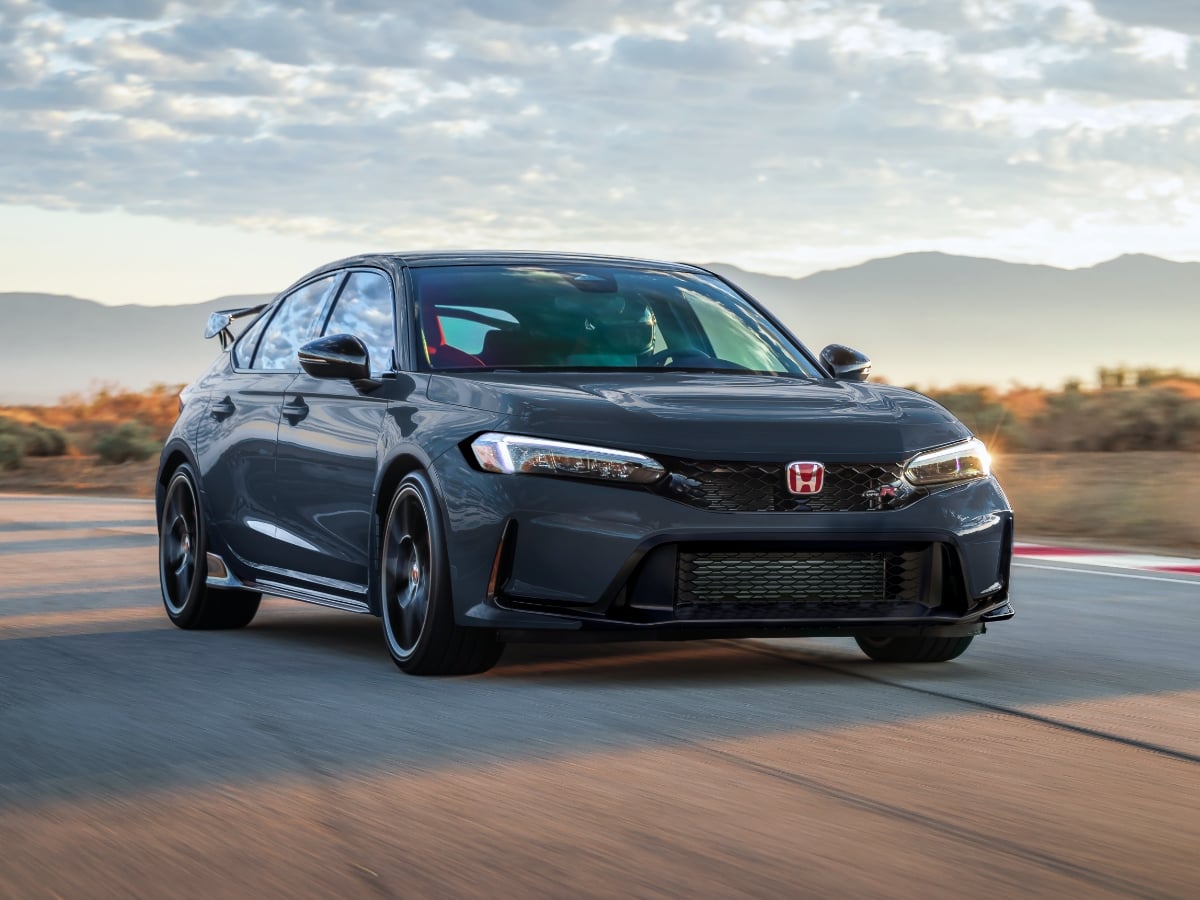
The 2027 Civic Type R goes on sale in October 2026, and it starts at $49,990, including the $1,295 destination charge.
Read the Full Article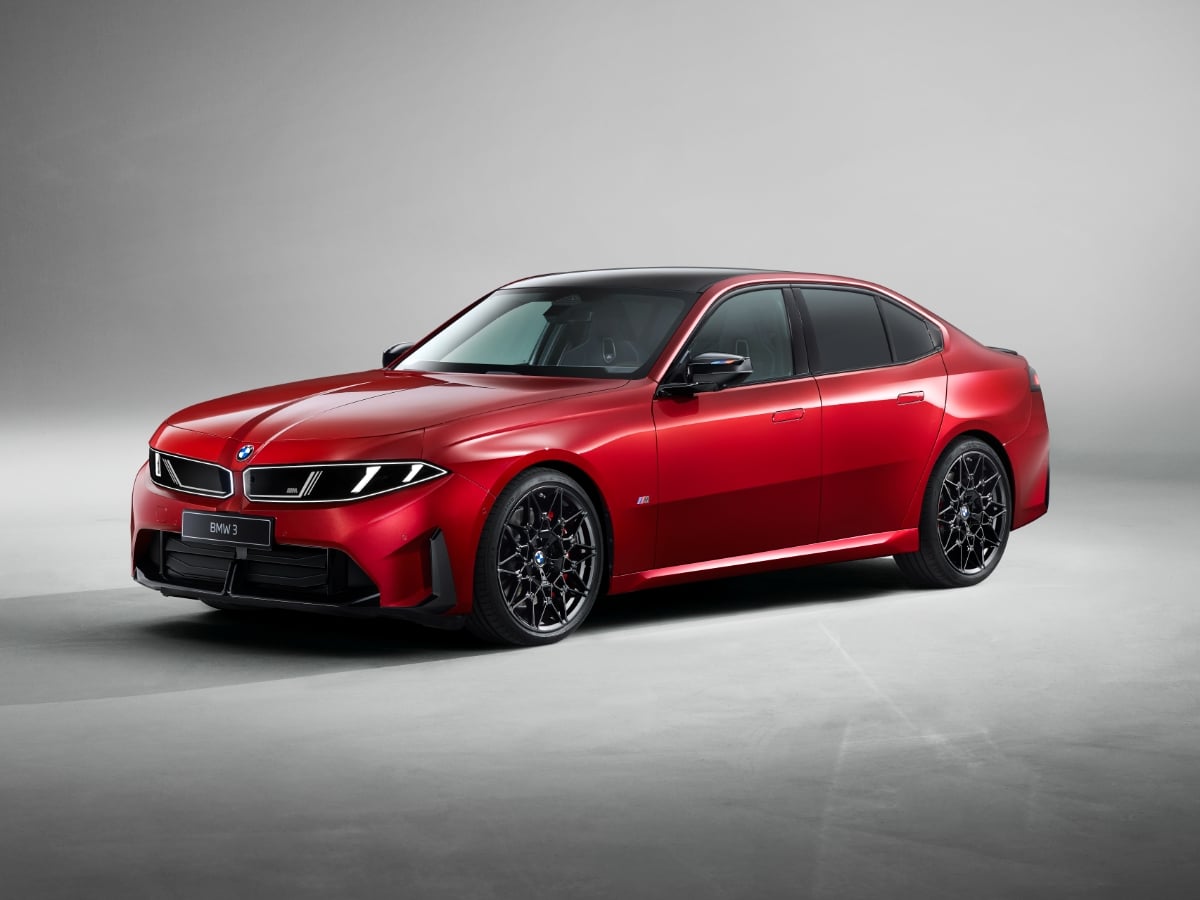
Part of BMW’s Neue Klasse (new class) rollout of redesigned models, the 2027 BMW 3 Series is all-new and goes on sale in the first quarter of 2027.
Read the Full Article