
Even though manufacturers build cars to last and make them sturdy enough, certain factors can change their overall condition. Elements, excessive mileage, and extensive use affect your vehicle's performance and deteriorate its overall condition.

Sometimes, mileage and average driving speeds mean a great deal, especially if you're in the delivery business. After all, you must optimize traveling times and track just how your automobile performs at all times.
To do that, you must consider how long it takes to drive 1 mile. And we’ve got you covered here, as this article will include all there is to know about it.
Calculating just how long it takes to travel 1 mile is simple. All you really need to know is your average speed. After that, things become much easier.
Since the speed is measured in miles per hour, the easiest way to go about it is to compare your average speed to a single hour. For instance, if you’re going 60 mph, you travel 60 miles in one hour. There are 60 minutes in one hour, so just divide the miles by that amount, and voila! It takes only one minute to travel 1 mile.
The roads, however, have different speed limits. They average at 25-60 mph, so include that in your calculation when figuring out just how long it takes for you to get to your desired destination.
Calculating how long it takes to travel 1 mile is easy to handle on your own. However, considering the wear and tear your vehicle undergoes isn't as simple.
Generally, you may have to do any of the following things:
All of those add up and can hit your wallet pretty hard. So, it is a good idea to anticipate these expenditures per mile beforehand; fortunately, it’s entirely possible to do so.
Even though there’re multiple things to consider here, you can group up the costs and simplify the process. Overall, it’s best to distinguish between five major ones: fuel, oil changes, new tires, other maintenance, unexpected repairs, and depreciation.
Considering the recent inflation and gas prices in the US, fuel efficiency has become quite important. Not a single driver wants to pay lots of money for gas, so you should always anticipate how much you will spend out of your pocket.
Here you only need to determine your vehicle's miles per gallon (mpg). Many sources can provide you with this information, but there’s one small thing to consider. You will find three types of mpgs: city, highway and combined. From these, you should pick the one that applies to you the most.
When you’re done, just follow this simple formula: Average fuel price/mpg = cost per mile.
It becomes a little more tricky with oil changes because it depends on the ride you have. Usually, you must do an oil change every 5,000-7,000 miles or so, but it’s best to figure it out in practice.
When you do, just divide the oil change cost by mileage.
Unless you like to keep your auto in a garage, you should get a new set of tires after they wear out. Usually, most have a lifespan of 60,000 miles, so to determine cost per mile, just divide the cost by the number of miles it took for them to wear out.
This particular category is different for everyone and heavily depends on the age and condition of your vehicle. The more your mileage increases, the more likely your car will experience some sort of breakage or issue.
Here you would have to determine how much you pay for maintenance annually. Then, you should divide this number by the miles per year you travel.
Depreciation is how much you paid for the car over the life of its use. This factor is usually overlooked, but it greatly affects resale value.
To calculate depreciation, figure out the total cost of your vehicle (including any interest on loans), its trade-in value, and the number of miles you expect it to last.
The formula looks like this: (Vehicle cost- trade-in value)/ expected mileage = cost per mile.
After you’re done calculating, add up all these, and you’ll get the overall wear and tear per mile cost.
Figuring out miles traveled per minute and costs per mile can be helpful in many situations. Knowing how fast you can get around can satisfy the client and not be late if you're working in a delivery service. But even if you aren’t, this knowledge certainly has some value, especially if you start considering things cost-wise.



With the 2027 Lexus TZ, Toyota Motor’s luxury division introduces its first three-row all-electric SUV, featuring a lounge-inspired interior, an enhanced all-wheel drive (AWD) system, and up to 300 ...See More
Read the Full Article
With the all-new 2027 Kia EV3 small crossover SUV, the Korean automaker continues to expand its all-electric lineup while keeping prices accessible.
Read the Full Article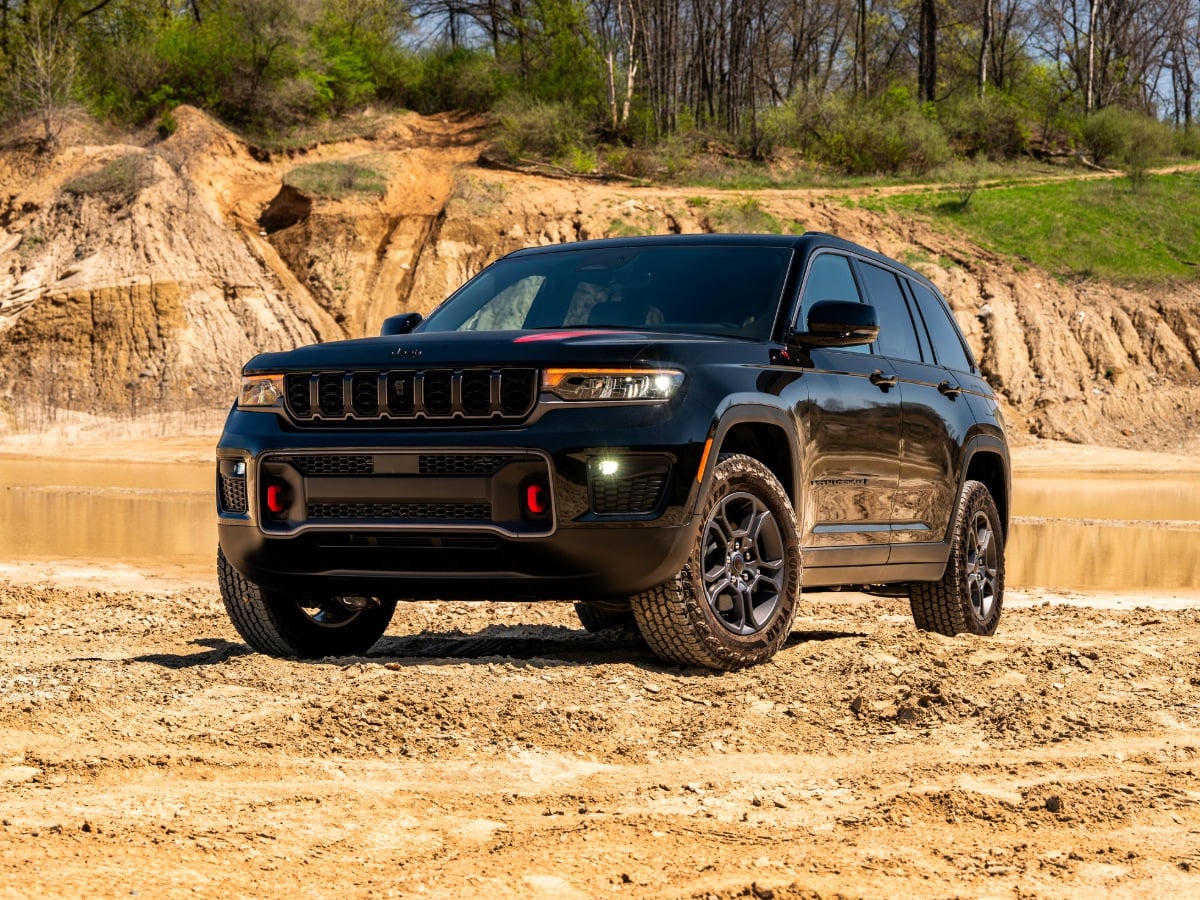
Following a refresh for the 2026 model year, the 2027 Jeep Grand Cherokee lineup brings back two familiar variants, the go-anywhere Trailhawk and the premium-yet-capable Overland, offering buyers ...See More
Read the Full Article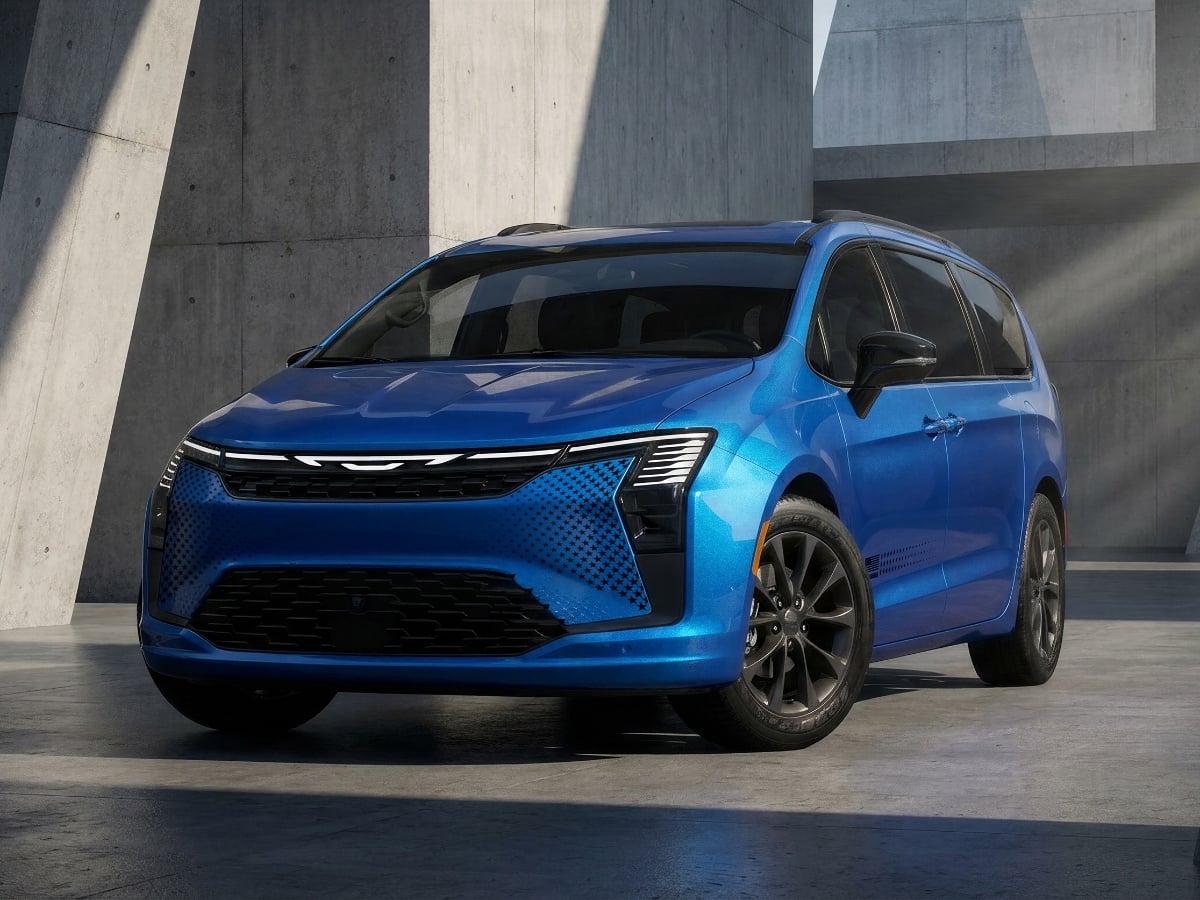
Chrysler, the company that launched the modern minivan segment in 1984, is giving its popular 2027 Chrysler Pacifica a nose job and introducing a special edition commemorating America’s 250th ...See More
Read the Full Article