
Leaving a car running for a short period of time should not have any ill effects on a car. But there are many myths surrounding how long you can leave a car idling before issues may arise, especially for older vehicles. One is that a car consumes less gasoline if it’s left idling rather than just shutting it off and restarting. Another is that extended idling will damage cylinder walls—this is only true for older cars, particularly some early 2000s Porsches.

This article explains the effects of extended idling, and provides tips to avoid wasting fuel, reduce emissions, and prevent premature wear on the engine.
In general terms, the internal combustion process on a common piston engine is:
As the car drives, the combustion process continually speeds up and slows down, depending on if the vehicle is accelerating or decelerating. It’s also under what’s referred to as load, which means the engine isn’t just being revved up while sitting in place but is actually facing resistance from the drivetrain and overall vehicle’s weight to get up to speed and propel it along.
On the whole, the healthiest way to treat an engine is to let it briefly idle after startup and then drive it gently until it’s fully up to operating temperature. This is to ensure that oil and coolant are at the right temperature, circulating around the engine with ease, and in turn, the least amount of gradual, normal wear is happening to the engine.
If an engine is sitting at idle and not under load, it’s actually operating inefficiently in one of these ways:
Leaving a car idling for an extended period can cause premature engine wear. When a car is running, all the components create conditions where there’s more heat and less oil and coolant flow, engaging the cooling fans and electric water pumps, and wearing down the vehicle’s catalytic converter.
There are several scenarios when many drivers leave a car running for an extended period of time. One is while stuck in traffic, as the car is sitting for long periods of time in between crawling along. Another is letting it warm up during winter months—nobody enjoys driving a car before its HVAC system is providing ample heat.
However, cutting down on these instances of inefficient operation is easy. Newer cars have an auto stop/start system, which automatically shuts off the engine when it's not in use. Then the car fires it back up in a split second before carrying on, usually when the driver takes their foot off the brake. Another is simply wearing adequately warm clothing in the winter and giving the car less warm-up time while motionless.
Auto start/stop systems on modern engines can help reduce emissions, but they don’t always fire up the engine as quickly as needed, making quick turns or fast acceleration tricky. They also may turn the car off at times when idling would be more convenient. A shut off engine also affects the temperature of the car; if the engine isn’t running, the air conditioning’s refrigerant isn’t circulating. That means the interior’s ambient temperature may rise, which can be uncomfortable on a hot day.
There are wildly different claims out there about how much gasoline an engine burns while sitting at idle, but a study done by the US Department of Energy nearly a decade ago shows that it may not be as much as previously thought. But it is still true that idling a car for too long does use up gasoline that isn’t being used for transportation, which increases the driver’s overall transportation costs.
Remember that when cars are left running for extended periods of time, the idling causes premature wear and increases fuel consumption and emissions. Generally, the less amount of time left idling the better, and it’s more beneficial to give the engine a few seconds after startup to circulate fluids, and then drive it gently until it is fully up to temperature.


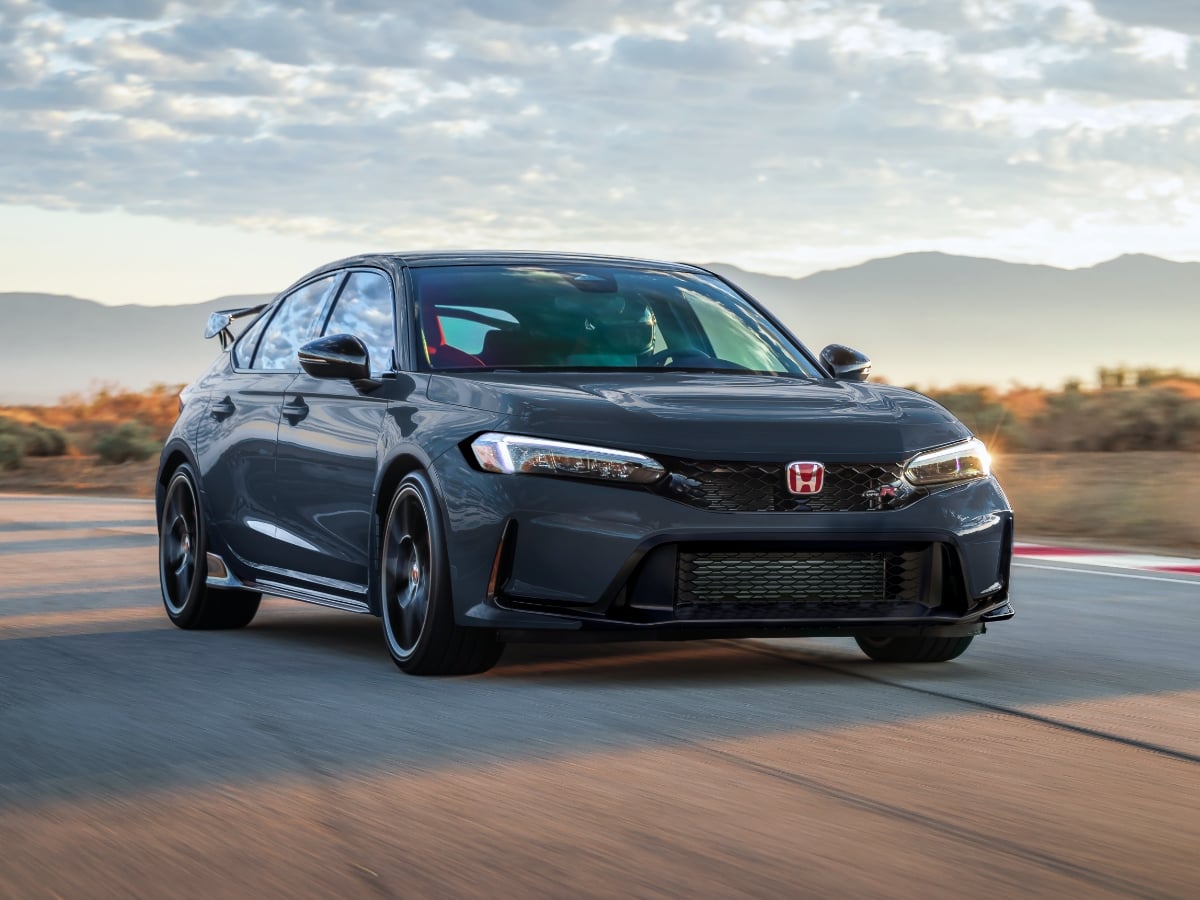
The 2027 Civic Type R goes on sale in October 2026, and it starts at $49,990, including the $1,295 destination charge.
Read the Full Article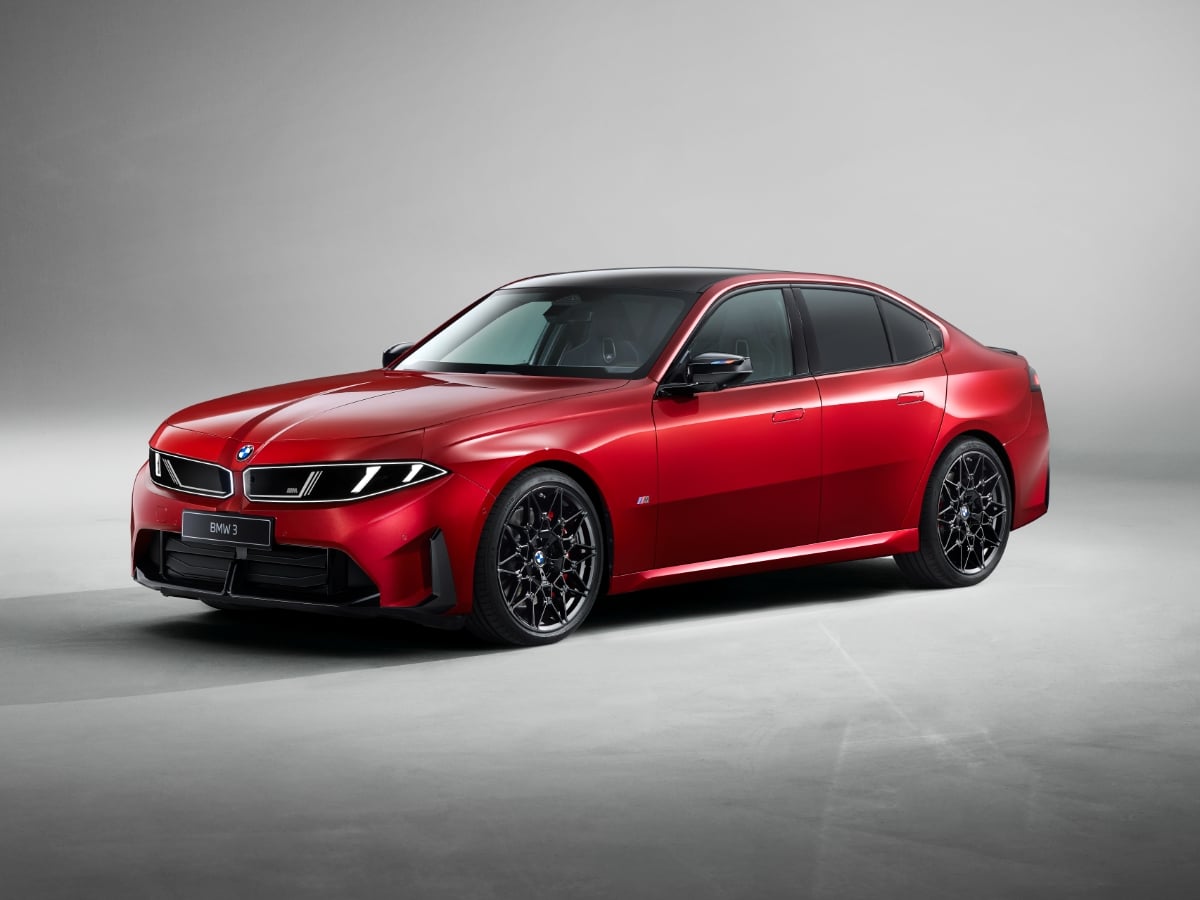
Part of BMW’s Neue Klasse (new class) rollout of redesigned models, the 2027 BMW 3 Series is all-new and goes on sale in the first quarter of 2027.
Read the Full Article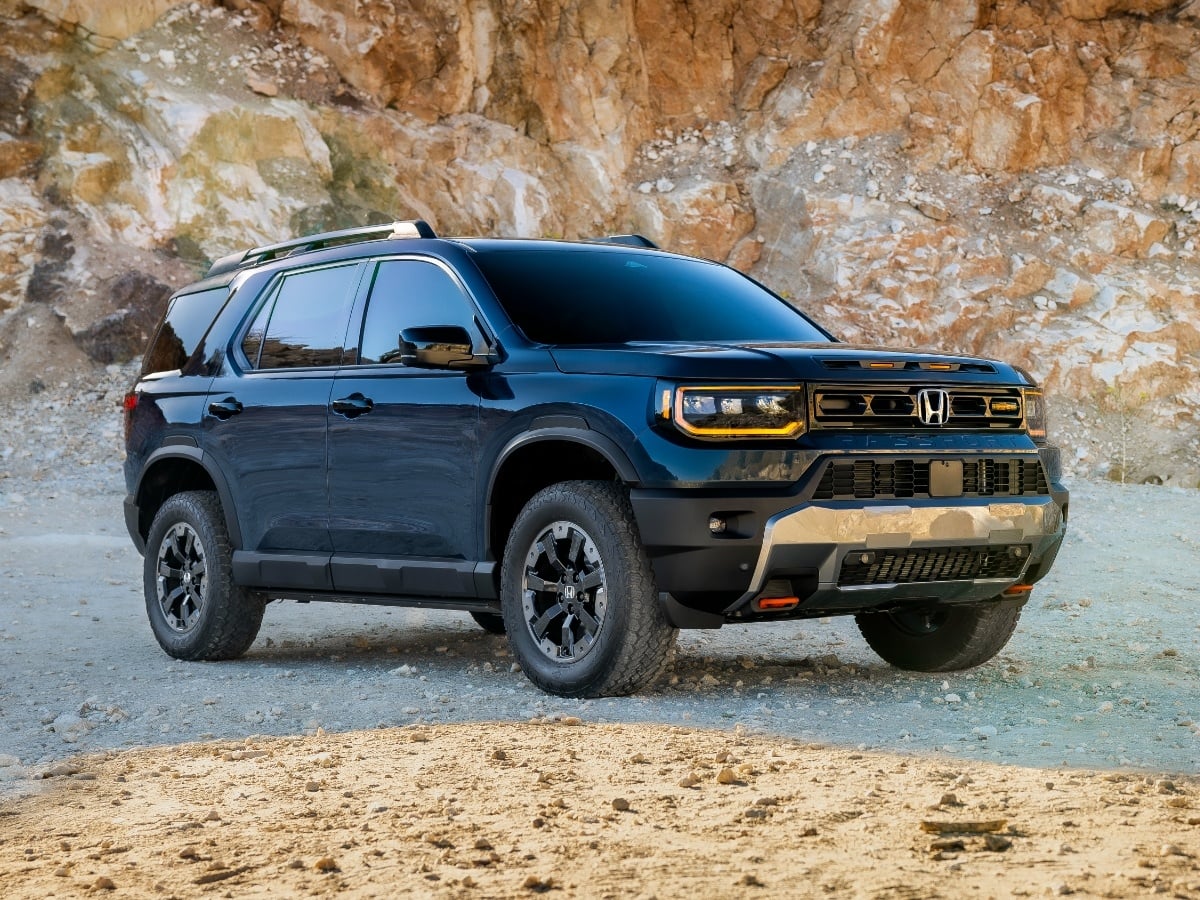
Updates to the 2027 Honda Passport TrailSport include a reworked suspension, improved steering, subtle styling enhancements, and added standard equipment.
Read the Full Article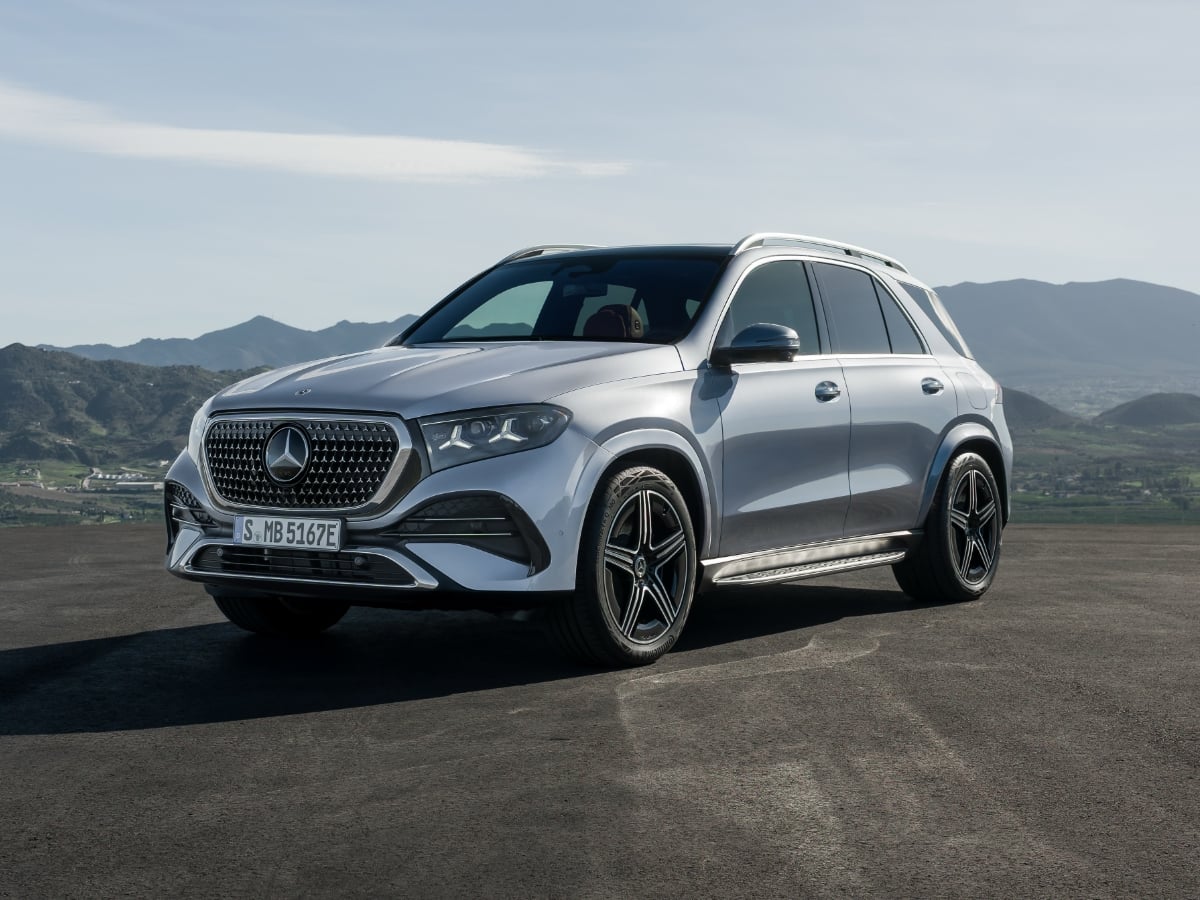
The midsize 2027 Mercedes GLE remains available in original and spicy Coupe recipes, now with standard 4Matic all-wheel drive (AWD), MBUX Superscreen technology, and a panoramic glass sunroof for ...See More
Read the Full Article