
Many vehicles are driven daily, or at the very least weekly. However, on occasion, circumstances like a long vacation, non-seasonal compatibility (e.g., convertibles in winter), or a switch to working from home may sideline a vehicle for an extended period. Parking a car for a few days will rarely lead to a mechanical issue, but at what point will disuse begin to negatively impact how the car operates? No surprise, the answer is: It depends.
According to the U.S. Department of Energy, light-duty vehicles such as cars, pickups, and vans are driven an average of 11,500 miles a year.
If you’re not looking to store your vehicle indefinitely, which involves different procedures and prep work, experts recommend vehicles be driven every two to three weeks. Idling the car for a few minutes might seem like a good compromise, and the engine will indeed get to normal operating temperature after about 10 minutes or so, but you won’t be achieving much else.
Instead, drive the vehicle for at least 10 miles with some highway speeds included, if possible. Even if your route involves little more than merging onto the interstate, taking the next off-ramp, and circling back home, the short drive will do plenty to keep your vehicle running correctly.
Here’s what happens when you don’t drive your vehicle often enough:
Just like the AAs in your long-forgotten CD player, batteries slowly lose their charge due to disuse. In a vehicle that has been parked for a long time, attempting to restart the engine causes the battery to drain even more. The battery may lose so much of its power that it requires a jump-start or replacement. Driving allows the battery to recharge and maintain its expected battery life.
For the most part, it is recommended to turn the vehicle on for about 15 minutes once a week to maintain proper battery recharge. Not starting the vehicle for more than a month at a time risks the battery becoming flat. Another strategy is to remove the battery and store it in a dry environment between 40 and 60 degrees Fahrenheit. You may also consider using a battery maintainer or battery tender to preserve the battery’s charge.
Cars are heavy. Compact sedans weigh more than 2,500 pounds, and midsize SUVs can tip the scales at twice that. If they don’t move, all that weight rests on whatever side of the tire is in contact with the ground. So, not only does the tire begin to lose air, which happens faster during cold weather, but it gets flat spots. If you catch uneven wear early enough and add air pressure, the tires can round out again. Otherwise, you’re looking at permanent tire damage, which will create vibrations when driving and potentially lead to unsafe steering and handling situations.
Another countermeasure to limit tire pressure loss and to avoid flat-spots is to remove the tires from the vehicle. If you remove the tires, use jack stands to elevate the vehicle in storage. Consult your owner’s manual on proper elevation techniques and rotate the stored tires monthly to avoid flat-spotting in storage. Instead of tire removal, you may also consider overinflating the tires before vehicle disuse.
Vehicles have one purpose: to be driven. And their engine fluids are developed for that reason. When not in use, these fluids become stale, similar to how a carbonated beverage becomes flat if you don’t drink it soon enough. During a drive, these fluids reach operating temperatures to flow and keep seals and gaskets lubricated. In turn, the transmission, brakes, belts, power steering, and even the air conditioning continue to function as intended.
To limit the impact of oil deterioration, change the oil prior to long-term disuse to keep things fresh and repeat the oil change once the vehicle is in use again.
A rule of thumb with internal combustion engines is to keep the fuel tank at least a quarter full. The reason being that an empty tank is more susceptible to moisture. And moisture leads to corrosion. Condensation can negatively impact engine oil as well. Also, fuel degrades after about 30 days. After several months, it’s just bad, and you’re better off siphoning it out. Because not only does old fuel lose its ability to ignite the engine properly, deposits may also develop that damage the fuel system.
Fortunately, driving your vehicle even a short distance limits fuel stagnation. Another mitigation strategy is to top off the tank because it reduces the space for moisture to develop which can result in water contamination and oxygen in the tank. Adding a fuel stabilizer before disuse should enable the gas to last longer as well.
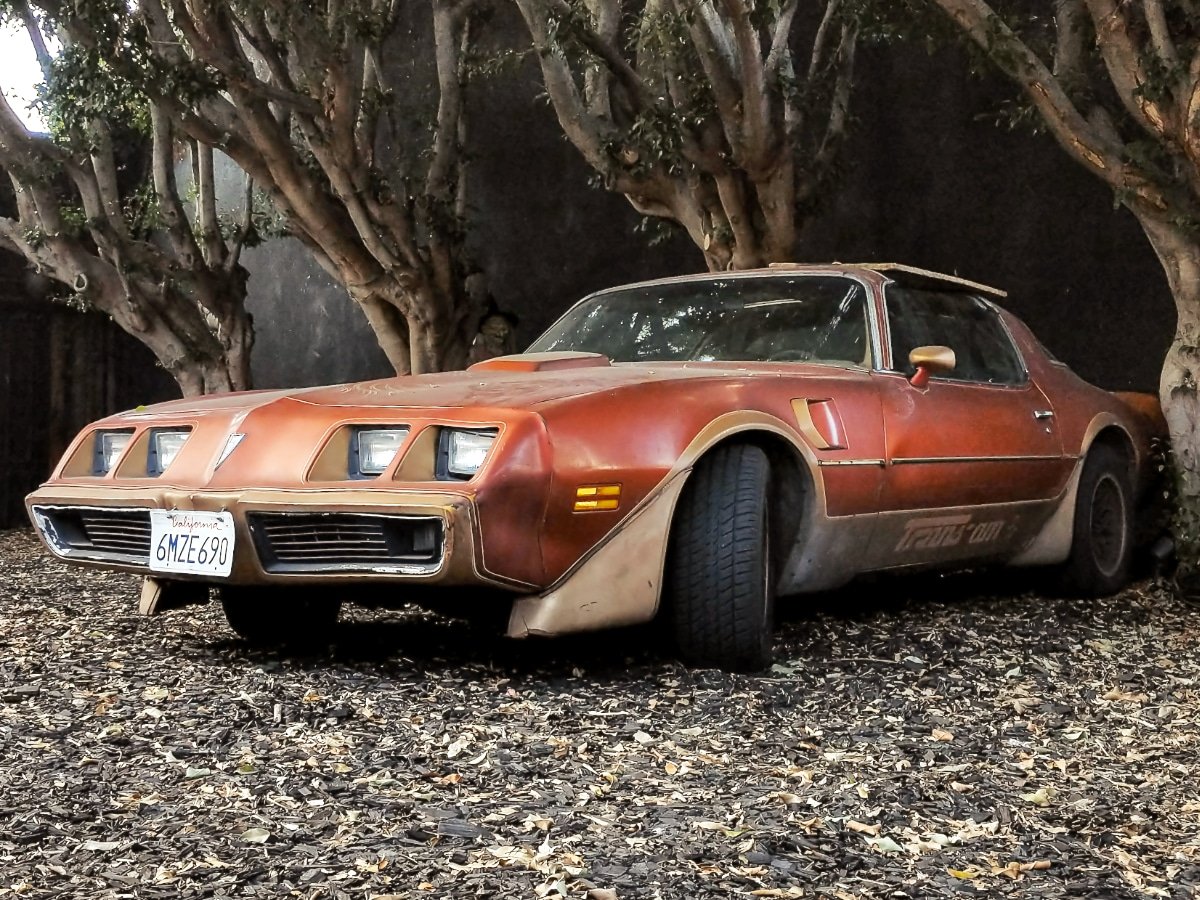
Ants. Rodents. Wasps. Like any living thing, they’re just looking for a place to call home. And whether you park your vehicle in a garage or driveway, if it’s not moving, prepare to find squatters. Worst yet, these critters get hungry or may be teething. Either way, wires, plastics, and insulation are the first things they’ll gnaw on.
Storing vehicles in sealed garages and adding weatherstripping underneath the doors can prevent infestation. Similarly, daily applications of cayenne pepper and peppermint oil can also prevent pests. You may also want to cover the tailpipe during storage as long as you uncover it before driving again.
If left to the elements, Mother Nature is less than nurturing to a seemingly abandoned vehicle. Tree sap and bird droppings leave lasting damage to the clear coat and paint if not cleaned off. Even with a car cover, wind can cause dirt to rub underneath, or moisture can collect and lead to rust. Therefore, parking the vehicle in a garage is ideal for long-term disuse.
Although EVs do not have the oil and fuel issues of an internal combustion engine – tire, animal, 12-volt battery, and temperature concerns persist when an EV is not driven. Additionally, many EVs lose approximately 1% of battery charge per day when not driven.
Consult your owner’s manual regarding charging your EV before disuse. Recommendations vary, with Tesla advising to leave a Model 3 plugged in while other automakers may recommend a specific percentage charge, such as 50% or 80%, for your EV before parking it for extended periods.
Long-term neglect, even if unintended, becomes evident when you do decide to restart your vehicle again. So, consider your vehicle an investment and that every drive you take is a deposit in maintaining a positive account balance. You already know that getting out for some fresh air is good for your health. Likewise, your vehicle will thank you for the joy ride too.


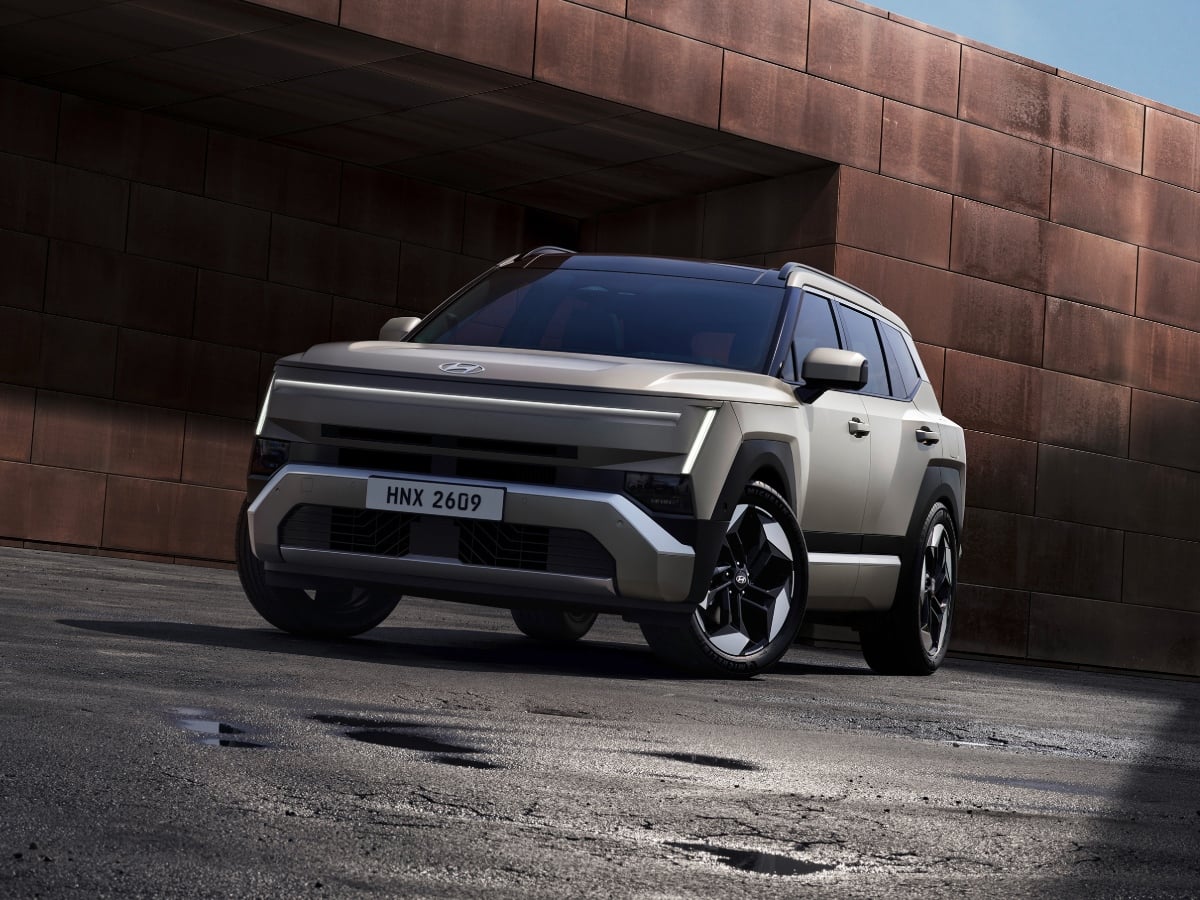
With a purposeful new design and some trail-ready upgrades, the 2027 Hyundai Tucson is pushing the brand's best-selling crossover SUV into more aggressive territory.
Read the Full Article
For more than 25 years, the BMW X5 has helped to define the luxury SUV segment. Now, the redesigned fifth-generation 2027 BMW X5 arrives with the automaker’s Neue Klasse styling, a roomier interior, ...See More
Read the Full Article
One of Lexus's most popular models, the NX crossover SUV is also one of the most affordable in the company’s lineup. The 2027 Lexus NX transitions to hybrid-only powertrains, and gets revised ...See More
Read the Full Article
The new 2027 BMW i3 boasts an estimated range of up to 440 miles, 400-kilowatt DC fast charging capability, bidirectional charging to a home or the grid, and next-generation technology.
Read the Full Article