
Driving your car to every event or on every occasion is only a good idea sometimes. After all, it may be inconvenient or impossible due to traffic jams or construction, or you may just go on holiday for a month and leave your car in the garage.

Apart from your fuel becoming contaminated and damaging the engine, it’s also possible other components may experience corrosion or be otherwise damaged while the automobile is stationary. But with batteries, you risk losing charge and becoming “flat,” with the jump start being the only way for them to work correctly again.
So, if you haven't driven for a while, and are worried about the battery, let’s dive into the topic and see how long it lasts without you actively using the vehicle.
Car batteries work by converting chemical energy into electrical energy. They are composed of cells containing a positive and negative electrode separated by an electrolyte. When the battery works, a chemical reaction occurs between the electrodes and the electrolyte, producing electrons that flow through a circuit to power the car's electrical systems.
When the car runs, the alternator charges the battery, replacing the energy used to start the car and power the electrical systems, when the vehicle is stationary and isn’t on, the battery powers the car's electrical systems and stores energy for the next engine run.
Now that the basics are out of the way, it’s time to answer the question in the title. If your car, particularly the battery, is new and in good condition, the charge will last about two weeks without needing to start the vehicle. But the general recommendation is to turn the ignition on for 15 minutes once a week to ensure a proper recharge.
The reason is that the battery keeps powering electrical components even if your car is not on. Things like the dashboard clock, alarm, and radio drain power constantly. That’s why it’s never a good idea to leave the lights on, as most cars don’t turn them off automatically.
But what happens if you’ve not been driving for a month, two, or more? Most likely, your battery becomes flat or dead. Because it exists in a symbiotic relationship with the alternator to create an electrical circuit, the battery can’t recharge without it, which leads to a voltage below the standard (12V) amount, and creates a hassle for the driver.
There’re a couple of methods that can help you keep the charge. These include:
But the only possible solution is a jump start if the battery becomes dead or flat. That is, of course, if it isn’t too old or damaged, in which case you will need a proper replacement.
Also known as a “boost,” jump-starting is a relatively simple procedure involving you hooking up the battery with that of another car. Although it’s not a good idea to do this too often, it’s a solid fix if you’re looking to recharge quickly. You’ll require jump leads, but they’re not that expensive and are readily available.
So, to properly jump-start the battery, you must do the following:
Your battery will likely become flat if you’ve not been behind the wheel for more than two weeks or a month. It can’t recharge without the alternator and can only retain the voltage for so long.
The only possible solution is to remove the battery from the car before going on a driving break or purchasing a battery maintainer. If it becomes dead, you could try jump-starting, and if this doesn’t help, you’ll probably have to replace it outright and drive to the nearest auto shop.


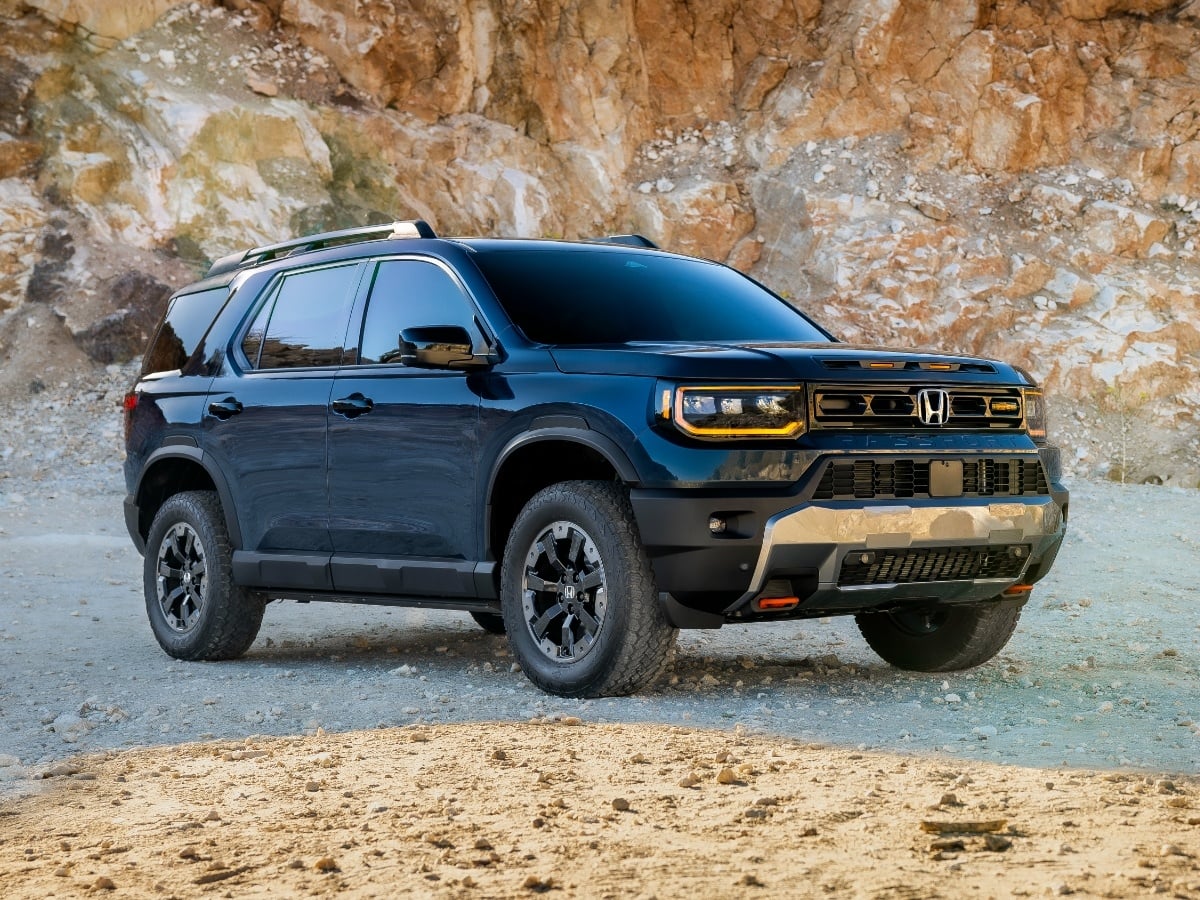
Updates to the 2027 Honda Passport TrailSport include a reworked suspension, improved steering, subtle styling enhancements, and added standard equipment.
Read the Full Article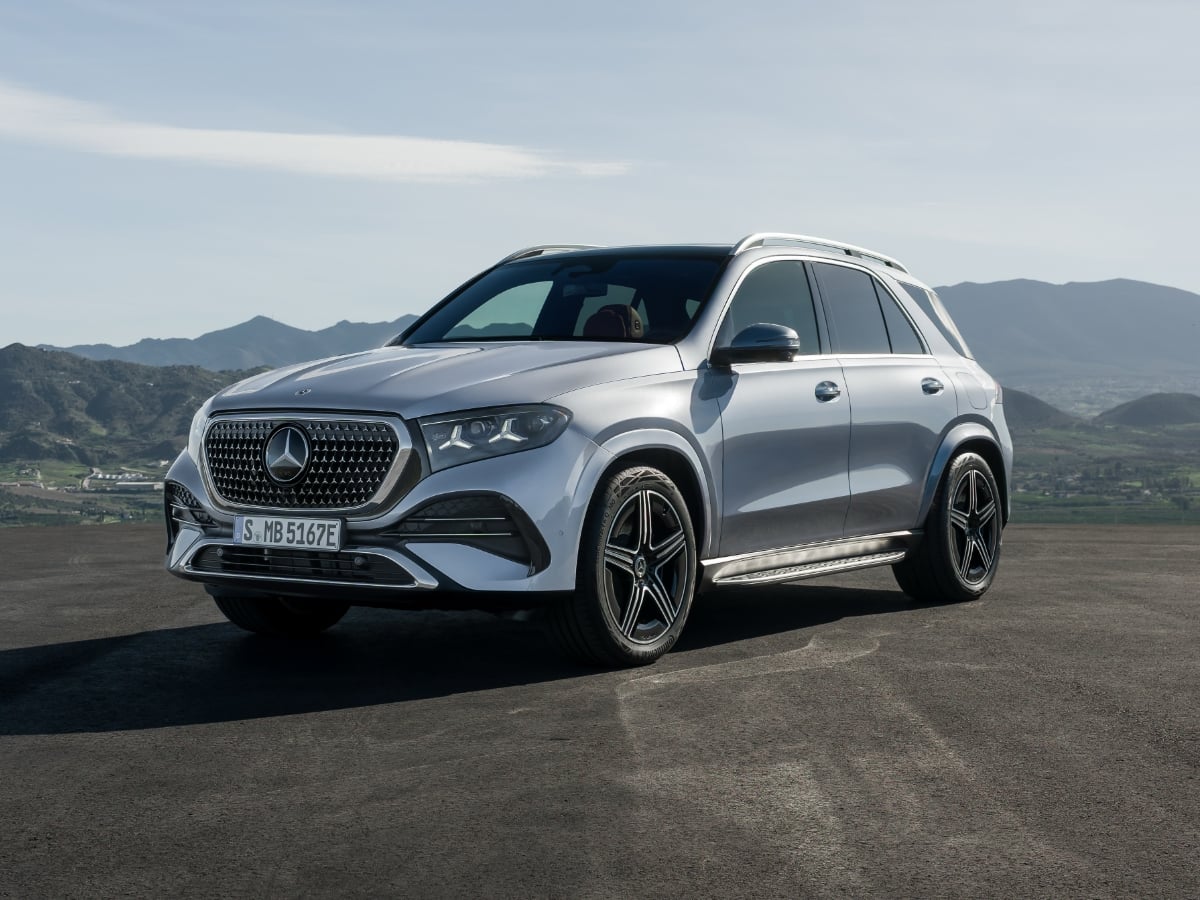
The midsize 2027 Mercedes GLE remains available in original and spicy Coupe recipes, now with standard 4Matic all-wheel drive (AWD), MBUX Superscreen technology, and a panoramic glass sunroof for ...See More
Read the Full Article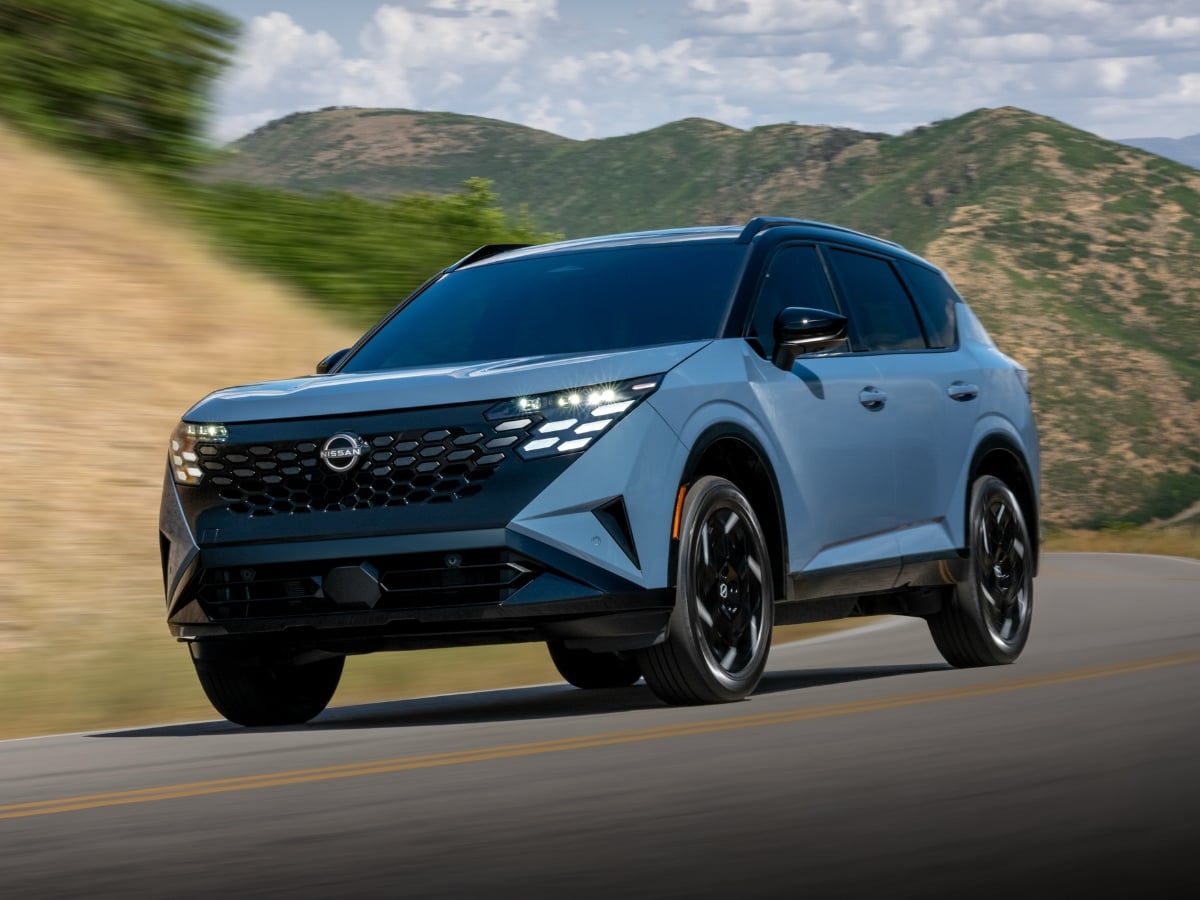
Nissan is about to introduce an innovative new SUV. The 2027 Nissan Rogue Hybrid has a gasoline engine, but it does not power the wheels. Instead, electric motors at each axle provide propulsion, ...See More
Read the Full Article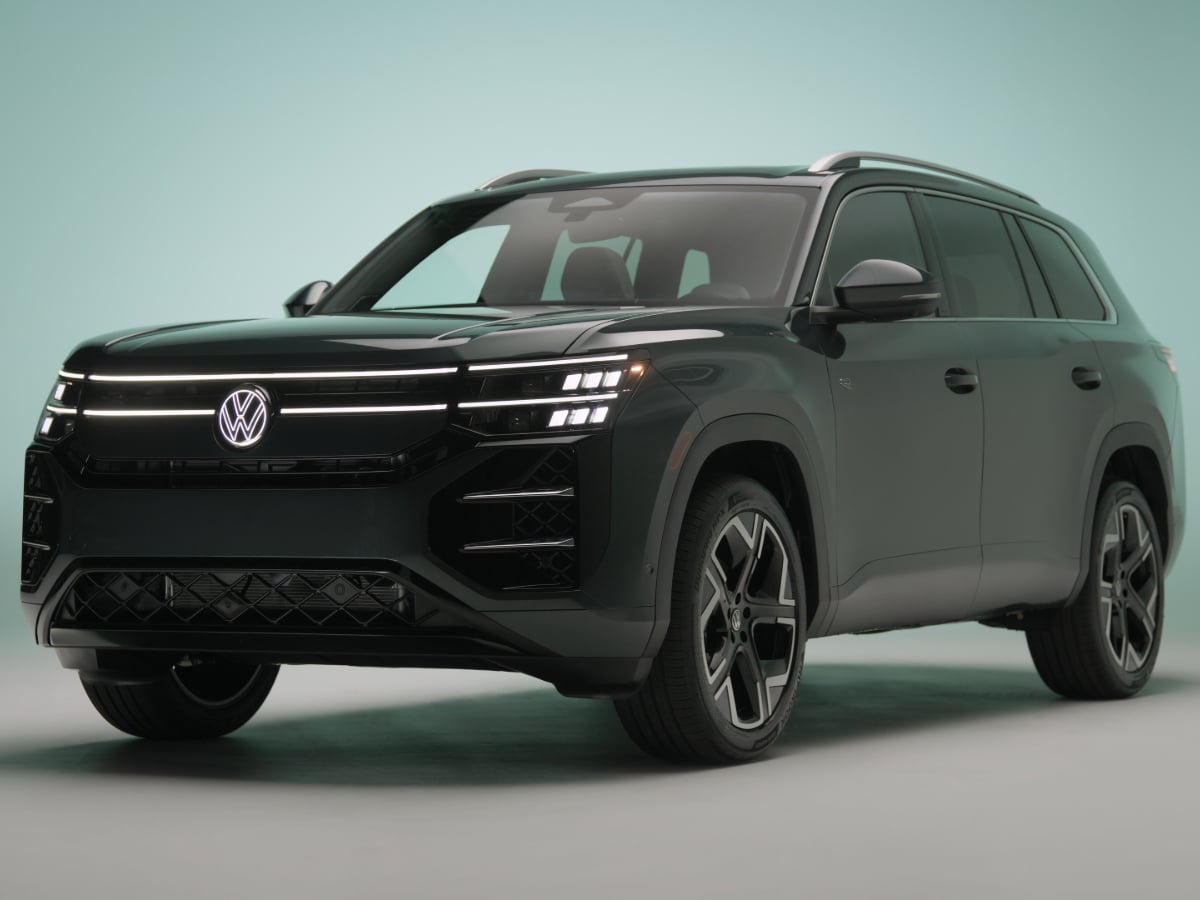
Adding European flair to the otherwise vanilla midsize three-row family SUV market, the redesigned 2027 Volkswagen Atlas debuts with a sharper exterior, an upgraded cabin, more power, and new ...See More
Read the Full Article