
Oil reduces friction between rubbing surfaces and protects the engine from wear by creating a thin film. After the car has been idle, all the oil accumulates in the sump. When starting the engine and the first few seconds after it, the engine runs dry until the oil has been pumped through the whole system. During this time, it’s under a lot of stress.
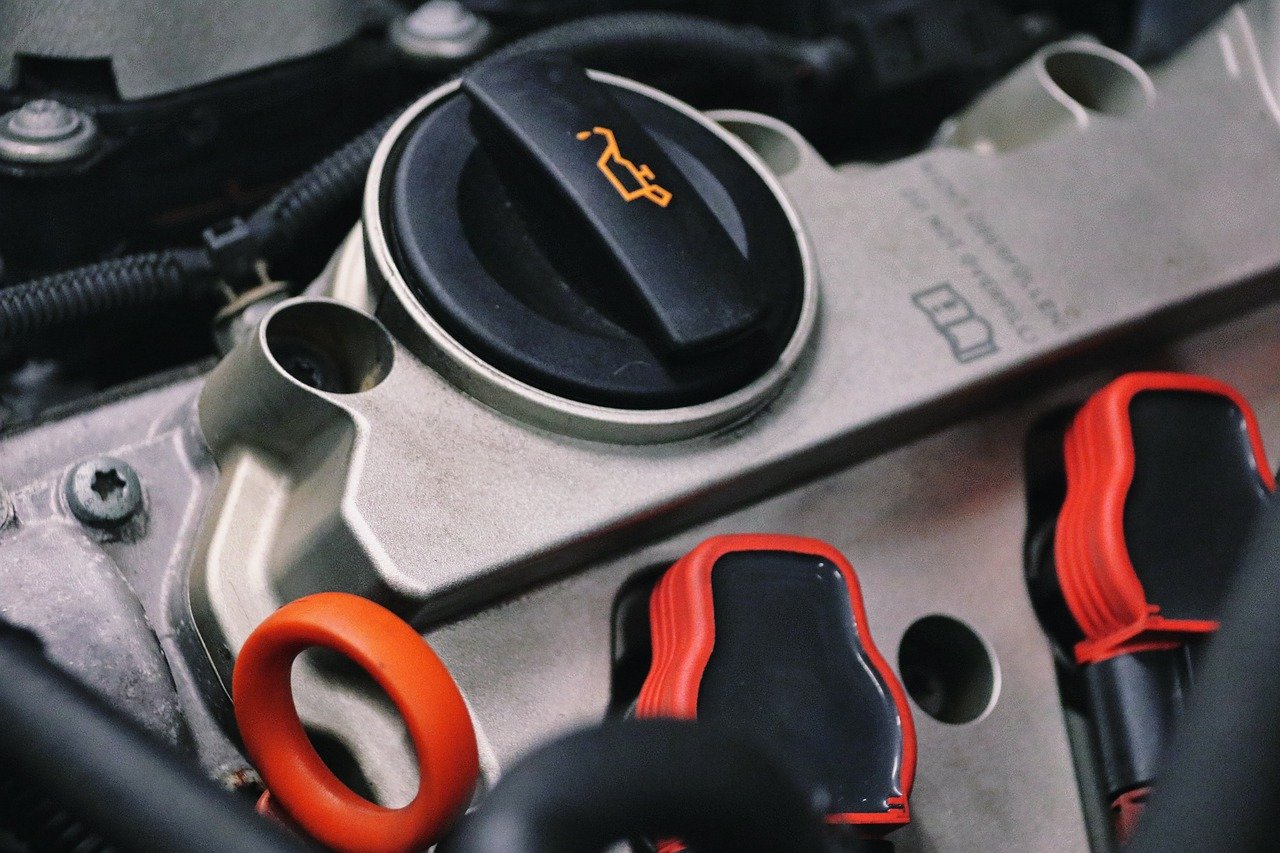
Over time, the oil ages: additives wear out, oil oxidizes, and various contaminants accumulate. Accordingly, the oil performs its functions worse. It is when you must change it and remove all combustion products, spent additives, and residues from the engine. However, as to when exactly it happens, we’ll have to elaborate.
Oil removes heat. The radiator and coolant perform this function, but oil removes heat by washing the friction points themselves. Some engine models even have special oil coolers for greater efficiency.
Oil protects against corrosion. Parts inside the engine work under exceptionally adverse conditions; they are exposed to high temperatures, significant temperature fluctuations, and combustion products. Agents and additives in the oil help avoid corrosion. They are different components of the oil. Agents are substances that change their properties when mixed with oil, while additives do not change properties but add new ones.
Oil removes products of combustion and engine wear. Combustion products (such as carbon deposits and soot) and the inevitable wear products of rubbing surfaces (such as metal dust and chips) accumulate in the oil. These products are then removed when the oil is changed.
The oil change interval is specified in each vehicle's instruction manual. Engine designers determine it by considering the engine characteristics and the vehicle's anticipated operating conditions. For this reason, recommendations on both oil selection and oil change intervals (as well as service intervals) may vary. For long and reliable engine operation, the oil should be changed as often as the car manufacturer recommends it.
The usually recommended period of oil replacement is 6 thousand miles. Manufacturers indicate intervals between 9 and even 12 thousand for some new car models. It means the manufacturer’s confidence in the car’s reliability and a direct reduction of maintenance costs for the owner.
Nevertheless, some experts advise keeping the oil change interval at 10 thousand km. A more frequent oil change benefits the engine, enabling the car to operate longer without any hitches after the warranty expires.
So, with “old” oil:
When buying a used car, it’s a good idea to change the oil immediately. The oil change period is described in the car's instruction manual. A more frequent oil change serves to only benefit your vehicle. So, it’s always a good idea not to delay an oil change and to get it done at the right time.


The Ford Transit is the automaker’s full-size cargo and passenger van offering, designed to serve a wide range of commercial and lifestyle applications. With 37 available configurations, the platform ...See More
Read the Full Article
The Chevrolet Tahoe is a full-size, three-row SUV with a standard V8 engine and available diesel power. Built on the same platform as the Chevrolet Silverado 1500 pickup, the Tahoe benefits from its ...See More
Read the Full Article
It is the end of the line for the Ford Escape. After 25 years as a fixture of Ford’s lineup, 2026 will be the compact SUV’s last model year.
Read the Full Article
The Colorado is Chevrolet’s midsize pickup. It ranks among the segment’s most capable trucks for payload and towing, and can be configured for both work and off-road adventures. For 2026, the ...See More
Read the Full Article