
When a car needs to be stored long term, either due to the owner traveling, extreme weather conditions, or other reasons, there are important steps to take before locking away a vehicle for an extended period of time.

Precautions taken when storing a car account for the fact that the vehicle won’t be in motion. Remaining dormant for a long period of time can cause a series of problems to develop in a car. For example:
Here’s a to-do list to consider before storing a car for a long period of time.
Drain most of the gasoline. It’s a good idea to keep a few gallons of gasoline in the tank with a fuel stabilizer mixed in, but there’s no need to fill the tank, as most modern cars have thick plastic tanks instead of metal ones that can rust over time. The fuel stabilizer ensures the fuel delivery system won’t gum up.
Keep fresh oil in the engine. Keeping fresh oil in the engine helps to ensure the oil won’t break down and deteriorate over time. Older oil that has been there for several thousands of miles may break down more quickly, causing sludge to build up. Fresh oil also means the best possible oil pressure and oil quality is available when the engine is fired up again.
Coat the engine’s cylinders. This simple-yet-effective strategy ensures the cylinders won’t corrode and the piston rings won’t freeze to them. Remove the spark plugs and spray some fogging oil into each cylinder, ensuring it coats the walls, and then screw the spark plugs back in.
Maintain the battery. Keep the battery on a maintainer or tender so it doesn’t degrade and is ready to fire up the engine when needed.
Wrap up the wiper blades. Wrapping the wiper blades in some thin plastic—such as a plastic shopping bag—prevents them from sticking to the windshield and reduces the chance of their rubber degrading over time.
Cover the exhaust system. This is to prevent rodents from making a home in the exhaust system; a blockage could cause serious issues once the car springs back to life.
Elevate the car on jack stands and cover the tires. This is to take load off the tires and prevent flat spots from occurring. Additionally, if the car is stored outside, it’s a good idea to cover the tires with trash bags or special trailer tire covers, which prevents damage from UV rays.
Thoroughly clean the interior. Removing crumbs, dust, dirt, and anything else from the interior means there’s less chance bugs and rodents will move in. Additionally, the smell of interior cleaning chemicals will help ward off rodents. Lightly spritzing leather and other hard surfaces with food grade diatomaceous earth will make it a very caustic place for bugs to live. The powder is easy to wipe off once the car is back in service.
Wash, clay bar, and wax the car’s exterior. Thoroughly removing contaminants and then protecting it means the paint will stay protected from changes in temperature, debris, and other weather factors. Instead of waxing, it wouldn’t hurt to apply a ceramic coating, which strongly adheres to the paint at a microscopic level and protects it.
Throw on a car cover. This is an added level of protection and should only be installed after a thorough washing and protecting. Also make sure the cover is lightly breathable.
No parking brake. Parking brake discs and drums can fuse together after extended periods of time, so make sure they’re disengaged.
Park over a tarp. This prevents any leakage from entering the ground, and also ensures grasses won’t grow up into the car’s underbody. Additionally, it helps prevent moisture from accumulating underneath the vehicle, which could cause rust to form over time.
Utilize rodent repellent. Putting rodent repellent under a car’s hood and in its interior helps keep these pests away so they don’t nest within the engine and chew on and destroy wires. If in a pinch, dryer sheets also help keep these small mammals away.
Taking proactive steps to properly store a car helps maintain it over an extended period of inactivity. These precautions also keep bugs and rodents away. There are quite a few things to do, but with a little preparation and time, the car should run as if no time passed at all in between startups.



The new 2027 BMW i3 boasts an estimated range of up to 440 miles, 400-kilowatt DC fast charging capability, bidirectional charging to a home or the grid, and next-generation technology.
Read the Full Article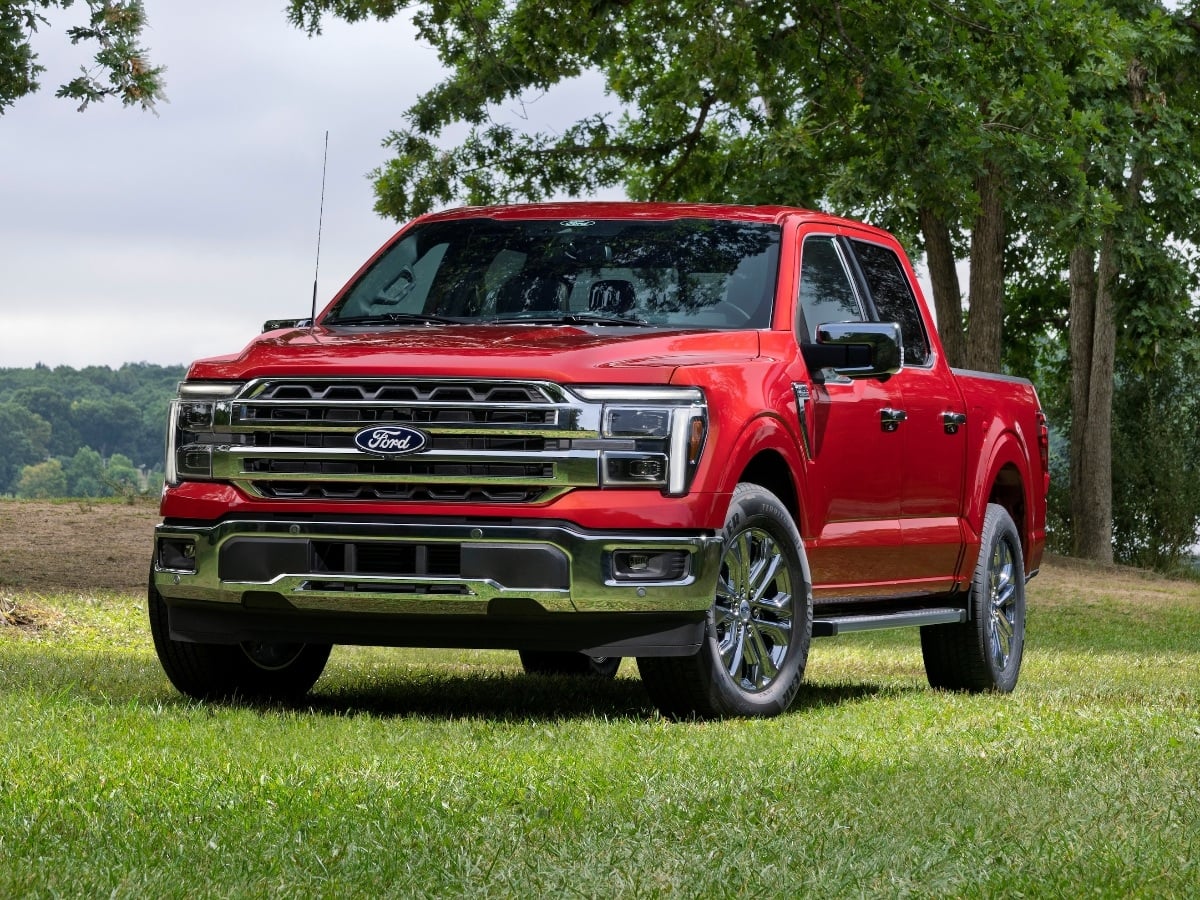
Facing renewed competition in the full-size, light duty pickup truck segment, the 2027 Ford F-150 receives subtle styling updates, a new standard engine, broader availability of its 5.0-liter V8, and ...See More
Read the Full Article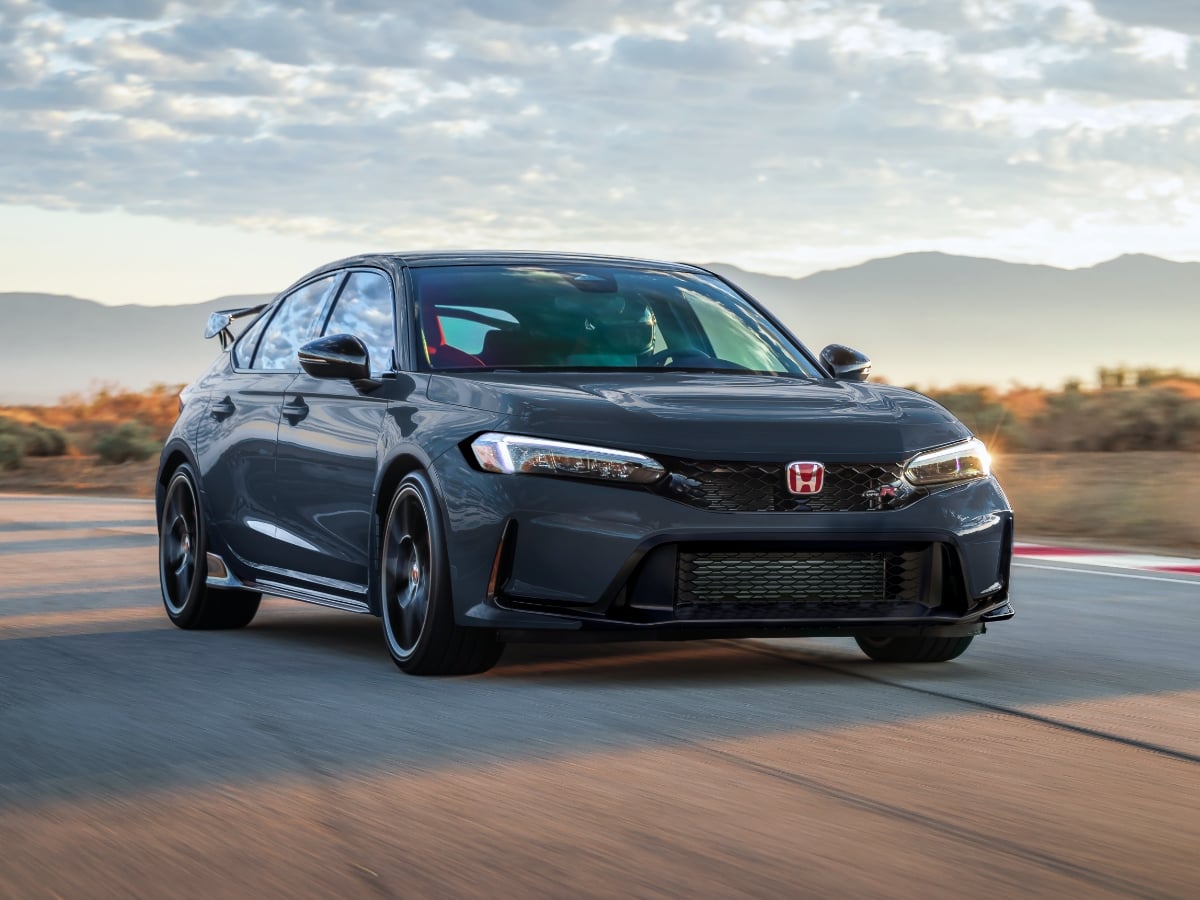
The 2027 Civic Type R goes on sale in October 2026, and it starts at $49,990, including the $1,295 destination charge.
Read the Full Article
Part of BMW’s Neue Klasse (new class) rollout of redesigned models, the 2027 BMW 3 Series is all-new and goes on sale in the first quarter of 2027.
Read the Full Article