
Maintaining a car has always required work. Whether changing the oil or the air filter, installing new wiper blades, or checking the transmission fluid, you need to properly maintain your vehicle for the best performance. There is much less maintenance involved when you own an electric vehicle (EV), but while EVs are zero-emission, they are not zero-maintenance.

This article will explain how EV maintenance differs from how you service an internal combustion engine (ICE) vehicle. Essentially, anything involving the powertrain is dramatically different, but most other components need the same care as a gas-powered car.
The average ICE has over 1,000 parts, many of which must be maintained. Unlike ICE vehicles, EVs use motors to power the wheels. This dramatically reduces the number of moving parts in the powertrain, which means the car needs less care to keep everything working correctly. When the Chevrolet Bolt EV came to market in 2016, it made headlines for only requiring tire rotations and air filter changes for the first 150,000 miles.
Each new EV has its own recommended maintenance schedule for non-powertrain-related items. In general, you can follow a similar program as you would for an ICE model. You should replace your wiper blades when they can no longer keep the windshield clear in inclement weather. Also, you should change consumable items as outlined in the owner's manual. For example, Tesla recommends changing the cabin air filter in its EVs every two or three years, depending on the model. You should replace the air conditioner's desiccant bag every three to six years.
You should also rotate and replace the tires regardless of the powertrain. The U.S. Department of Transportation (DOT) recommends replacing tires when the tread depth reaches 2/32nd of an inch.
Regenerative-braking systems in EVs perform some of the work that physical brake pads would do to slow down the car, so they suffer less wear. This means the schedule to change brake fluid might be different, too. Hyundai recommends changing the brake fluid in the 2022 Elantra—an ICE model—every 48,000 miles. In the all-electric 2022 Ioniq 5, the recommendation is every 60,000 miles. The Bolt EV can go 150,000 miles before Chevy recommends changing the brake fluid. Tesla recommends checking the brake fluid for contamination every two years and replacing it if needed.
The manner in which you inspect and rotate an EV's tires is the same, but it might be more challenging to remember when to rotate them. Drivers of ICE vehicles who rotate their tires when they change their oil will need a new reminder system. There's no particular time requirement for when an EV needs its tires rotated, but a good rule of thumb is every 5,000 to 8,000 miles, no matter the powertrain.
Ford recommends rotating the tires on the Mustang Mach-E every 10,000 miles. Hyundai says 5,000 miles for the Ioniq 5. Tesla recommends rotating the tires on its vehicles every 6,250 miles. The dedicated EV maker, known for the quick zero-to-60-mph times in its Ludicrous and Plaid trims, also warns that "aggressive driving can lead to premature tire wear and may require more frequent tire service."
Technically, the traction battery—the one that powers the electric motors that turn the wheels—isn't a defined maintenance item in an EV's owner's manual. Automakers warranty the batteries for eight years or 100,000 miles under normal usage. Some EV drivers program their cars not to charge beyond 80 percent. Likewise, they try not to let the battery's state of charge drop below 20 percent to extend its service life.
Electric vehicles eliminate some of the maintenance chores of owning any car. Because an EV's powertrain is mechanically simpler, less work is required to keep it running. Still, you shouldn't skip performing the fewer suggested maintenance items that remain.
Check out our Shopping Guides section if you'd like to learn more about EVs.


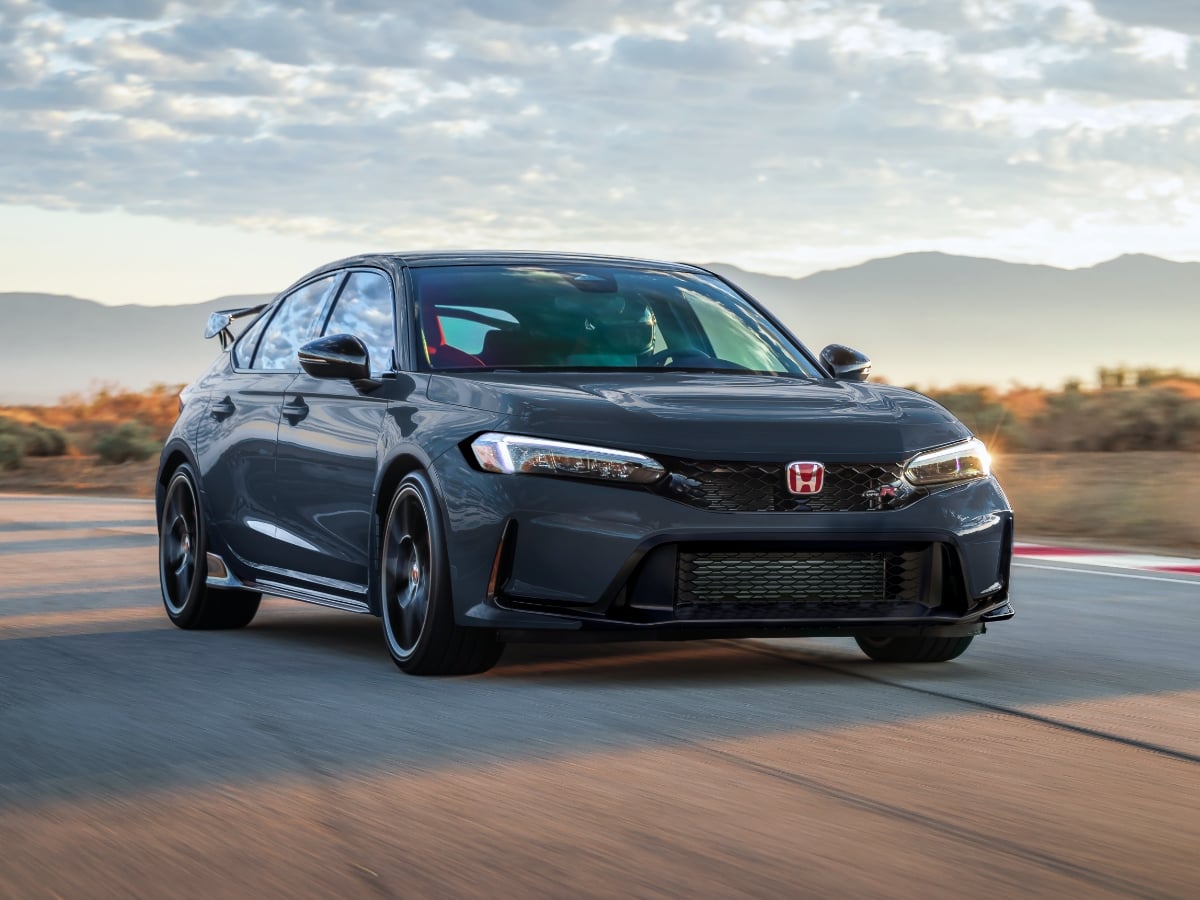
The 2027 Civic Type R goes on sale in October 2026, and it starts at $49,990, including the $1,295 destination charge.
Read the Full Article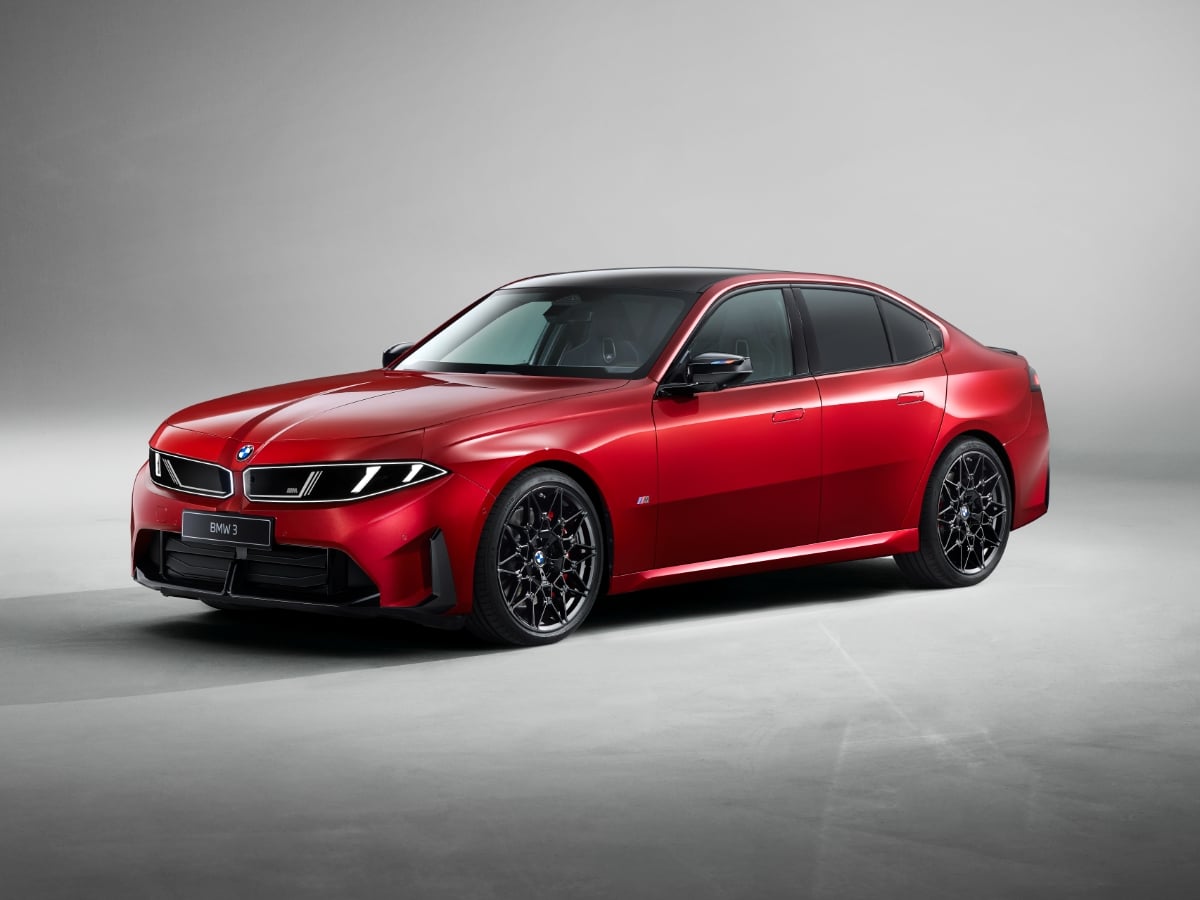
Part of BMW’s Neue Klasse (new class) rollout of redesigned models, the 2027 BMW 3 Series is all-new and goes on sale in the first quarter of 2027.
Read the Full Article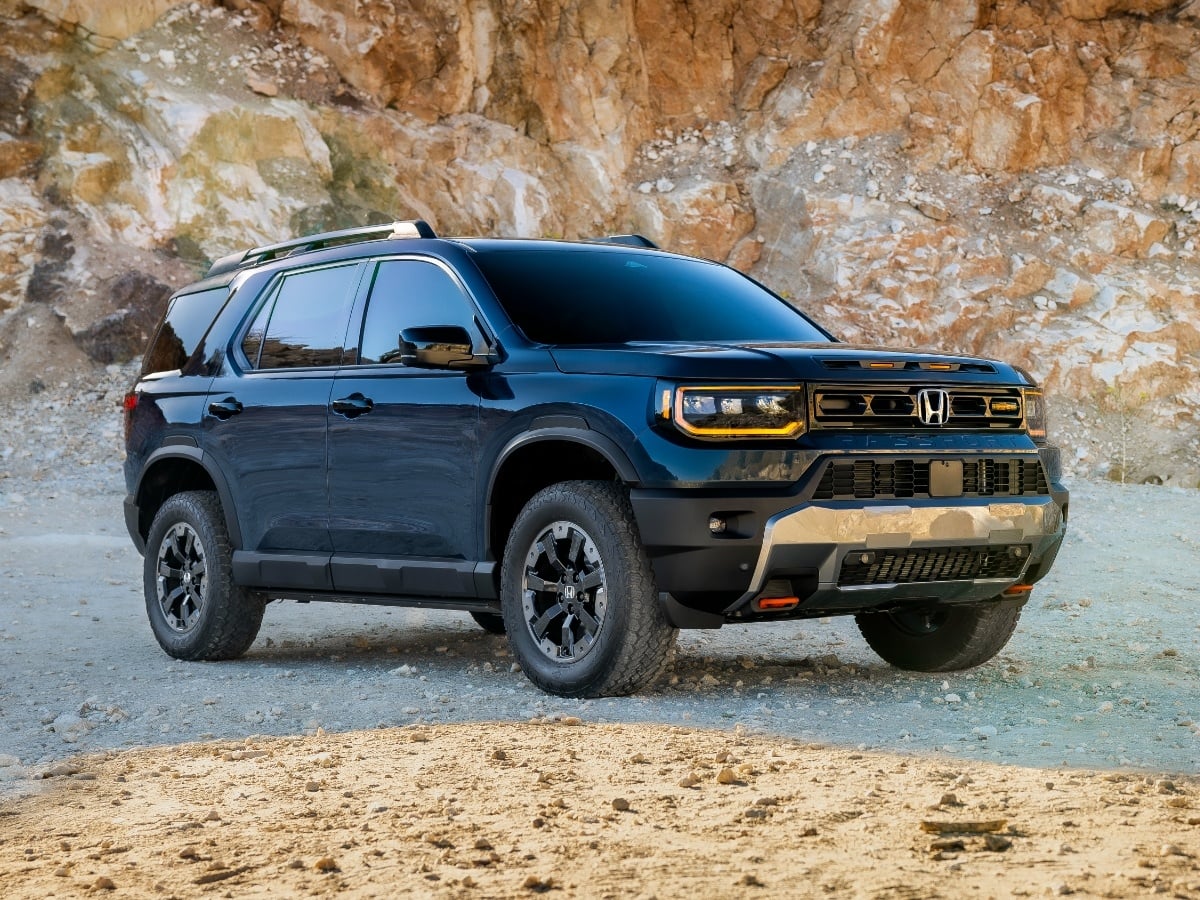
Updates to the 2027 Honda Passport TrailSport include a reworked suspension, improved steering, subtle styling enhancements, and added standard equipment.
Read the Full Article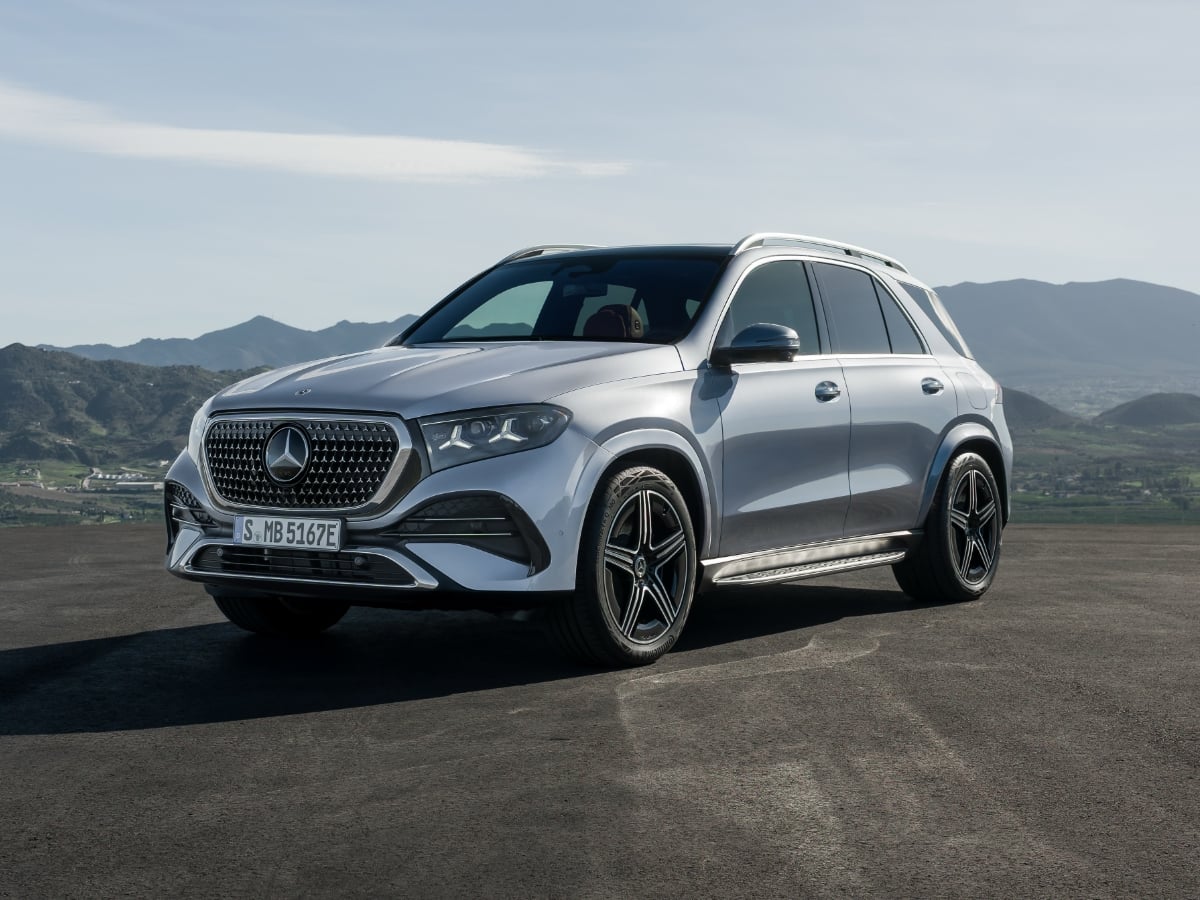
The midsize 2027 Mercedes GLE remains available in original and spicy Coupe recipes, now with standard 4Matic all-wheel drive (AWD), MBUX Superscreen technology, and a panoramic glass sunroof for ...See More
Read the Full Article