
Ford Motor Company proudly declares that it prioritizes customer satisfaction. The company has released a special maintenance guide to ensure owners are content with their vehicles by explaining how to keep them in the best possible condition. Owners must follow specific rules to ensure the proper operation of their Ford vehicles. Although every model has specific requirements, this article will outline general information.

Please note that vehicles used under severe conditions, such as towing trailers or using a car-top carrier, operating in severe dust conditions, extensive idling (such as police, taxi, or door-to-door delivery service), or short trips of less than 10 miles when outside temperatures remain below 0°F, are subject to other maintenance stipulations.
PCV valve replacement is a crucial maintenance task for your vehicle. The PCV valve, which stands for positive crankcase ventilation valve, is a recirculation system that allows the engine to burn motor oil impurities and harmful substances that would otherwise enter the atmosphere in the combustion chamber. This system reduces harmful emissions and helps decrease damage to the environment. Ford provides free PCV valve replacement at 60,000 miles to show their commitment to keeping the environment clean. You can contact your dealer and request a replacement if your vehicle has reached this mileage.
At every 5,000, 10,000, and 15,000 miles traveled, schedule changing the motor oil and replacing the oil filter, rotating tires, and adjusting air pressure. It also applies to 20,000 and 25,000 miles.
When your car reaches 30,000 miles, maintenance services become more extensive. It is necessary to:
The same applies to cars that cover 60,000, 90,000, and 120,000 miles.
For optimal performance, do these monthly procedures:
Every spring and fall, do the following:
Once a year, lubricate all hinges, latches, all outside key locks, and door rubber weatherstrips. Clean the body water drain holes. Remember to check the air conditioning system before the warm weather season, the power steering fluid level, the engine cooling system, hoses, and clamps.
For optimal performance, Ford recommends checking the motor oil level, the coolant level in the recovery bottle, and the windshield washer fluid level each time you stop to refuel. While operating your vehicle, it is advised to take note of any changes in the sound of the exhaust or the presence of any exhaust fumes, check for vibrations in the steering wheel, and observe if your vehicle constantly turns slightly or "pulls" to one side of the road, as these are clear indications of problems.
To preserve your Ford's performance, follow a simple plan that the company's engineers designed. You don't need to come up with anything. Make sure to conduct routine checks, change the motor oil and replace oil filters regularly, rotate tires, and adjust air pressure. Refer to the manual for procedures specific to your model, and ensure all recommended maintenance services are carried out at the recommended intervals.


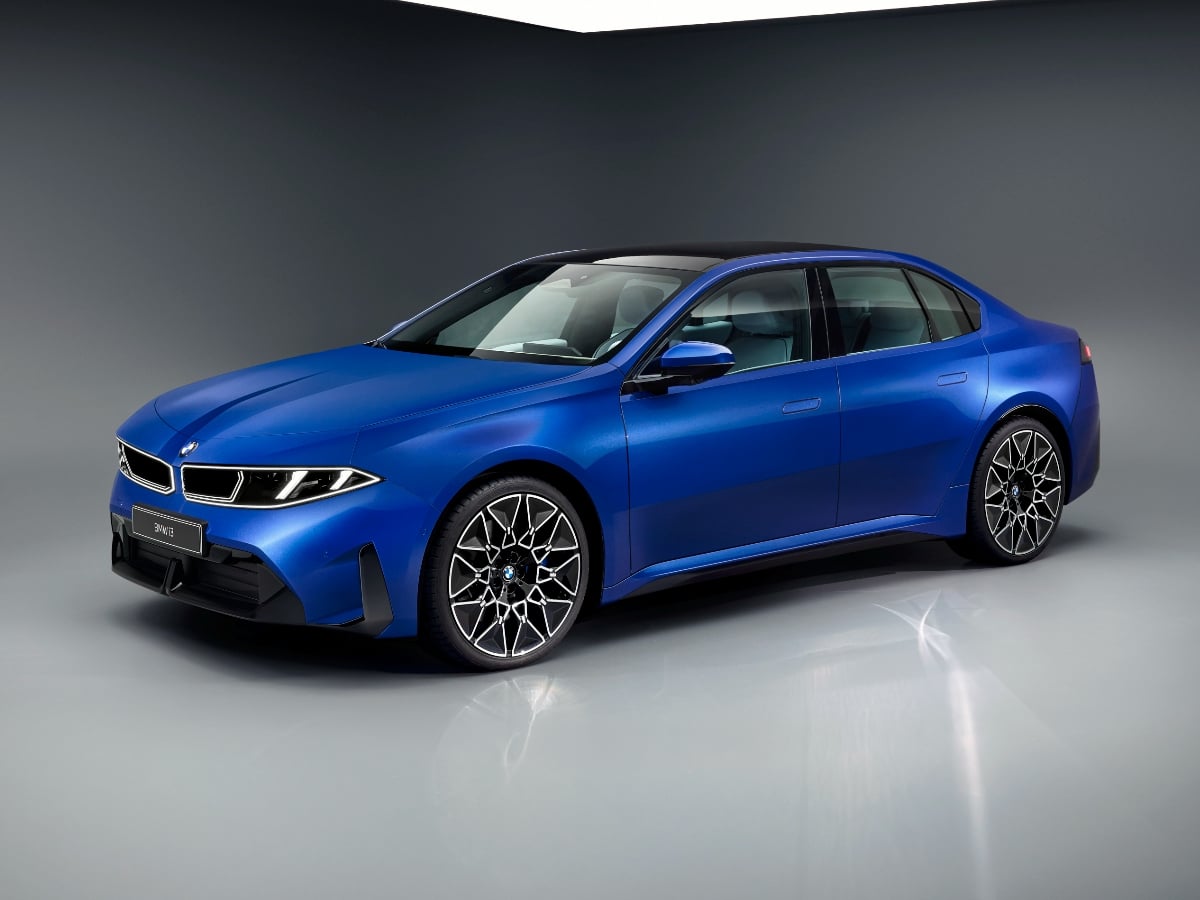
The new 2027 BMW i3 boasts an estimated range of up to 440 miles, 400-kilowatt DC fast charging capability, bidirectional charging to a home or the grid, and next-generation technology.
Read the Full Article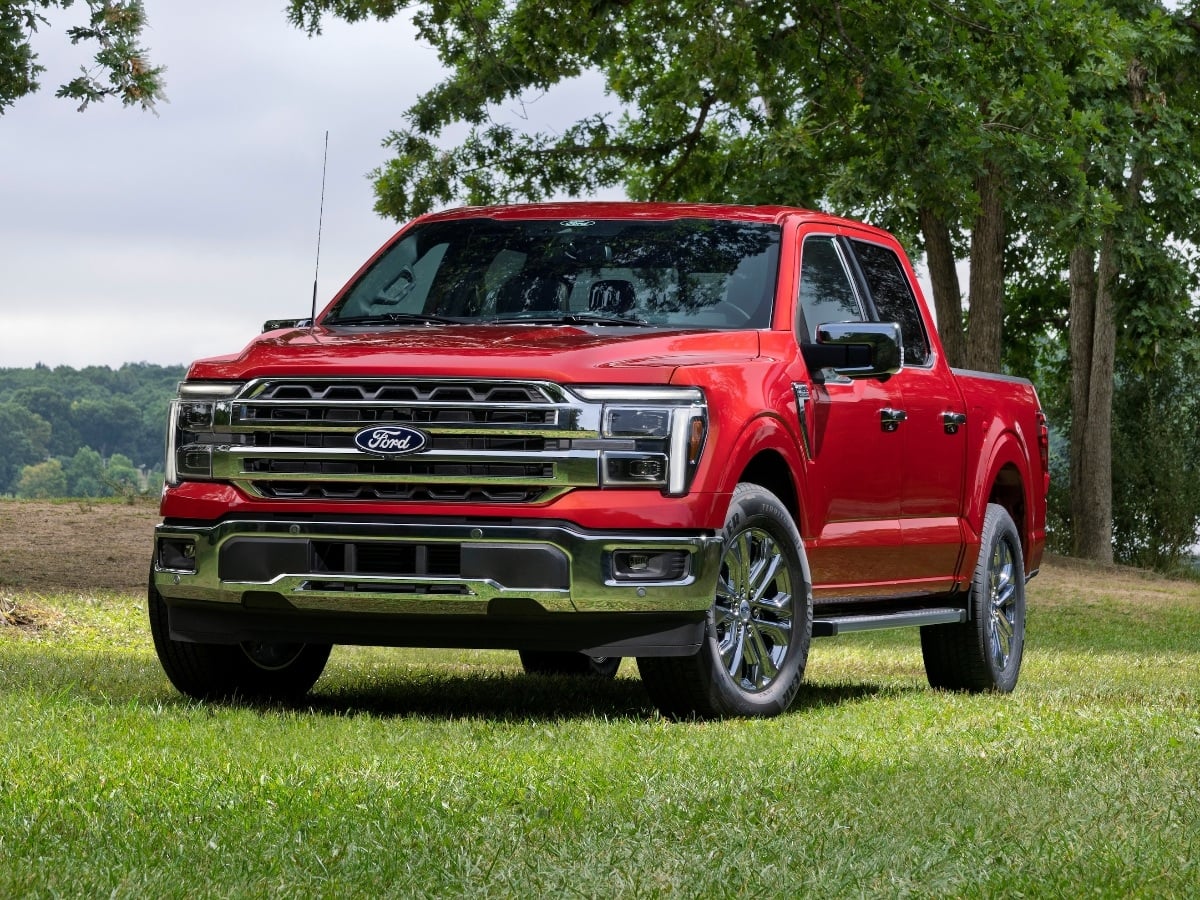
Facing renewed competition in the full-size, light duty pickup truck segment, the 2027 Ford F-150 receives subtle styling updates, a new standard engine, broader availability of its 5.0-liter V8, and ...See More
Read the Full Article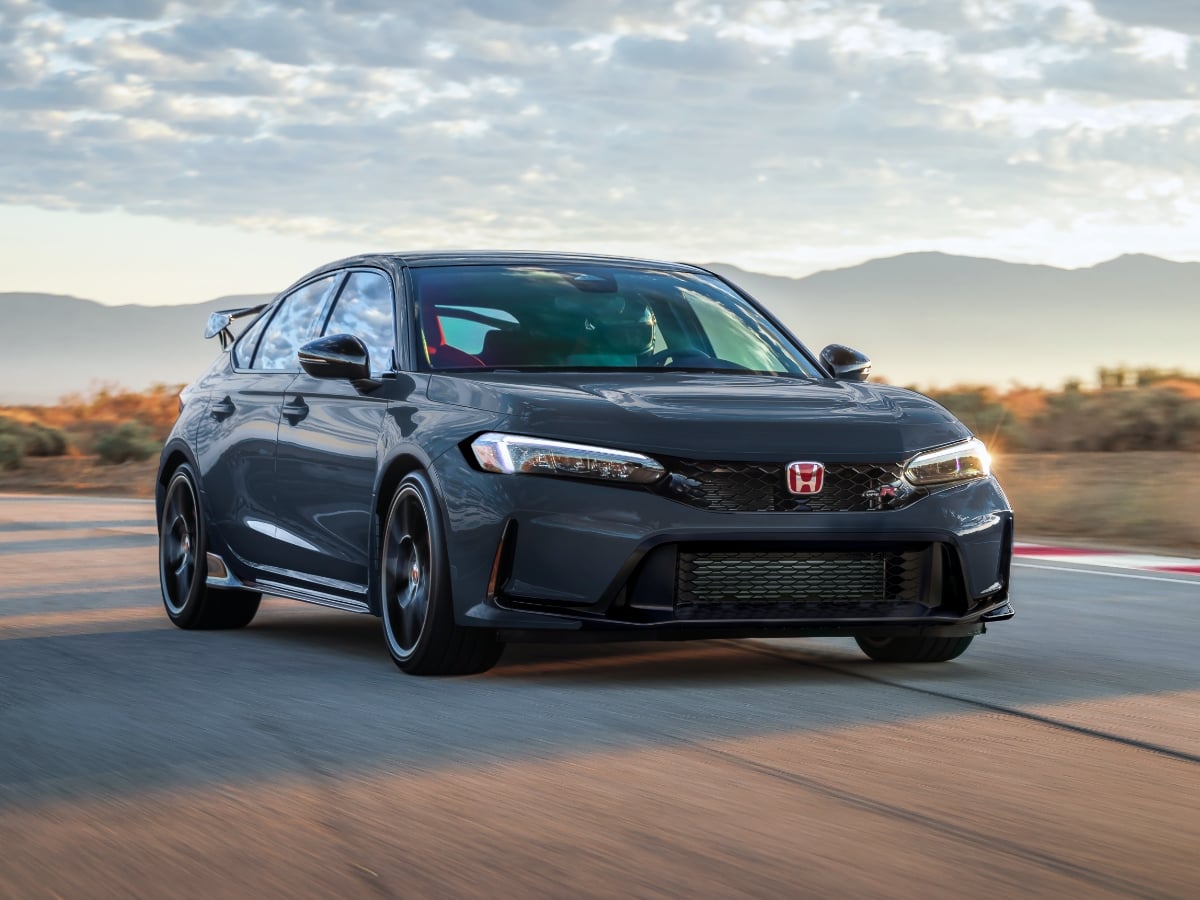
The 2027 Civic Type R goes on sale in October 2026, and it starts at $49,990, including the $1,295 destination charge.
Read the Full Article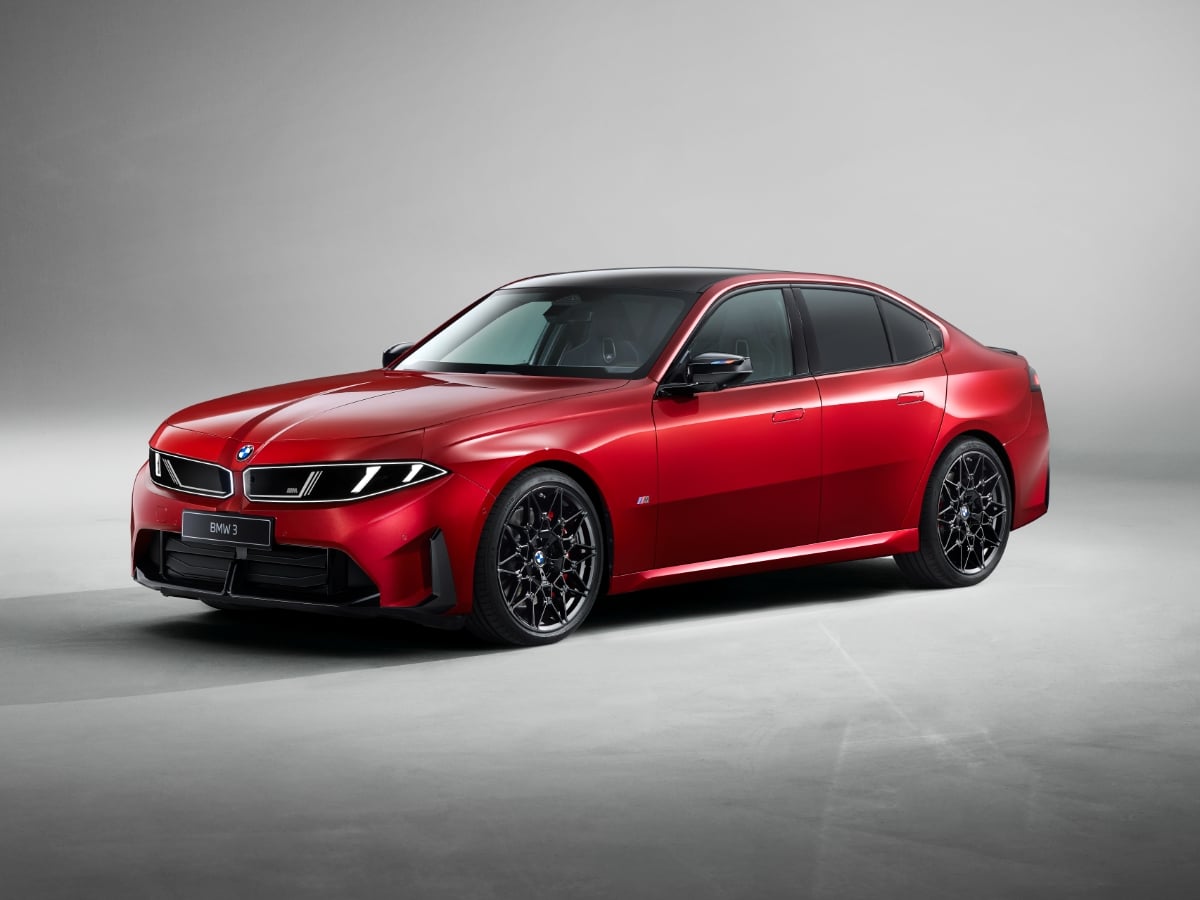
Part of BMW’s Neue Klasse (new class) rollout of redesigned models, the 2027 BMW 3 Series is all-new and goes on sale in the first quarter of 2027.
Read the Full Article