
While the introduction of new powertrains has transformed which components make up a vehicle, catalytic converters are still used in both hybrid and traditional internal combustion engine (ICE) vehicles.

A catalytic converter is a crucial element of a vehicle’s exhaust system and functions by leveraging chemical reactions to convert engine pollution into a less harmful substance to the environment. This involves converting carbon monoxide, nitrogen oxide, and hydrocarbon into carbon dioxide, water vapor, and nitrogen.
Since hybrid vehicles still use gasoline, they contain exhaust systems similar to traditional internal combustion engines. Thus, hybrids require catalytic converters for the same purpose. However, since Battery Electric Vehicles (BEVs) do not use gasoline, they do not necessitate an exhaust system and thus do not use catalytic converters.
Not only do hybrids use catalytic converters, but their catalytic converters require a higher emissions standard than their non-hybrid counterparts. This is due to hybrid catalytic converters operating at a lower temperature since the combustion engine does not operate full-time. To mitigate the natural temperature difference, hybrid catalytic converters use precious metals including platinum, palladium, and rhodium.
While there’s been an increase in catalytic converter thefts for all vehicles, the greater volume of precious materials in each hybrid’s catalytic converter makes them more valuable to thieves than the catalytic converters in conventional vehicles.
The second-generation Toyota Prius, which was produced from 2004 to 2009, is particularly vulnerable to theft. This generation of the Prius saw theft claims increase 40-fold from 2016 to 2020. To highlight the difference in value between a hybrid and a non-hybrid vehicle’s catalytic converter, the scrap price value for the 2004 to 2009 Toyota Prius was $1,022 whereas a 2007 Ford F-150 FX4 catalytic converter’s recent scrap price was just $143.
Policymakers have worked at both the state and local levels to address the rise in theft of catalytic converters. While all 50 states have passed bills to prevent converter thefts, Ohio introduced a bill requiring proof of ownership to sell catalytic converters. Local communities have also increased awareness of the issue by launching anti-theft programs.
Owners can take precautions to limit the likelihood of theft of their catalytic converters by etching their vehicle’s VIN into its catalytic converter or by installing an anti-theft device.
Other strategies to avoid theft are more behavioral. For instance, by parking closer to a wall or other cars, drivers limit a potential thief’s access to underneath the vehicle. Parking in garages, in well-lit areas, and near entrances can further deter a thief.
Toyota has taken note of the rise in catalytic converter theft and has introduced an optional protection package on their recently redesigned Prius. The hybrid can be ordered with a Stainless Steel Cat Shield™ by MillerCAT that is made of 5052 grade stainless steel and includes a tamper-proof screw kit. In addition to being designed to protect the converter, it also adds corrosion resistance. This $200 optional shield can be installed by the dealer and provides peace of mind to Prius owners.
Catalytic converters are a vital component in providing cleaner emissions for both hybrid and internal combustion engine vehicles. Hybrid catalytic converters operate at a lower temperature than their ICE counterparts and leverage precious metals to mitigate the temperature difference. While the value of these metals has made hybrids more susceptible to catalytic converter theft, there are precautions hybrid owners can take to reduce the risk.
Matt Yantakosol is a lifelong automotive enthusiast and former consultant focused on the consumer aspect of the industry. He has traveled to New York, Detroit, Chicago, L.A., Paris, Geneva, Frankfurt, and Tokyo Auto Shows to track and observe the newest industry innovations. In addition to JDPower.com, Matt's writing has appeared on Pcarmarket.com.


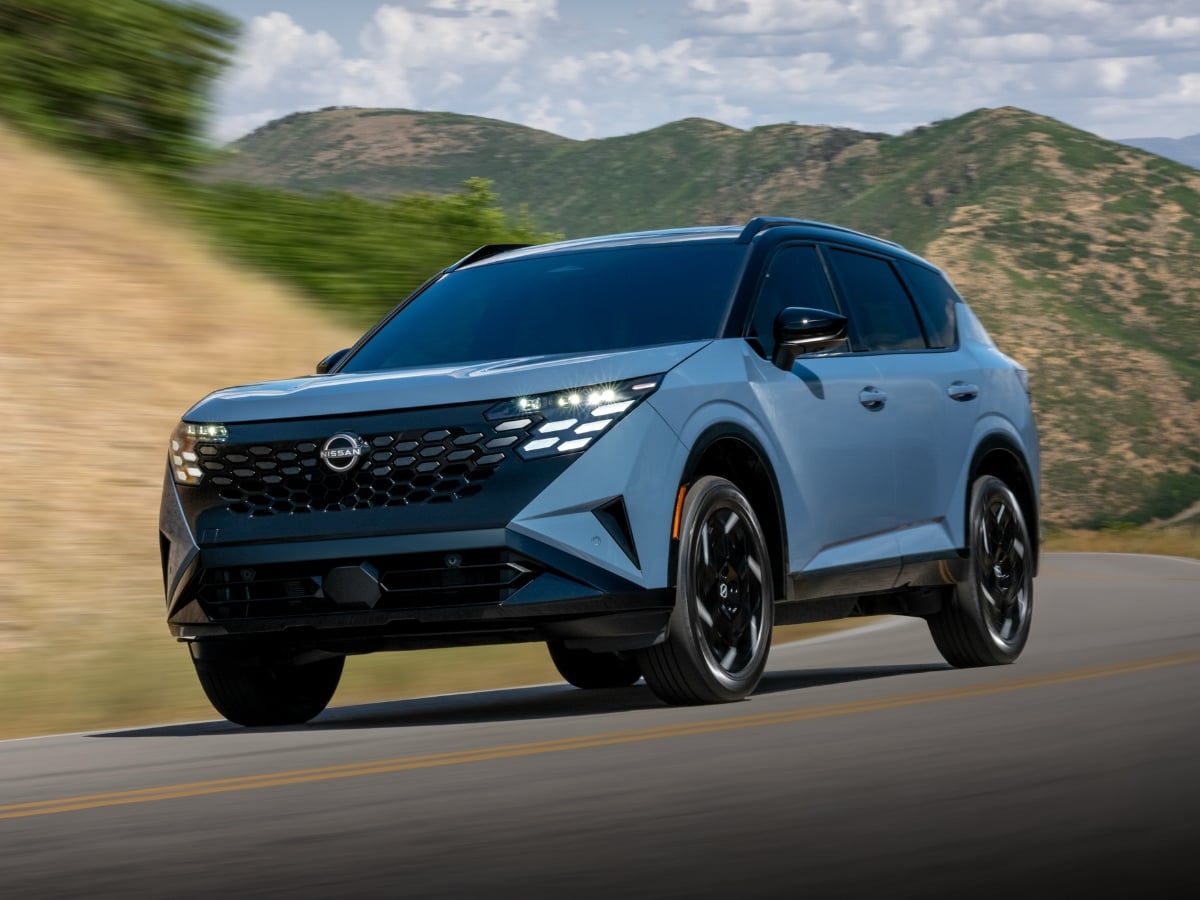
Nissan is about to introduce an innovative new SUV. The 2027 Nissan Rogue Hybrid has a gasoline engine, but it does not power the wheels. Instead, electric motors at each axle provide propulsion, ...See More
Read the Full Article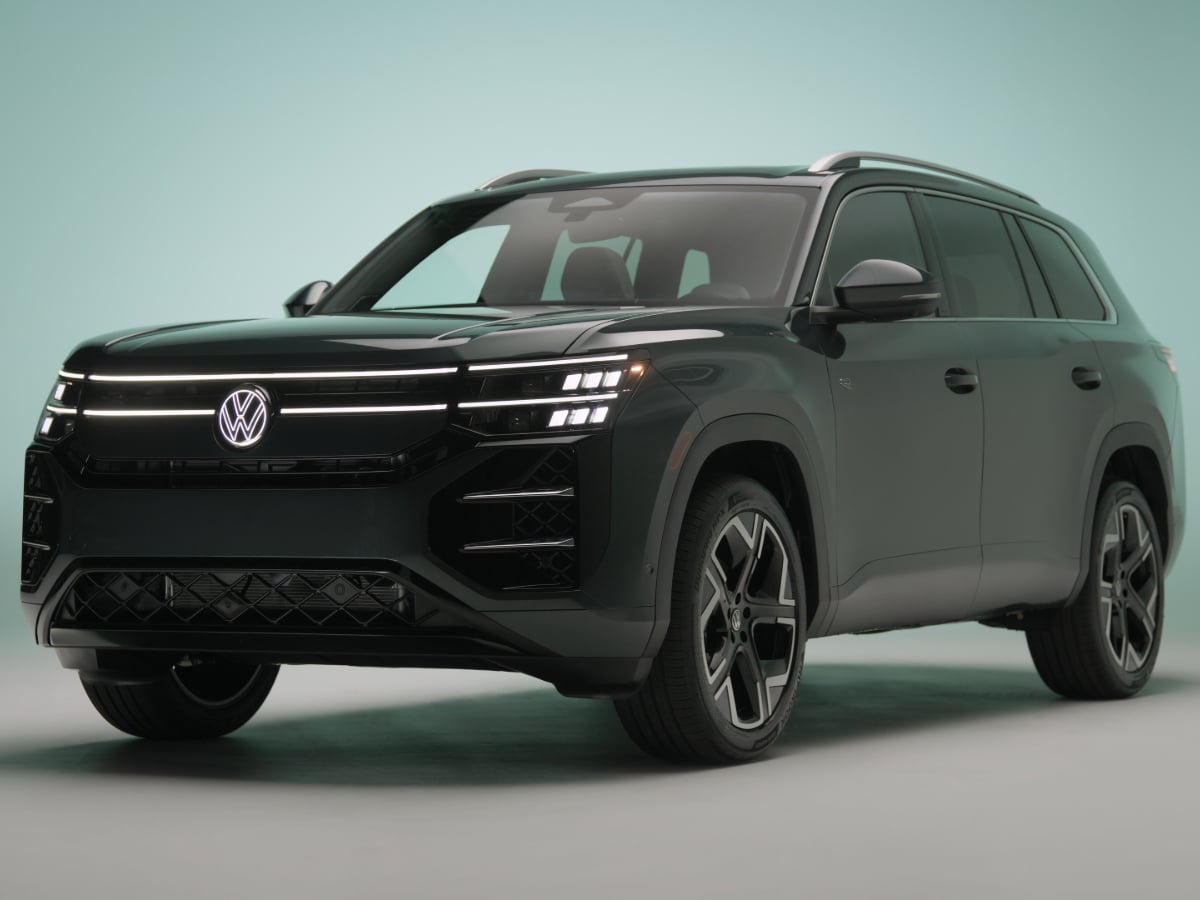
Adding European flair to the otherwise vanilla midsize three-row family SUV market, the redesigned 2027 Volkswagen Atlas debuts with a sharper exterior, an upgraded cabin, more power, and new ...See More
Read the Full Article
Though the styling stays largely the same, a massive boost in electric range for the plug-in hybrid (PHEV), plus a refined design, helps the 2028 Volvo XC60 stay current and desirable.
Read the Full Article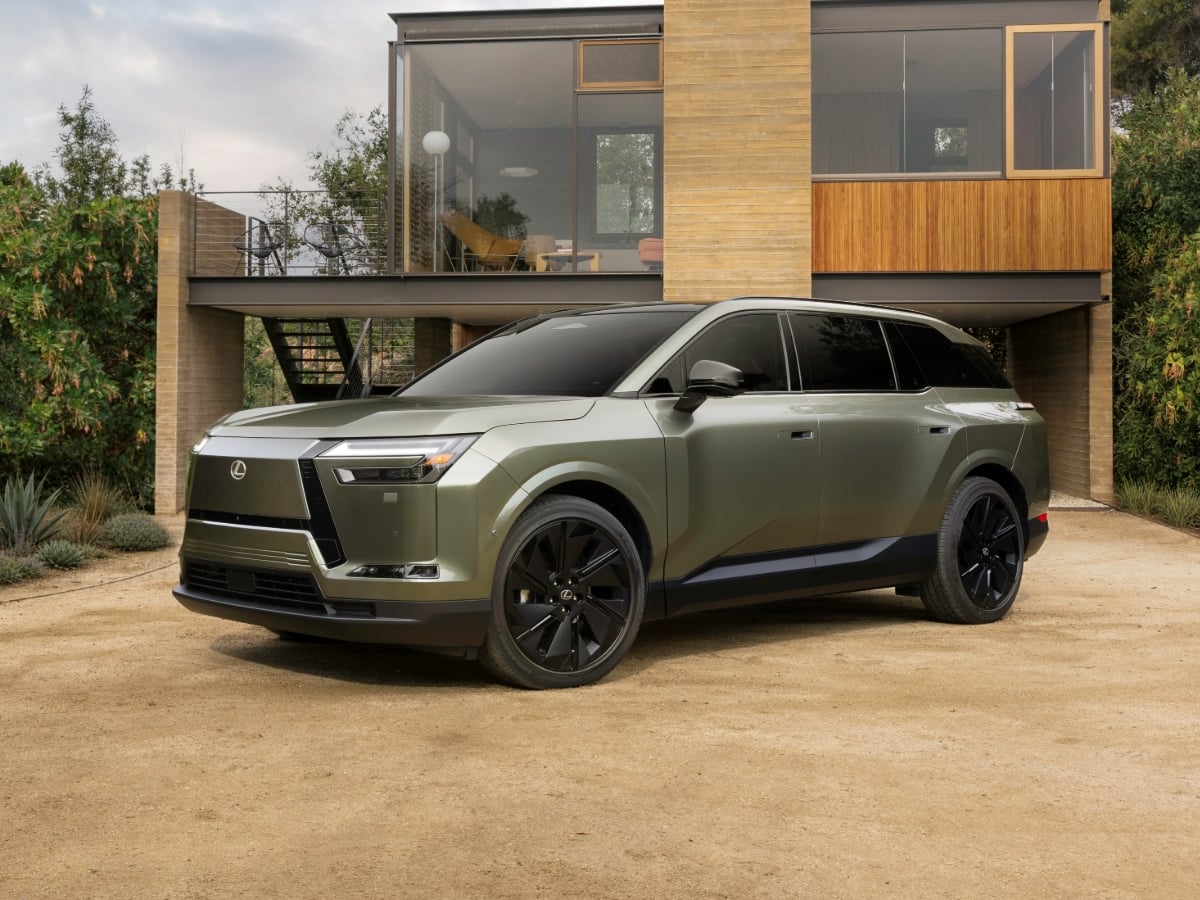
With the 2027 Lexus TZ, Toyota Motor’s luxury division introduces its first three-row all-electric SUV, featuring a lounge-inspired interior, an enhanced all-wheel drive (AWD) system, and up to 300 ...See More
Read the Full Article