49 - 57
50 - 56
194 - 196
1 speed, CVT w/OD
Gas/Electric I-4
All Wheel Drive, Front Wheel Drive

Photo: Kevin Nguyen
The Toyota Prius competes in the Compact Car market segment. According to data collected from verified new-vehicle buyers for the JD Power 2023 Automotive Performance, Execution and Layout (APEAL) Study, compact car buyers rated their vehicles in 10 primary categories.
Listed below in descending order, you'll find their preferences, from their most favorite thing about their compact cars to their least favorite:

Photo: Kevin Nguyen
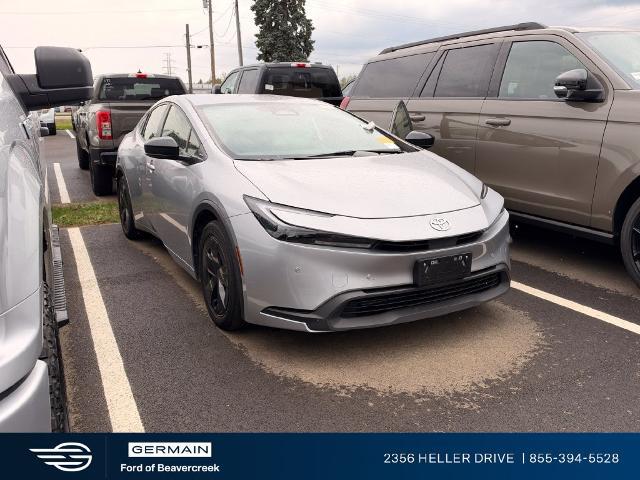
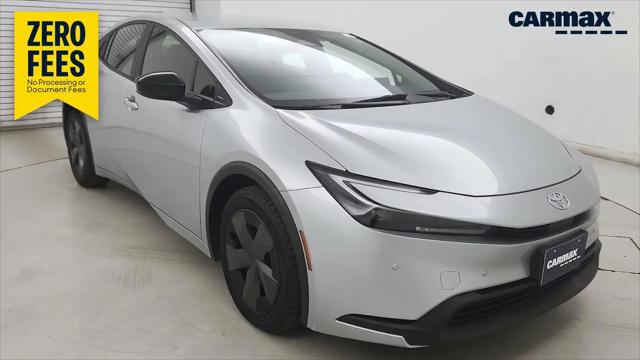
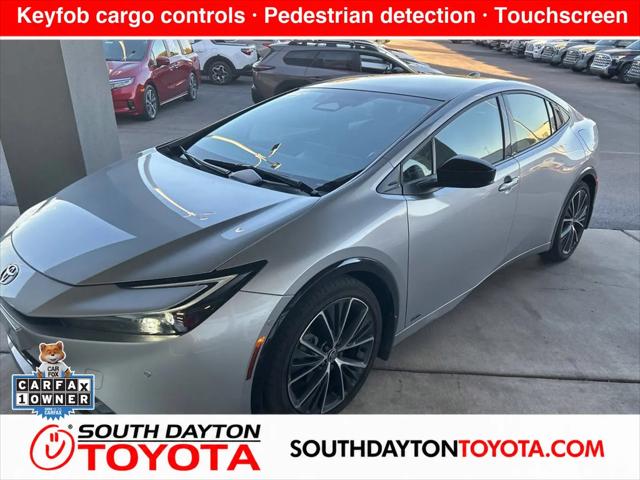
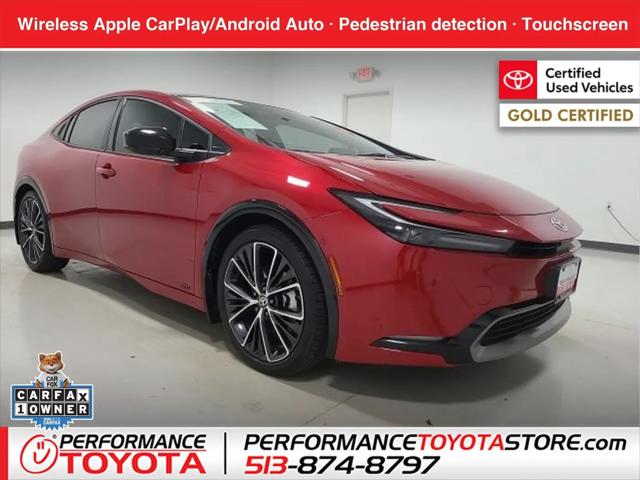
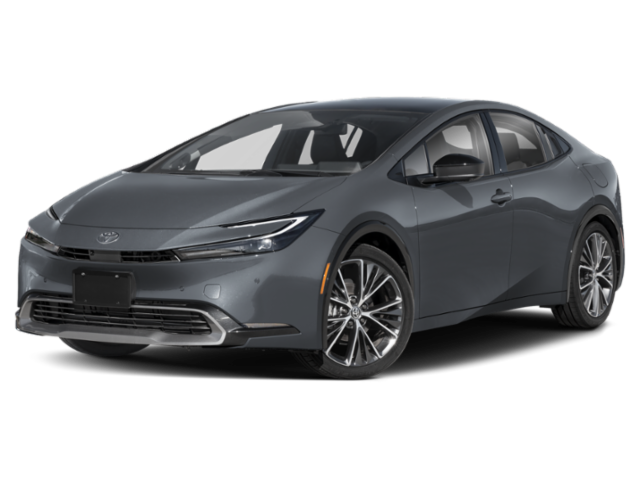
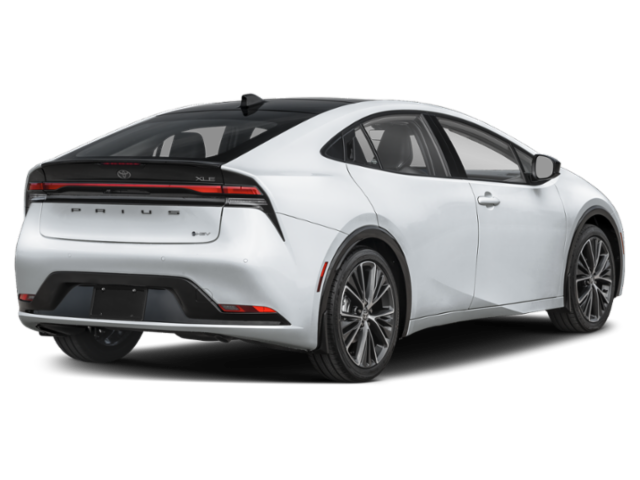
In the following sections, our independent expert analyzes a 2024 Toyota Prius Limited equipped with a digital rearview mirror and a Premium package. The test vehicle's price totaled $37,395, including the $1,095 destination charge.

Photo: Kevin Nguyen
While there's no getting around the fact that the Prius is a small car, Toyota gave it large door openings and a friendly shape that makes entering and exiting the vehicle a breeze.
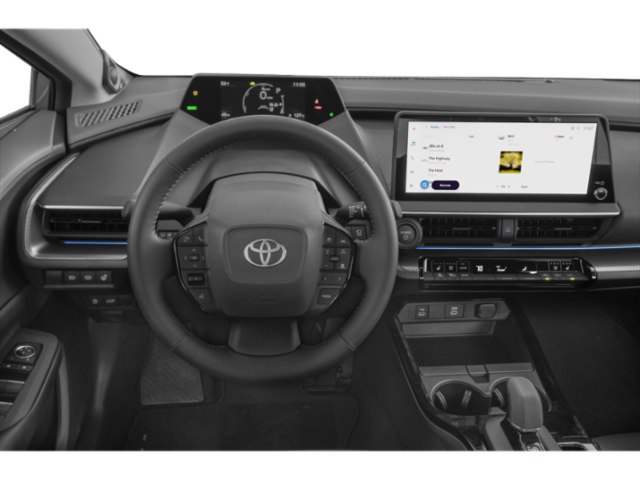
At six feet tall, I found the front seats comfortable and roomy, though the adjustment range doesn't allow me to lower the driver's seat as much as I prefer. Another problem arose with the steering wheel adjustments and the digital gauge cluster. I couldn't find an ergonomic wheel position that allowed me to see my speed and other information.
The back seat isn't as accommodating, but it's comfortable for children, and most adults will find decent space. Headroom takes a hit due to the car's sloping roof, but there's an acceptable amount of legroom. My test car also had heated rear seats, which made early morning school runs more comfortable for my kids.

Photo: Kevin Nguyen
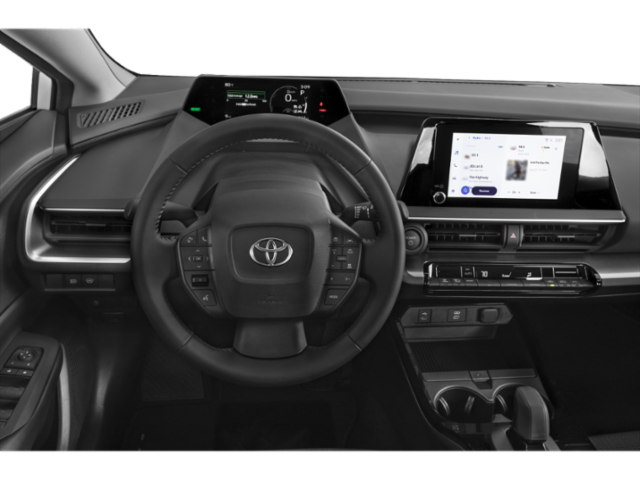
Toyota's taken a lot of flack for its infotainment systems over the years, but the automaker recently introduced a next-generation Toyota Audio Multimedia infotainment system with a completely revamped look and feel that brings it into the modern age.
The 2024 Prius comes with a standard 8-inch touchscreen, but my Limited test car had the available 12.3-inch display. Both systems provide Bluetooth connectivity, wireless Apple CarPlay and Android Auto, satellite radio, and several USB inputs. The Limited trim also gets an 8-speaker JBL premium sound system.
Toyota offers a range of connected services for the new Prius, including Wi-Fi Connect, providing access to an onboard hotspot with streaming music features; Remote Connect with remote start and other functions; Safety Connect with emergency communications services; and Drive Connect.
Drive Connect is a cloud-based navigation system with natural voice-recognition technology. Say, "Hey, Toyota," and a digital assistant will ask how it can help you. You can request directions, adjust vehicle settings, and more using conversational language.
I find the new interface makes interacting with the 2024 Prius a breeze. The menus are easy to understand, and moving through different tasks and settings feels far snappier than with Toyota's previous technology. Steering wheel-mounted controls enable quick radio station or song changes, though the touchscreen is within easy reach of both front seats.
Toyota has long partnered with JBL for its premium audio systems, and the Prius gets a powerful stereo that delivers loud, clear sound at all times.

Photo: Kevin Nguyen
The Prius employs a 2.0-liter 4-cylinder engine and an 83-kW electric motor to make a combined 194 horsepower in front-wheel-drive (FWD) models. Add the optional AWD system, and the car gains a small 30-kW electric motor at the rear axle while supplying a total of 196 hp. A continuously variable automatic transmission comes standard.
My Prius Limited test car with FWD had a fuel-economy rating of 52 mpg in combined driving. With AWD, it drops to 49 mpg combined—still an impressive number.
With just 194 hp on tap, the Prius isn't the most thrilling car on the road, but the big story here is how much more thrilling it is than previous iterations. For starters, it can accelerate out of its own way. Beyond that, the electric motor's instant torque gives the Prius a legitimately energetic feel, and the significant increase in power over the old Prius makes the new one more agreeable in every driving situation.
This new Prius is downright zippy, making it a fun in-town commuter car. The same is true on the highway, where the Prius provides a smooth ride and plenty of power for cruising and passing.
Take a Prius on a favorite country road, and you will find handling so improved that the car is just a decent set of tires away from offering a legitimately fun driving experience. Balanced and composed with little body roll in corners, the Prius features strong and predictable brakes and sharper and more responsive steering than expected.
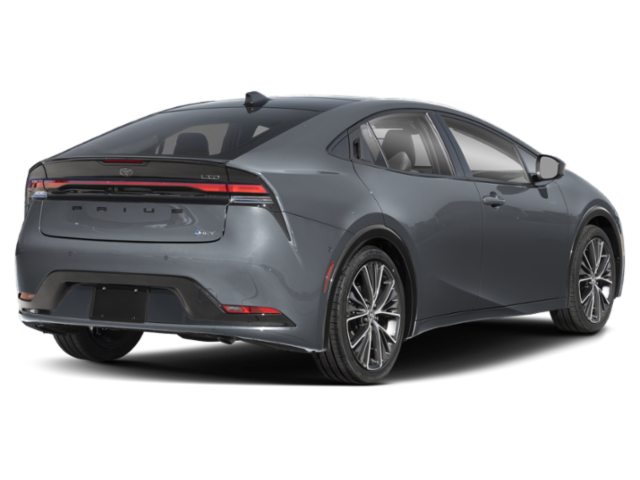
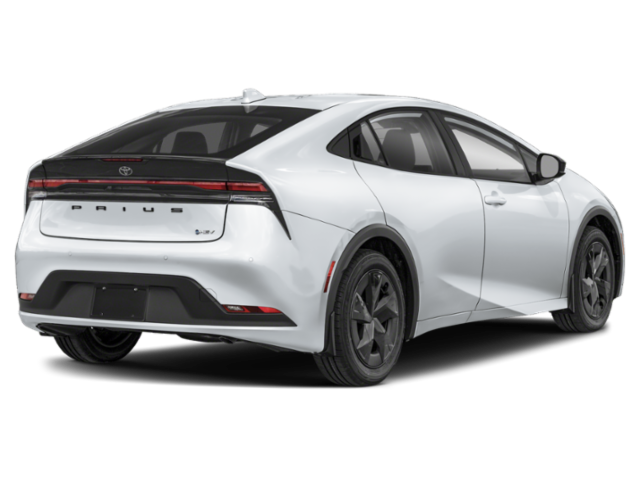
Thanks to its 2023 redesign, Toyota dramatically transformed the latest Prius compared to prior generations of the model. Toyota did an excellent job dialing in the driving dynamics, making the Prius surprisingly engaging to drive while maintaining its trademark efficiency.

Photo: Kevin Nguyen
Toyota Safety Sense 3.0 (TSS 3.0) comes standard in the 2024 Prius, bringing a long list of advanced driver assistance systems (ADAS).
They include:
The TSS 3.0 collection also includes Proactive Driving Assist, which can automatically slow and steer the car to prevent following other vehicles too closely and avoid sensed obstacles. Additional standard features include blind-spot warning and rear cross-traffic warning. My test car also added an available surround-view camera system and front and rear parking sensors.
During a week of driving, the safety alerts proved attention-getting but not frightening, and TSS 3.0 issued no false alarms. Toyota makes it difficult to find and turn off some of the more annoying features like lane-departure warnings. Still, the car's ADAS is otherwise helpful, especially when driving in urban areas.

Photo: Kevin Nguyen
The 2024 Prius offers 23.8 cubic feet of cargo space with the LE trim and 20.3 cubic feet with the XLE and Limited trims. The rear seats fold flat to provide more space, but Toyota doesn't offer a maximum cargo volume measurement. The Limited trim adds a power-operated hatch.
Though it's not as generously sized as expected, the trunk offers a wide, flat floor and a friendly liftover height, making loading and unloading the car much easier.
The 2024 Prius fuel-economy ratings range from 49 to 57 mpg in combined driving, depending on the configuration and trim level. Those are fantastic fuel-economy numbers, even for a hybrid car, making the Prius an excellent choice for budget-conscious buyers.
As of this writing, neither the Insurance Institute for Highway Safety (IIHS) nor the National Highway Traffic Safety Administration have rated the 2024 Prius for safety. However, the mechanically similar 2023 model grabbed an IIHS Top Safety Pick+ rating.
The 2024 Toyota Prius LE starts at $27,950, the XLE costs $31,395, and the Limited begins at $34,965. You can add AWD to any trim for $1,400, and Toyota offers a few option packages and extra-cost accessories for most trims.
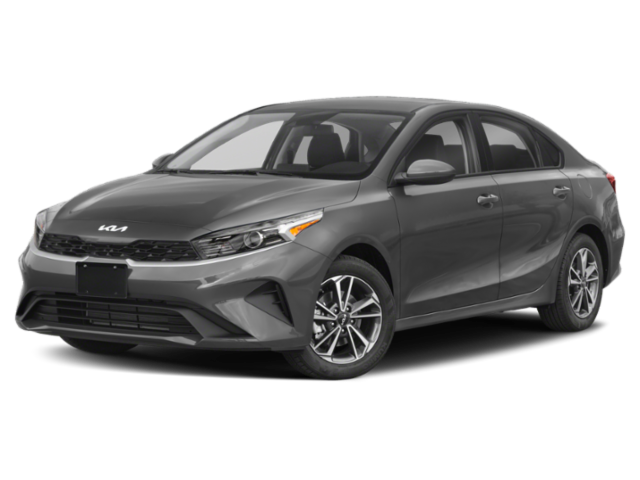
In the JD Power 2023 Initial Quality Study (IQS), the Kia Forte ranks highest in the Compact Car segment. The Honda Civic and the Volkswagen Jetta are the next highest-ranked models.
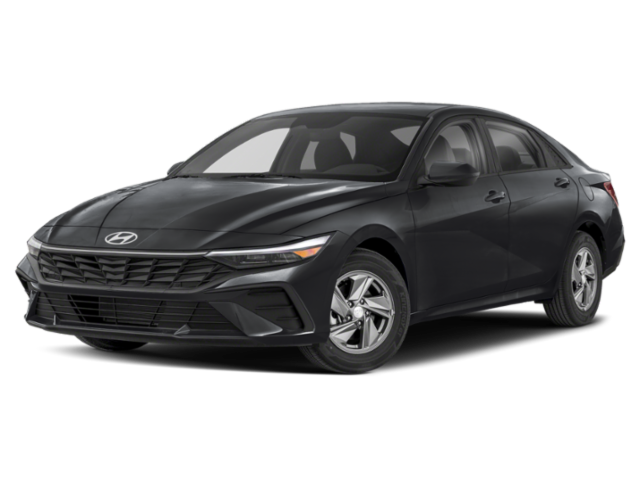
In the 2023 APEAL Study, the Kia Forte ranks highest in the Compact Car segment. The Volkswagen Golf GTI (including the Golf R) is the next highest-ranked model, followed by the Hyundai Elantra.
Except for the Hyundai Elantra, none of those competitors offer a hybrid powertrain. So, you might also want to consider the Toyota Corolla Hybrid, which uses the same powertrain as the previous-generation Prius but is also more affordable.

Photo: Kevin Nguyen
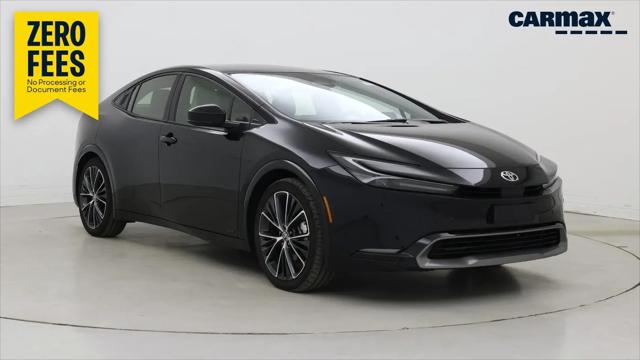
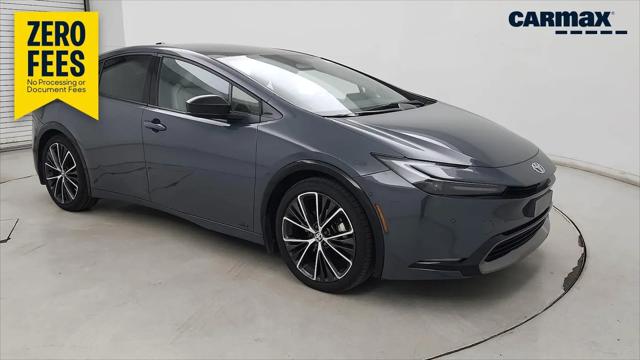
The Toyota Prius has always been a sensible choice, especially for people prioritizing fuel economy, but it has never been the most attractive member of the compact car class.
Last year's redesign changed all that, transforming the Prius into a genuinely desirable car with eye-catching style and satisfying performance. At the same time, it maintains its excellent fuel economy and has impressive infotainment and safety technologies, so there's little to complain about. On top of that, the car is comfortable and offers good utility thanks to its hatchback body style.
The downsides might be few, but they're worth mentioning. The driver's seat position makes it difficult for some people to see the gauge cluster, and the seat doesn't offer the range of adjustment I prefer. There's also a shortage of headroom in the back seat, which will put the squeeze on taller adults.
Those complaints aside, the Prius should be at or near the top of shopping lists for anyone seeking an affordable, practical, fuel-efficient, and now stylish and enjoyable car.
Chris Teague is an experienced writer in the automotive and technology fields. In addition to JDPower.com, his work appears at Forbes, The Drive, Your Test Driver, and others.