
According to the JD Power 2021 U.S. Customer Service Index (CSI) Study, overall customer satisfaction with dealership and independent service and repair facilities increases for a sixth consecutive year. The study also finds that despite the coronavirus pandemic’s stay-at-home orders and fewer customer miles driven, dealership visits dropped by only 6% in 2020 compared to 2019.

“Completing work right the first time, as well as focusing on customers’ needs, play significant roles in satisfaction—and dealers are nailing these key performance indicators nearly 100% of the time,” said Chris Sutton, vice president of automotive retail at JD Power. “It’s notable, too, that while service was less frequent in 2020, customers responded very well to convenience services such as vehicle pick-up and drop-off at their home.”
Sutton believes dealerships have an opportunity to win more business with customers by continuing to provide an exceptional service experience through pandemic-related changes to their business models.
In addition to vehicle pick-up and drop-off for service and repair, Sutton cites remote and online payment options as significant contributors to customer satisfaction in 2020. “This is an example of a process some dealers may have put into place as a safety measure during the pandemic, but which they may want to keep in place, as customers find they like it more,” Sutton said.
However, the JD Power 2021 U.S. CSI Study finds that battery electric vehicle (BEV) owners are less satisfied with dealership service and repair than those who drive vehicles with traditional internal combustion engines (ICE).
“BEV owners present a unique challenge for dealers,” Sutton said. “Not only are their vehicles more difficult to service than traditional internal combustion engine vehicles, but also the lower frequency of visits means dealers have fewer chances to make a positive impression on these customers.”
According to the JD Power 2021 U.S. CSI Study, Porsche ranks highest for customer satisfaction with dealer service among premium brands, while Mini ranks highest among mass-market brands. Porsche earned a score of 899 (on a 1,000-point scale), while Mini earned a score of 864.
Following Porsche in the premium-brand rankings are Lexus (895), Infiniti (887), Cadillac (883), and Lincoln (872). Among them, only Porsche and Lincoln offer plug-in hybrid electric (PHEV) models. Porsche had just introduced the Taycan BEV when JD Power fielded the study between July and December of 2020.
Following Mini in the mass-market-brand rankings are Buick (859), Mitsubishi (857), GMC (856), and Kia (855). Mini and Kia both offer BEVs, while Mitsubishi and Kia sell PHEVs.
JD Power says that remote and online payment options improve customer satisfaction. These options are infrequently used, with 6% of premium vehicle owners and 1% of mass-market taking advantage of them. But customers who use this option are more satisfied with the vehicle pick-up process. Satisfaction increases 44 points among premium-brand customers who use remote and online payment options and 69 points among mass-market-brand customers.
Express service can also contribute to increased customer satisfaction. Vehicle owners who use this report satisfaction levels 10 points higher than people who do not.
In the JD Power 2021 U.S. CSI Study, BEV owners are less satisfied with service than people who own a traditional ICE vehicle. Satisfaction is 69 points lower than the average, and, in terms of service quality, it is 76 points lower.
One reason for this is the maintenance-to-repair ratio for BEV owners is nearly an even split. Vehicles with an ICE are 2.5 times more likely to require maintenance than they are a repair. Repair work typically results in lower customer satisfaction than does maintenance work.
Furthermore, JD Power reports that BEV owners are 2.5 times more likely to experience a repair that is not done right the first time.
With BEVs increasingly popular and the automotive industry transitioning to these types of vehicles in the decade to come, Sutton says: “Automakers may want to invest in more dealer service training. Otherwise, they run the risk of losing return customers.”
The JD Power 2021 U.S. Customer Service Index Study measures satisfaction with service at a franchised dealer or independent service facility for maintenance or repair work. It surveys owners and lessees of one- to three-year-old vehicles.
The measures are, in order of importance:
JD Power bases the CSI Study results on responses from 62,519 verified registered owners and lessees of 2018 to 2020 model-year vehicles. JD Power goes to great lengths to ensure that survey respondents are actual owners of the brand they are representing. JD Power fielded the study from July through December 2020.


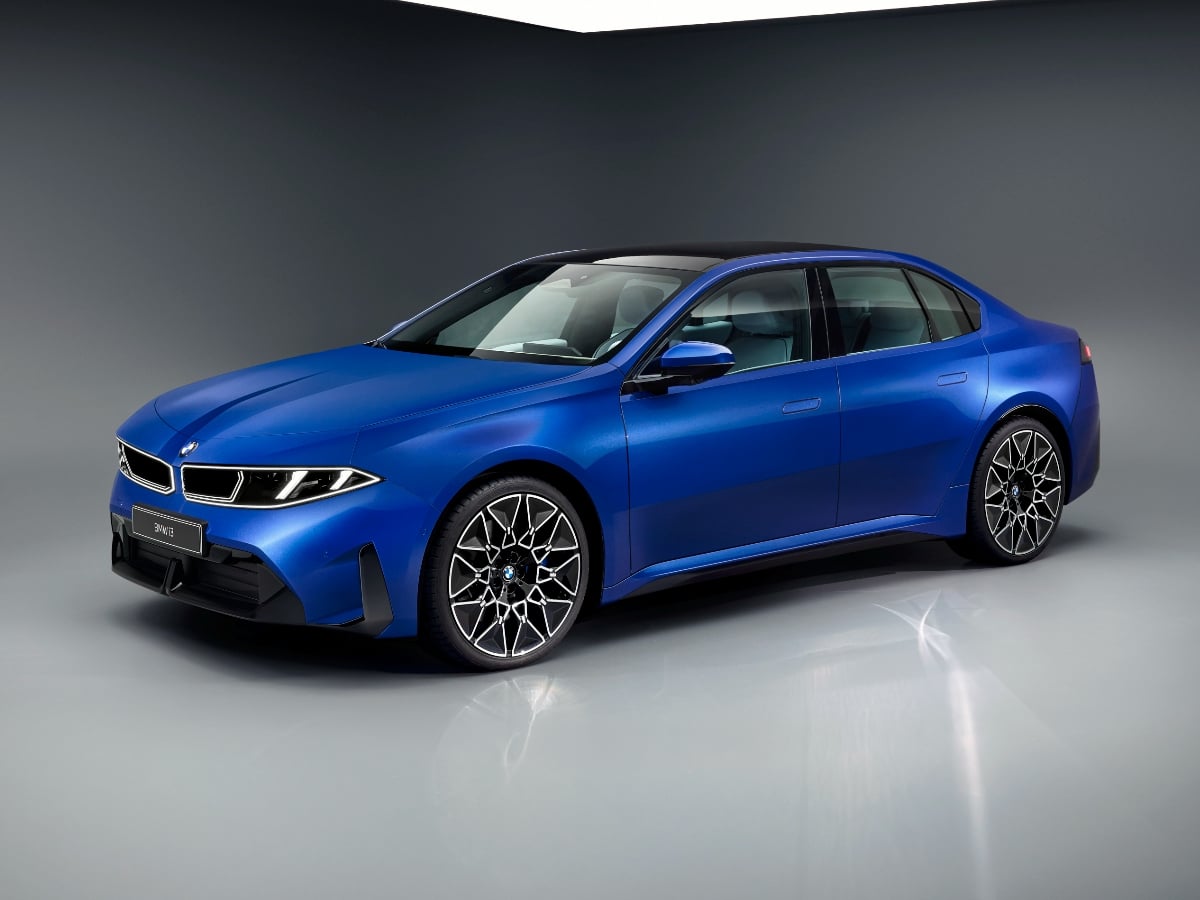
The new 2027 BMW i3 boasts an estimated range of up to 440 miles, 400-kilowatt DC fast charging capability, bidirectional charging to a home or the grid, and next-generation technology.
Read the Full Article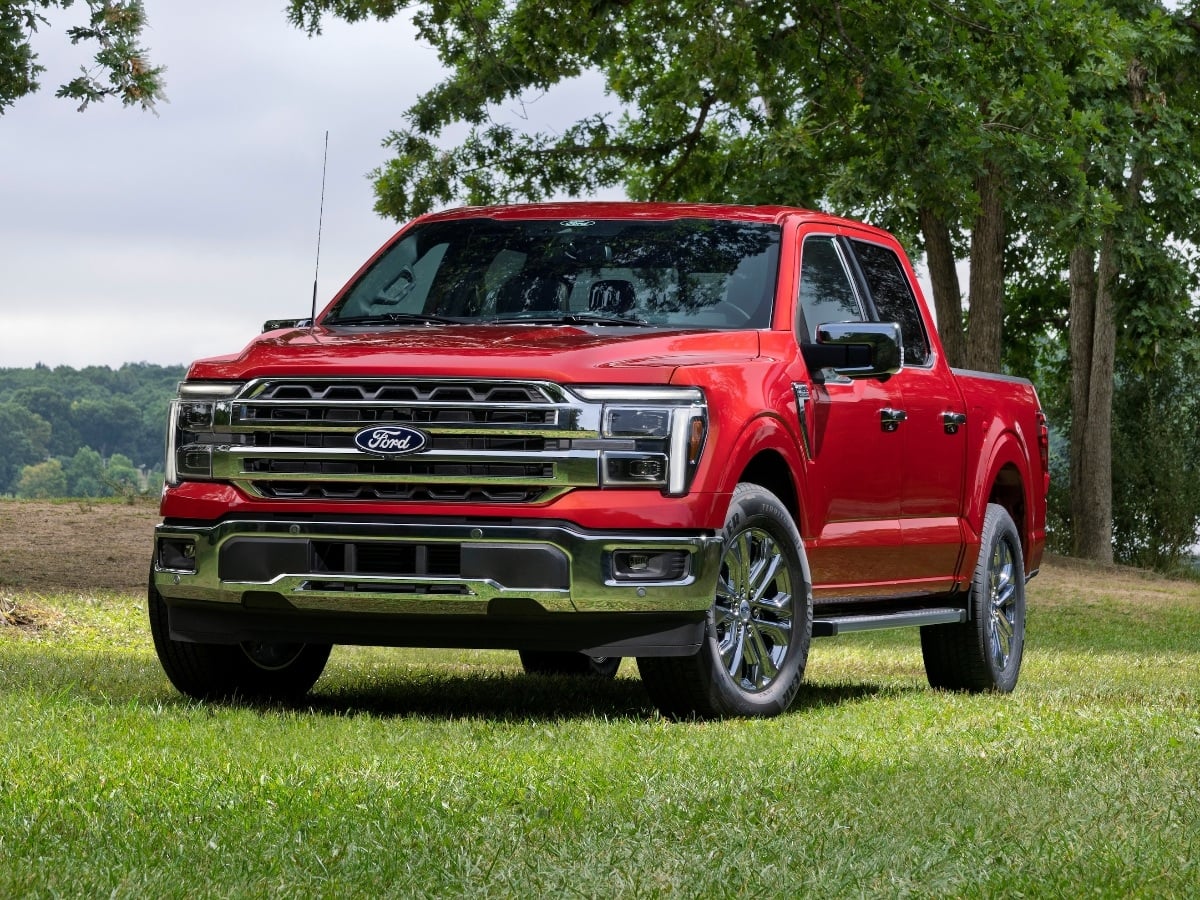
Facing renewed competition in the full-size, light duty pickup truck segment, the 2027 Ford F-150 receives subtle styling updates, a new standard engine, broader availability of its 5.0-liter V8, and ...See More
Read the Full Article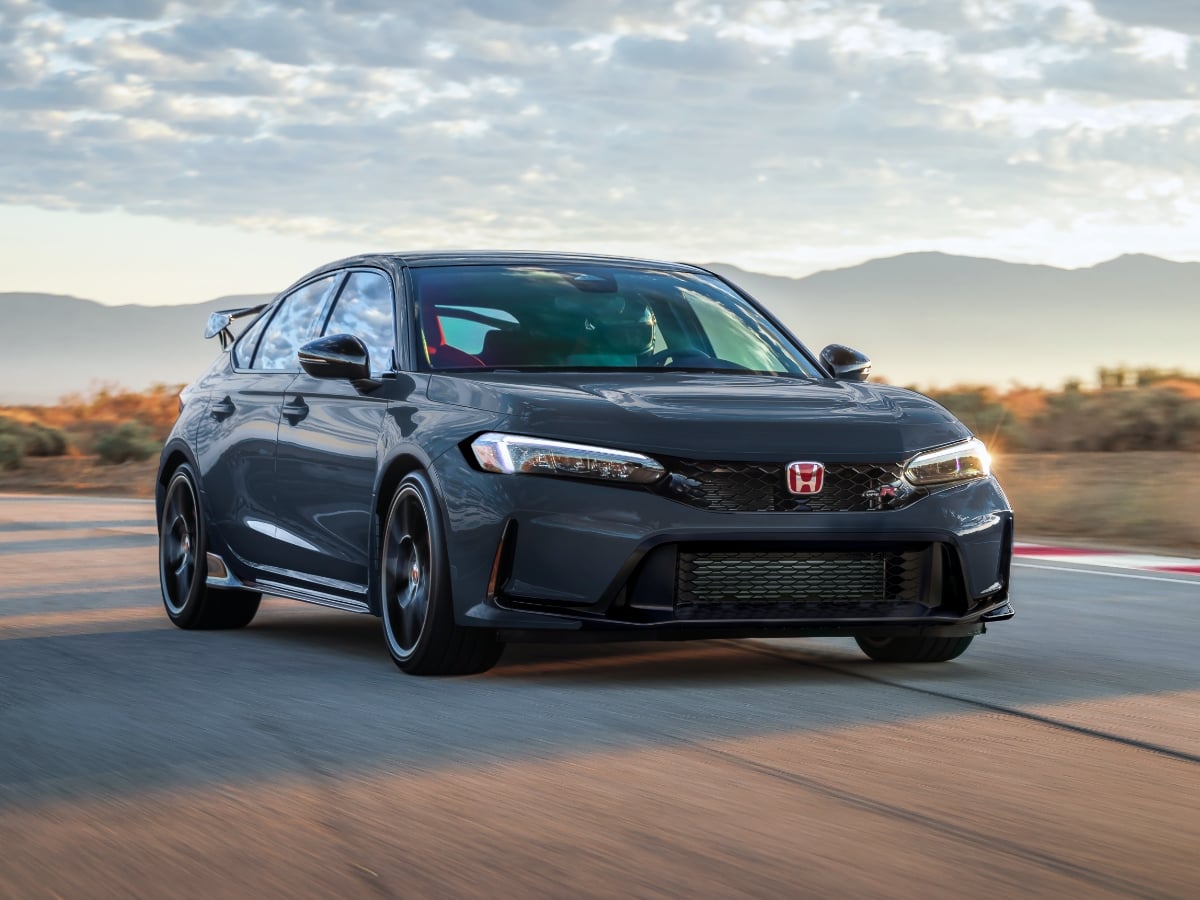
The 2027 Civic Type R goes on sale in October 2026, and it starts at $49,990, including the $1,295 destination charge.
Read the Full Article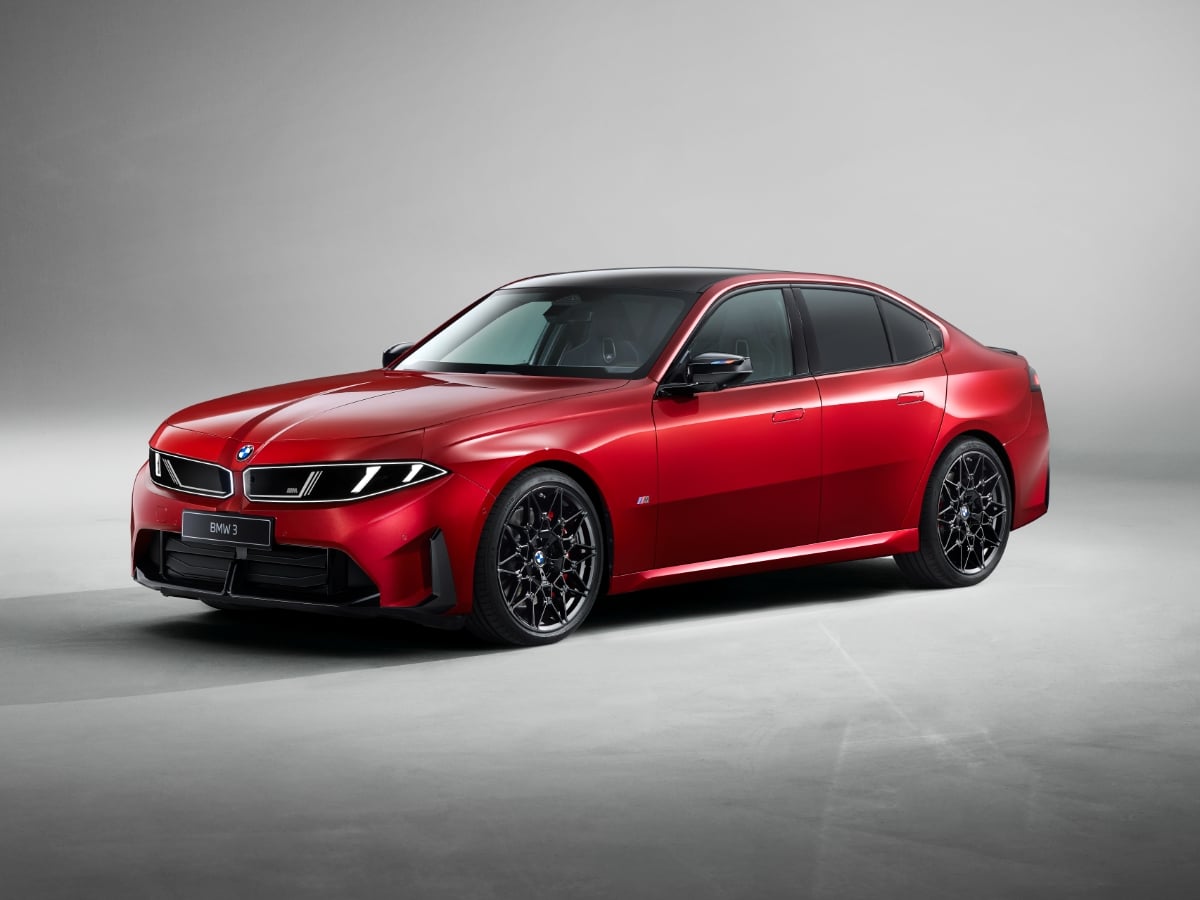
Part of BMW’s Neue Klasse (new class) rollout of redesigned models, the 2027 BMW 3 Series is all-new and goes on sale in the first quarter of 2027.
Read the Full Article