
As different consumers have different preferences, manufacturers produce a wide range of vehicles. From smaller cars to SUVs, and from electric vehicles to hybrids, each model has specific characteristics meant to entice particular kinds of buyers.

There is one factor that often gets overlooked: vehicle weight. Weight affects your car in multiple ways. In this article, we’ll take a look at average auto weights across classes and discuss why it should matter to you.
Vehicle weight depends on the model, year of manufacture, materials used, and car type. While each automobile type (SUVs, EVs, trucks, etc.) can significantly vary in poundage, statistics help determine the averages.
According to EPA’s (Environmental Protection Agency) data, the average weight of an automobile in 2022 was around 4,094 pounds, which is only a slight increase compared to 2018’s 4,000 pounds.
But if you want to go into specifics, there are estimated averages sorted by type. Small autos usually way around 2,500 pounds and large automobiles about 4,200 pounds. SUVs or trucks can range from 3,500 pounds to over 6,000 pounds.
These numbers, however, are not definitive and heavily depend on the model you’ve got. Because they are inaccurate, you should always check and find your vehicle's exact poundage. And while we’ll get to the benefits of this knowledge in a bit, you should also distinguish between the different types of weight.
All types of weight directly correspond with the ways you can measure them. After all, you need to know how much your car can haul or its weight without any cargo or passengers. So, here are the more common types:
These types come in handy in different situations and correspond with the driver’s needs. But is it really that important to know just the vehicle or curb weight?
The real answer to the question in the previous paragraph is a definite yes. Knowing your auto’s weight brings about various benefits, which include and are not limited to:
Knowing your car’s poundage is quite essential, so you should know how to learn this important information. The general car weight guide is not an excellent source for that, so you can try to do a couple of things.
Your car manual should have a specification section where the curb weight, auto’s poundage without passengers or cargo, is given. Alternatively, you could check the driver’s side door and find a sticker that usually contains the GVWR and curb weight.
If none of that works, navigate to the manufacturer’s website and find your model and specifications. But if that doesn’t solve your problem, have your automobile weighed at an inspection center or a junkyard.
As you can see, an average driver should know the vehicle’s weight. Especially when considering fuel economy because of recent inflation and high gas prices, which will make you think twice about spending extra.
Knowing average weight is useful for narrowing down your choices when choosing a specific. So, never completely ignore your vehicle’s poundage, and keep it in mind just in case.


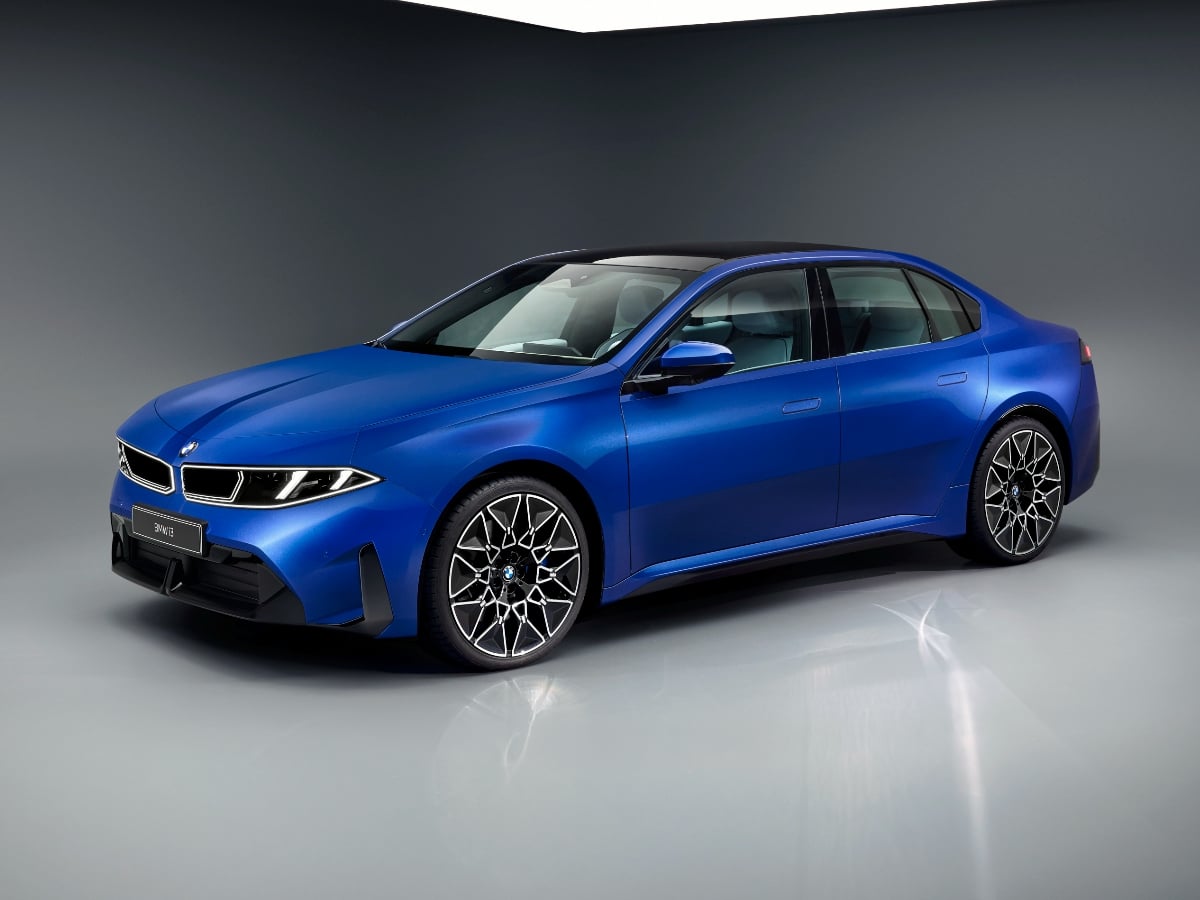
The new 2027 BMW i3 boasts an estimated range of up to 440 miles, 400-kilowatt DC fast charging capability, bidirectional charging to a home or the grid, and next-generation technology.
Read the Full Article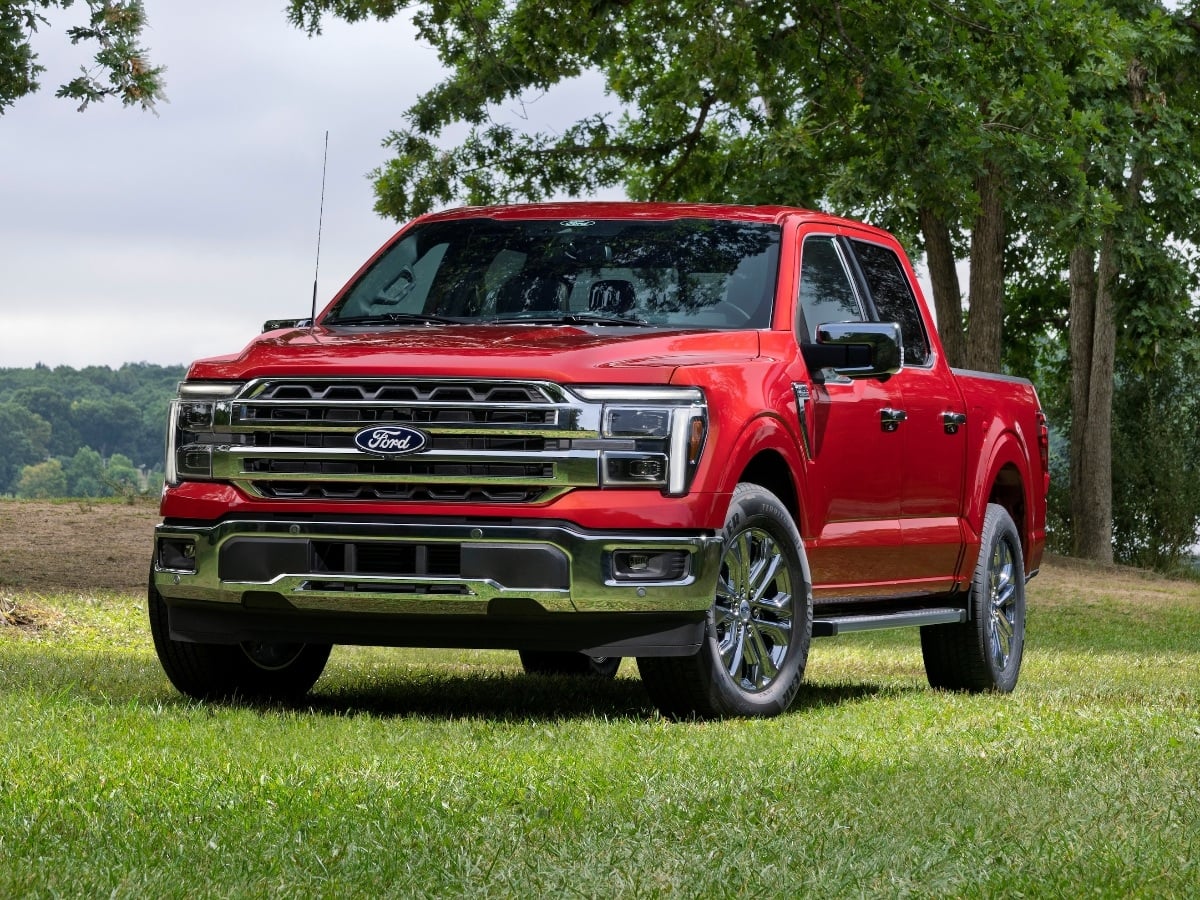
Facing renewed competition in the full-size, light duty pickup truck segment, the 2027 Ford F-150 receives subtle styling updates, a new standard engine, broader availability of its 5.0-liter V8, and ...See More
Read the Full Article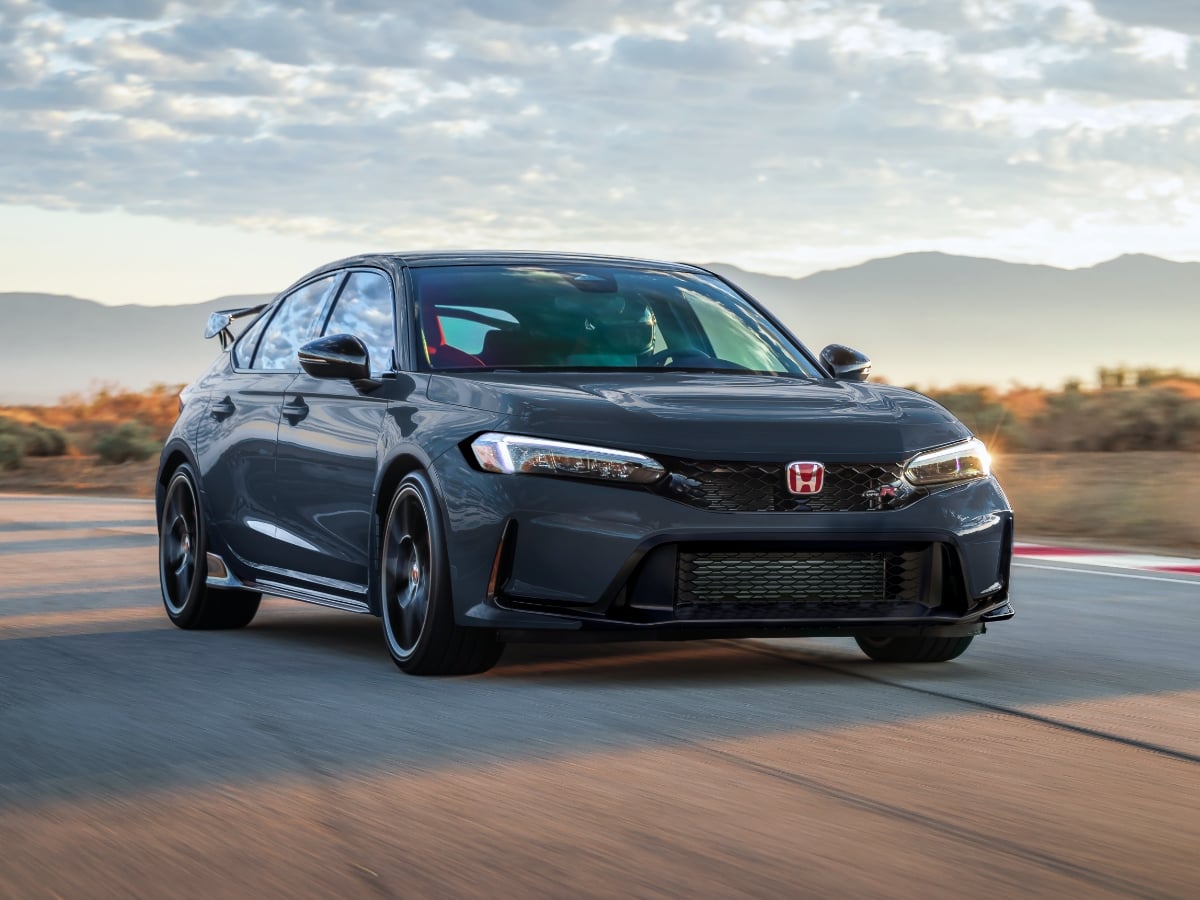
The 2027 Civic Type R goes on sale in October 2026, and it starts at $49,990, including the $1,295 destination charge.
Read the Full Article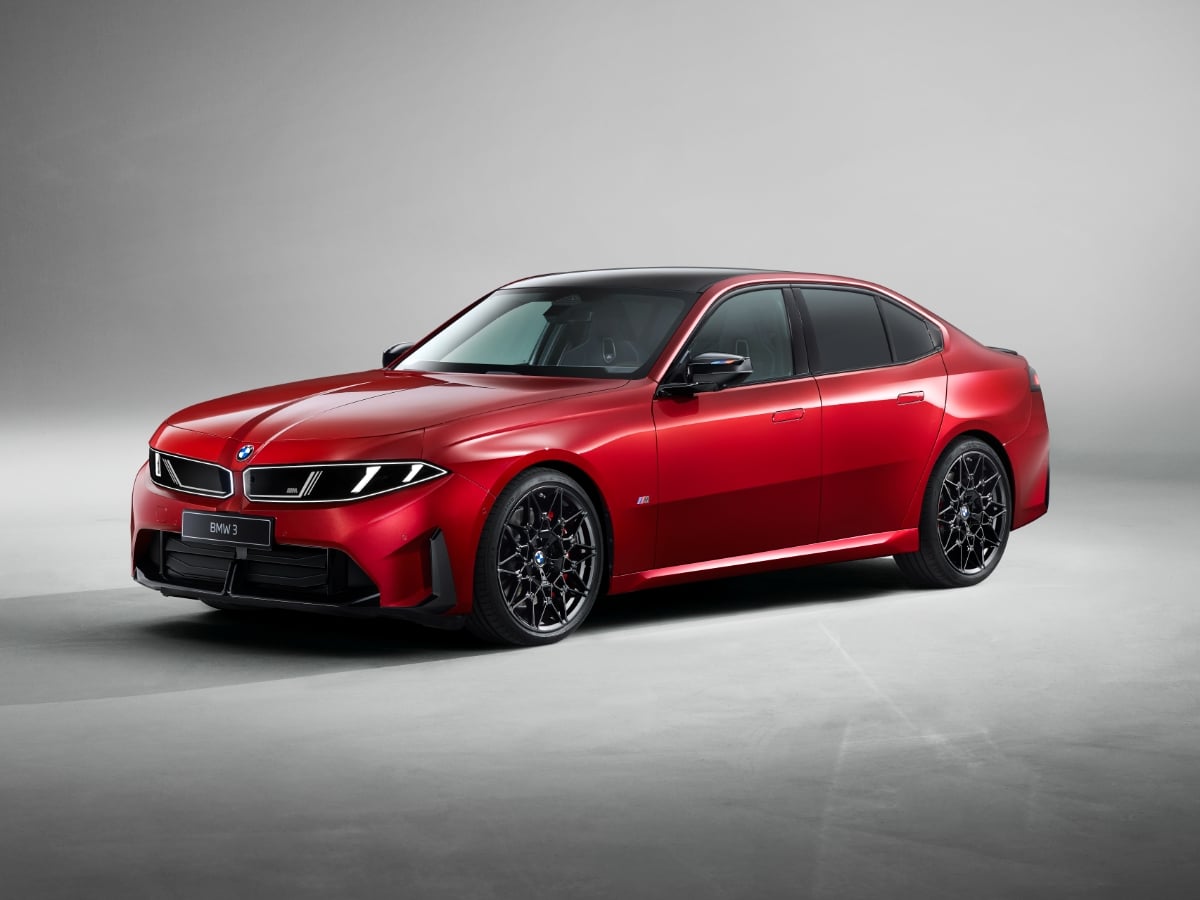
Part of BMW’s Neue Klasse (new class) rollout of redesigned models, the 2027 BMW 3 Series is all-new and goes on sale in the first quarter of 2027.
Read the Full Article