
To drive electric or not to drive electric, that is the question. Ten years ago, when electric vehicles (EVs) were in their infancy in the mainstream marketplace, that answer would have been a resounding "no" from most people. But times have changed, and EVs have come a long way.
That said, the answer to whether electric vehicles are worth it is complicated. Let's look at the pros and cons of EV ownership and see if we can decide from there.
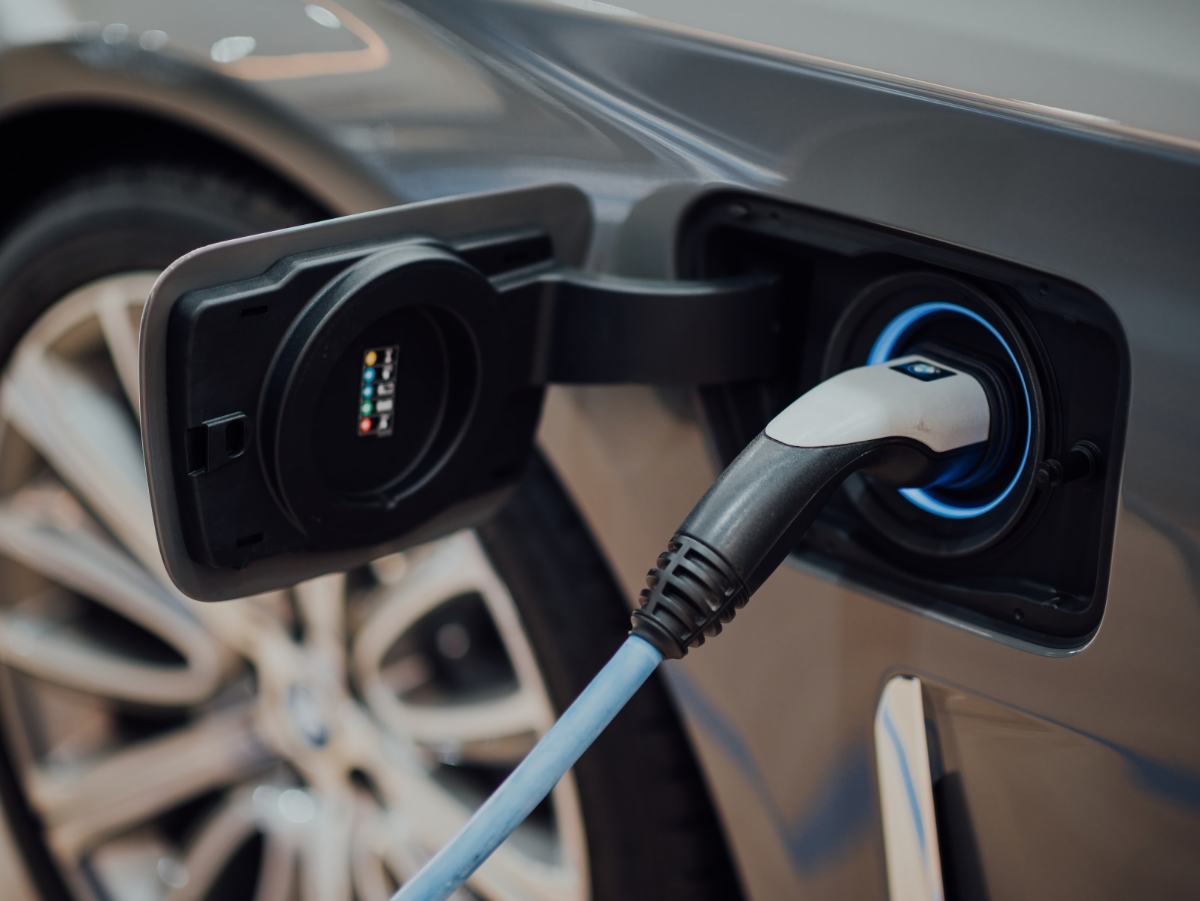
Photo credit: Photo by CHUTTERSNAP on Unsplash
There are several advantages that electric vehicles have over conventional gas-powered ones:
Lower energy costs may be the most obvious point of all. Electric vehicles run on electricity, eliminating conventional fuel costs at the gas pump. And when fuel prices rise, the first thing people see when they drive an EV is immediate savings from a vehicle operation standpoint.
However, electricity has a cost too. Charging a vehicle at home, work, or elsewhere draws energy from the power grid with pricing based on local electricity rates. And then there's the cost of a home electric charger for added convenience.
But even after factoring everything in, using electricity still typically costs 40-60 percent less than gas on an ongoing basis. That can add up to thousands of dollars over the vehicle's lifetime.
Another cost benefit of driving an EV is the reduced need for repairs and maintenance compared to gas-powered vehicles. Gas powertrains undergo much more wear-and-tear and mechanical breakdown due to the friction and stress of moving parts. Electric powertrains are far more static and low-impact. They also don't require regular maintenance, such as oil changes or timing belt replacement.
The third cost savings component of EVs comes in the form of tax incentives. Qualified EVs can get an immediate federal tax credit of up to $7,500 applied right to the cost of the vehicle. On top of that, many states, such as California, have their own tax incentive programs, giving buyers even more in savings at tax time. Combine that with other local incentive programs, and a car shopper can save over $10,000 off the price of a given EV. However, not all EVs and buyers qualify.
EVs produce zero emissions. That means their electric motors don't release harmful exhaust or carbon dioxide into the environment, unlike gas-powered vehicles. That is the primary reason governments worldwide are pushing for more sustainable forms of energy to replace the burning of fossil fuels to operate vehicles. For the same reason, EVs are a high priority for environmentally-conscious consumers.
It may be counterintuitive, but EVs generally have far better acceleration and off-the-line performance than gas-powered vehicles. Electric motors supply instant torque, making EVs responsive from a standstill and when passing other cars on the road. It's not unusual for an electric vehicle to accelerate from zero to 60 mph in under four seconds. That is a big plus for those who want driving fun while being eco-conscious.
Although the benefits of EVs are plentiful, there are some drawbacks to consider:
Perhaps the most significant hurdle for EVs is range anxiety, the worry of running out of power between points A and B.
That is not an unwarranted or unreasonable fear. EVs don't always provide the same driving range as gas vehicles, and it can be harder to find a charging station than a gas station.
However, the newest generation of EV batteries can deliver more than 300 miles of range, with some luxury models reaching the 500-mile mark. That makes EVs more practical for everyday commutes and longer road trip adventures.
Still, gas-powered cars continue to inspire more confidence in the range department when compared to EVs.
Related to range anxiety is charging anxiety, the worry of not finding a charging station when battery power is low.
Although charging stations have been opening rapidly at businesses, schools, hotels, and shopping centers, vast areas around the country still have no charging infrastructure within a reasonable distance. Furthermore, these charging facilities are heavily outnumbered by gas stations, making conventional vehicles more convenient.
Charging anxiety can also refer to the stress of waiting in line for a charging station to become available or the time spent waiting for a vehicle to become fully charged while plugged in.
EVs generally cost more than their gas-powered counterparts. The price difference can be as much as 30 percent. And although tax credits can offset the steeper cost of an EV, many EVs do not qualify for federal or state incentives. In addition, due to an EV's higher price and the costly components they use, they can cost more to insure.
So, are EVs worth it? The answer depends on your priorities as a car buyer. For some, that answer pertains to price and affordability. For others, practicality and drivability are the main decision factors. Environmentalism and clean energy may also play a role in deciding if EVs are worth it.
Before researching and shopping for an EV, figure out what's most important to you. Your priorities will ultimately guide your buying decision. Then, learn more about electric vehicles at the JD Power Electric Vehicles Learning Center.
Jessica Shea Choksey is an experienced writer in the automotive field. In addition to JDPower.com, she was a correspondent for PBS's MotorWeek. Her work has also appeared in AutoTrader.


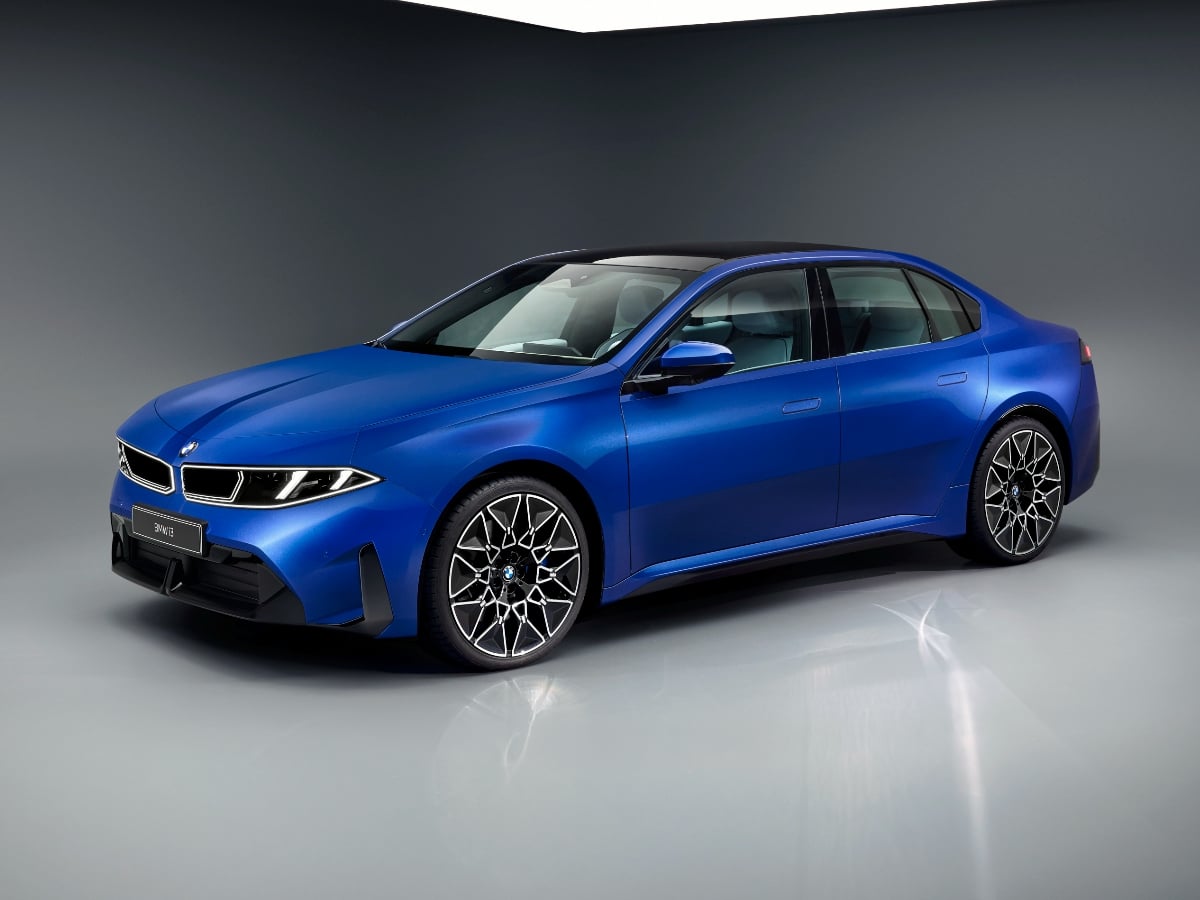
The new 2027 BMW i3 boasts an estimated range of up to 440 miles, 400-kilowatt DC fast charging capability, bidirectional charging to a home or the grid, and next-generation technology.
Read the Full Article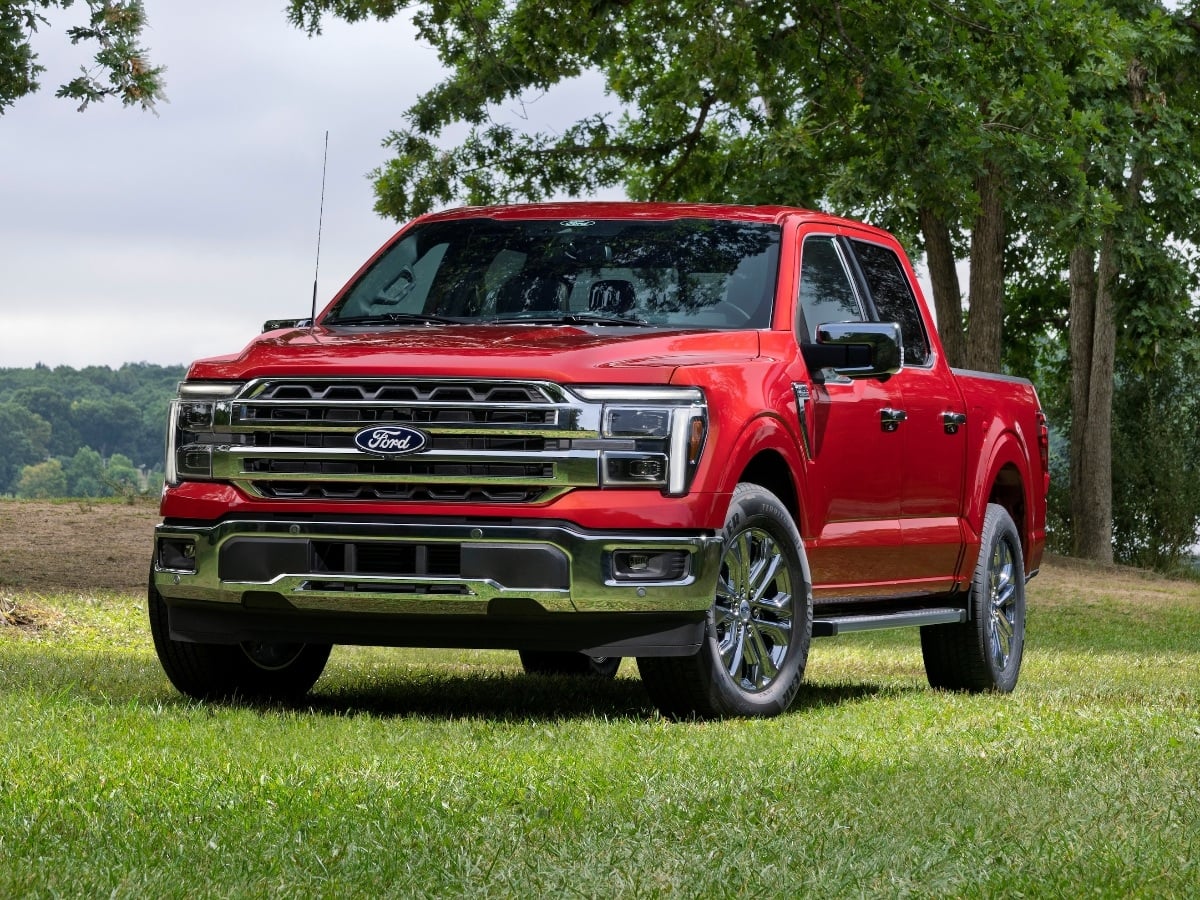
Facing renewed competition in the full-size, light duty pickup truck segment, the 2027 Ford F-150 receives subtle styling updates, a new standard engine, broader availability of its 5.0-liter V8, and ...See More
Read the Full Article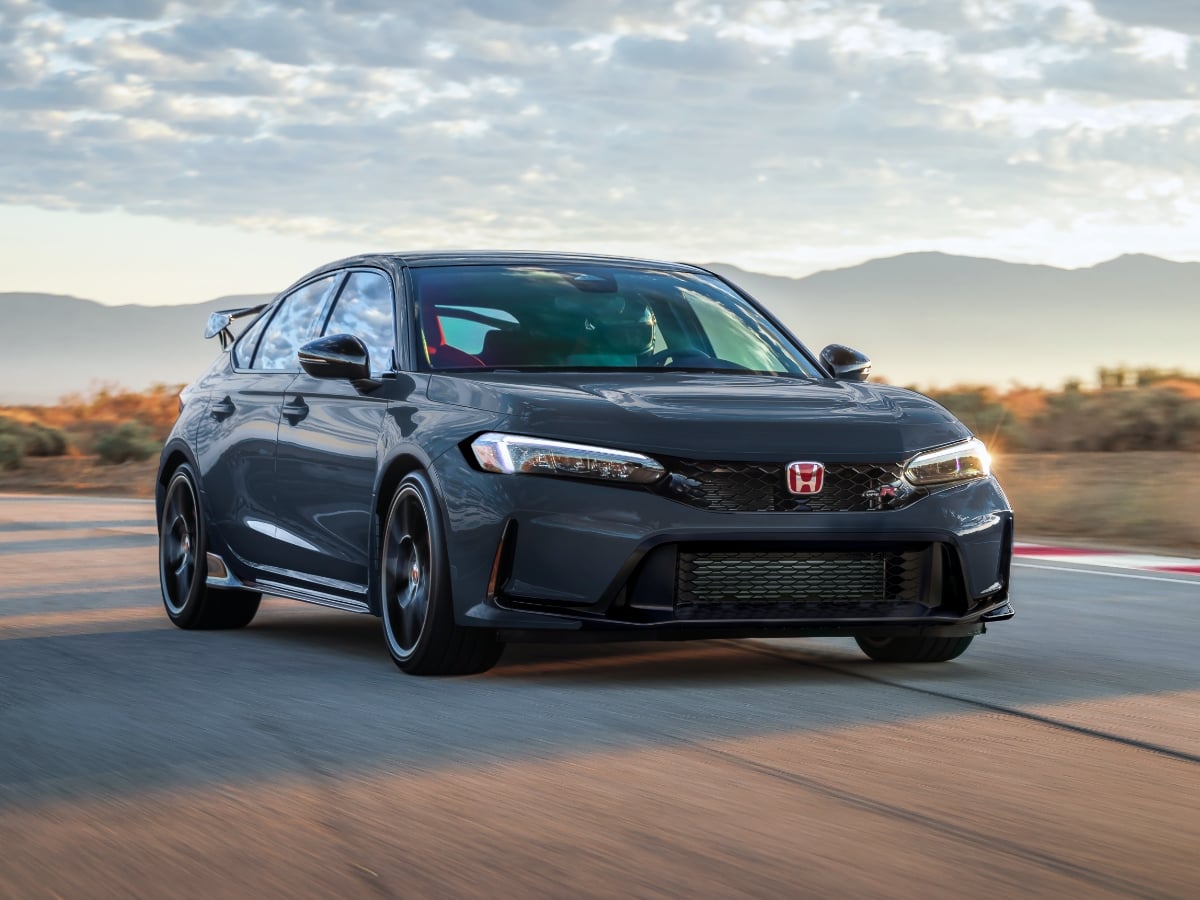
The 2027 Civic Type R goes on sale in October 2026, and it starts at $49,990, including the $1,295 destination charge.
Read the Full Article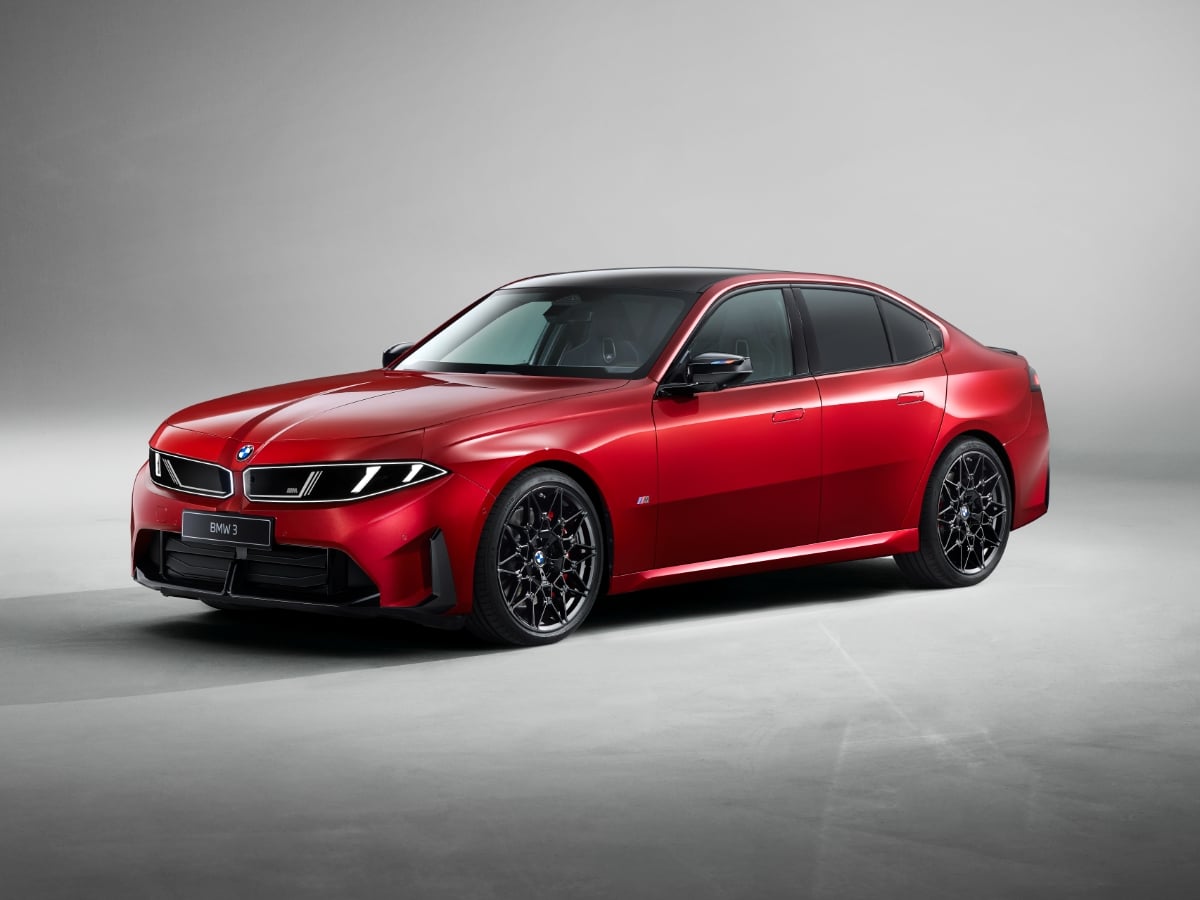
Part of BMW’s Neue Klasse (new class) rollout of redesigned models, the 2027 BMW 3 Series is all-new and goes on sale in the first quarter of 2027.
Read the Full Article