
Electric cars have recently been a feature in the automobile industry. Electric cars are recommended by eco-friendly environmentalists because their engines produce almost zero to nothing emissions that may pollute the environment.
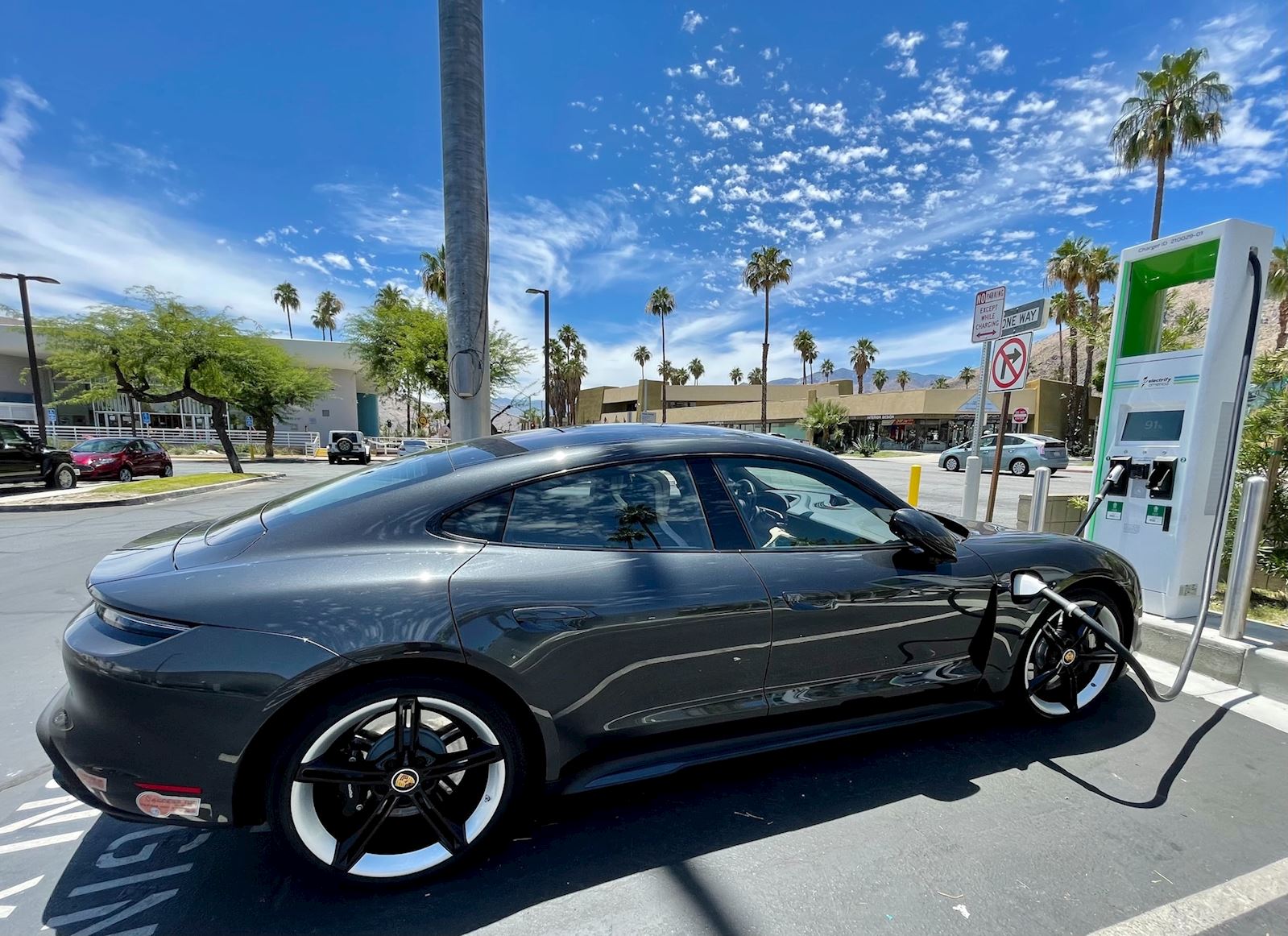
Electric cars are more energy efficient than gasoline vehicles. Let’s find out why.
An electric car (EV) is a vehicle that is either partially or fully powered by electric power. There are no gears in electric vehicles. They are fully automatic transmission cars.
Electric cars accelerate faster than vehicles with traditional fuel engines like gasoline. Electric cars feel lighter to drive as there are no gears to switch to.
Electric cars function by plugging them into a charge point. Like all electrical devices, electricity is taken from the grid and used to charge the engine. EVs store electricity in rechargeable batteries that power an electric motor, which turns the wheels as a fuel engine would.
There are two main types of electric vehicles, fully electric (Battery electric cars) and hybrid electric cars.
Battery-powered electric vehicles run purely just on electricity. These vehicles use rechargeable batteries and do not burn fossil fuels. BEVs have engines that create very little noise and do not have spark plugs, clutch or gears, and exhaust pipes.
BEVs can be charged at home overnight, providing enough electric power for average journeys. However, journeys or those that require a lot of hill climbs mean that the fuel cells may require charging before you reach your destination.
The typical charging time for an electric car can range from 30 minutes and up to more than 12 hours. All this depends on the speed of the charging station and the size of its battery.
Rather than relying solely on an electric motor, hybrid electric vehicles offer a mixture of battery and petrol or diesel. The main advantages of a Hybrid car are that it consumes less fuel and emits less carbon dioxide (CO2) than a comparable petrol or diesel-engined vehicle.
This makes them better for traveling long distances as you can switch to traditional fuels rather than having to find charge points to top up the battery. Hybrid electric cars are categorized as either powerful or mild depending on the amount of battery power that they have.
However, the same disadvantages to combustion engine vehicles also apply to PHEVs, such as the need for more maintenance, engine noise, emissions, and the cost of petrol.
An electric may be charged at home or in public. Plugging your electric vehicle battery or hybrid vehicle in at home is the perfect way to ensure your vehicle is ready when needed. When on the go, a range of public charge points is available across the country.
Home charging an electric car can take about 6-8 hours. Public changing also takes about 1-9 hours, depending on the car model and range. For home or public charging, the electric battery charges range at 100% maximum capacity. Fast charging takes 30 minutes at an 80% capacity. Rapid charging takes 6 minutes at a 100KM range.
Electric cars are better for the environment than gasoline-powered cars, particularly when it comes to tailpipe emissions. The electricity that powers electric vehicles can come from a variety of sources, including renewable energy sources like solar or wind power, which can significantly reduce their environmental impact.
One of the key benefits of electric cars is that they produce zero tailpipe emissions, which means that they do not contribute to air pollution as gasoline-powered vehicles do. In addition, electric cars tend to be more energy efficient than gasoline-powered cars, meaning they require less energy to travel a given distance.
Electric vehicles have low running costs as they have fewer moving parts for maintenance and also are very environmentally friendly as they use little or no fossil fuels (petrol or diesel).
However, it is vital to note that the overall environmental impact of electric cars can vary depending on the source of the electricity used to power them.
Overall, electric vehicles have the potential to reduce the environmental impact of pollution, and they are a promising technology for reducing greenhouse gas emissions and improving air quality.
An electric car (EV) is a vehicle that is either partially or fully powered by electric power. There are no gears in electric vehicles. Electric cars function by plugging the car into a charge point.
There are two main types of electric vehicles, fully electric (Battery electric cars) and hybrid electric cars. Battery-powered electric vehicles run purely just on electricity. A hybrid car combines a petrol/diesel engine with an electric motor.
Electric cars produce zero tailpipe emissions, which means they do not contribute to air pollution as most gasoline-powered cars do. Electric vehicles are more energy efficient than gasoline-powered cars, as they require less energy to travel a given distance.


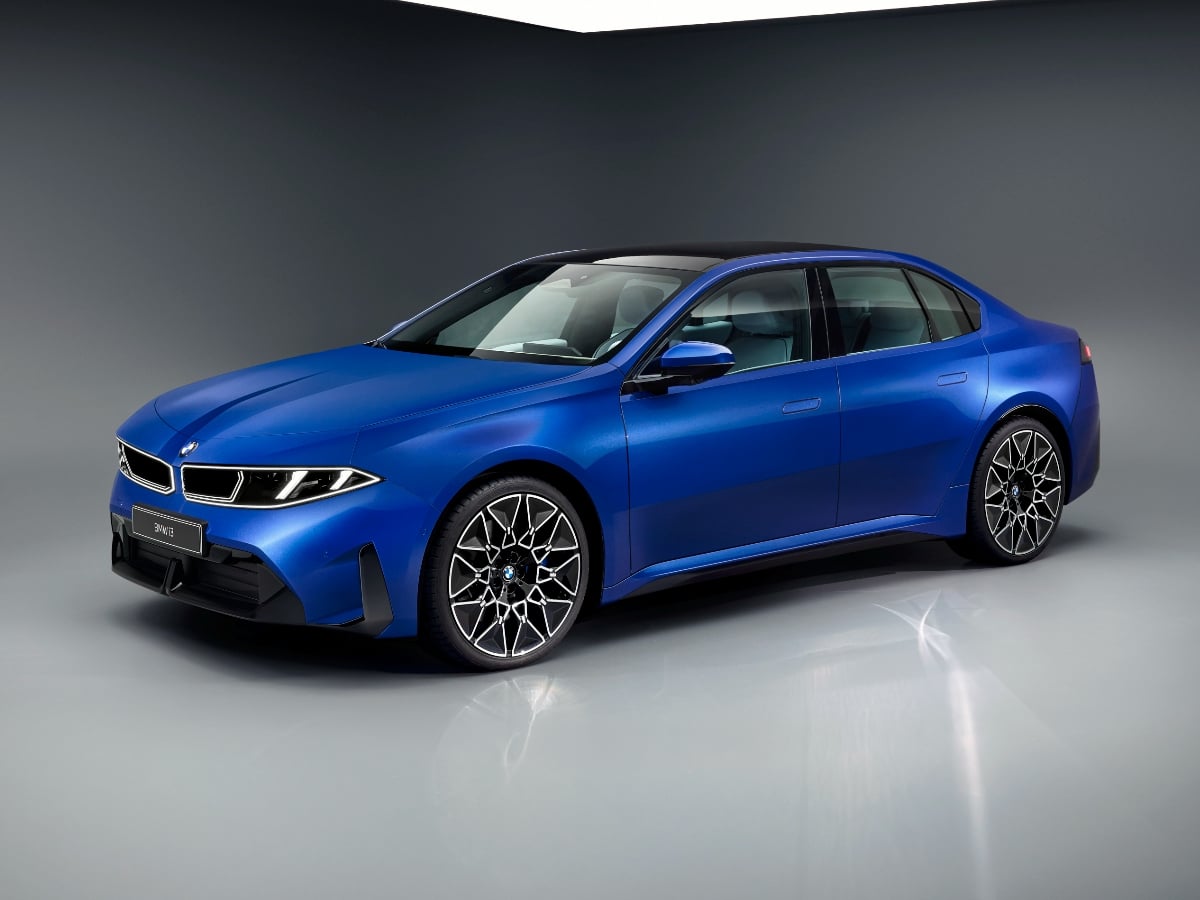
The new 2027 BMW i3 boasts an estimated range of up to 440 miles, 400-kilowatt DC fast charging capability, bidirectional charging to a home or the grid, and next-generation technology.
Read the Full Article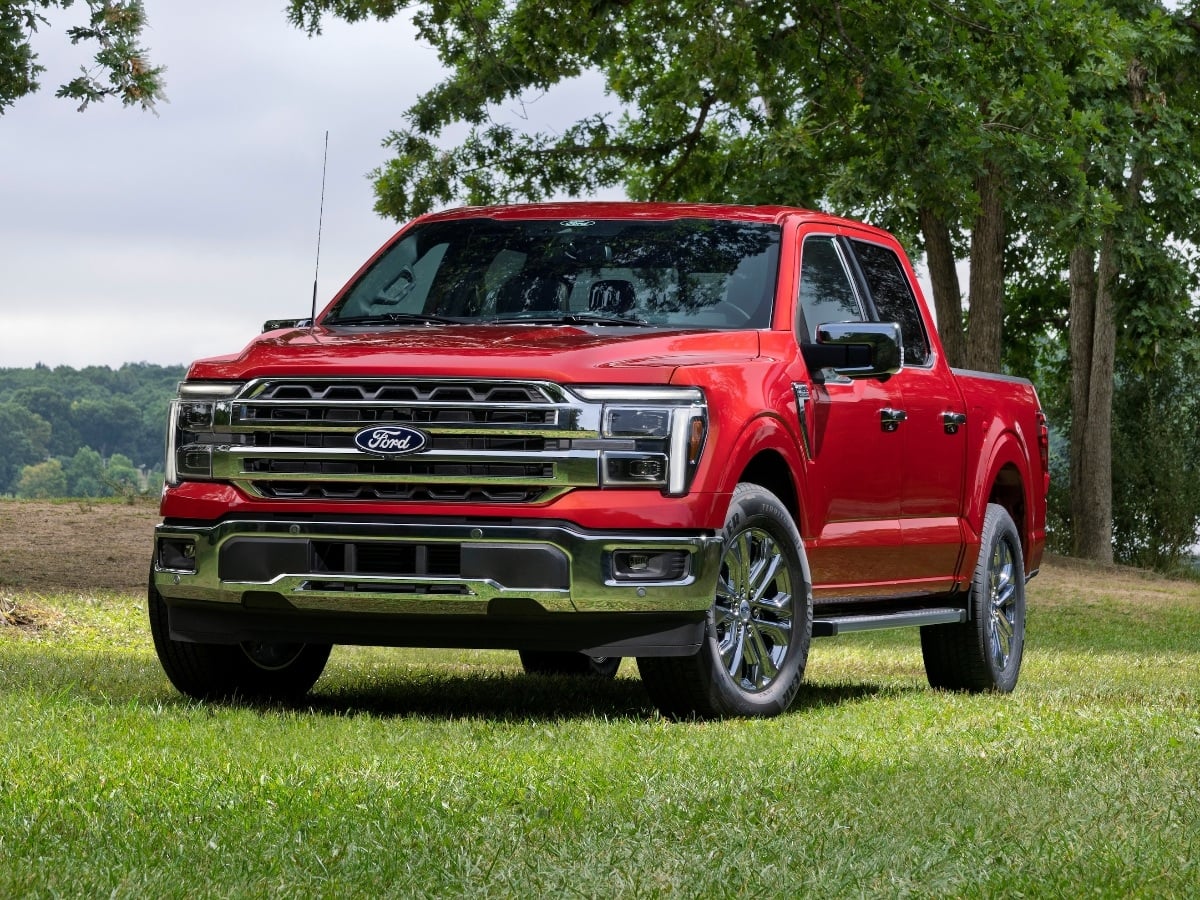
Facing renewed competition in the full-size, light duty pickup truck segment, the 2027 Ford F-150 receives subtle styling updates, a new standard engine, broader availability of its 5.0-liter V8, and ...See More
Read the Full Article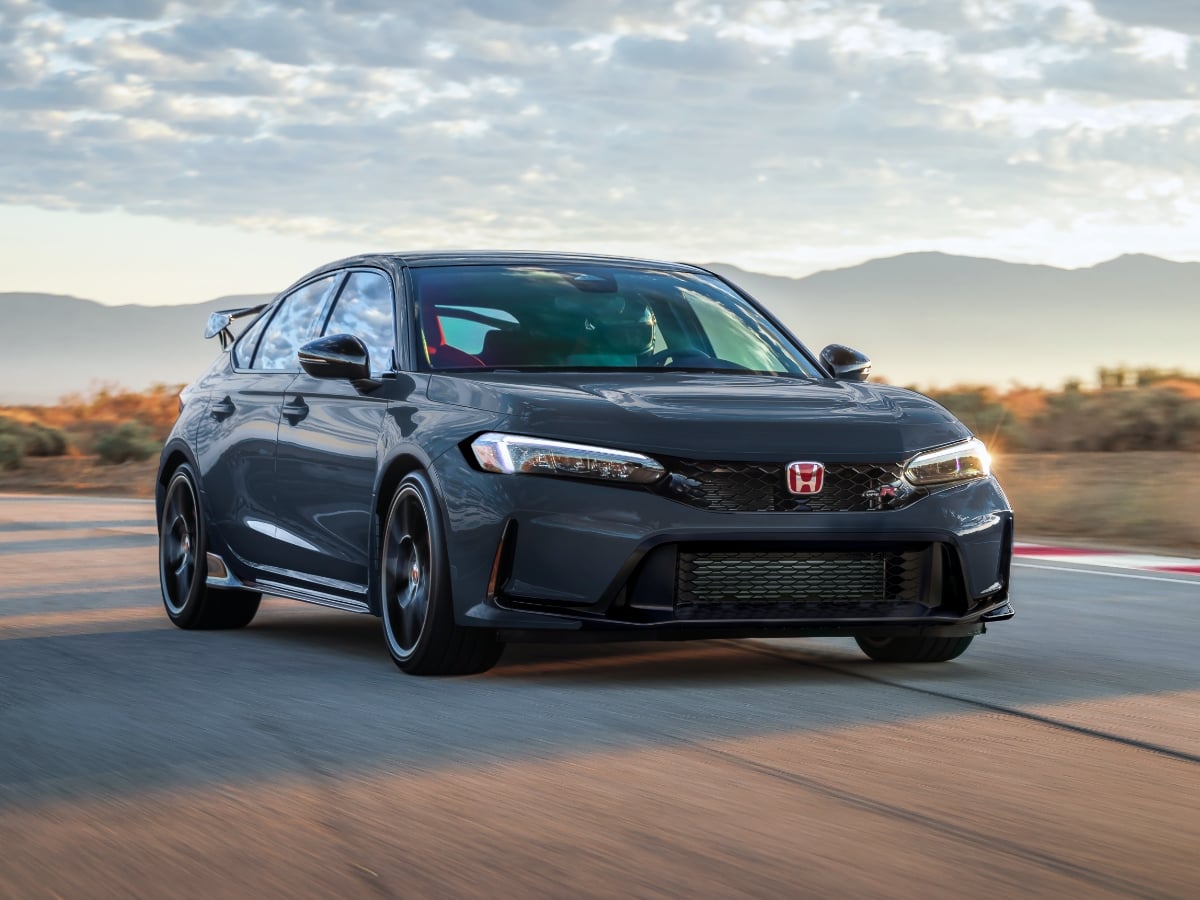
The 2027 Civic Type R goes on sale in October 2026, and it starts at $49,990, including the $1,295 destination charge.
Read the Full Article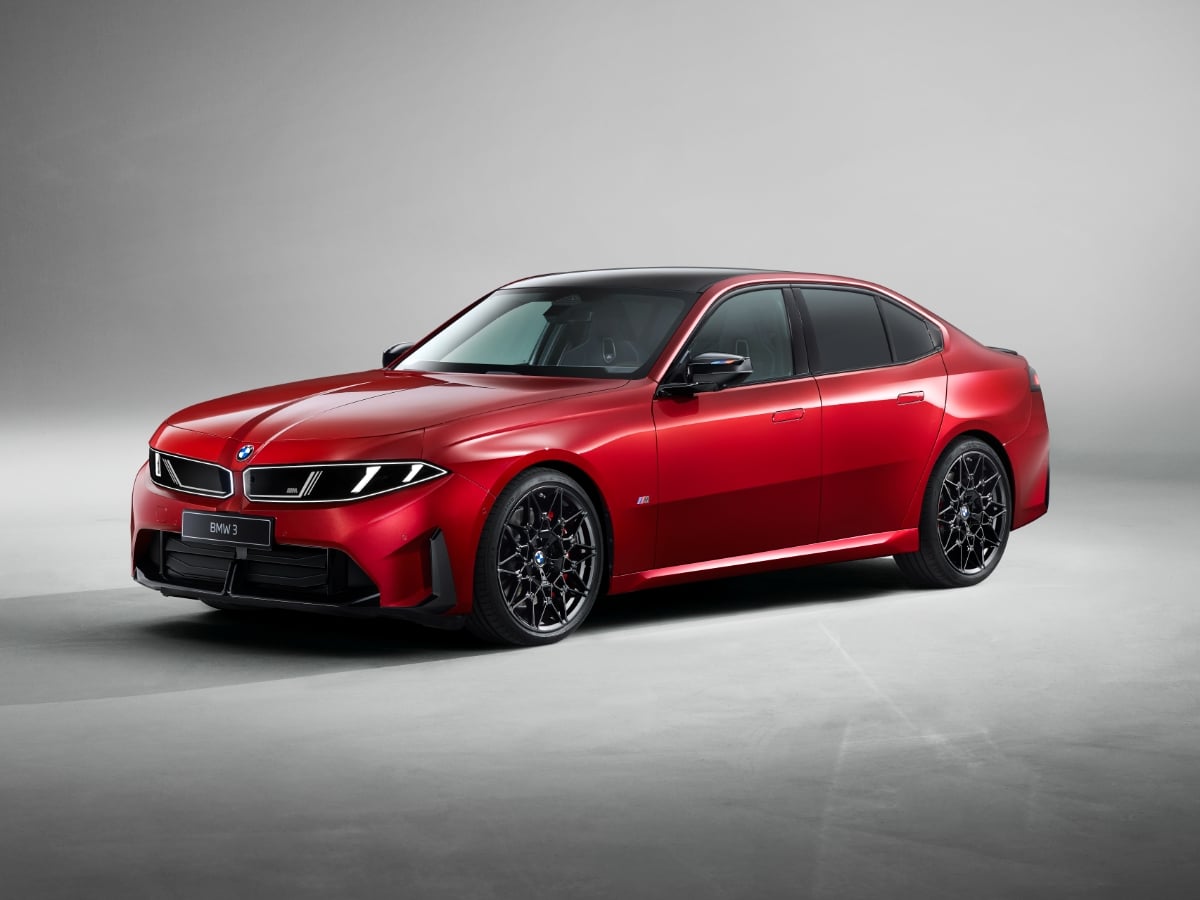
Part of BMW’s Neue Klasse (new class) rollout of redesigned models, the 2027 BMW 3 Series is all-new and goes on sale in the first quarter of 2027.
Read the Full Article