
The turbocharged GMC Typhoon pickup truck challenged the notion that sports cars had to be non-crazy before crazy trucks dominated the market. GMC improved the performance, huge horsepower, and sports car-beating performance of trucks and SUVs.

GMC changed the sector by creatively merging the terms "sport" and "truck." Performance vehicles from the 1980s made by GMC are currently in great demand. This article will cover 10 things you need to know about the GMC Typhoon.
The GMC Typhoon cost $29,530 in 1992. These vehicles have become limited and pricey in a few years. Given how popular performance SUVs and pick-up trucks have grown in recent years, their value is also expected to increase as long as they are in excellent and original shape.
Depending on your point of view, this might be a good or a bad thing. It might not be your first choice if you're looking for a fun everyday sports car.
The GMC Typhoon was only produced from 1991 to 1993. It was built in batches of 2,497 in 1992 and 2,200 in 1993, for a total of 4,697.
The Typhoon had a self-leveling rear suspension, much like vintage Mercedes-Benzes, which inflated air bladders to counter rear-end sag when the SUV had heavy luggage inside.
Some of the paint colors used on Typhoons were forest green metallic, radar blue, raspberry metallic, frost white, royal blue metallic, aspen blue, bright teal, apple red, garnet red, and black.
The Typhoon’s engine modifications featured lower-compression pistons, unique intake and exhaust manifolds, a sweet multi-point fuel injection system, a larger twin-bore throttle body from the Corvette's 5.7-liter V-8, and the Mitsubishi TD06-17C turbocharger with a Garrett water-to-air intercooler.
The Typhoon went into production in 1991 and was subjected to the compulsory Car & Driver test. However, this test was more engaging than any other. This truck was challenged against a brand-new Ferrari 348ts in the magazine and succeeded.
The 348ts it defeated was also in Car and Driver's list of the worst Ferraris ever. Nonetheless, that was a fantastic effort for a truck that predated any Raptor or TRX by decades.
Until recently, most performance SUVs in the market were confined to 1990s technology. The top speed needed to be limited. Their acceleration causes the astonishing speed of these cars. The Typhoon has a top speed of 124 mph.
The Typhoons are significantly superior daily drivers compared to those sports cars in terms of comfort—the interior features luxurious leather seats and a massive steering wheel that matches the vehicle's power.
The gauge cluster is taken from the luxury Pontiac Sunbird, a pleasant touch and self-leveling air suspension that keeps the ride enjoyable.
The Typhoons attracted poor sales during its mass production. Even though many people were curious about the truck, sales were weak, so less than 4700 Typhoons left production.
Cost played a significant role in this. In the 1990s, Typhoons were more expensive than many trucks. They cost twice as much as the S-10 Chevy, one of the most sought-after trucks. As a result, many consumers needed more time to purchase the Syclone.
General Motors did not produce the Typhoons. Instead, they were produced by an outside company, Production Automotive Services, in Troy, Michigan, from 1989 to 1994.
The 3.8-liter V-6 turbocharged engine from the Buick Grand National almost went to the GMC Typhoon. When the Grand National was phased out in 1987, Buick performance engineers filled up its 3.8-liter six-cylinder engine into a Chevy S-10, added some Grand National flare, installed a bulging hood, and fitted cooler wheels before presenting it to General Motors for evaluation.
General Motors declined. Chevrolet declined. GMC agreed to the concept of a pickup truck in the Grand National form but stated that it would be too expensive to install the 3.8-liter V-6 under the vehicle's hood. So they also declined in the end.
The GMC Typhoon was the only truck in the 1990s which was produced with a warning sticker;‘’ Off-road operation could result in severe damage to chassis and drivetrain.’’. This sticker prevented a lot of road accidents, with the Typhoon recording one of the lowest accident rates in the 1990s.
General Motors worked on several extremely unique cars in the late 1980s, but none stood out quite like their GMC Typhoon SUV.
The Typhoon is a masterpiece that many people bought in the 1990s. Although they are no longer manufactured, many people buy old versions. The outstanding truck changed the method and appearance of future trucks, producing prototypes for many of the trucks we see today.


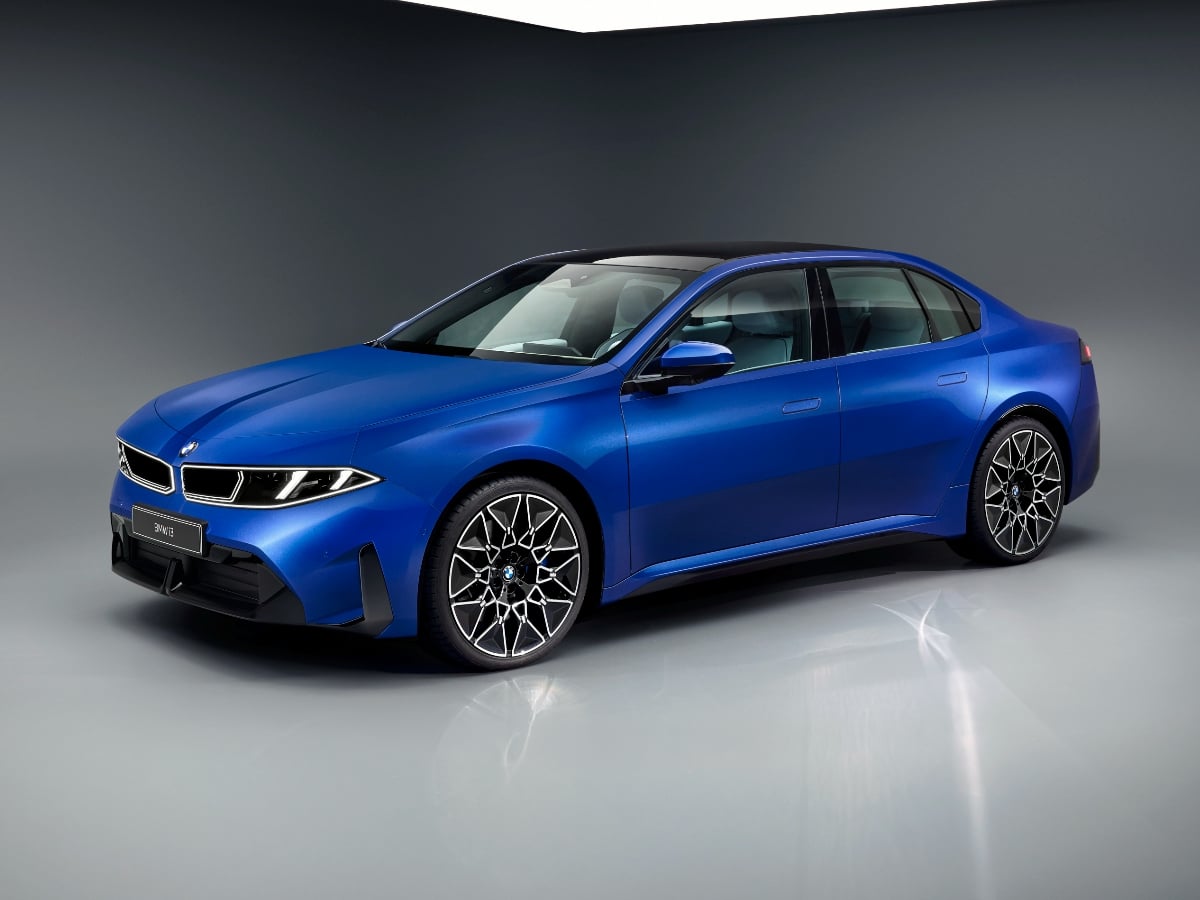
The new 2027 BMW i3 boasts an estimated range of up to 440 miles, 400-kilowatt DC fast charging capability, bidirectional charging to a home or the grid, and next-generation technology.
Read the Full Article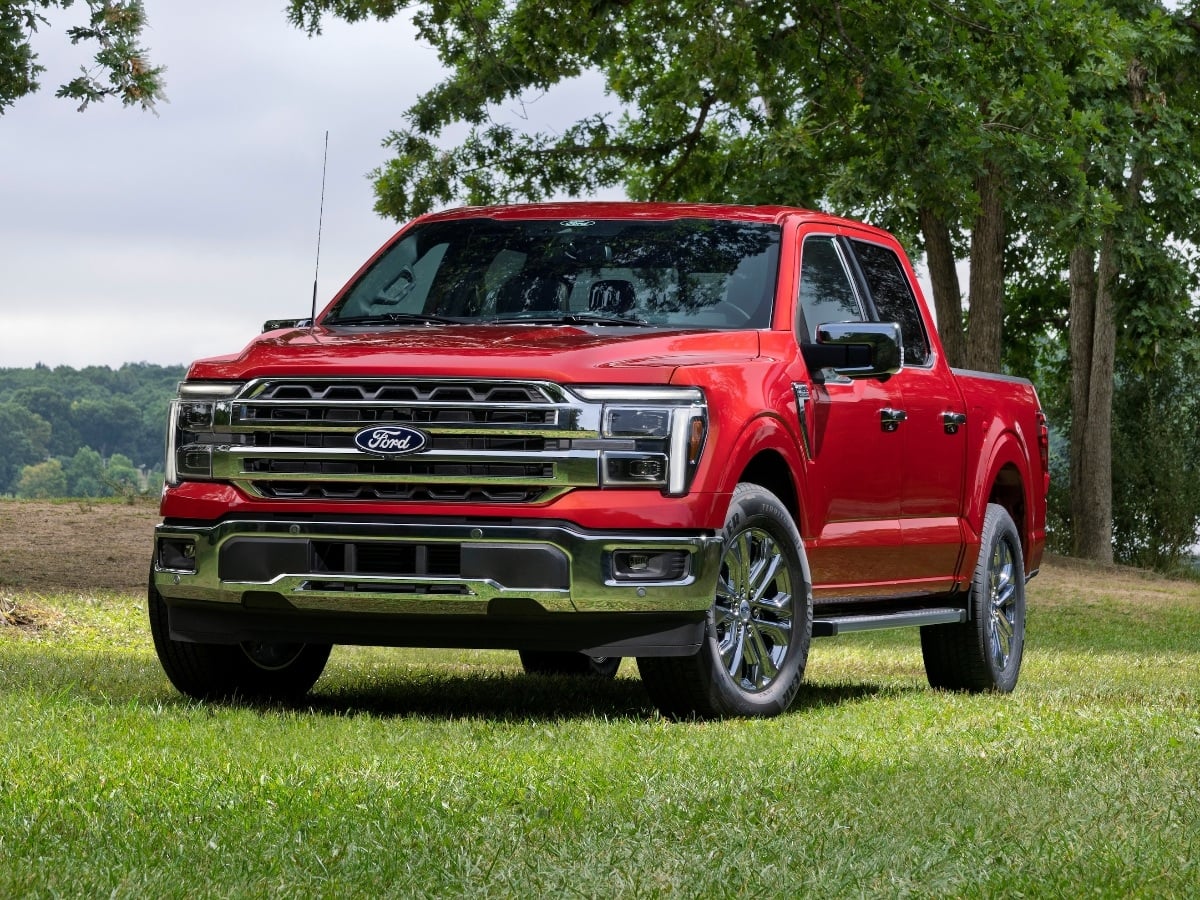
Facing renewed competition in the full-size, light duty pickup truck segment, the 2027 Ford F-150 receives subtle styling updates, a new standard engine, broader availability of its 5.0-liter V8, and ...See More
Read the Full Article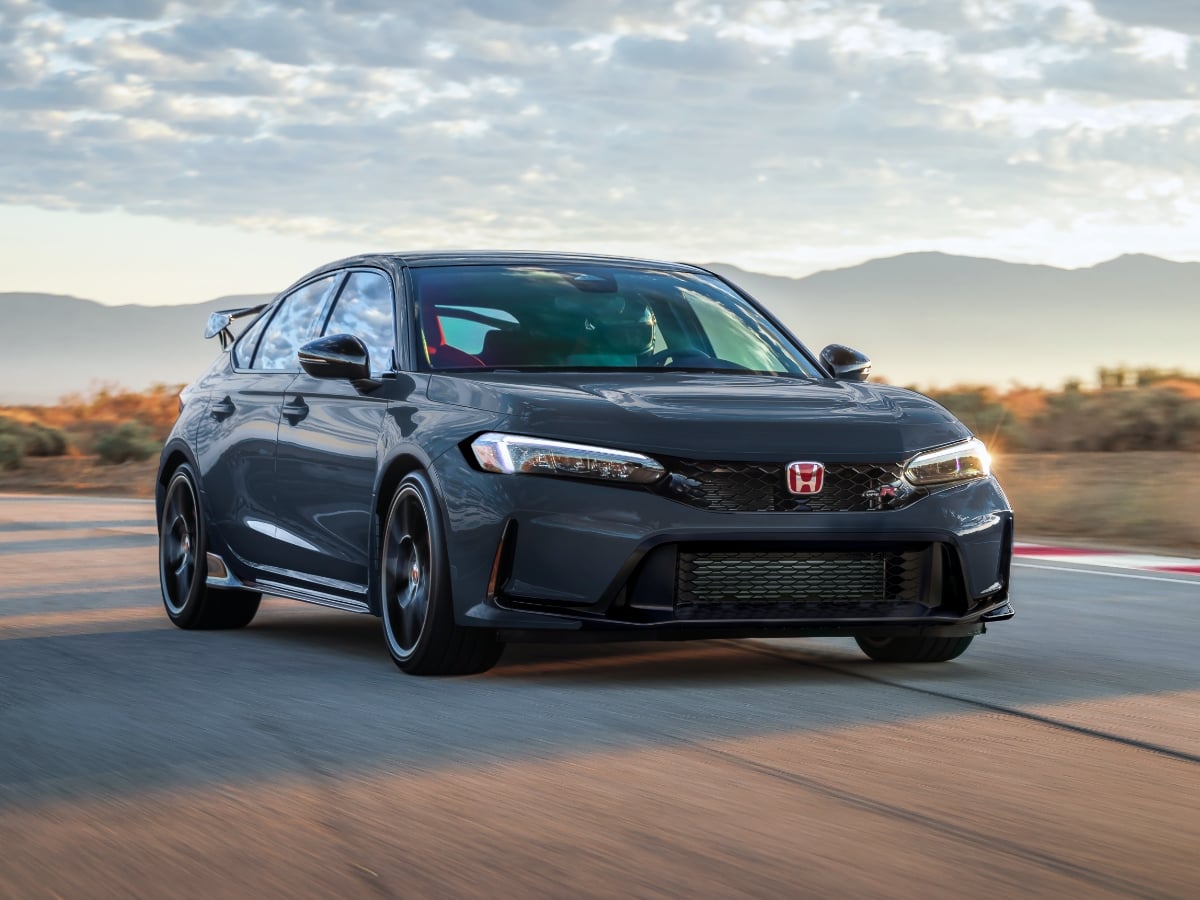
The 2027 Civic Type R goes on sale in October 2026, and it starts at $49,990, including the $1,295 destination charge.
Read the Full Article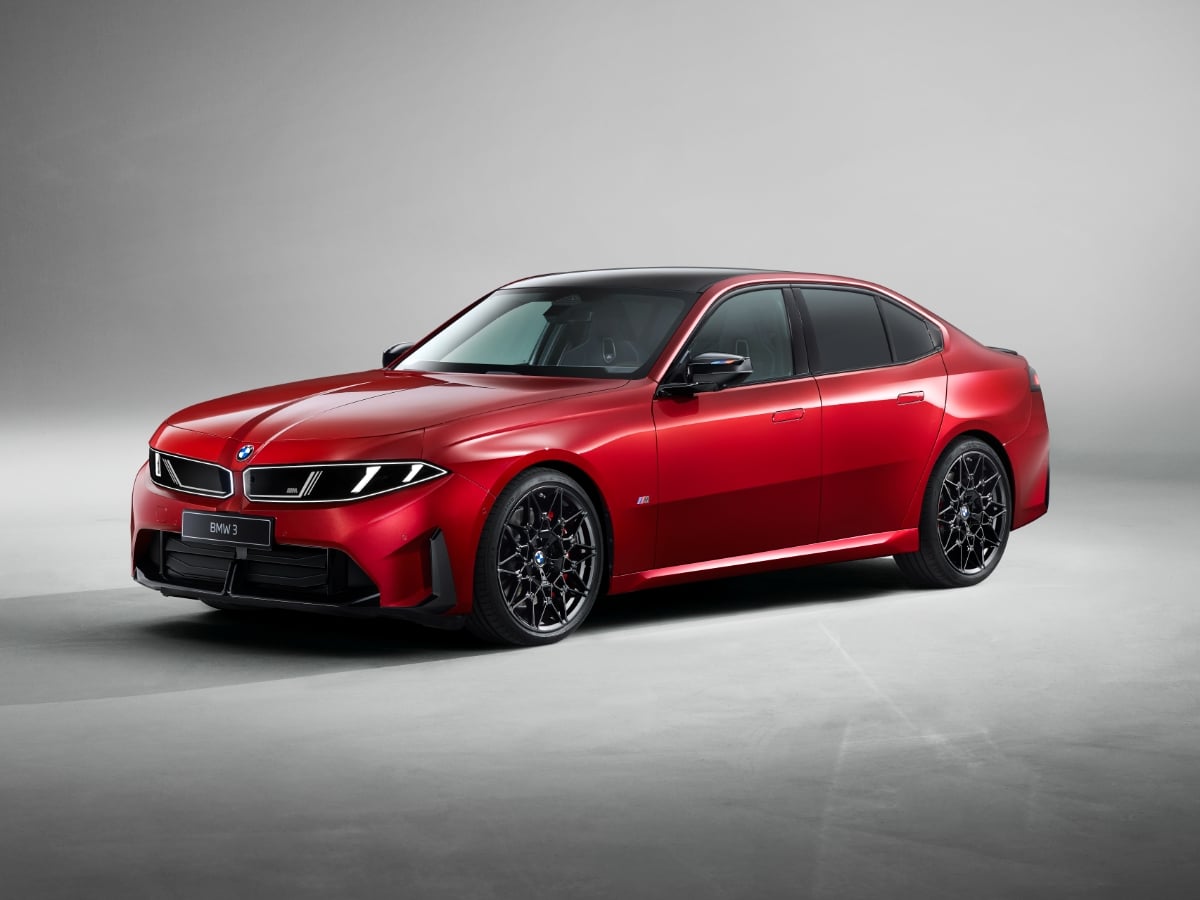
Part of BMW’s Neue Klasse (new class) rollout of redesigned models, the 2027 BMW 3 Series is all-new and goes on sale in the first quarter of 2027.
Read the Full Article