
By 2040, Honda will sell only battery electric or hydrogen fuel cell electric vehicles. The automaker has dabbled with each powertrain type, most recently in the Honda Clarity, which came in Electric, Plug-in Hybrid, and Fuel Cell models. But Honda's first FCEV, the FCX, hit the road more than 20 years ago.

Now, Honda has revealed the 2025 Honda CR-V e:FCEV, a fuel cell vehicle with a twist. In addition to housing a next-generation Honda Fuel Cell Module, the CR-V e:FCEV offers battery-electric propulsion for a short distance. So, it's like an electric, plug-in hybrid, and fuel cell all in one.
Weird, right? Perhaps it's fitting that this new plug-in Honda CR-V fuel cell vehicle will be offered only in California and only via lease.

The 2025 Honda CR-V e:FCEV wears new styling from the windshield forward and has an exclusive rear liftgate design, rear bumper, and 18-inch black alloy wheels. Aerodynamic enhancements include a front spoiler and underbody enclosure panels to smooth airflow. The styling changes are appealing, but the SUV remains proportionally nose-heavy when viewed in profile.

Honda sells its plug-in fuel cell CR-V in a single level of specification. This model's standard Touring trim includes sustainable bio-based leather upholstery, power-adjustable heated front seats, a heated steering wheel, dual-zone automatic climate control, and a hands-free power liftgate.

Despite the added battery pack and hydrogen fuel tanks (see the cutaway image below), the CR-V e:FCEV seats five people, the same as a standard version of the SUV. However, the fuel tanks take a toll on cargo space. Honda doesn't provide volume measurements, but the rearmost tank forces the adoption of a two-tiered trunk and dramatically reduces maximum space.

Honda builds the CR-V e:FCEV at its Performance Manufacturing Center in Marysville, Ohio, and equips it with a hydrogen fuel cell manufactured in Michigan. Co-developed with General Motors, the second-generation, 92.2-kWh Honda Fuel Cell Module is claimed to be more durable, efficient, refined, and affordable than what Honda previously offered in the FCX and Clarity.
It pairs with a 17.7-kilowatt-hour battery pack tucked under the passenger compartment floor and employs a front-mounted electric motor delivering 174 horsepower and 229 pound-feet of torque. All-wheel drive is unavailable.
Honda says the CR-V e:FCEV provides 29 miles of electric driving range on a full battery. Add that to the range stored in the hydrogen fuel tanks, and the SUV can travel a total of 270 miles before you need to find an electrical outlet, charging station, or hydrogen station.
Drivers can choose between Eco, Normal, Sport, and Snow driving modes. In addition, Honda revised the suspension tuning to ensure the same driving feel as other CR-Vs and improved rear lateral and torsional stiffness.

Every CR-V e:FCEV comes with a Honda Power Supply Connector with a 110-volt outlet that can deliver 1,500 watts of power to run external devices. You can see that in the photo above, where the SUV powers an outdoor movie projector.
Inside, the CR-V fuel cell vehicle features a 10.2-inch digital instrumentation panel, a 9-inch touchscreen infotainment system with wireless Apple CarPlay and Android Auto, wireless smartphone charging, and a 12-speaker Bose premium sound system. The HondaLink connected services plan adds new features unique to this model, such as a hydrogen station directory.
On the safety front, the Honda Sensing collection of advanced driving assistance systems (ADAS) is standard. In other well-equipped CR-V models, Honda Sensing includes many features, including front and rear parking sensors.
There's nothing like the Honda CR-V e:FCEV on California roads, and the only alternative models are the Hyundai Nexo and the Toyota Mirai.
However, in light of recent news that Shell is closing seven of the Golden State's already scarce hydrogen stations, I don't expect the CR-V e:FCEV to prove anywhere near as popular as the standard Honda CR-V. The plug-in feature is undeniably appealing, though. Keep the e:FCEV charged up, and depending on your daily driving requirements, your tank of precious hydrogen fuel could last a long time.
Honda is the source of information in this article. It was accurate as of February 27, 2024, but it may have changed since that date. Always confirm product details and availability with the automaker's website or your local dealership.
Christian Wardlaw is a veteran automotive journalist with nearly 30 years of experience in test-driving vehicles. In addition to JDPower.com, his work has appeared in numerous new and used-car buying guides, newspapers, and automotive industry trade journals.


Although both the 2026 Toyota Corolla and Toyota Camry share Toyota engineering and many standard features, they target different buyers. To see how they compare in value, reliability, performance, ...See More
Read the Full Article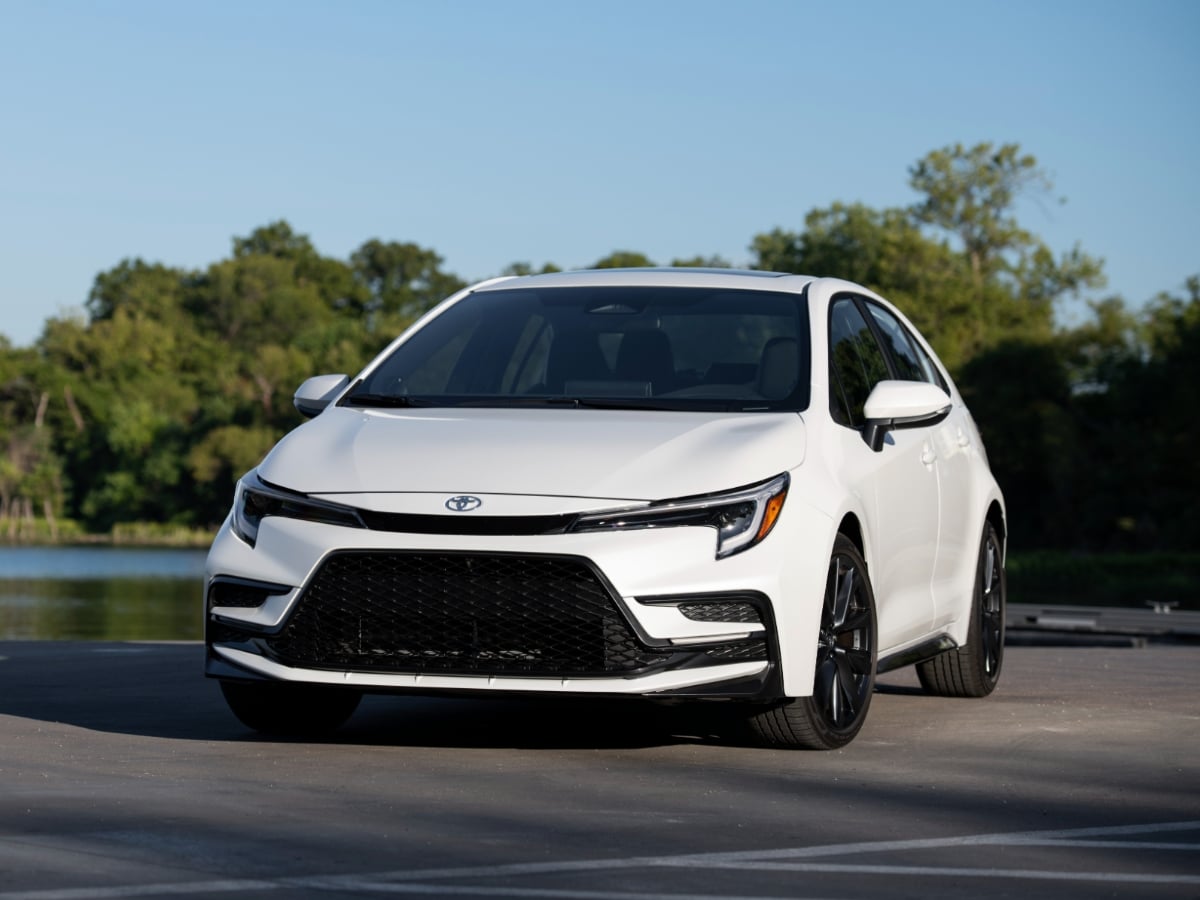
Both the 2026 Toyota Corolla and the 2026 Mazda Mazda3 come with comprehensive safety features and connected services, along with large infotainment screens and premium audio. To see how their ...See More
Read the Full Article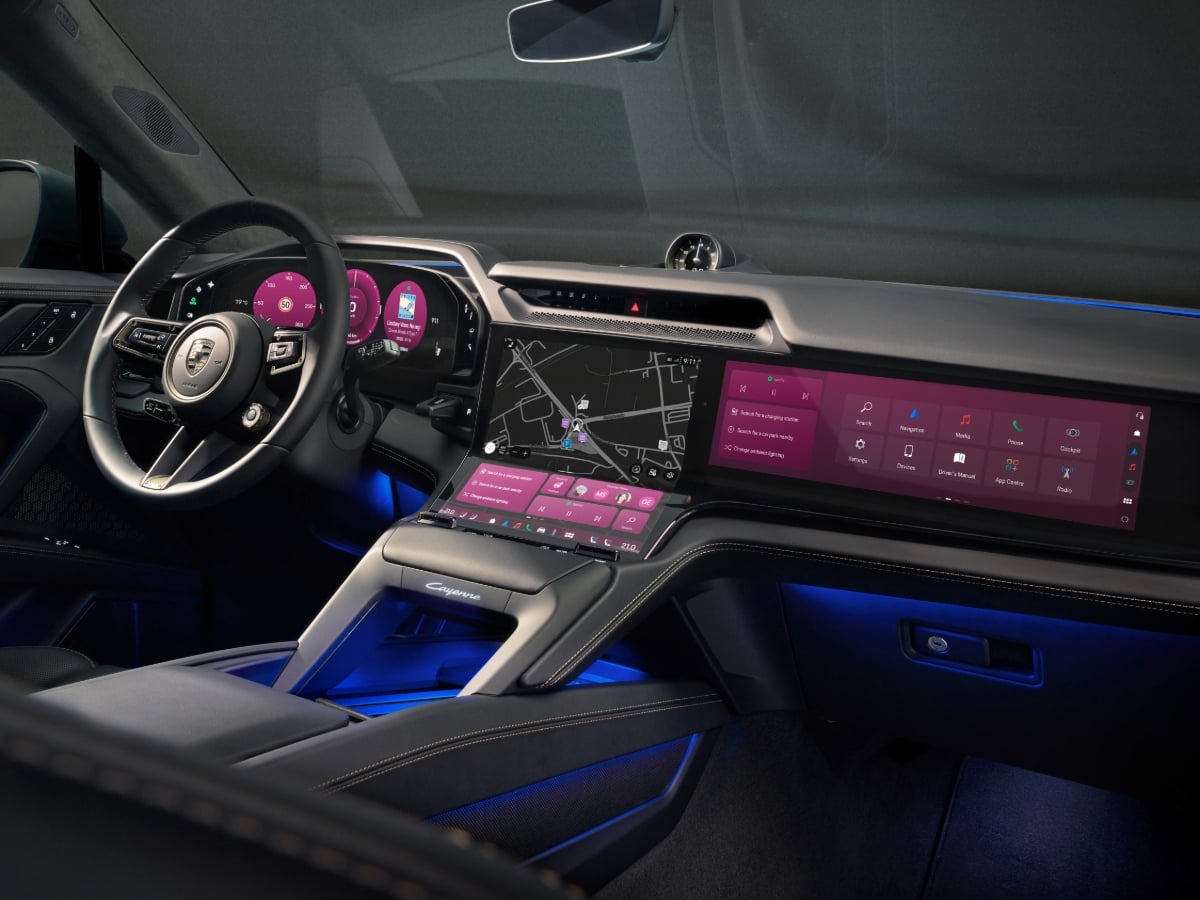
Touchscreens are almost universal in modern cars. However, not all display types are the same. An increasing number of the latest cars use something called an OLED display. But what exactly is OLED, ...See More
Read the Full Article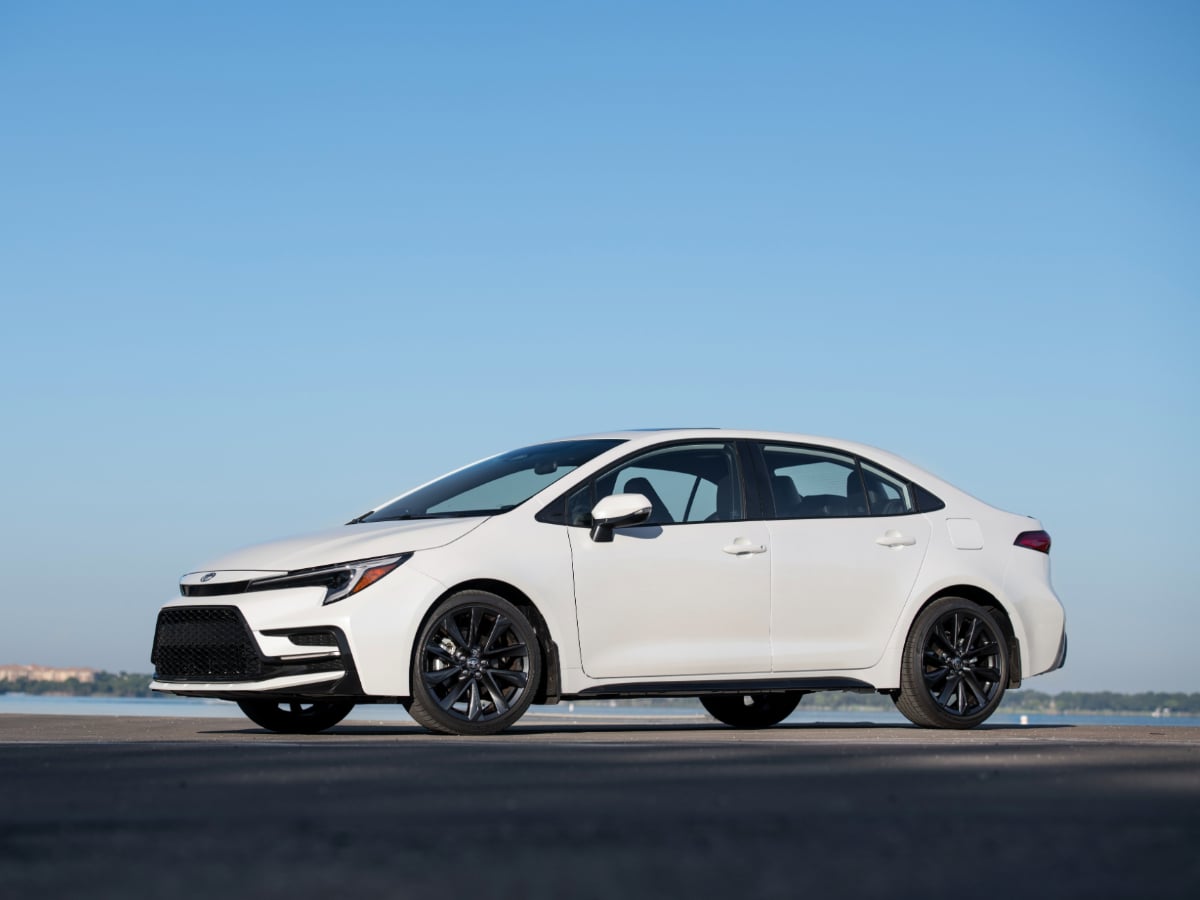
Although the 2026 Toyota Corolla and the 2026 Nissan Sentra target buyers with similar goals, they take different routes. To see how those approaches translate into real world value, reliability, ...See More
Read the Full Article