

Chevrolet has redesigned the iconic Camaro for 2016, though it might require more than a glance to tell the difference between the new version and the old version. Drawing from the same design ethos used to relaunch the Camaro for the 2010 model year, the new 2016 Camaro remains inspired by the original late-1960s versions of the nameplate.
Under the bodywork, however, the new Camaro is thoroughly modern. It shares a platform with the Cadillac ATS, a luxury sport sedan that has drawn praise for its engaging driving dynamics. The 2016 Camaro comes in LT and SS trim levels, the former equipped with a turbocharged 4-cylinder or V-6 engine and the latter fitted with a powerful V-8.
For this review, our expert evaluated a 2016 Chevrolet Camaro 1LT with the RS package, Heavy-duty Cooling and Brake package, Technology package, black-painted wheels, Bright Yellow extra-cost paint, and premium floor mats. The price came to $30,575, including the $995 destination charge.

Before we discuss the results of our evaluation of the new 2016 Camaro, it is helpful to understand who bought the previous version of this sporty car and what they liked most and least about it.
The Midsize Sporty Car segment contains just four models. Naturally, then, Camaro buyer demographics closely align with those of the average buyer in the segment. Camaro buyers are slightly more likely to be men (82% compared with 81% segment average), a little bit younger (49 years vs. 51 years), and earn a slightly lower median annual household income ($102,679 vs. $106,338). The Camaro is also more popular with Gen X (born 1965-1976) and Gen Y (1977–1994) buyers (56% for both generations vs. 49% segment average).
Compared with the average Midsize Sporty Car buyer, Camaro owners identify themselves more often as practical buyers (24% vs. 30%) and less often as performance buyers (39% vs. 34%). They are also more likely to agree that they avoid vehicles they think will have high maintenance costs, compared with segment average (84% vs. 78%), and to agree that their first consideration in choosing a vehicle is miles per gallon (37% vs. 31%). In other respects, Camaro buyer psychographics are aligned with buyers of the Dodge Challenger, Ford Mustang, and Hyundai Genesis Coupe–the other members of the Midsize Sporty Car segment.
Buyers say that their favorite things about the Camaro are (in descending order) the engine/transmission, exterior styling, interior design, driving dynamics, and the climate control system. Buyers indicate that their least favorite things about the Camaro are (in descending order) interior storage and space, fuel economy, visibility and safety, seats, and the infotainment system.

In the sections that follow, our expert provides his own assessment of how the 2016 Camaro performs in each of the 10 categories that comprise the JD Power 2016 U.S. Automotive Performance, Execution and Layout (APEAL) Study.SM

Likewise, the new Camaro's interior is modeled upon familiar themes. The dashboard is rather plain and simple, reflecting the car's driver-focused mission and improved driving dynamics. Distraction is beautifully minimized, primary instruments and controls are easy to reference and use, and designers deftly integrate the climate system controls into the circular air vent trim rings to reduce clutter. Much of the Camaro's interior, however, is covered in hard plastic.

Smaller inside, the Camaro no longer pretends that four people might actually sit inside of it at the same time. A rear seat exists, but even children complain about the lack of space.
Used for transporting a driver and a passenger, however, the Camaro is comfortable. The test car's cloth-wrapped driver's seat supplied robust bolstering, excellent thigh support, and plenty of leg space. Plus, when pitching the car into corners, the spots where the driver braces his or her legs are shaped to reduce discomfort. As an option, Camaro buyers can install soft padding in these locations.


Three engine choices are offered for the 2016 Camaro.
The Camaro LT trims come with a standard turbocharged 4-cylinder engine generating 275 horsepower; a 335-horsepower, 3.6-liter V-6 engine is an option. An 8-speed automatic transmission is an option, replacing the standard 6-speed manual gearbox. With the automatic, the V-6 engine includes Active Fuel Management, a cylinder-deactivation system designed to improve fuel economy.
The Camaro SS is fitted with a 455-horsepower, 6.2-liter V-8 engine. It comes with a 6-speed manual or 8-speed automatic transmission, and with the automatic the V-8 employs Active Fuel Management technology.
The 1LT test car had the turbocharged 4-cylinder engine and the 6-speed manual transmission. Horsepower peaks at 5,600 rpm, while 90% or more of the 295 lb.-ft. of torque is available from 2,000 rpm to 4,500 rpm. The engine revs smoothly and sounds good doing so, supplying robust response. The manual gearbox provides short, precise throws, too, not at all like muscle cars of yore.
Occasionally, however, the engine displayed a steep drop in power during upshifts from first gear to second gear. The problem unexpectedly occurred just a couple of times, and when trying to match conditions the test driver could not duplicate the issue. It was not related to low-rpm shifts that would drop engine revs well below the threshold where torque makes its presence known in earnest.

When equipped with the larger 20-in. wheels included in the optional RS package, as well as the Heavy-Duty Cooling and Brake package, the Camaro 1LT provides tremendous bang for the buck.
Clearly, the platform it shares with the Cadillac ATS contributes to the Camaro's penchant for opening clear lines of communication between the car, the driver, and the road. Unlike the previous Camaro, or the redesigned 2016 model's primary competitors from Dodge and Ford, this new Camaro feels light, tidy, and athletic. Its talent extends beyond straight-line acceleration, transforming the Camaro into a sports coupe that performs beautifully on any type of road.
Thrilling engine response, a tight gearbox, stout braking components, expertly tuned electric steering, and a robust structure make driving a turbocharged Camaro a joy. The car doesn't feel too big for twisting canyon roads, making it easier to carry speed through corners. And while visibility to the rear isn't good, the scalloped hood provides the driver with clear lines of sight that, in turn, add confidence.
For daily driving, the ride quality is firm, but that's to be expected. Road noise is excessive, and the more imperfect the pavement surface, the louder the cabin gets. More than anything, the annoying level of tire and suspension noise is what makes driving a Camaro tiresome during commutes.

The redesigned 2016 Chevrolet Camaro might look like the previous version of the car, and it might resemble the comparatively rudimentary original cars of the late 1960s, but it drives more like a good German sports coupe than a sloppy American muscle car.
Shrink-wrapping the new Camaro around Cadillac ATS mechanicals hasn't allowed Chevrolet to resolve key owner complaints. Interior space remains tight; there isn't much storage space; and the trunk is smaller rather than larger. Fuel economy also falls short of expectations, and visibility remains a challenge, though new driver-assistance technologies do improve matters.
The good news is that Chevrolet has improved the Camaro in terms of powertrains and driving dynamics–key aspects that current owners claim are among their favorite things about the car. Styling and design are always personal preferences, but Chevy's adherence to established themes is sure to please current Camaro owners.
From our reviewer's perspective, the new Camaro represents an improvement over the previous car. Midsize sporty coupe buyers who need more interior room for people and things should consider the much roomier Dodge Challenger instead.
General Motors supplied the vehicle used for this 2016 Chevrolet Camaro review.


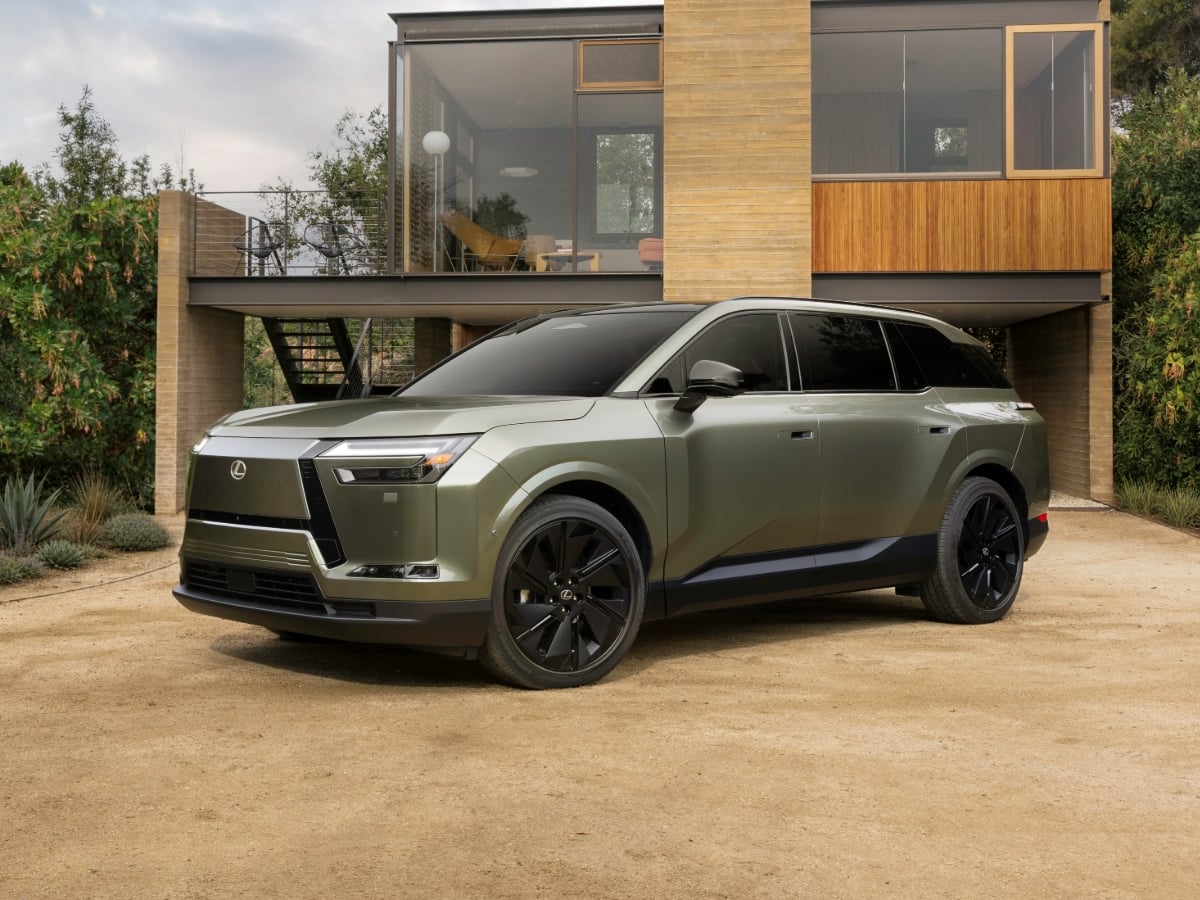
With the 2027 Lexus TZ, Toyota Motor’s luxury division introduces its first three-row all-electric SUV, featuring a lounge-inspired interior, an enhanced all-wheel drive (AWD) system, and up to 300 ...See More
Read the Full Article
With the all-new 2027 Kia EV3 small crossover SUV, the Korean automaker continues to expand its all-electric lineup while keeping prices accessible.
Read the Full Article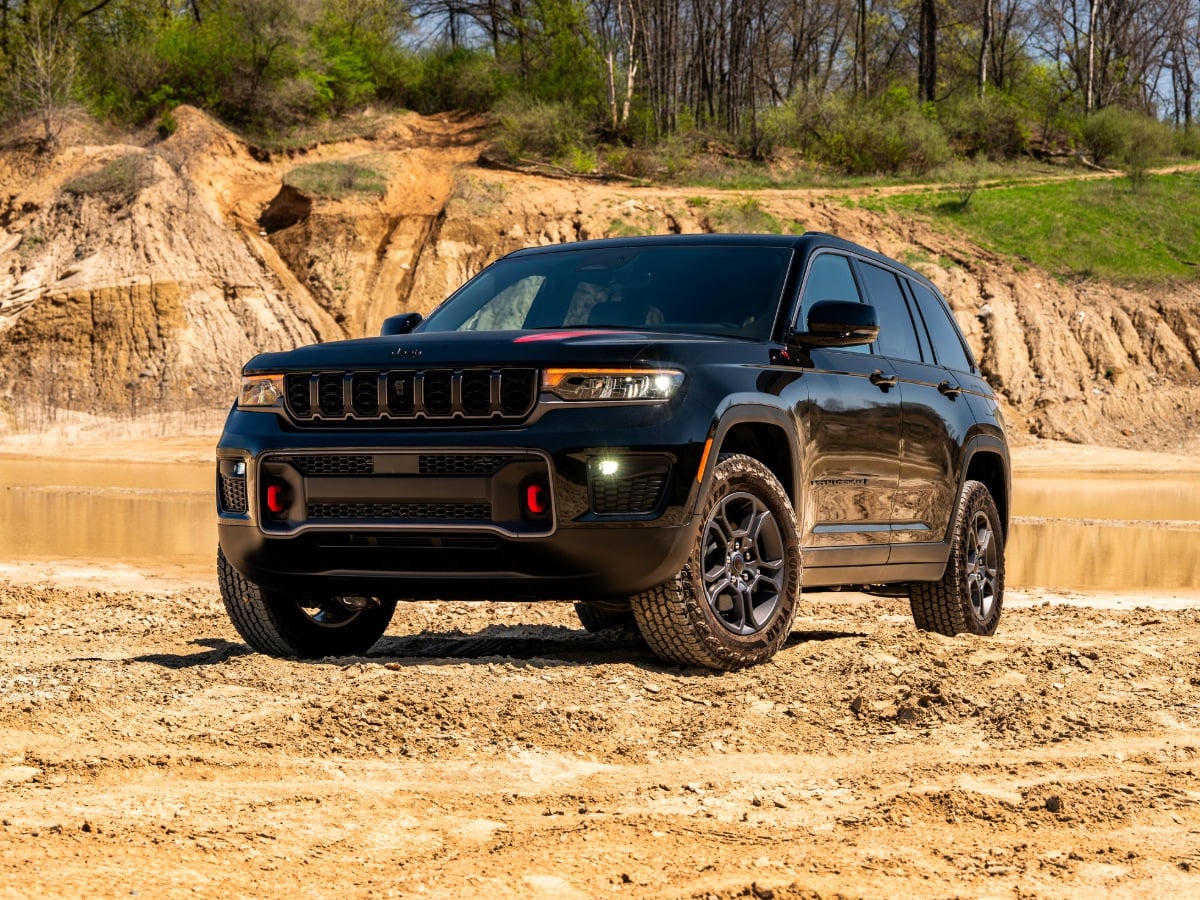
Following a refresh for the 2026 model year, the 2027 Jeep Grand Cherokee lineup brings back two familiar variants, the go-anywhere Trailhawk and the premium-yet-capable Overland, offering buyers ...See More
Read the Full Article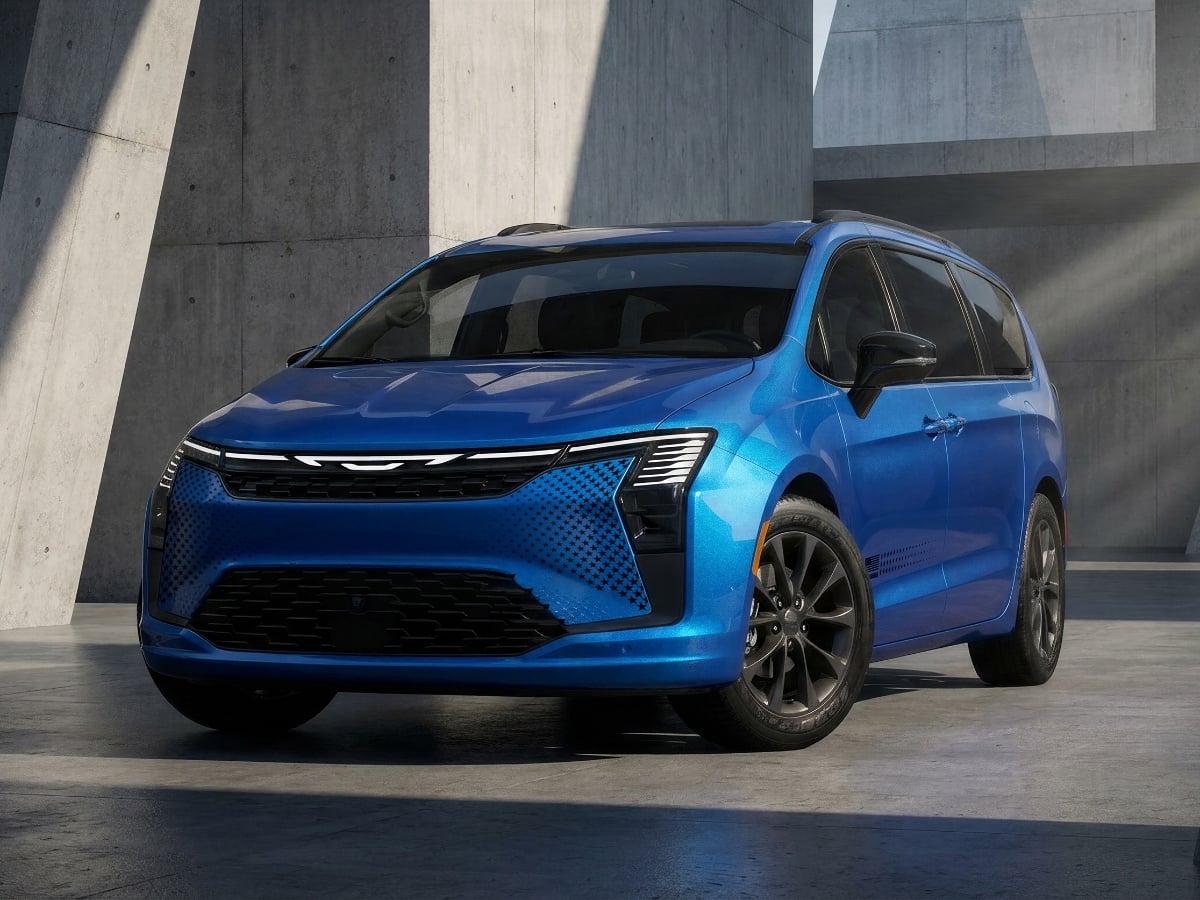
Chrysler, the company that launched the modern minivan segment in 1984, is giving its popular 2027 Chrysler Pacifica a nose job and introducing a special edition commemorating America’s 250th ...See More
Read the Full Article