47 - 135
42 - 118
221 - 338
1 speed, Automatic, 1 speed, CVT w/OD
Electric, Gas/Electric I-4
All Wheel Drive, Front Wheel Drive
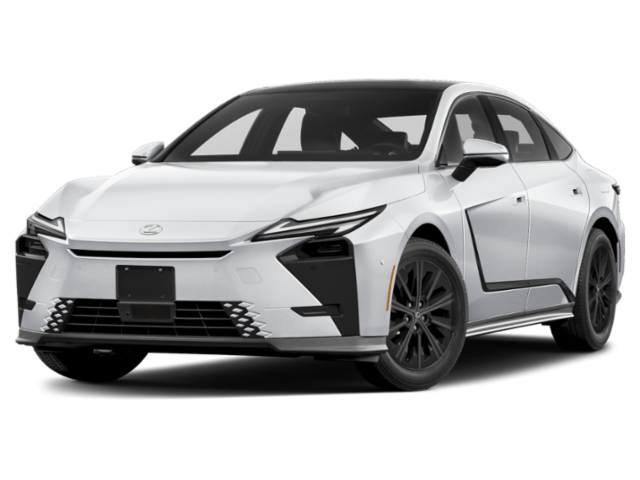
The all-new 2026 Lexus ES is now 100 percent electrified, with a next-generation hybrid powertrain joined by a pair of all-electric variants: the ES 350e and ES 500e. Accompanying them is a striking new design, including the interior that introduces a next-generation infotainment system.

There are now three Lexus ES models: the hybrid ES 350h, the front-wheel-drive (FWD) all-electric ES 350e, and the all-wheel-drive (AWD) fully electric ES 500e. Lexus hasn’t yet announced 2026 ES trim levels. However, the automaker did reference a Luxury grade in its press release, so it stands to reason that the 2026 ES may offer a comparable collection of trim levels as it does in 2025 with Luxury, Ultra Luxury, and F Sport.
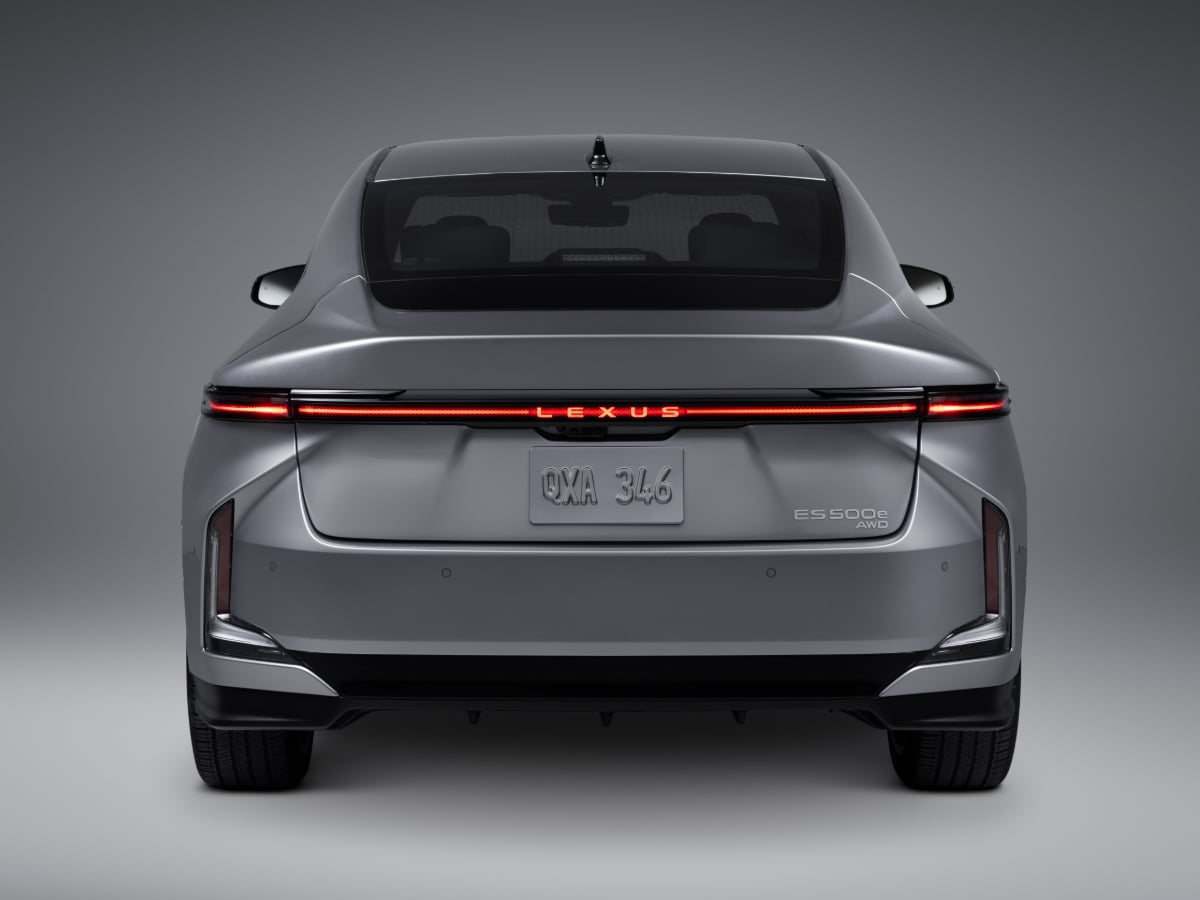
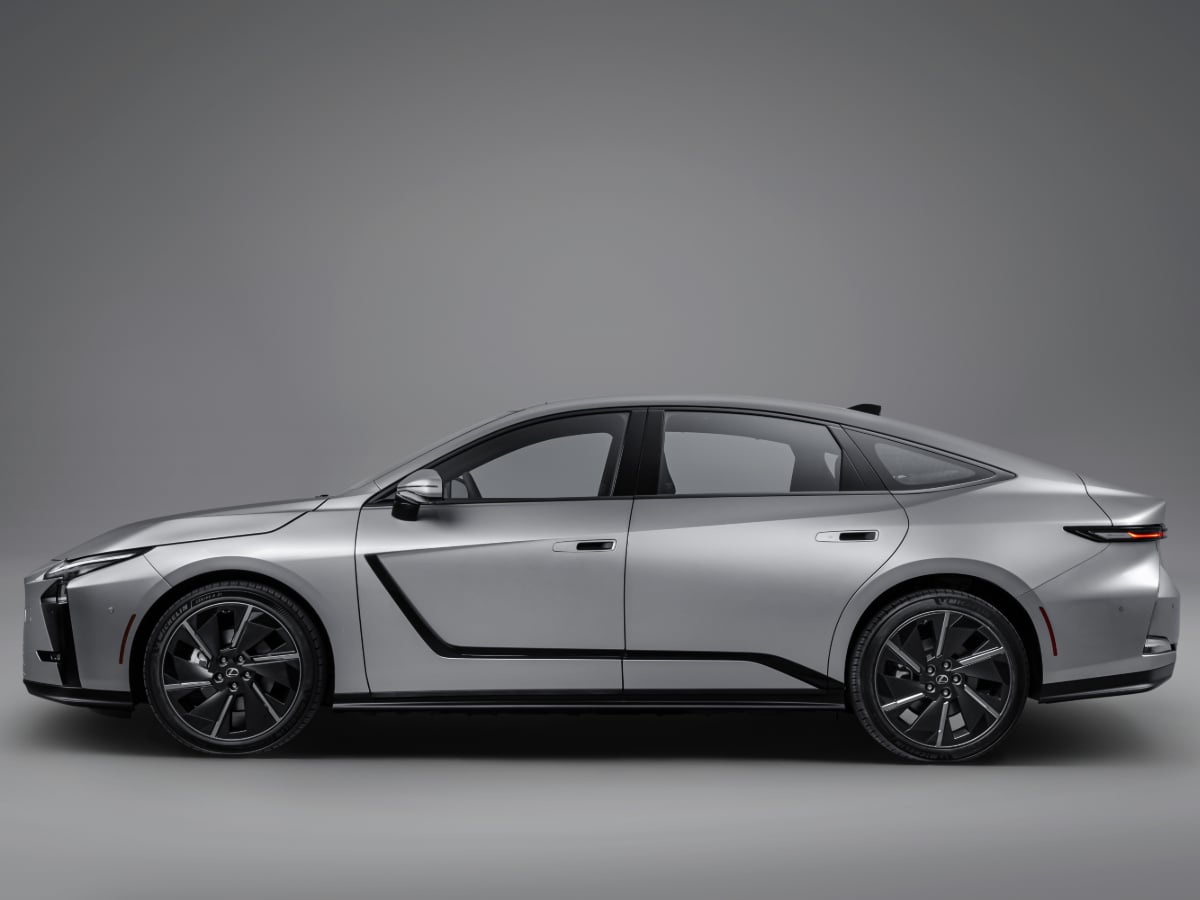
Compared to the 2025 model, the 2026 Lexus ES is 6.5 inches longer overall, and the wheelbase is stretched by 3 inches. These elongated proportions go with a new design that’s perhaps a tad more technical than elegant, with its streaks of black trim down the side and flanking the reshaped front end. For those who have lamented the giant Lexus grille over the years, you can celebrate that the automaker finally replaced it on the ES with an evolution of what’s found on the current Lexus RX.
Note, however, that the car’s front end differs between the hybrid and electric versions, as the ES 350h has a slim upper grille needed for engine cooling. The hybrid also sports a tailpipe.
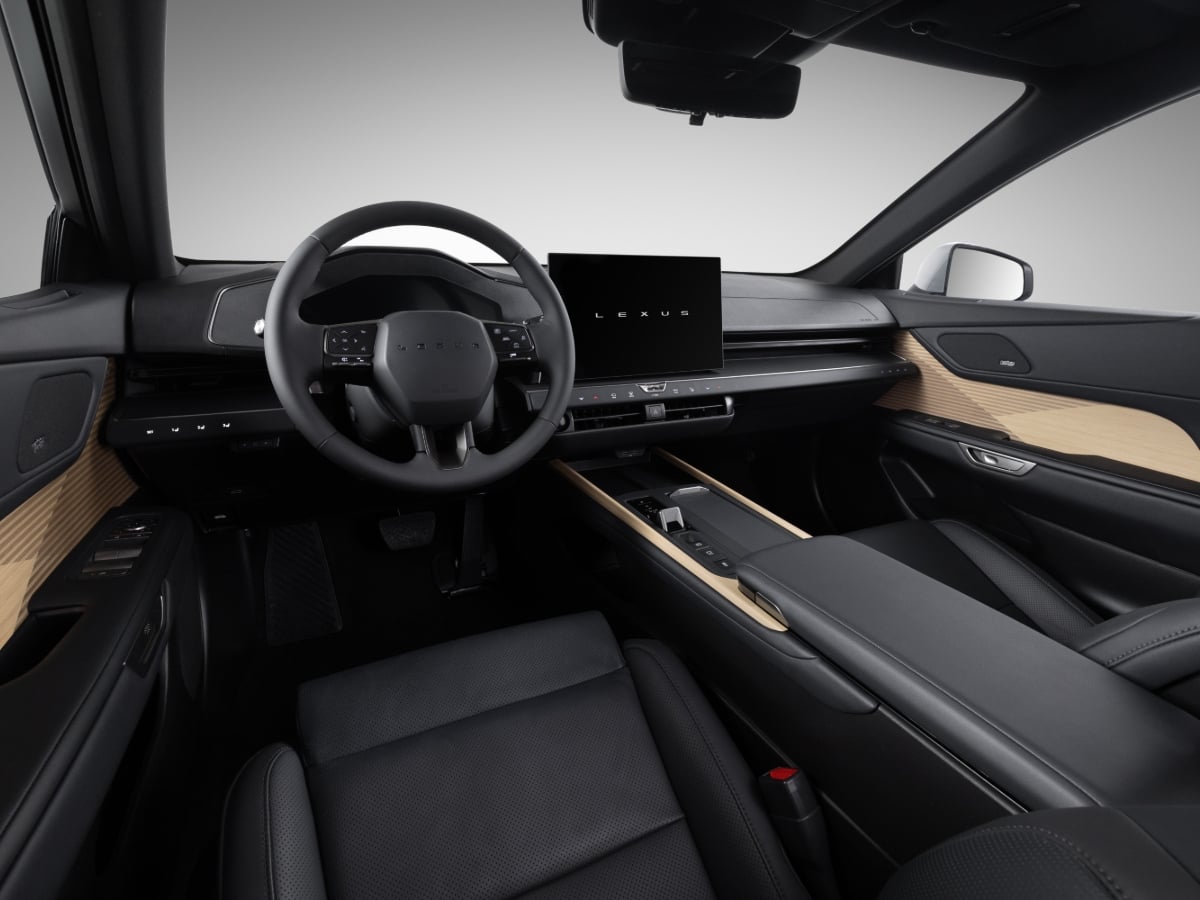
The 2026 ES represents perhaps an even greater design departure from that previously seen in the Lexus lineup, let alone the previous-generation ES. There’s plenty of new switchgear on the redesigned ES, including the tab-like shifter, touch-sensitive icons on a dashboard-spanning trim piece, and properly marked steering wheel buttons (versus the infuriating unmarked ones in the RX). Even the steering wheel emblem is gone, replaced by “LEXUS” script.
A 14-inch infotainment system touchscreen joins a 12.3-inch multi-information display, adding a much-needed touch of modernity to the ES cabin. I’ll discuss their features and functionality below.
Lexus bases the 2026 ES sedan on the same TNGA-K vehicle platform as the outgoing model, but redesigned it to accommodate hybrid and all-electric powertrains. According to the automaker, it also strengthened the vehicle’s underlying structure to reduce vibration, improve steering, and enhance agility. A new multi-link rear suspension should help with agility too.
The ES 350h features the next-generation Toyota hybrid system. It produces 243 combined horsepower, whereas the old ES 300h hybrid produced only 215 hp. Lexus released a zero-to-60-mph time of 7.4 seconds with FWD and 7.2 seconds with AWD. Lexus has not released fuel-economy estimates for the ES 350h at the time of publication.
The new ES 350e has a single electric motor powering the front axle for FWD. It produces 221 hp (torque figures not yet available). Lexus estimates a zero-to-60 time of 7.7 seconds, which, in my experience, is relatively slow for an EV, especially from a luxury brand. Lexus estimates the ES 350e’s range at approximately 300 miles, but only with 19-inch wheels. Recharging capabilities include an at-home AC charging rate of 11 kilowatts and a Tesla-style NACS charging port for public DC fast charging.
The ES 500e adds a second motor to power the rear axle, providing AWD performance. It produces 338 hp and has a zero-to-60-mph estimate of 5.4 seconds. According to Lexus, its range falls to approximately 250 miles, again with 19-inch wheels. It has the same charging abilities as the ES 350e.

The ES is the first Lexus model to receive the brand’s next-generation Lexus Interface infotainment system. Functionally, it promises a 14-inch touchscreen, standard wireless Apple CarPlay and Android Auto smartphone mirroring, a new Home button that’s permanently displayed whether using those phone connectivity features or a native system (such as navigation or radio), and improved voice controls. Now, you can also view the native navigation system in the digital instrument panel—a new unit that measures 12.3 inches.
The new ES debuts the automaker’s next-generation suite of advanced driver assistance systems (ADAS) dubbed Lexus Safety System+ 4.0. Lexus says it will provide a complete list and additional details about the included ADAS closer to the car’s on-sale date. However, the automaker did say that it updated the system’s hardware and detection capabilities.