97 - 112
87 - 94
201 - 335
1 speed, Automatic
Electric
All Wheel Drive, Rear Wheel Drive
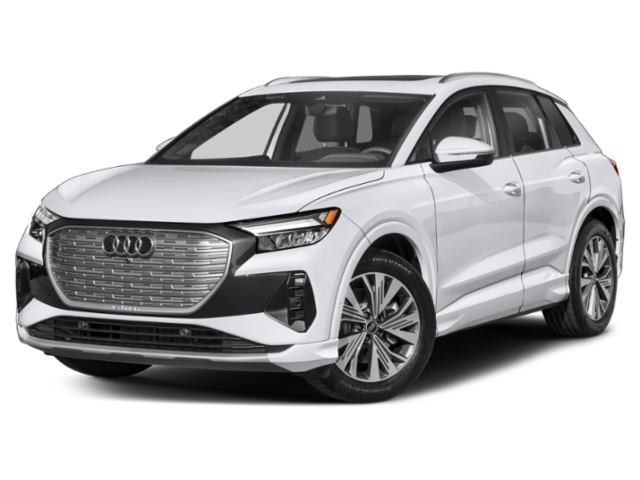
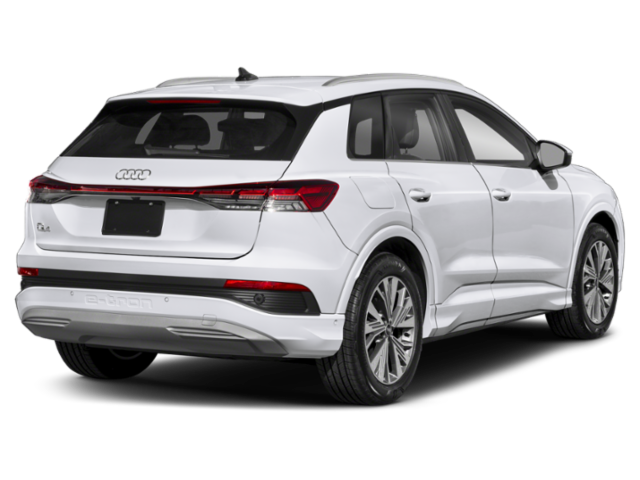
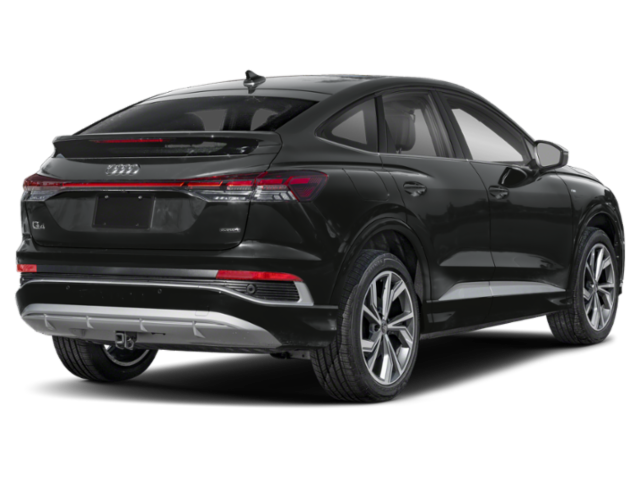
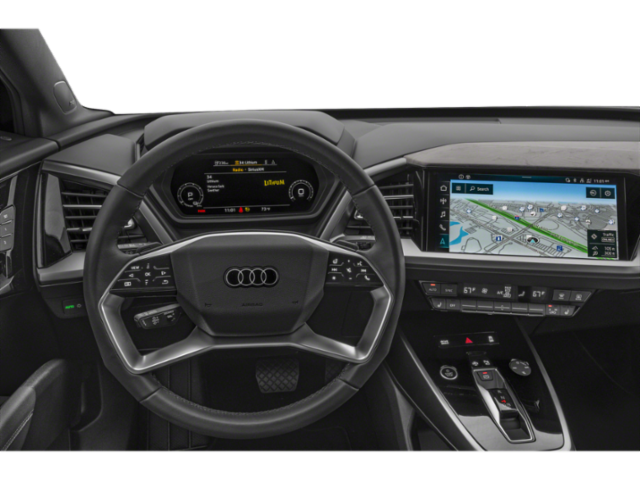
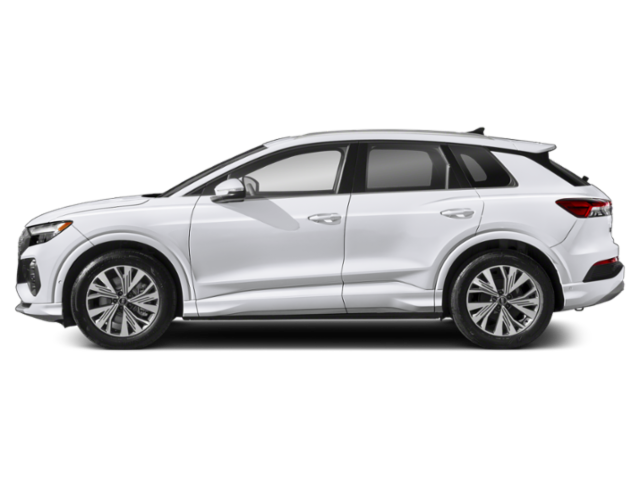
The Q4 E-tron is Audi's second and smallest all-electric SUV. It debuted in 2022 and receives some improvements to performance, range, and charging in 2024, making it even more attractive to shoppers.
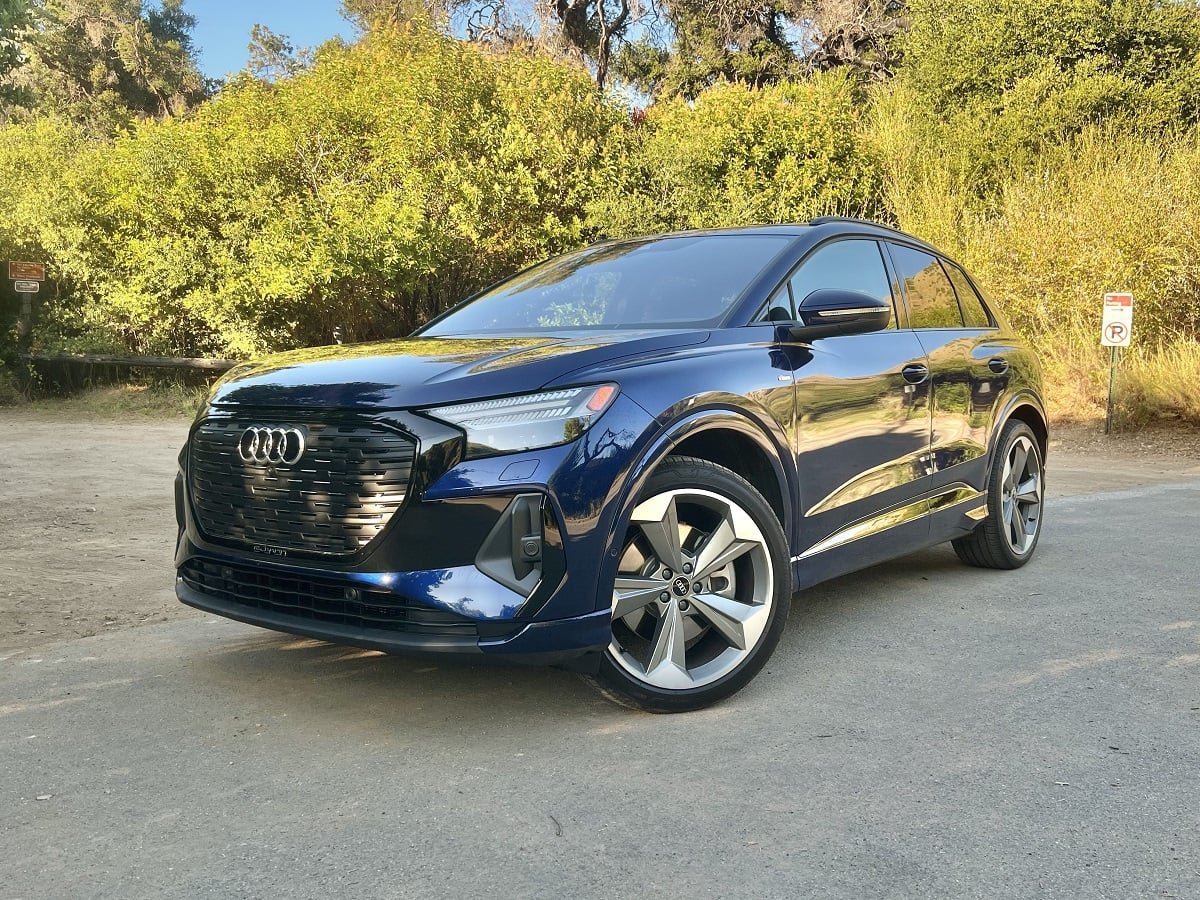
Photo: Mark Takahashi
Even though the 2024 Audi Q4 E-tron may look the same as the previous year, several notable changes and improvements include:
With the new simplified lineup, Audi only offers the Q4 E-tron with all-wheel drive (AWD) in three trim levels: Premium, Premium Plus, and Prestige. The entry-level Premium trim starts at $56,395 and reaches $63,395 for the Prestige. All prices include the $1,195 destination charge.
JD Power previously published a review of the 2023 Audi Q4 E-tron. This review focuses on the Q4 E-tron’s updates for 2024 and how they potentially impact its overall consumer appeal.
For this 2024 Q4 E-tron review, Audi provided a test vehicle equipped with Prestige trim and the following options:
The test vehicle’s price was $65,290, including the $1,195 destination charge to ship the SUV from the Mosel, Germany, assembly plant to your local dealership.
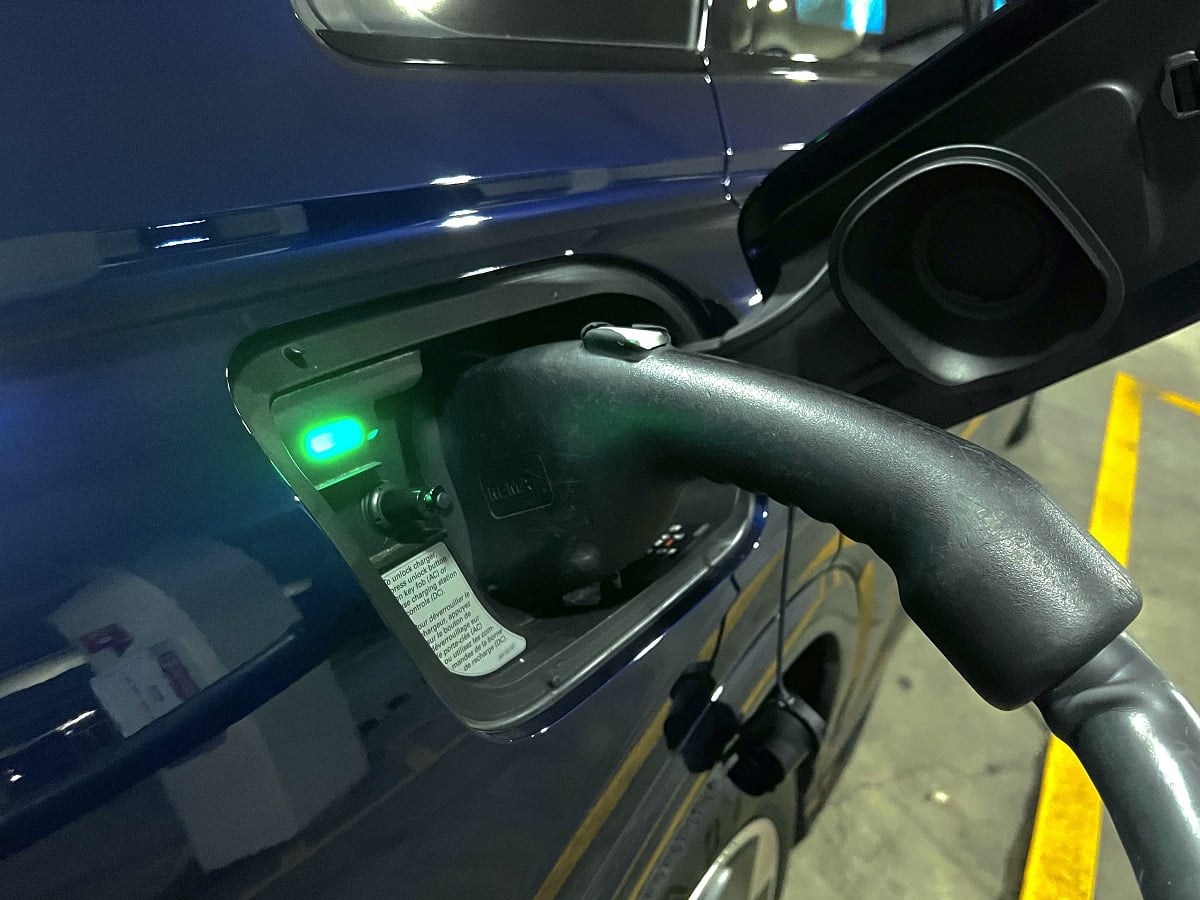
Photo: Mark Takahashi
A new rear motor helps to increase range slightly, thanks to improved thermal management. Compared to the 2023 Q4 E-tron's EPA-estimated 236-mile range, the 2024 model is now rated at 258 miles. As trivial as a 22-mile increase may seem on paper, it can make a big difference when you're on a road trip.
It's important to note that I could have easily exceeded the 258-mile estimate without even trying. In a mix of city and highway driving, 280 miles or more was well within reach before having to recharge.
In my time behind the wheel of the 2024 Q4 E-tron, I achieved 27 kW per 100 miles, which beats the EPA's estimate of 36 kW (lower numbers denote better efficiency).
As much as I applaud the increase, I'm disappointed that the Q4 40 E-tron is no longer available. That single-motor, rear-wheel-drive model was the previous range leader in the lineup, with an EPA-estimated 265 miles on a single charge and priced several thousand dollars less than the dual-motor versions.
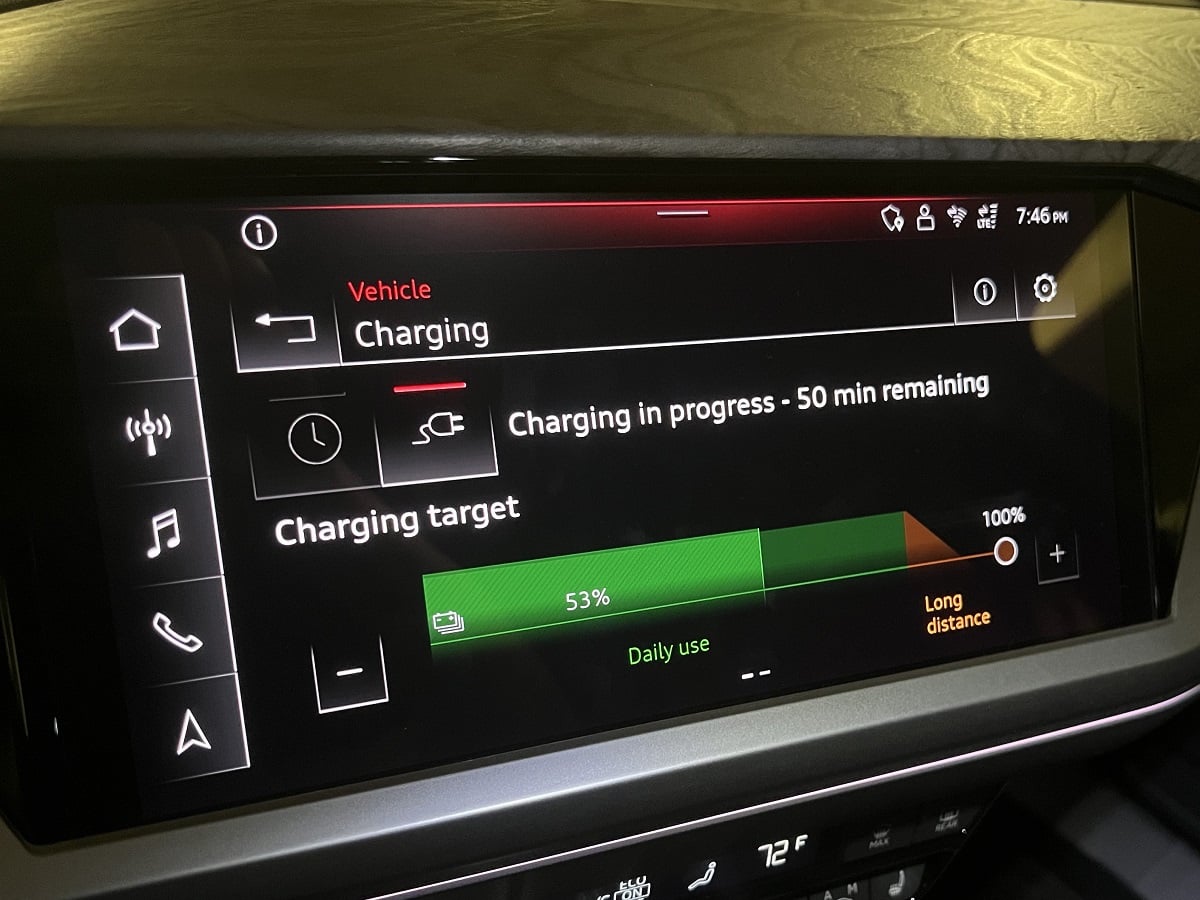
Photo: Mark Takahashi
Battery capacity remains the same as the 2023 model, with 77 kilowatt hours (kWh) usable out of the 82-kWh total. Improvements in battery chemistry now allow for DC fast-charging rates as high as 175 kW, where the previous year was limited to 150 kW. That means you can replenish the battery from 10 to 80 percent in as little as 28 minutes. Its predecessor required 36 minutes to recharge from five percent to 80 percent.
Helping matters is battery pre-conditioning. When you select a DC fast charger as a destination, the system automatically heats or cools the battery pack to take advantage of the charger's optimal rate from the moment you plug it in.
I tried it out for myself, and by all indications, Audi's system operated as it should. The problem was that the charger I selected wasn't functioning at its advertised rate and maxed out at a paltry 44 kW. Sadly, this isn't uncommon, but public charging infrastructure is slowly improving.
Owners can use 250 kW of free DC charges on the Electrify America network for the first two years as an added incentive. That's equivalent to three or four charges on a typical road trip. Other Audi electric vehicles (EVs) are eligible for two years of unlimited charges.
Audi made some tuning changes to the Q4 E-tron's suspension to improve cornering capabilities and ride comfort. To be clear, those weren't items I thought needed attention, as the SUV was already adequately sporty and smooth.
The differences are so subtle that you'd need to drive the old and new Q4 E-trons one after another. This is due to a rather substantial 4,800-pound curb weight, which tends to diminish response and ultimate handling.
As it is (and was), the little SUV can carve through mountain switchbacks with confidence and ease. With the mass of the battery mounted in the floor, the low center of gravity makes the vehicle feel much less top heavy, allowing it to handle like a much smaller car.
This kind of handling typically results in firmer ride quality, but that's not the case with the Q4 E-tron. There's plenty of compliance to smooth over bumps and ruts on the road surface, and it remains composed when you encounter one in the middle of a turn.
Not only does the new rear motor help to increase range, but it also gives the 2024 Q4 55 E-tron a boost in power. It can now produce 335 hp compared to the 2023 Q4 50 E-tron's 295 hp. That results in quicker acceleration, reaching 60 mph in 5.0 seconds, which is 0.8 seconds quicker than before. That added power gives it a stronger initial response, but it's not a big enough increase to significantly change its character.
The Q4 E-tron is plenty quick for the average driver, and even performance-focused pilots new to EVs will be impressed. That said, many other EVs are still quicker, though most owners will rarely, if ever, have the desire to launch off the line at full throttle.
One feature I wish had been addressed is the lack of one-pedal driving. Nearly every other EV allows you to increase the amount of brake regeneration so that the vehicle will come to a complete stop without the driver having to touch the brake pedal.
The Q4 E-tron has a paddle on the steering wheel that adjusts the brake regeneration, but it resets to the default setting when you touch the brakes and will only slow you to about three mph. Selecting the "B" drive mode keeps you at the maximum regeneration level but still won't bring you to a stop.
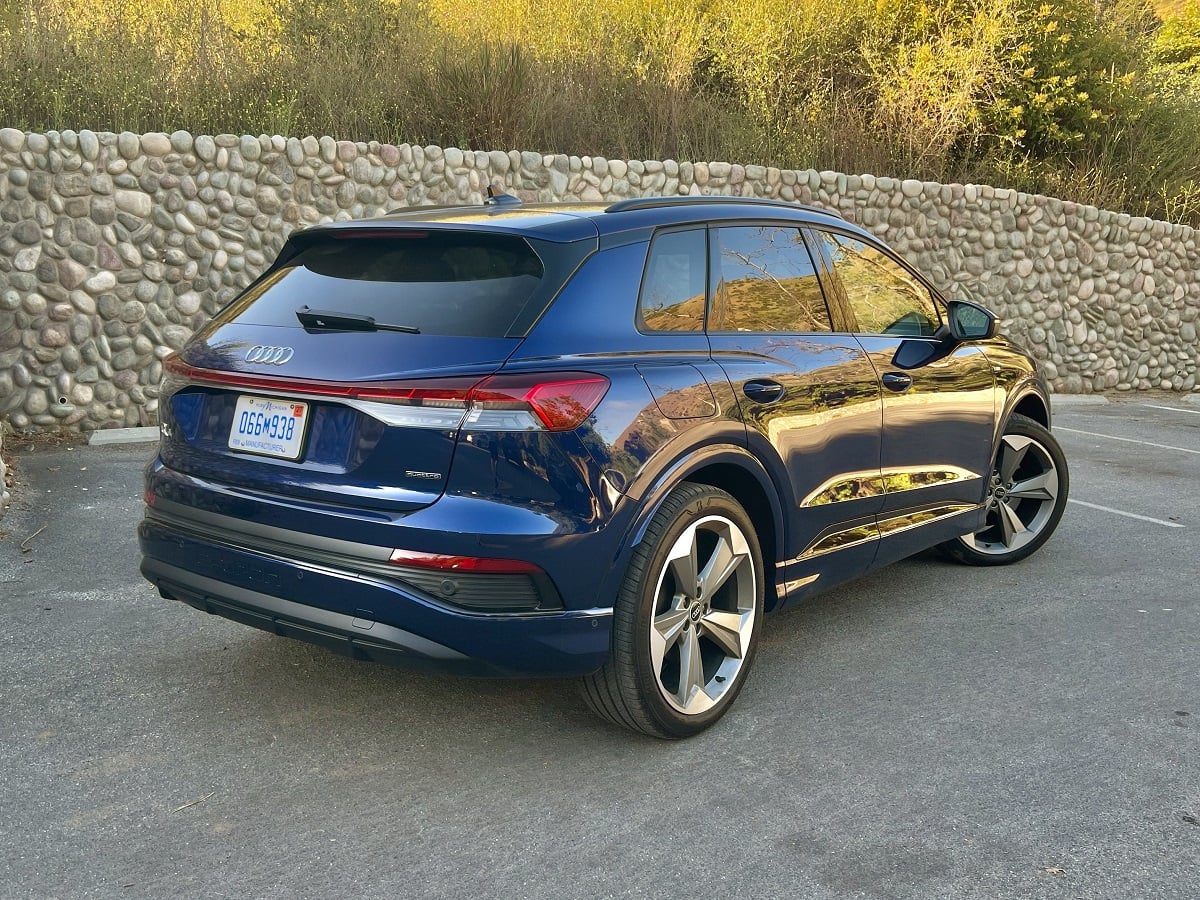
Photo: Mark Takahashi
The Audi Q4 E-tron was already an admirable choice among small electric SUVs, and the improvements for 2024 ensure it will remain that way. These incremental upgrades add up to a more significant step up when taken together, but that doesn't mean it's the only choice. Audi's forthcoming Q6 E-tron could tempt shoppers to wait a few months.
Audi estimates the Q6 E-tron will return 307 miles of range and charge even faster. It will also come in a sportier SQ6 E-tron variant. Prices should start around $65,000, which is where the Q4 E-tron tops out.
The Volvo XC40 Recharge and the shorter-range Mercedes-Benz EQB are also worth considering. Non-luxury brands have also stepped up their game regarding interior quality, making the Hyundai Ioniq 5 and Kia EV6 intriguing and more affordable alternatives.
Mark Takahashi has been in automotive publishing for over two decades, contributing detailed written and video reviews for Edmunds, Car and Driver, Autoblog, CarGurus, and Capital One. His portfolio includes everything from affordable economy hatchbacks to otherworldly exotic sports cars and everything in between.