
Today, the Biden administration announced an executive order that sets an ambitious—but not mandatory—goal that half of all new cars and light trucks sold in the United States be zero-emission vehicles by 2030. The order includes plug-in hybrid vehicles, hydrogen fuel-cell vehicles, and battery-electric vehicles (EVs).
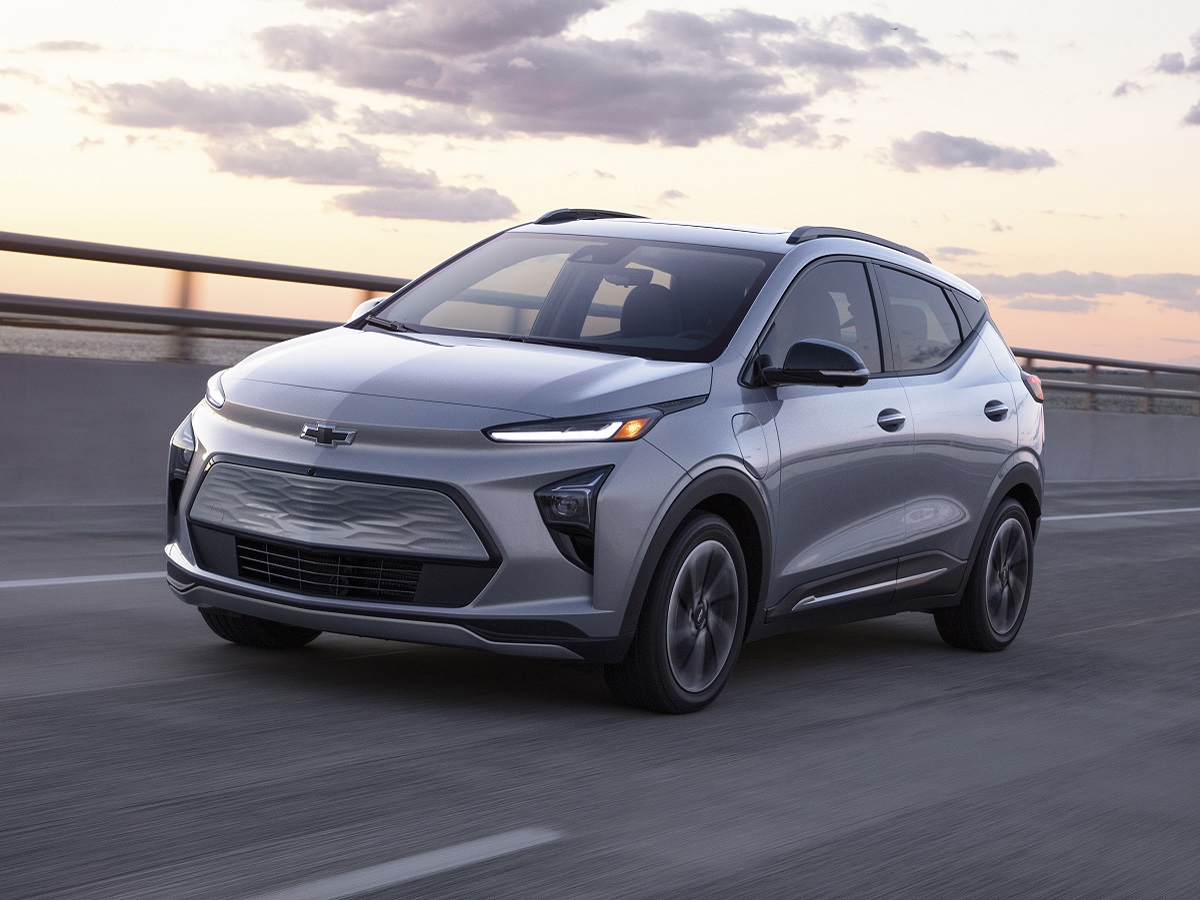
Several automakers stepped up to support the non-binding executive order, including Ford Motor Company, General Motors, and Stellantis, the parent company of the former Chrysler Group. In a joint statement, the automakers announced a “shared aspiration to achieve sales of 40-50 percent of annual U.S. volumes of electric vehicles (battery electric, fuel cell, and plug-in hybrid vehicles) by 2030 in order to move the nation closer to a zero-emissions future consistent with Paris climate goals.” Plug-in hybrid vehicles still rely on an internal combustion engine when their batteries are exhausted, so gasoline will likely remain on the menu in the U.S. for quite some time.
California and some global governments have set hard deadlines for the end of gasoline-power vehicle sales, and many have called for the president to establish a legally binding target, but Biden’s executive order steers away from both of those avenues. This is partly due to opposition from the United Auto Workers (UAW) union, whose president said it remains focused not on deadlines but on good jobs and wage growth.
In a statement, UAW President Ray Curry said, “the UAW focus is not on hard deadlines or percentages, but on preserving the wages and benefits that have been the heart and soul of the American middle class.” He noted that the union’s ambitions are not only on retaining existing jobs but adding new ones and that its focus is on growing U.S. EV production with good jobs with benefits. A study conducted by the union in 2018 determined that the growth of EV adoption and production would cost the union tens of thousands of jobs because the vehicles have fewer parts than those powered by gas engines.
The executive order follows recent statements from several large automakers on plans for electrification. Ford says it expects 40 percent of its sales to come from EVs by 2030 and has invested billions of dollars to achieve that target. Meanwhile, General Motors has opened its pockets to fund an ambitious goal of launching 30 EV models globally by 2025 and a transition to selling only zero-emission light-duty vehicles by 2035.
Automotive News is the source of information for this article. It was accurate on August 5, 2021, but it may have changed since that date.


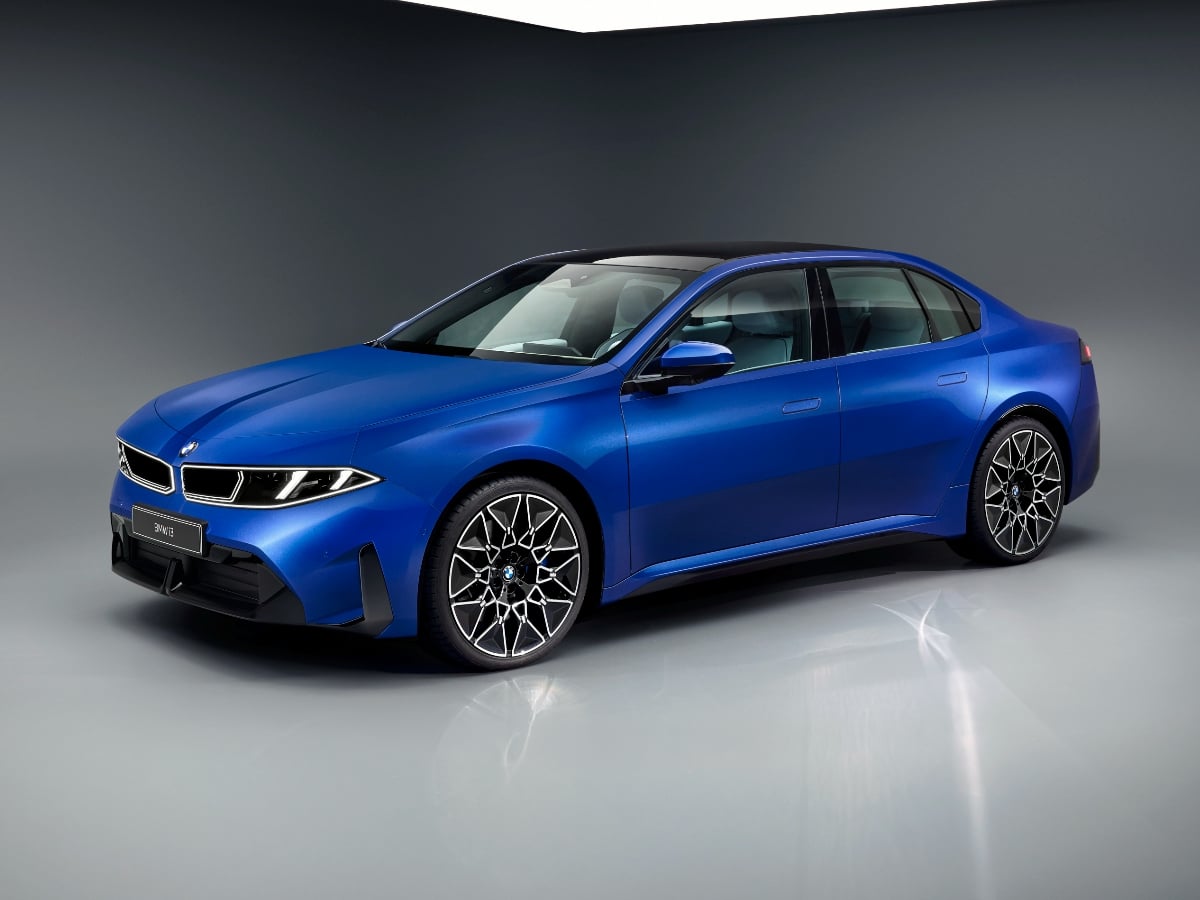
The new 2027 BMW i3 boasts an estimated range of up to 440 miles, 400-kilowatt DC fast charging capability, bidirectional charging to a home or the grid, and next-generation technology.
Read the Full Article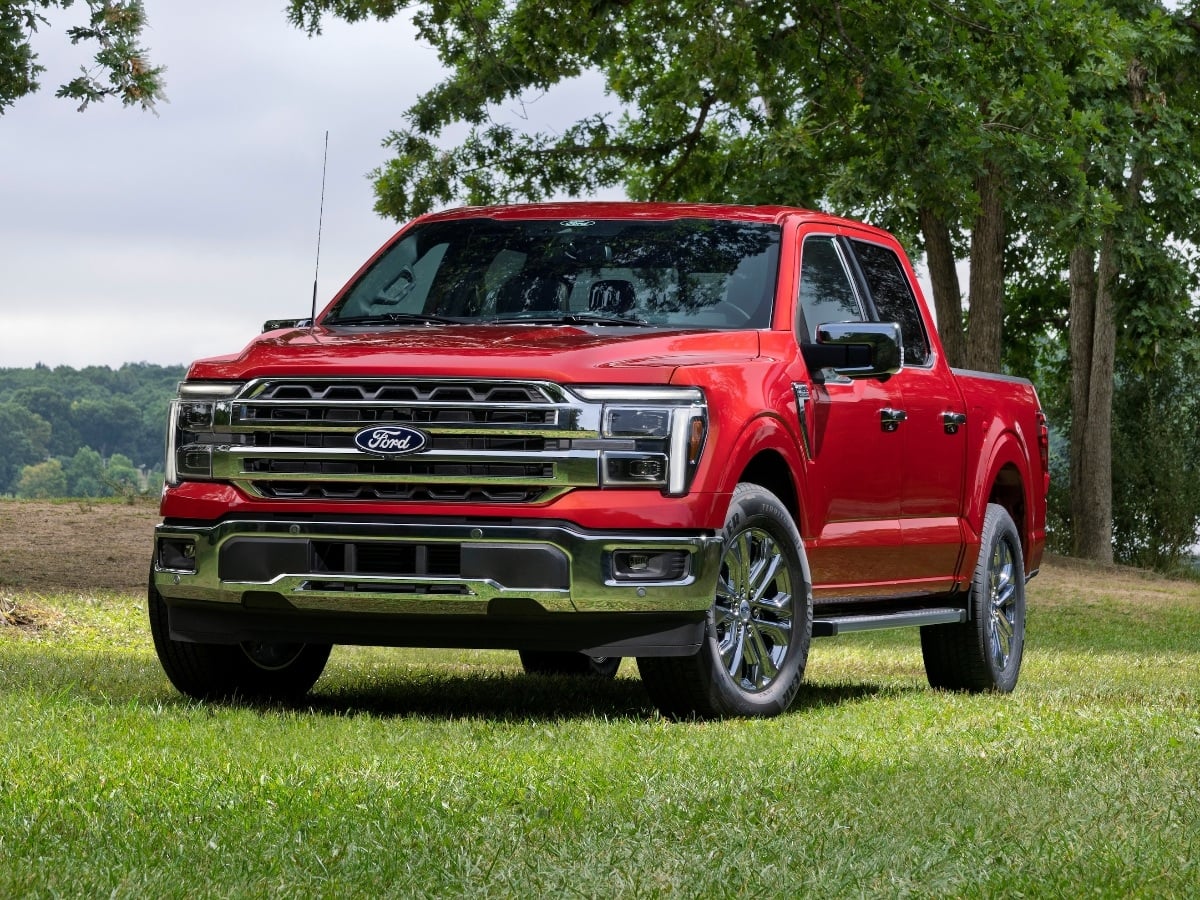
Facing renewed competition in the full-size, light duty pickup truck segment, the 2027 Ford F-150 receives subtle styling updates, a new standard engine, broader availability of its 5.0-liter V8, and ...See More
Read the Full Article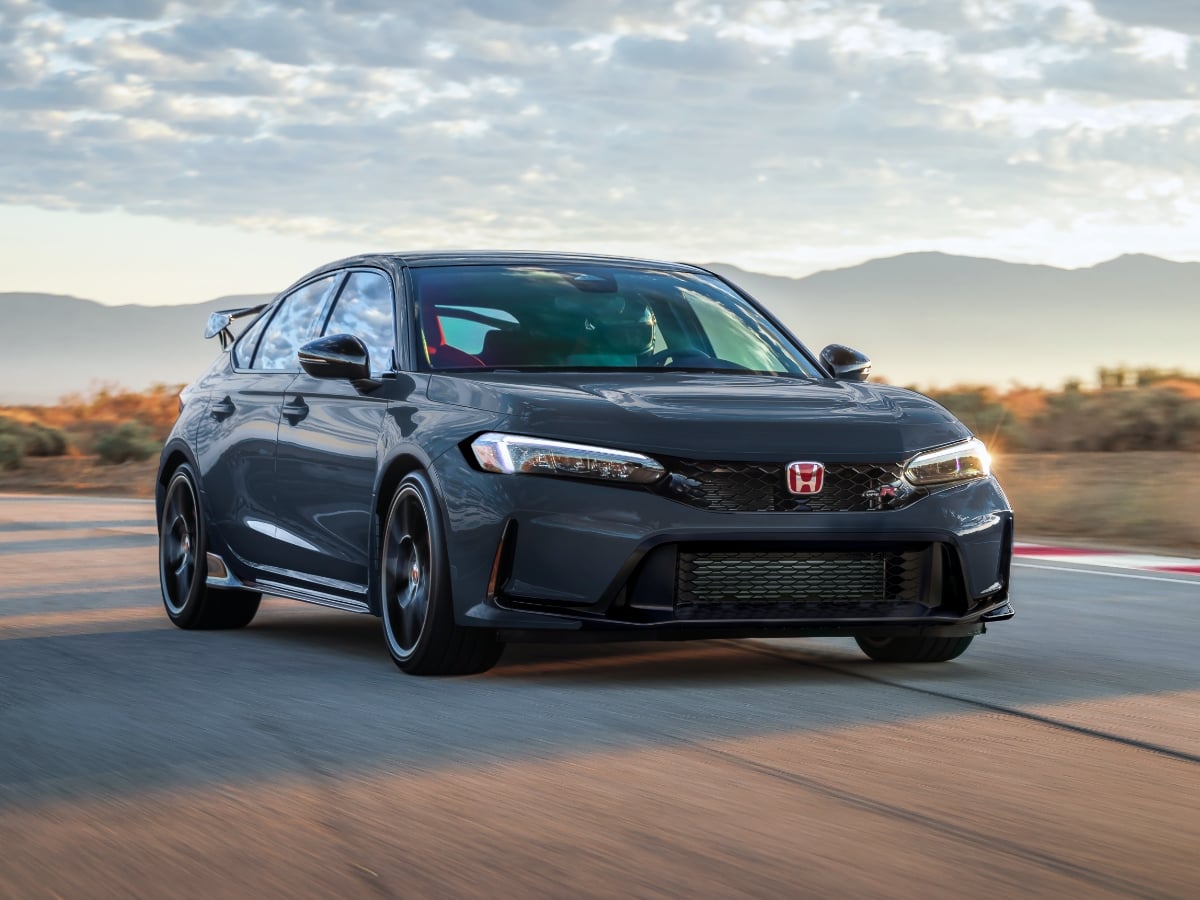
The 2027 Civic Type R goes on sale in October 2026, and it starts at $49,990, including the $1,295 destination charge.
Read the Full Article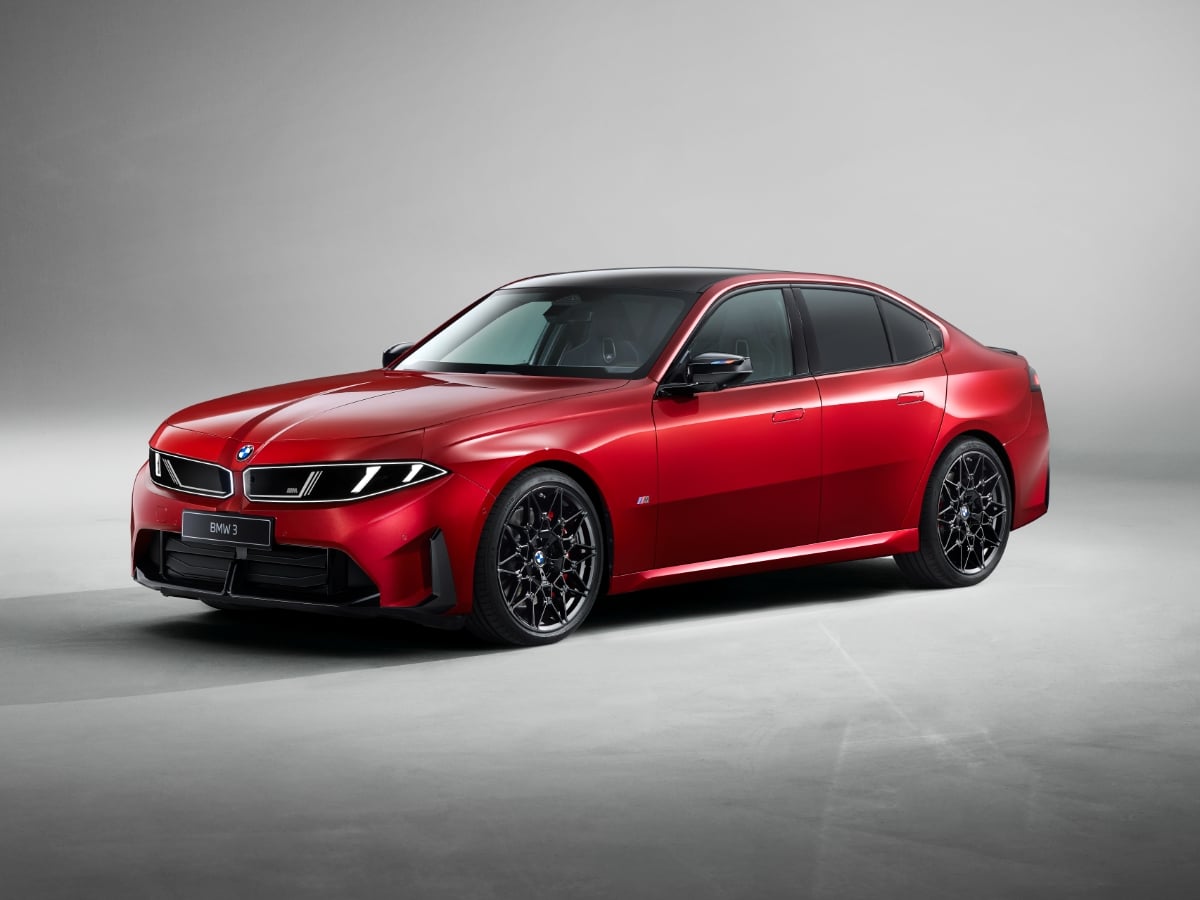
Part of BMW’s Neue Klasse (new class) rollout of redesigned models, the 2027 BMW 3 Series is all-new and goes on sale in the first quarter of 2027.
Read the Full Article