
It’s no secret that driving an electric vehicle can be good for the environment. Removing fossil fuels from at least the driving side of the vehicle equation can result in lower tailpipe emissions, and that’s before diving into the extraction of the fuels themselves. Unfortunately, an EV owner’s feel-good mentality doesn’t always account for the materials and energy used to build the vehicle.

A recent study by Reuters aims to clarify just how clean and green your electric machine is. The global news organization worked with a data model to determine the point in an EV’s lifespan at which it becomes cleaner to operate than a comparable gas-powered vehicle.
Argonne National Laboratory in Chicago developed the model for the study, which took thousands of parameters into account to perform an environmental assessment of EVs. The Argonne Greenhouse Gases, Regulated Emissions, and Energy Use in Technologies (GREET) model considers everything from the type of metals in an EV’s battery to the number of plastics used to build vehicles to measure the overall impact of a vehicle on the environment.
The so-called “payback period,” or the point at which an EV becomes cleaner to both manufacture and operate than a comparable gas-powered vehicle, also depends on the battery’s size and construction, as well as on the grid’s power source. Building an EV generates more carbon than building a car powered by an internal combustion engine because the process of extracting, processing, and transporting the minerals needed to make the batteries is a dirty business. It isn’t until a car is on the road for awhile that the environmental benefits of an EV overtake the carbon emissions created during its manufacture.
In one example, the Argonne model compared a Tesla Model 3 and a Toyota Corolla, purchased and driven in the United States, where coal power makes up nearly a quarter of all electricity generation. In this comparison, the Tesla had to travel 13,500 miles before it surpassed the Corolla. That’s a year or more of driving for most people.
The benefits arrive sooner for drivers in a country with a greener electrical grid. In Norway, where hydropower is king, Tesla’s Model 3 overtakes the Corolla after 8,400 miles.
If you’re wondering about the payback period for your state, the Environmental Protection Agency (EPA) developed an online tool using the Argonne GREET model to help. It gives users the ability to view a breakdown of electricity sources in their state, as well as an estimate of emissions from EVs based on those sources.
Not everyone agrees with Argonne’s assessment. For example, Damien Ernst from the University of Liege claims that an EV would need to travel between 67,000 and 151,000 kilometers (41,632 to 93,827 miles) before the breakeven point occurs. In addition, the American Petroleum Institute’s website notes that various types of powertrain configurations emit similar levels of greenhouse gases over their lifetimes.
Reuters is the source of information for this article. It was accurate on June 29, 2021, but it may have changed since that date.


A new electric sedan wearing three-pointed stars is coming soon, arriving as the 2027 Mercedes-Benz C-Class Electric with a C 400 4Matic Electric designation.
Read the Full Article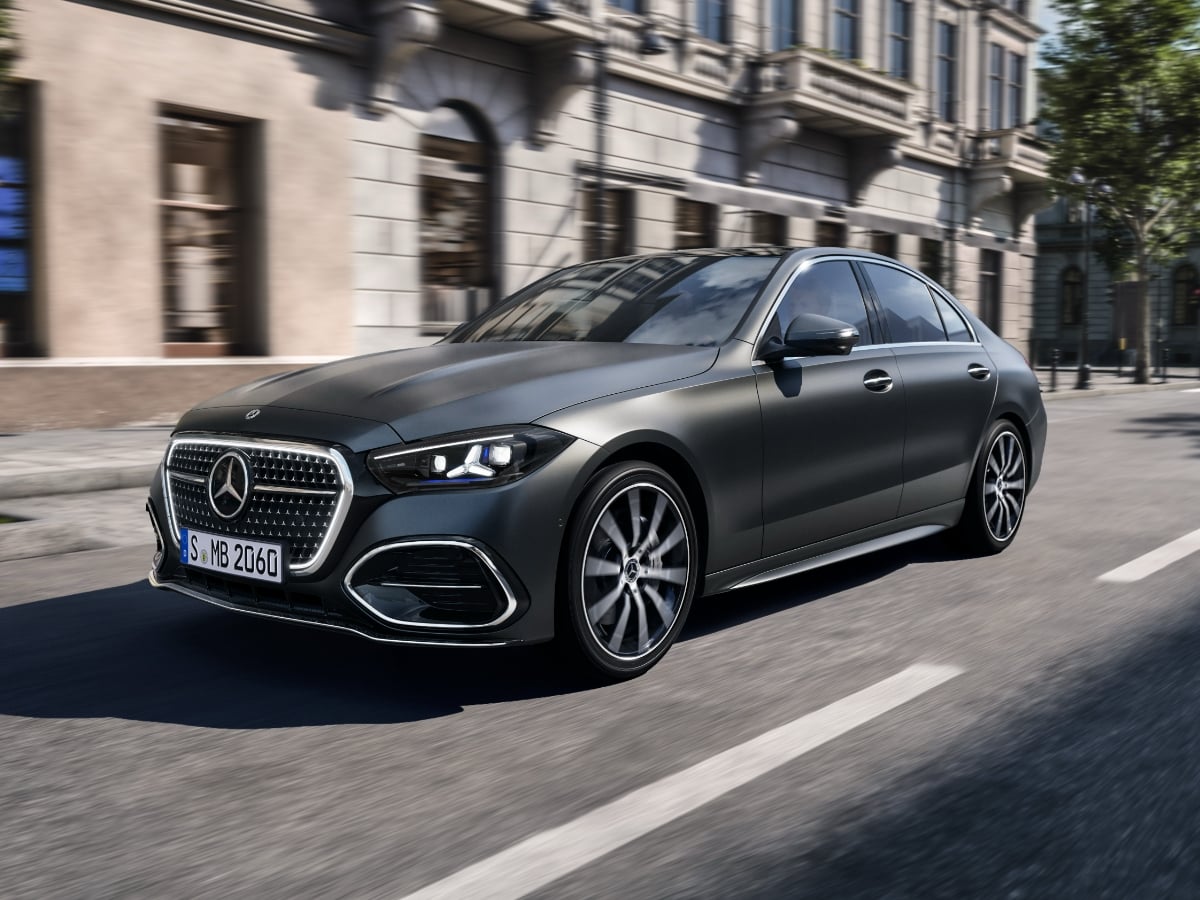
Luxury vehicle buyers prefer SUVs, but a contingent of people still prefer lighter, more efficient, nimbler sedans. The 2027 Mercedes-Benz C-Class serves them with a compact size and a nicer price ...See More
Read the Full Article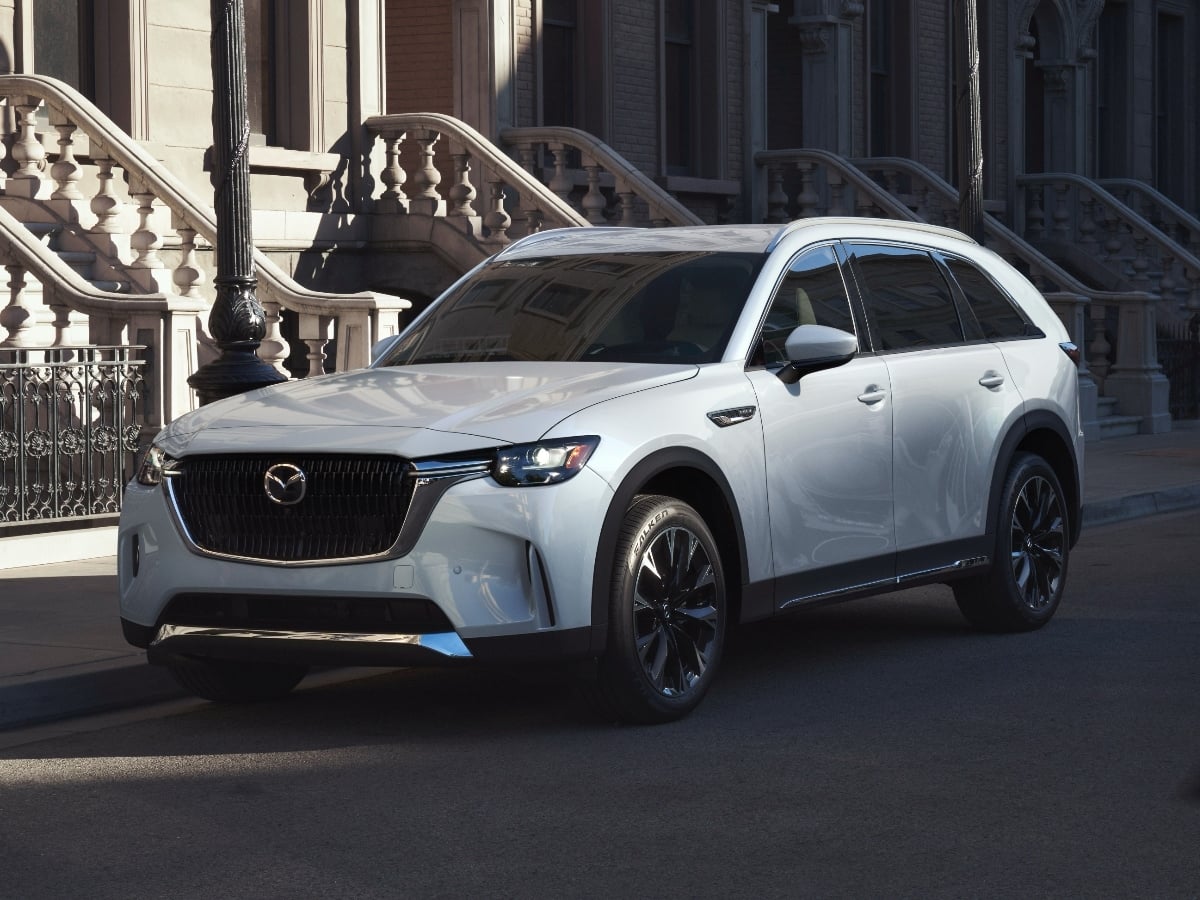
Mazda is discontinuing the five-passenger midsize CX-70 crossover SUV for the 2027 model year. But do not worry. The automaker is moving that configuration to the CX-90 lineup, where it will be ...See More
Read the Full Article
With a purposeful new design and some trail-ready upgrades, the 2027 Hyundai Tucson is pushing the brand's best-selling crossover SUV into more aggressive territory.
Read the Full Article