
As the engine is the most crucial car component, you must closely monitor its performance. If you observe any hitches or will notice that it overheats, that’s a definite cause for concern. That’s especially true in the case of high or fluctuating RPM, as it means there’s some kind of a problem.

Under normal circumstances, you shouldn’t worry too much about the RPM. But if the fluctuations become critical or reach a high number, this article can help pinpoint the cause.
As you can’t deal with the problem unless you know the basics, let’s discuss RPM or Rotations Per Minute first. This indicator has to do with how fast your engine operates. It measures how many times the crankshaft makes one complete rotation and how many pistons go up and down each minute.
However, don’t immediately assume that RPM is directly responsible for how fast your car moves. Each car model has specifications stating how speedy your vehicle is and which RPM is needed to reach the top speed.
As RPM is a problematic indicator to judge without any tools, every car’s dashboard is equipped with a tachometer, which measures it in the thousands. It also has a red line indicating when your RPM becomes too high and can potentially cause damage to the engine.
So, if you notice shaking or see the pointer going over or speedily approaching the red line, the engine is under excessive load and works too hard. But if it has to do with frequent fluctuations when you press the gas or brake pedal, it means that a particular component wore out.
Dealing with fluctuating RPM can become confusing, as multiple issues perfectly fit the profile. Any car component that directly interacts with the engine can cause the problem to exacerbate and only worsen with time. However, a couple of common symptoms could point toward worn-out or faulty components, and we’ll thoroughly explore them below.
The idle air control valve, or IAC, is on the throttle body of fuel-injected engines. It’s meant to communicate with the vehicle’s ECU and control airflow when you’re idling. So, when wear and tear get to this component, a disruption in information exchange happens. IAC can’t function properly, resulting in higher RPMs and fluctuations.
It’s also possible that a vacuum leak occurred in the engine. This is usually caused by air interruptions in the exhaust system’s intake manifold. Such a leak could bring about lower fuel efficiency and a hissing sound, make the check engine light come on, cause power loss and stalling, or high or fluctuating RPM.
RPM fluctuation is a common issue for cars with faulty spark plugs as they fire the fuel with the pistons. If they wear out, your acceleration slows, and jerking and misfire start occurring, which, in combination, causes poor fuel economy and vibrations.
If there’s a problem with the TPS, your car may start to accelerate randomly, misfire, or have trouble starting. This, in turn, causes super high or fluctuating RPM, and the only solution is a total replacement of this component.
As the fuel tends to get dirty after a while, the injectors slowly become covered in grime and other debris. If not solved in time, this issue could make acceleration difficult from a complete stop, hurt your fuel economy, and cause RPM fluctuations.
Lastly, your RPM may fluctuate due to a transmission leak. If it occurs, your auto revs at high RPM due to the torque converter or gearbox band slippage. It also drastically increases the rate at which your transmission becomes worn out.
Your vehicle might develop issues over time. The best way to avoid any symptoms or problems is by doing regular maintenance checks of your vehicle.
If your RPM starts fluctuating, there might be issues with the engine’s combustion process, a communication gap between the IAC and the ECU, or it can be a worn-out spark plug. Whatever the case, you should not ignore irregularities in your RPM because they might indicate a bigger problem, and drive to the nearest auto shop for a check-up.


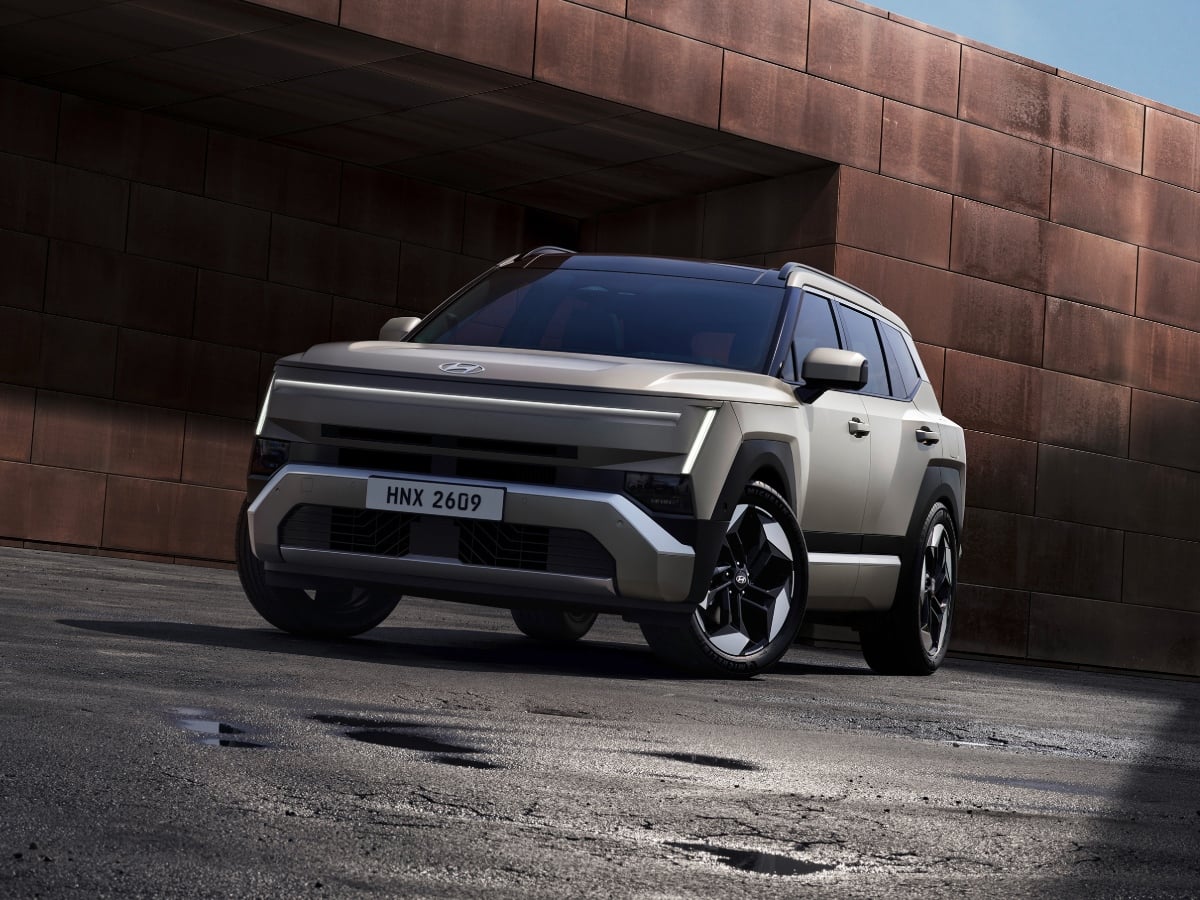
With a purposeful new design and some trail-ready upgrades, the 2027 Hyundai Tucson is pushing the brand's best-selling crossover SUV into more aggressive territory.
Read the Full Article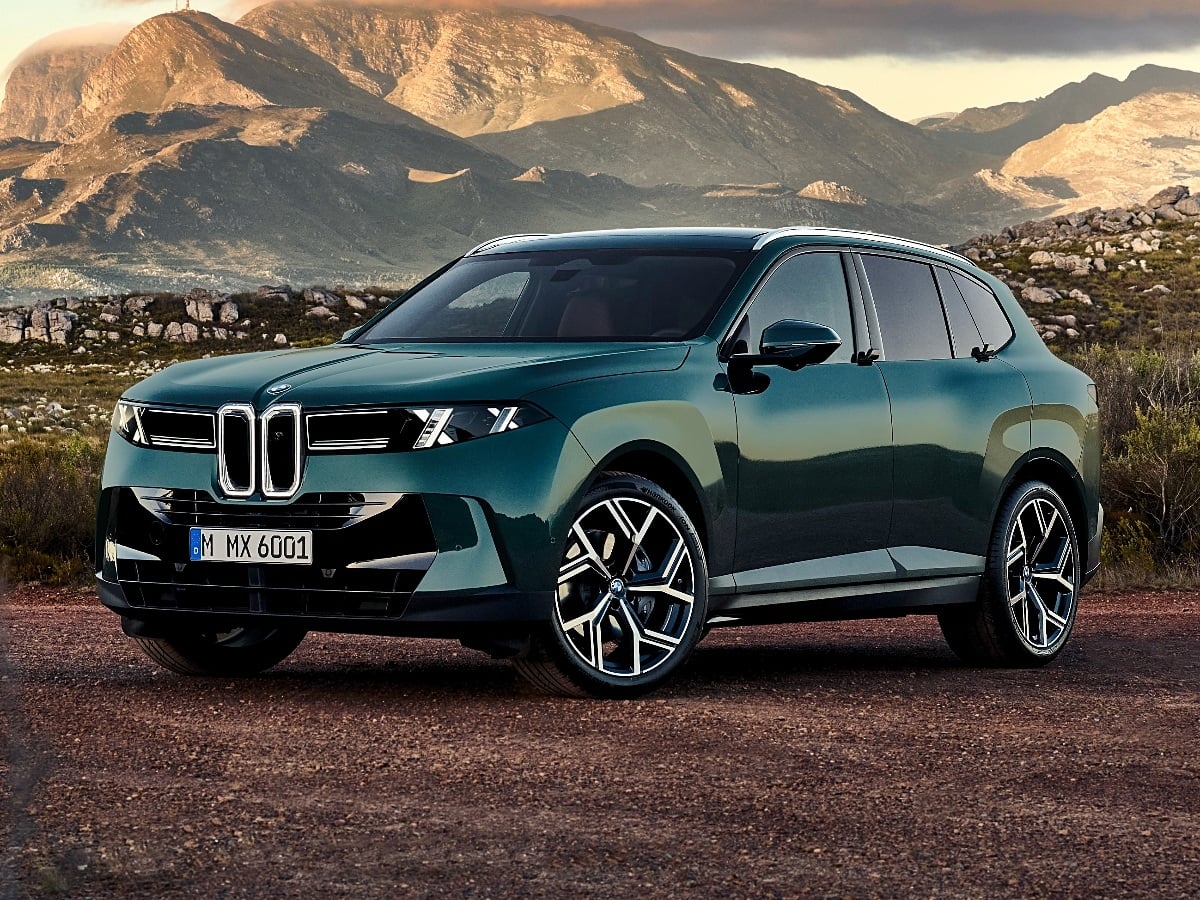
For more than 25 years, the BMW X5 has helped to define the luxury SUV segment. Now, the redesigned fifth-generation 2027 BMW X5 arrives with the automaker’s Neue Klasse styling, a roomier interior, ...See More
Read the Full Article
One of Lexus's most popular models, the NX crossover SUV is also one of the most affordable in the company’s lineup. The 2027 Lexus NX transitions to hybrid-only powertrains, and gets revised ...See More
Read the Full Article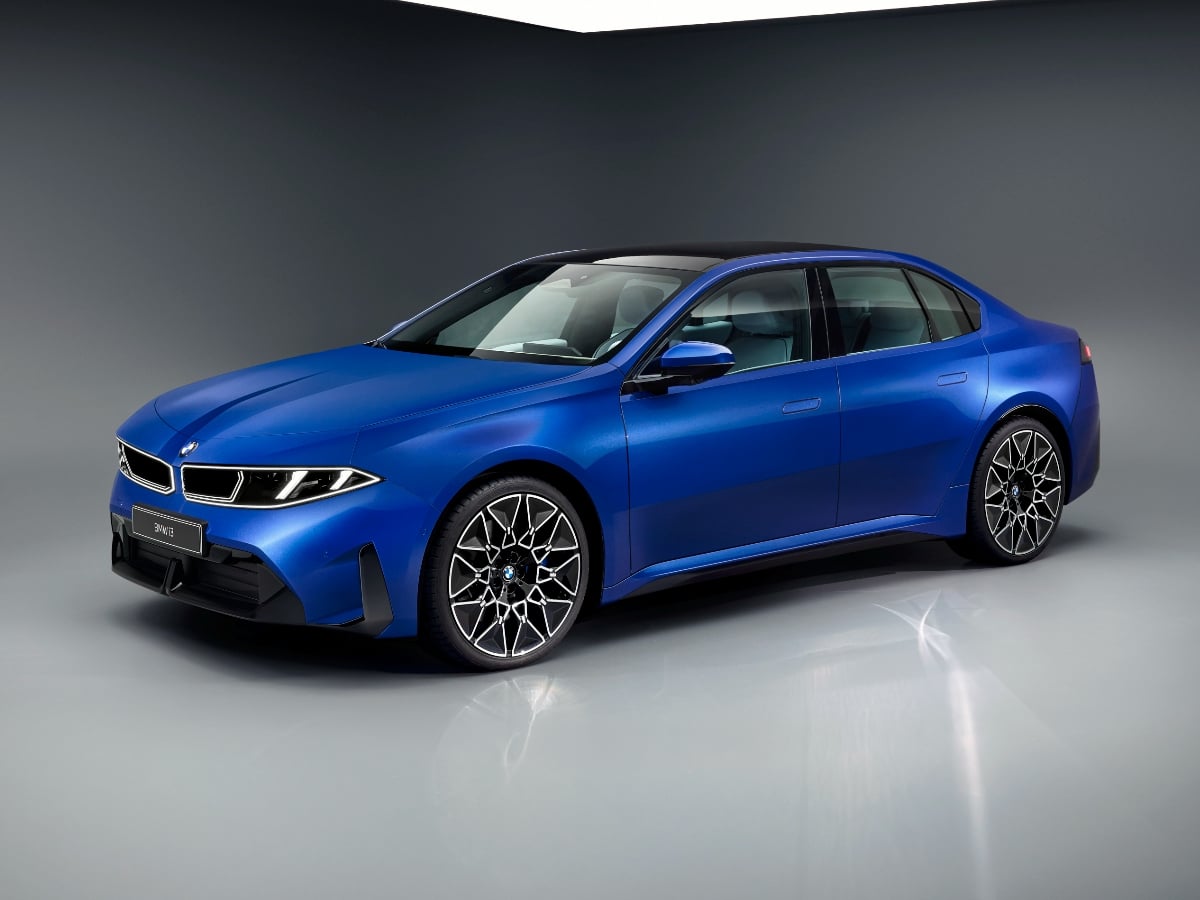
The new 2027 BMW i3 boasts an estimated range of up to 440 miles, 400-kilowatt DC fast charging capability, bidirectional charging to a home or the grid, and next-generation technology.
Read the Full Article