
Cars consist of several moving parts, most of which are prone to wear and tear. That’s why you may hear squeaks from your car occasionally. It may be due to several reasons, such as a loosened or worn-out serpentine belt, a faulty power steering system, suspension, or worn-out brake parts, which may require higher technical know-how to correct. Irrespective of the cause, it’s vital to correct the problem immediately.

However, you must first diagnose the cause to resolve the issue, and this article can help you pinpoint the likely culprit.
The serpentine belt is at fault if you hear squeaks from under the bonnet. The serpentine belt, also known as V-belts in older cars, drives other components such as the alternator, power steering pump, and air conditioning compressor, which delivers power to these components.
As you continue to drive your car through various conditions, the serpentine belt loosens up, moves out of alignment, or gets worn out. Once that happens, you’ll hear squeaks from the engine compartment.
A faulty serpentine belt can lead to difficulty operating the air conditioning and steering wheel and leave your battery uncharged since it can’t correctly drive the components that operate these parts. As such, most of your car’s accessories will not function properly.
You can rectify the issue by simply tightening the serpentine belt using the tensioner. However, if you notice that the belt is worn out or has been in your car for a long time, it’s high time for a replacement.
It occurs when there is a problem with the power steering system, resulting from a lack of power steering fluid. The power steering fluid keeps the steering system lubricated; hence any reduction or impurities in the fluid lead to ineffective lubrication and causes a squeaking sound as you turn the steering wheel.
Apart from low or contaminated fluid, other faulty parts of the power steering system can also cause your car to squeak. Driving around with squeaky steering is not advisable since it indicates the risk of steering failure.
Squeaks from the steering can be solved by either topping up or changing the power steering fluid. If the squeaking persists after you’ve taken care of the fluid, the problem could be from the pump itself or other steering system components. In either case, a replacement of the faulty part is required.
If your car squeaks when you apply the brakes, there is no denying that the pads are worn-out and need to be replaced. When the brake is engaged, pressure transmits to the brake pads, which press on the brake discs, generating friction and slowing down the car.
The brake pads are prone to wear and tear, become thinner over time, and make squeaky noises. As it’s a bad idea to drive with a squeaky break since it can lead to brake failure, the optimal solution is to drive to the nearest auto shop and have your brakes inspected by a qualified mechanic.
When you hear squeaks from beneath your car while driving, the culprit is a faulty or unlubricated suspension. The suspension consists of several parts, such as springs, shock absorbers, ball joints, and bushings, all of which are prone to wear and tear. So, you may start to hear the squeaking if they wear out or are under lubricated.
Since the suspension absorbs vibrations and protects against imperfections on road surfaces, a faulty one can make your ride unbearable and lead to expensive repairs. As with brakes, you could either follow the “leads” mentioned or drive straight to an auto shop for a qualified mechanic to handle the problem.
Some common causes for squeaking include faulty serpentine belts, power steering systems, brake pads, or suspension. Although you may ignore the noise, it’s counterintuitive as it indicates a problem with your vehicle. Leave it unattended for too long, and you may have a bunch of expensive repairs on your hands.
You should pinpoint where and when the sound occurs to resolve the problem properly and take action. In most cases, a replacement of the faulty part and the services of a qualified mechanic are required. You may as well do things DIY-style, but if you’re not too confident in your abilities, leave it for the professionals.


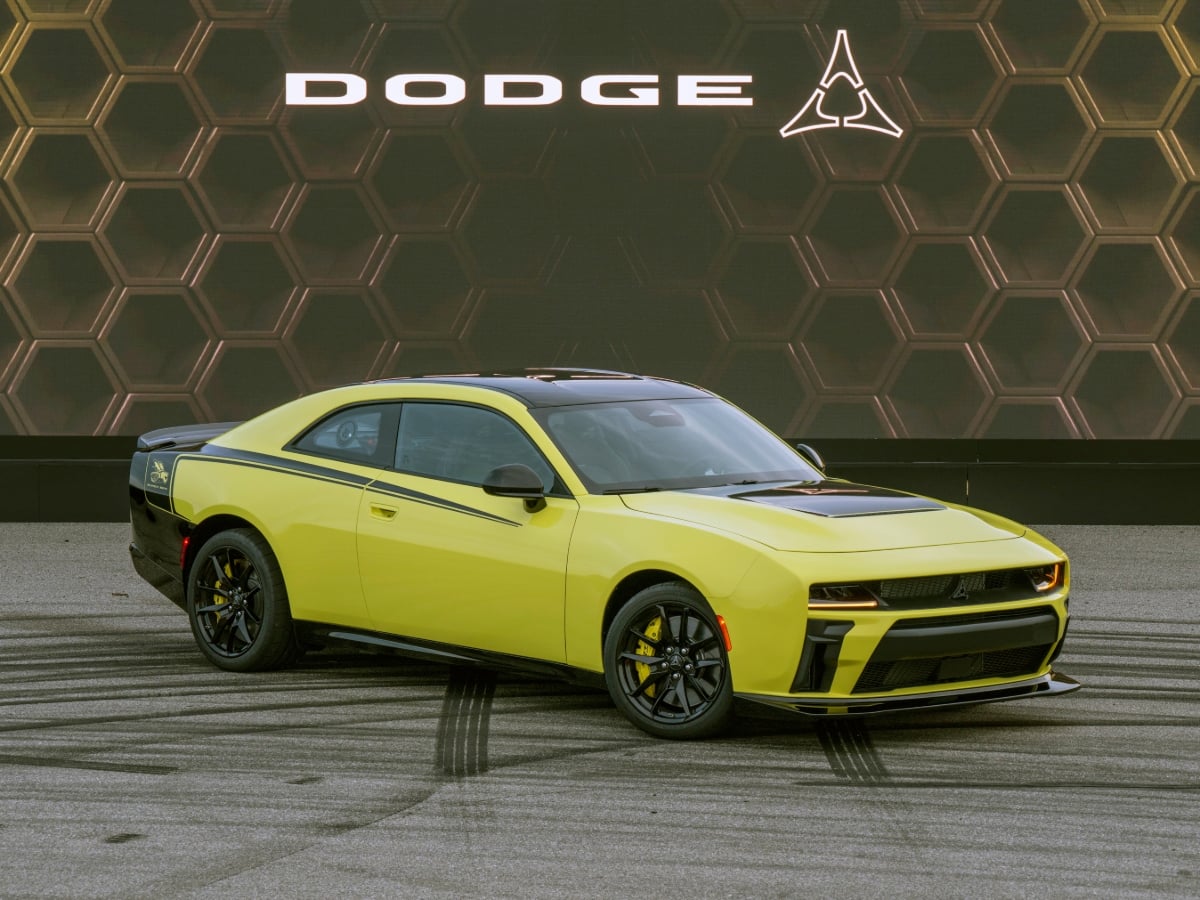
Drawing on the brand's rich history of special muscle cars, the 2027 Dodge Charger Super Bee arrives with more power and higher performance than any model ever to wear the buzzy badge.
Read the Full Article
Offering both hybrid and all-electric powertrains, Mercedes-Benz's 2028 GLA SUV offers more room and more performance, helping expand the brand's presence in the ultra-competitive subcompact premium ...See More
Read the Full Article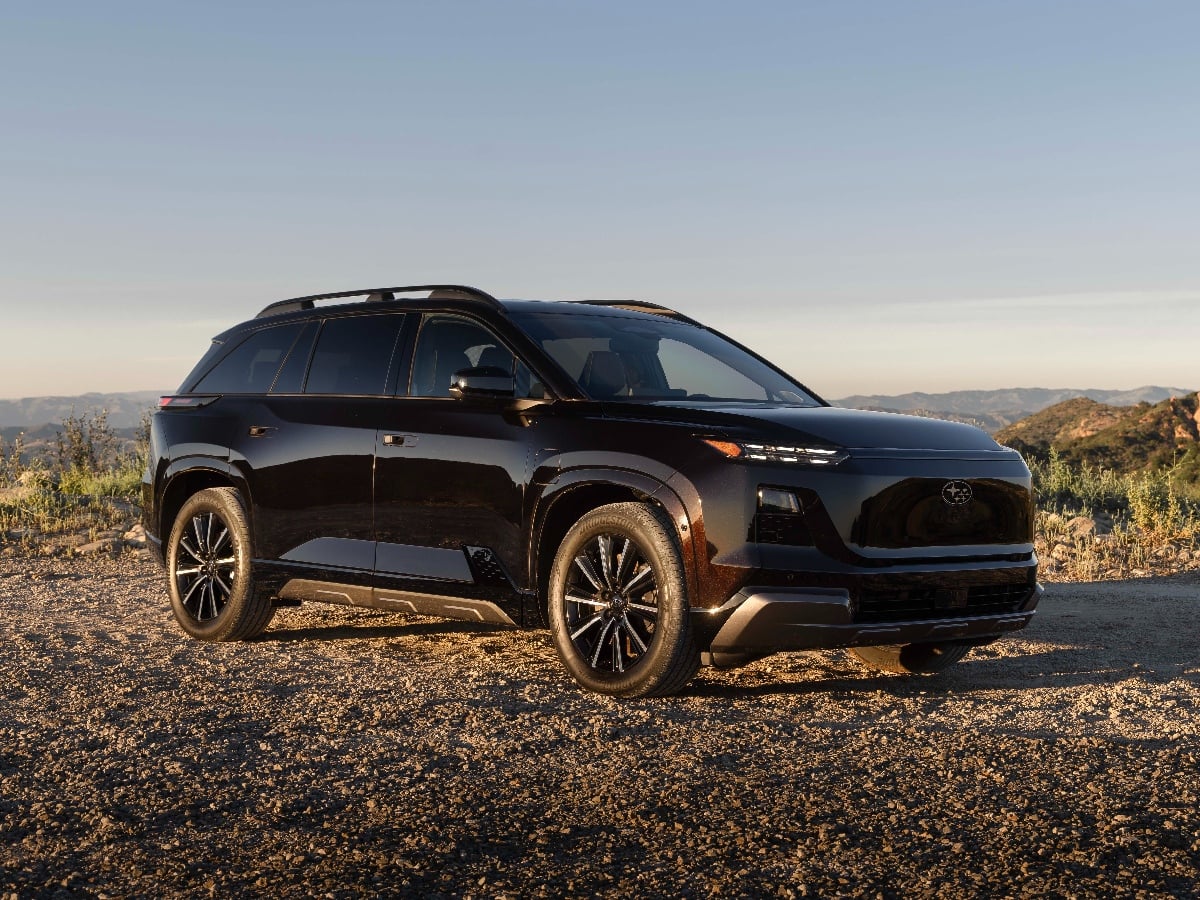
Arriving in late 2026, the new 2027 Subaru Getaway three-row SUV will be the largest of the brand’s now-trio of electric offerings, co-developed with Toyota. It has impressive specs that should make ...See More
Read the Full Article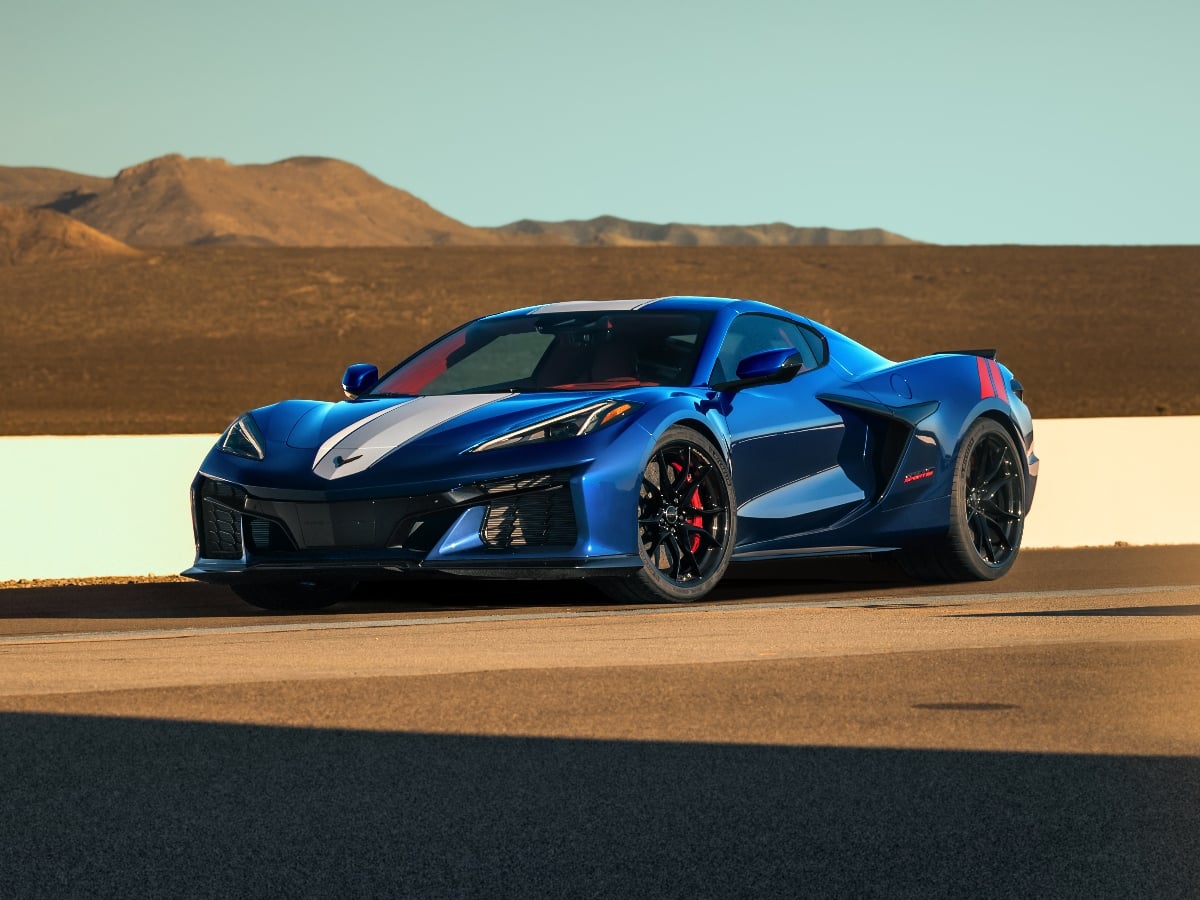
Bringing the ZR1's style to a more attainable model, the 2027 Chevrolet Corvette Grand Sport features all the best C8 go-fast bits, including an all-new 6.7-liter V8 engine.
Read the Full Article