
Have you ever heard of a children’s game known as slug bug? Anyone who loves to travel with their family knows that children get bored five minutes into the journey. In this case, you can turn to car games, and the whole family can participate. Especially if it’s a game called slough bug, punch bug, beetle bug, or speed buggy.

While the game is undoubtedly entertaining, the thought of how it came to be probably entered your mind, but to explain, we have to start from the very beginning.
The game’s name derives from a car, which looks exactly like a bug, the famous Volkswagen Beetle. The first player to spot a Volkswagen Beetle calls out, “Punch buggy!” and lightly punches another player. Once a car has been spotted and called out, it cannot be used by another player. The game can be played for points; spotting a Beetle earns the player a point, but making an incorrect call means losing a point.
The car didn't get its moniker right away. At first, it was just a Volkswagen since no other Volkswagen car existed yet. Then it became the Volkswagen Type 1, and only after that, the ladybug-like car got its nickname, which became a trademark.
Few cars in the world are as legendary as this one. The Beetle’s story began in the early 1930s when German designer Ferdinand Porsche of Zundapp began working on the design of a simple and affordable car. Born as a “people's car,” it had to be built with citizens’ money and be a cheap and practical vehicle for the working class. In 1933, the project received state support.
The prototype, the KdF-Wagen and later the Volkswagen Typ 1, was ready in 1935. It was supposed to be sold for 990 reichsmarks, the same price as, for example, a motorcycle at that time. Because of the Second World War, it was never put into full-scale production at the Wolfsburg plant. The cars were produced in small batches, but military vehicles such as the Type 82 Kubelwagen and the Type 166 Schwimmwagen were based on the model.
The first cars rolled off the assembly line at the end of 1945. They reached the first million in sales ten years later. The last German-made Beetle left the factory in 1973, but it continued to be produced in Brazil and Mexico for another 30 years. About 16 million classic VW Käfer, aka VW Beetle in English-speaking markets, were produced in Germany alone.
There were assumptions that the game’s origins date back to the 1960s when the Beetle became a real hit and was exported to more than 80 countries, including the USA. However, chances are it is part of an ad campaign by Volkswagen itself. In 2009, they ran an advertising campaign called “Punch Dub,” with a fictional backstory of its inventor, Sluggy Patterson. The campaign claimed that the game was started “over 50 years ago,” though this is a humorous historical fiction created by the ad agency Deutsch Inc.
The “Beetle” was a legendary vehicle. Created as a simple car designed for a family (two adults and two children), it became a fashion accessory, almost an obligatory attribute of urban intellectuals.
In 1996, there was a revival of the “people's car.” A New Beetle was created. However, it had very moderate success because few people wanted to stand all sorts of inconveniences and absurdities of the design for a nostalgic appearance. Since the new car was built on the Golf chassis, the steering wheel was moved deep into the interior, and there was a huge panel almost half a meter wide in front of the driver.
After many decades of production and three generations of projects, Volkswagen phased out its iconic car. The company announced that production of the Beetle series would end in 2019.
And that’s all there is to the story behind the game. If you’re a parent who’s read this article, you’ll now know how to explain the game’s name to kids while simultaneously enlightening them about an important milestone in the automotive industry. Don’t be surprised if one of your children wants a Beetle as their first car!


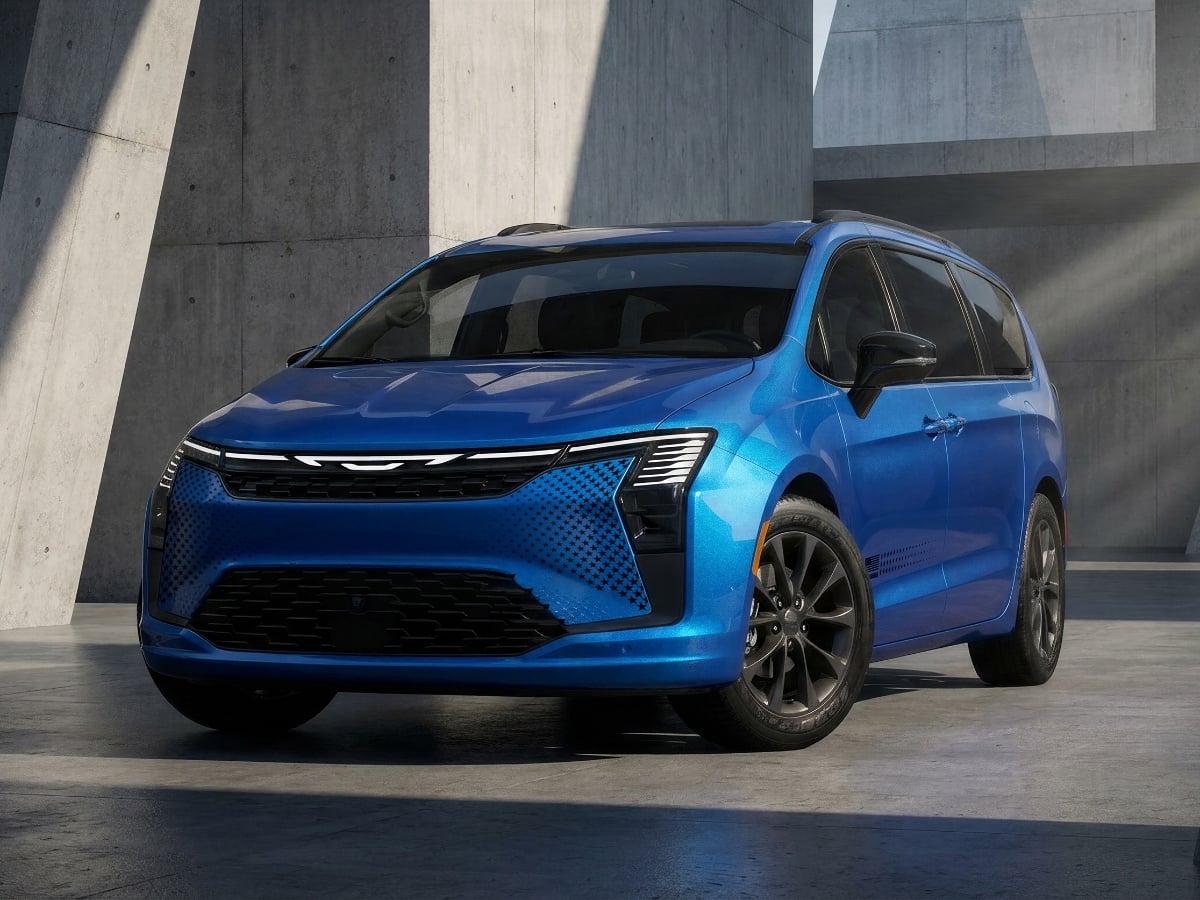
Chrysler, the company that launched the modern minivan segment in 1984, is giving its popular 2027 Chrysler Pacifica a nose job and introducing a special edition commemorating America’s 250th ...See More
Read the Full Article
An all-new GMC Sierra 1500 debuts for the 2027 model year, featuring next-generation V8 engines, a premium interior with wide digital displays, and class-exclusive luxury and technology features on ...See More
Read the Full Article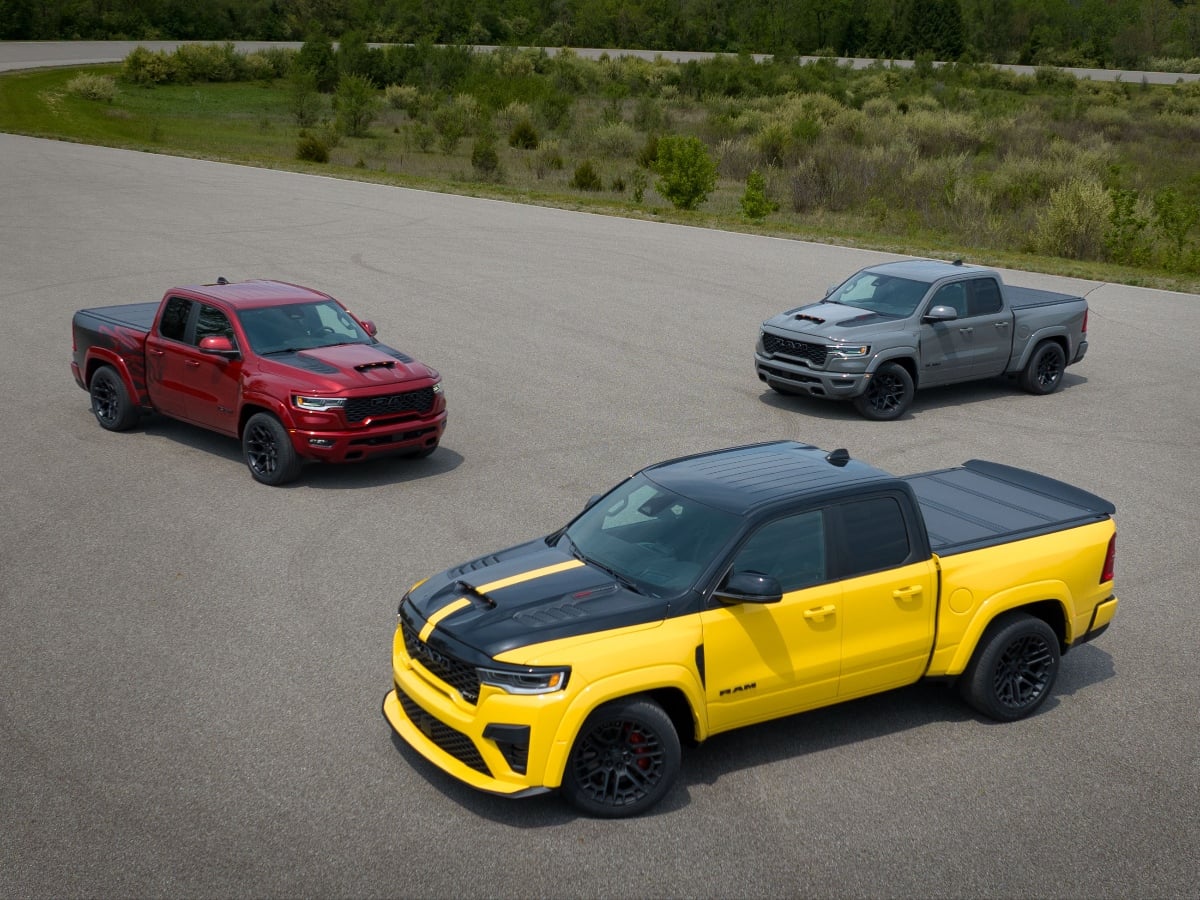
With the 2027 Ram 1500 Rumble Bee, Ram aims to revive the domestic muscle truck segment by offering a trio of Hemi V8 engines, including the 777-horsepower Rumble Bee SRT.
Read the Full Article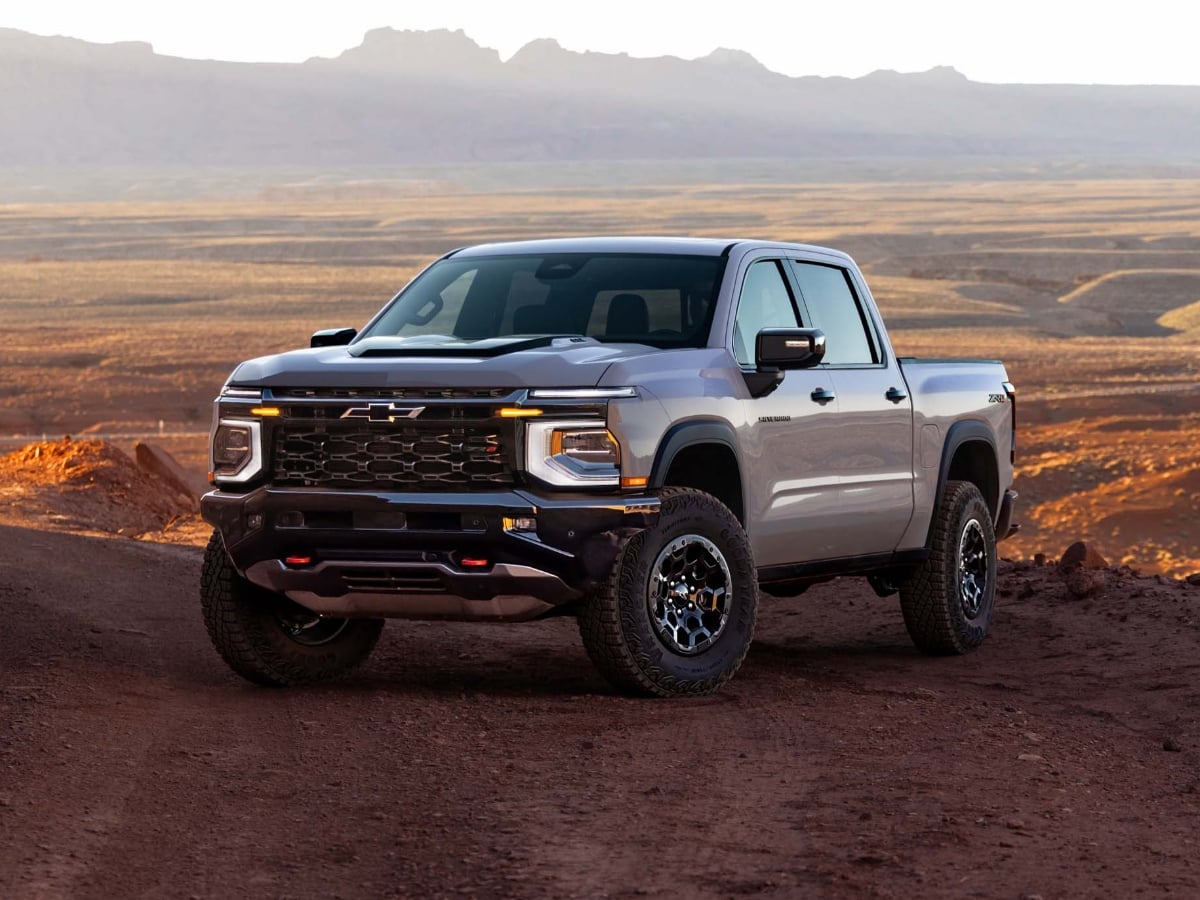
The redesigned 2027 Chevrolet Silverado 1500 marks the next generation of Chevy’s iconic full-size pickup, introducing fresh styling, an upgraded interior, new technology, and revised V8 engines ...See More
Read the Full Article