
Electric vehicles (EVs) are no longer just a means of transportation. They are quickly becoming mobile energy hubs. One of the most exciting innovations fueling this shift is Vehicle-to-Load (V2L), a technology that allows an EV to power external devices and equipment using its battery.

Vehicle-to-Load technology allows an EV to function like a large mobile power bank. Unlike the typical charging process for your car from the grid, V2L enables you to power electronics, appliances, or even another vehicle directly from the car's battery.
Most vehicles come equipped with one or more standard power outlets, located inside the cabin, in the trunk, or accessible via an external charging port adapter. These outlets can supply AC power, typically at household voltage levels, to operate common appliances or equipment.
Most V2L systems need an onboard inverter that converts the DC energy stored in the EV battery into usable AC power. The inverter manages load capacity, ensuring the battery operates safely and does not discharge too quickly.
In practical terms, V2L can provide between 1.5 and 3.6 kilowatts of continuous power, depending on the vehicle, which is enough to run:
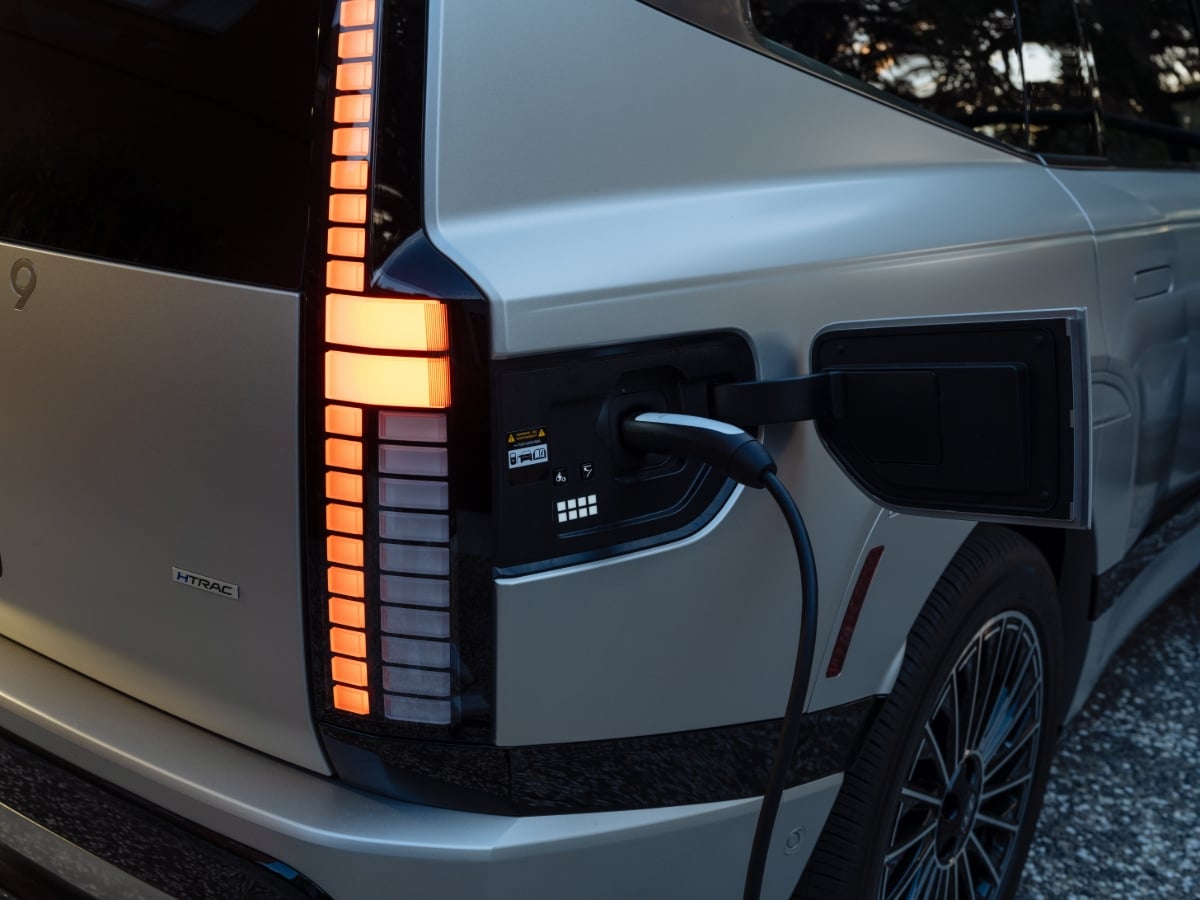
The V2L process is simple yet technically complex. Several components are involved:
The beauty of V2L is that it requires no complex installation or grid connection. Anyone can use it immediately—no electrician, no permits, and no specialized charging infrastructure needed.
While V2L is designed to let you power devices directly from your EV, two related technologies, Vehicle-to-Home (V2H) and Vehicle-to-Grid (V2G), expand this concept in different ways. All three rely on the same core idea of bi-directional power flow but serve distinct purposes and require different levels of infrastructure. Here is a brief description of each technology:
It all boils down to this: V2L is portable and quick, making it ideal for on-the-go use; V2H is stationary, offering greater power capacity and backup options; and V2G connects vehicles to the larger energy system, turning EVs into active participants in grid stability and sustainability. These are three related technologies, each with their own specific purpose and use.
The convenience, versatility, and affordability of V2L drive its growing popularity. Benefits include:
For many consumers, these benefits make V2L one of the most useful and quickly rewarding EV features available today.
Of course, V2L is not a perfect replacement for a complete home power or grid support system. Some limitations include:
Although V2L's limitations are real, these constraints are ultimately minor compared to the convenience it provides across various applications and situations.
Among the many new aspects of EV technology, V2L is one of the most practical. It allows owners to use their EV as a portable energy source, offering clear benefits for everyone from outdoor adventurers to homeowners seeking a reliable off-grid power supply. As EV adoption speeds up, features like V2L will change what a vehicle can do: not just moving people from point A to point B, but powering their lives along the way.
Visit the Shopping Guides section of the website to learn more about different automotive technologies.
Jessica Shea Choksey is an experienced writer in the automotive field. In addition to JDPower.com, she was a correspondent for PBS's MotorWeek, and her work has appeared on Autotrader.


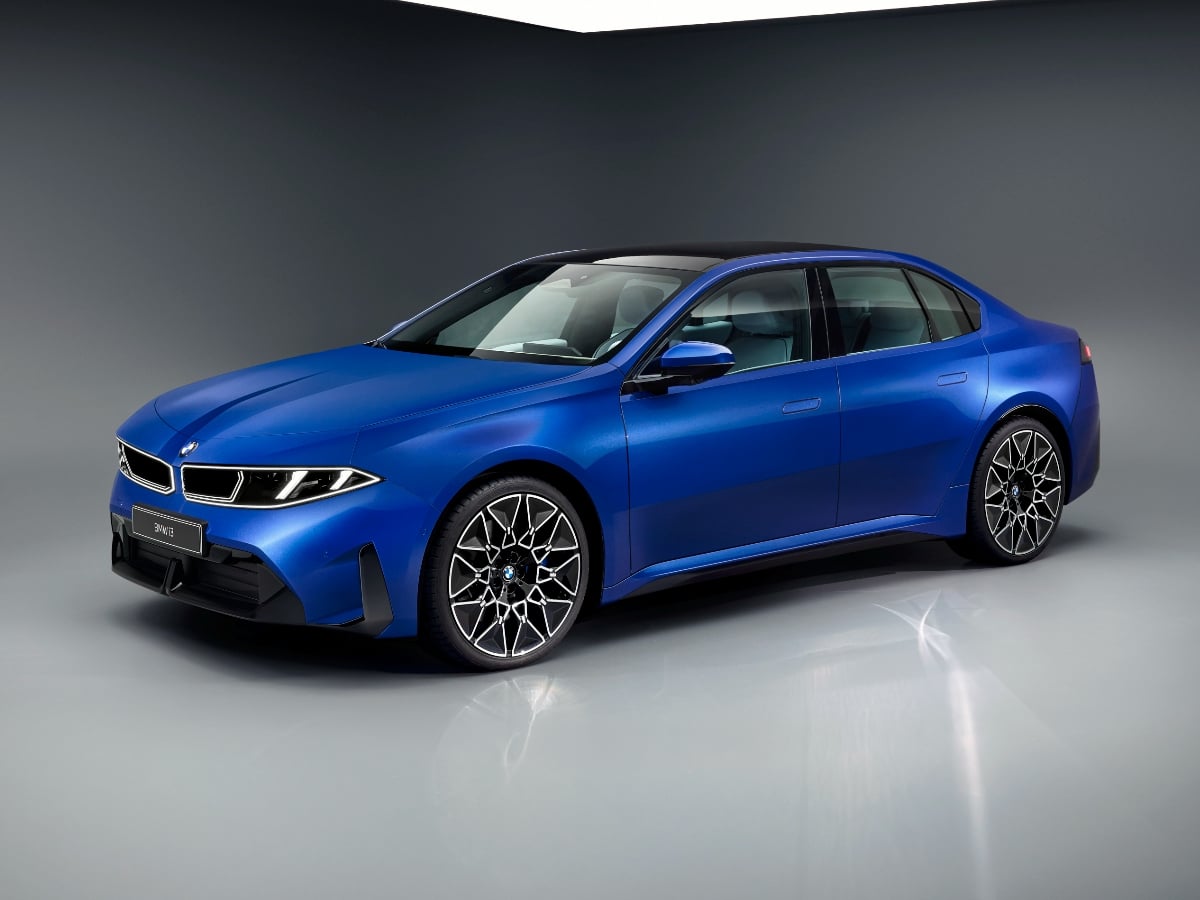
The new 2027 BMW i3 boasts an estimated range of up to 440 miles, 400-kilowatt DC fast charging capability, bidirectional charging to a home or the grid, and next-generation technology.
Read the Full Article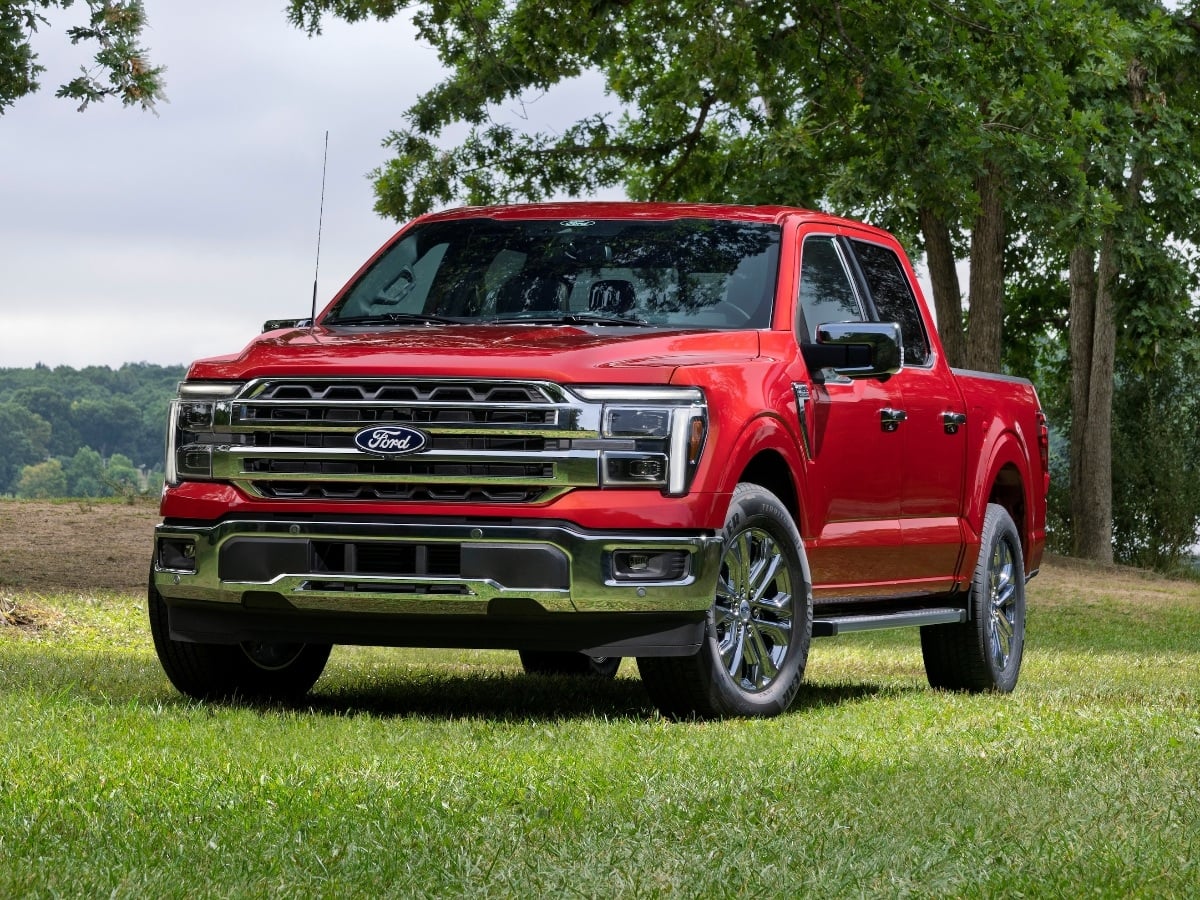
Facing renewed competition in the full-size, light duty pickup truck segment, the 2027 Ford F-150 receives subtle styling updates, a new standard engine, broader availability of its 5.0-liter V8, and ...See More
Read the Full Article
The 2027 Civic Type R goes on sale in October 2026, and it starts at $49,990, including the $1,295 destination charge.
Read the Full Article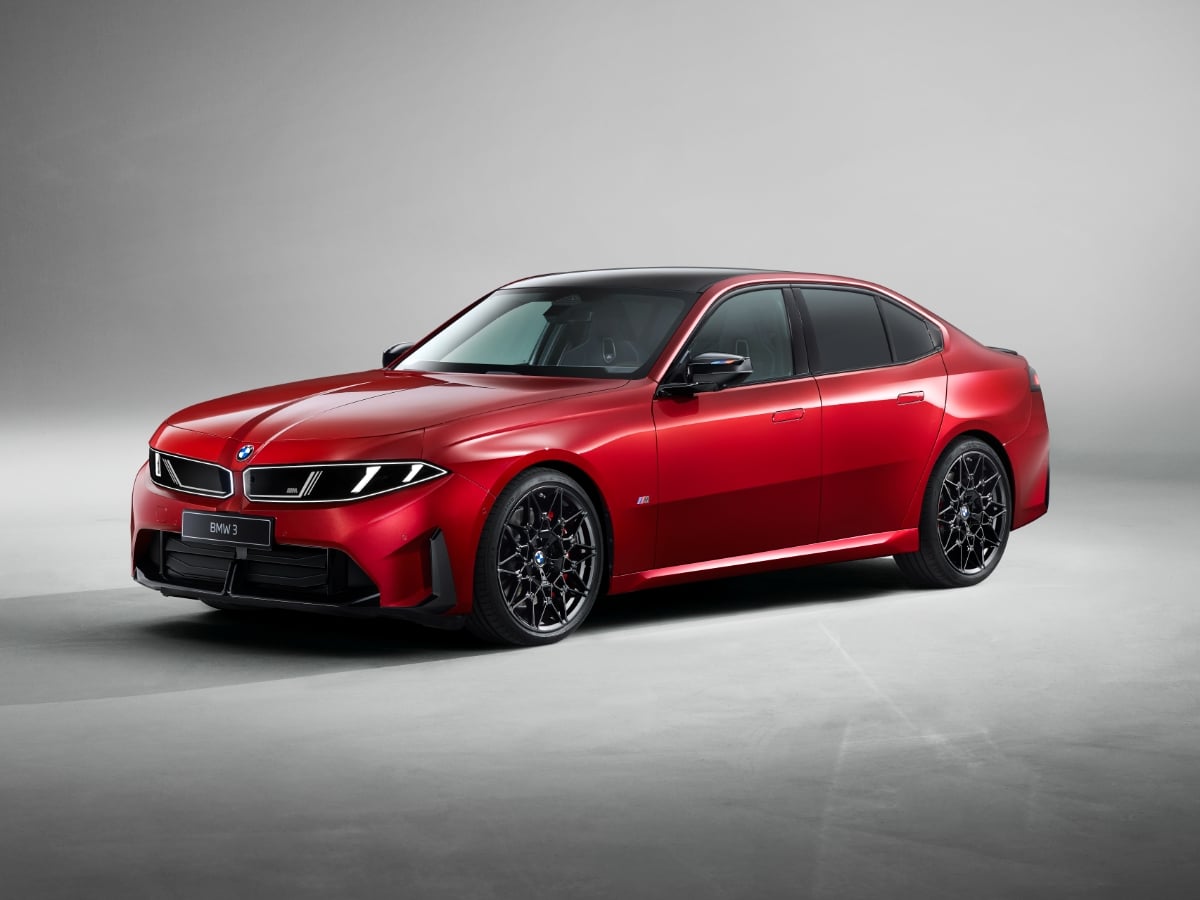
Part of BMW’s Neue Klasse (new class) rollout of redesigned models, the 2027 BMW 3 Series is all-new and goes on sale in the first quarter of 2027.
Read the Full Article