
Vehicle infotainment systems continue to evolve year after year, becoming more advanced with faster processing speeds, higher-resolution graphics, and greater connectivity than ever. In addition, car companies increasingly give drivers and passengers seamless access to cloud-based content and connected services that enrich their lives through in-car technologies.
At Ford Motor Company, the all-new Ford Digital Experience and Lincoln Digital Experience infotainment systems embody the best of what the automaker has to offer. However, you’d never guess it based on their generic-sounding names. Labels aside, these systems can take on a look and feel all their own, and the result is immersive in a way we have not yet seen from Ford and Lincoln.
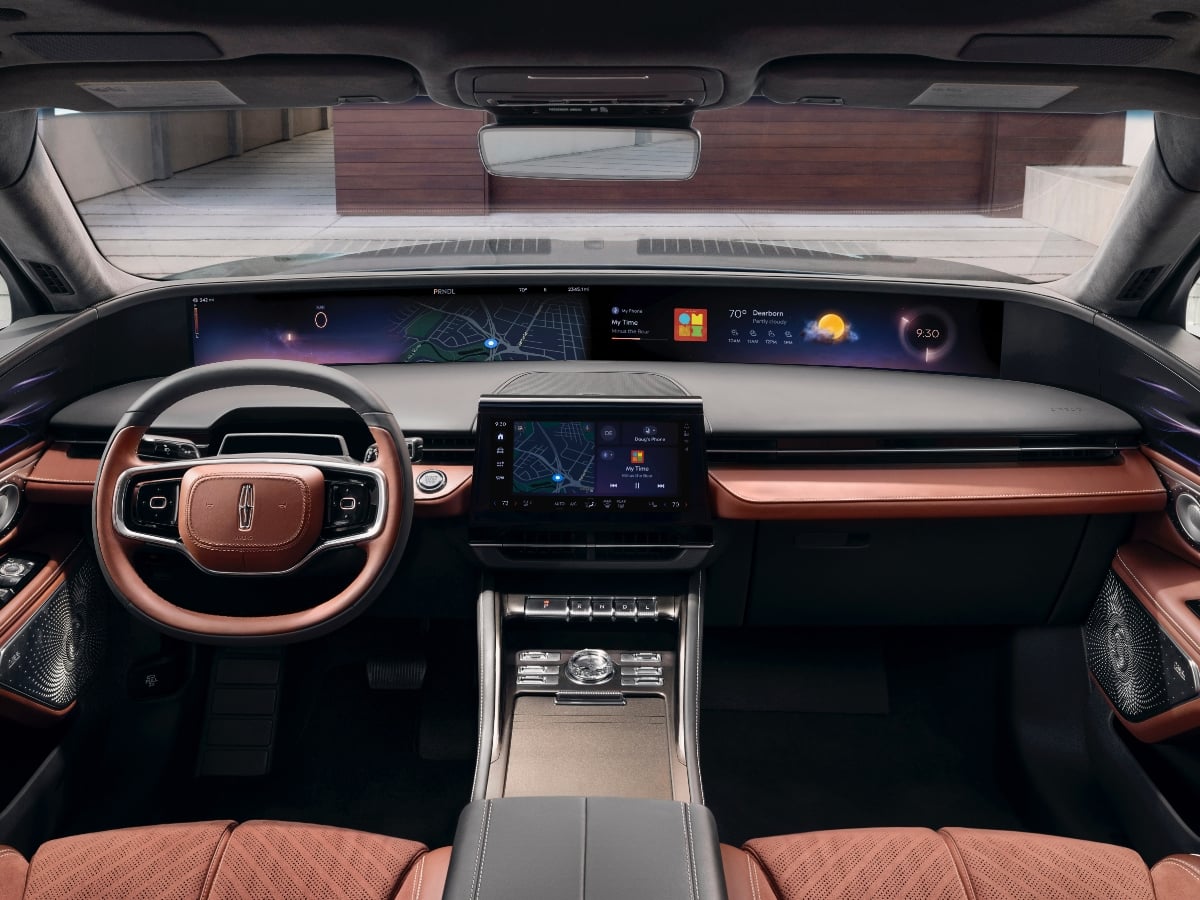
This new technology debuted in the redesigned 2024 Lincoln Nautilus, where it is clear this is not your father’s infotainment system. It looks more like something that should be in the cockpit of a spaceship than an automobile.
Replacing Ford’s long-standing Sync system, the newly-imagined Google-based Ford Digital Experience and Lincoln Digital Experience are unique in their approach to connecting the driver to the vehicle.
In the 2024 Nautilus, the technology uses a central control touchscreen located on the dashboard, fronting a sprawling, 48-inch, 4K panoramic screen that stretches the entire length of the dashboard on the highest resolution display ever offered by Lincoln.
Visually, the dual-interface configuration is jaw-droppingly impressive. Some stunning curved widescreen dashboard displays are available today, but the one in the new Lincoln Nautilus is next-level.
Lincoln organizes the panoramic screen into sections that display an array of apps and services the driver can select and place in their line of sight. The result could include vehicle information, safety features, navigation, audio, weather, climate controls, and more.
The goal is to give Lincoln Nautilus owners a fully customized and personalized display that drivers can easily reference without taking their eyes off the road. The driver decides what is shown on the panoramic display using steering wheel controls and the dash-mounted touchscreen, which is the hub of all content and information.
The central screen is organized into four main areas:
This system is personalized to each driver and will automatically populate the panoramic screen with that person’s pre-set preferences. Of course, the driver can change preferences anytime in real time.
Although the Ford Digital Experience and Lincoln Digital Experience are Google-based platforms, the systems support both Apple CarPlay and Android Auto. Digital voice assistance from Apple, Amazon, and Google further elevates the user experience.

Aside from the impressive Lincoln Digital Experience system in the 2024 Nautilus, this infotainment technology will proliferate across other Ford and Lincoln models.
First to get it are the refreshed 2025 Ford Explorer and 2025 Lincoln Aviator SUVs. However, neither will use the same dramatic widescreen treatment as the Nautilus. Instead, Explorer and Aviator will have a 13.2-inch touchscreen in the center of the dashboard, paired with a 12.3-inch (Explorer) or 12.4-inch (Aviator) digital instrument panel.
Beyond those models, it is unclear which future Ford and Lincoln models will feature the fully immersive 48-inch panoramic display found in the Nautilus or the less dramatic implementation of this technology planned for the Explorer and Aviator. But both arrangements will find their way into future models.
The Ford Digital Experience and Lincoln Digital Experience platforms have far more computing power than Ford’s current Sync infotainment system. From a speed standpoint, the primary processing occurs five times faster, while graphics processing is 14 times faster. At the same time, the new hardware boasts four times as much memory and eight times as much hard drive space. Add to that 5G wireless connectivity and an available Wi-Fi hotspot.
The result is a better, faster, more capable user experience while running apps and other content. Over-the-air updates will continue to keep the system current as they become available.
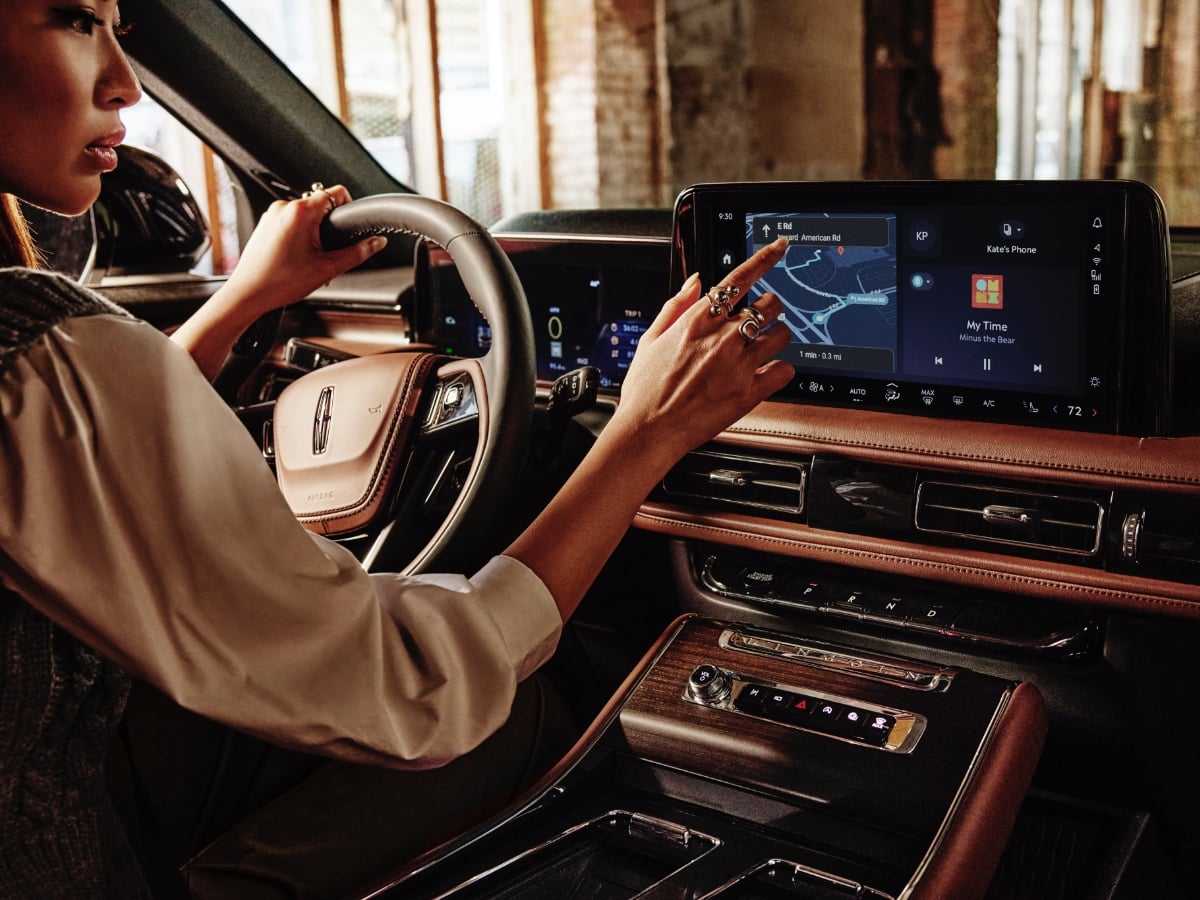
Like other infotainment systems, the Ford Digital Experience and Lincoln Digital Experience intend to make time spent in the vehicle an extension of what Ford refers to as one’s “digital life.” That means access to apps such as Spotify and Audible while driving and utilizing the vehicle as a mobile workspace and entertainment hub at curbside.
To that end, occupants can watch TV shows and movies, play video games, surf the internet, and even take videoconferencing calls, all while parked.
With the world more device-driven and connectivity-based than ever, the Ford Digital Experience and Lincoln Digital Experience make infotainment richer and more organic, allowing drivers to personalize their time behind the steering wheel.
To learn more about infotainment systems and other related technologies, visit the Shopping Guides section of the website.
Jessica Shea Choksey is an experienced writer in the automotive field. In addition to JDPower.com, she was a correspondent for PBS’s MotorWeek. Her work has also appeared in AutoTrader.


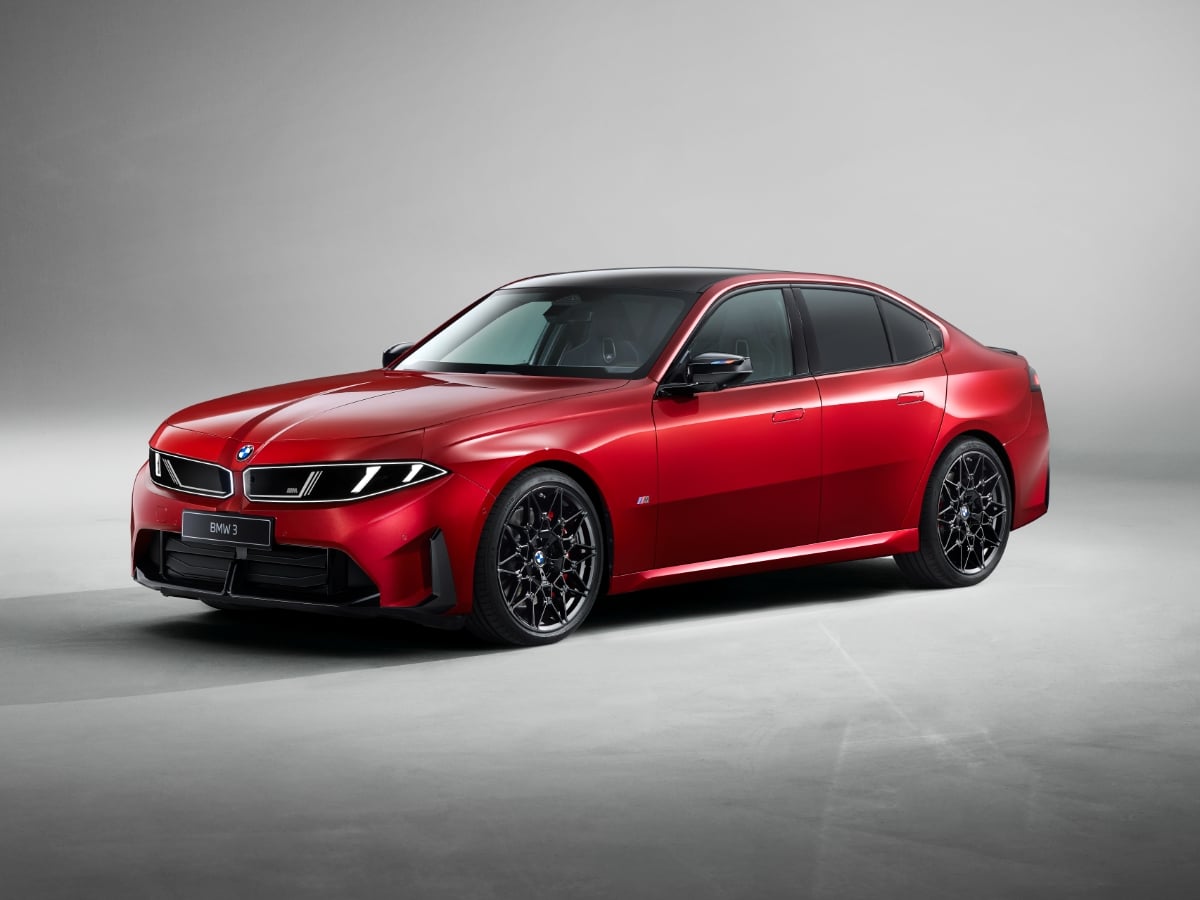
Part of BMW’s Neue Klasse (new class) rollout of redesigned models, the 2027 BMW 3 Series is all-new and goes on sale in the first quarter of 2027.
Read the Full Article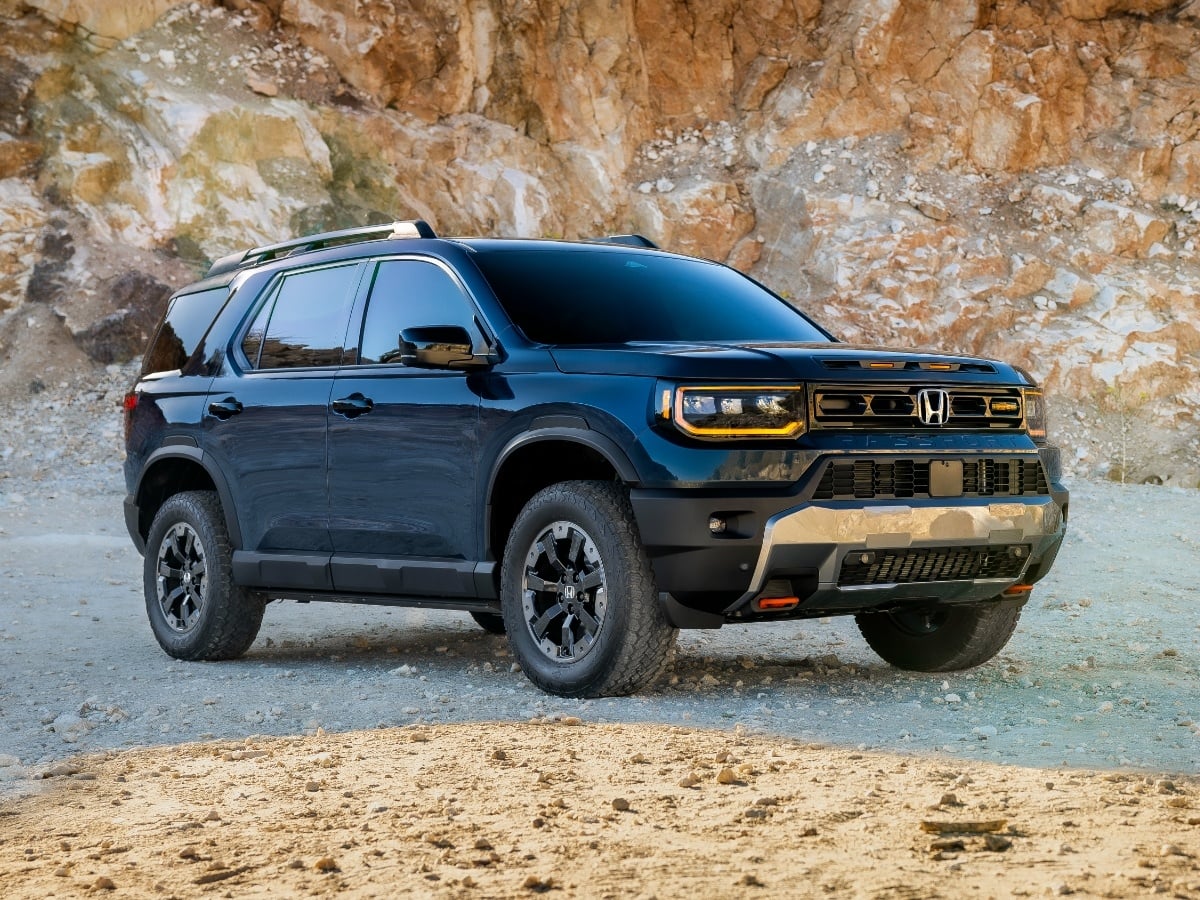
Updates to the 2027 Honda Passport TrailSport include a reworked suspension, improved steering, subtle styling enhancements, and added standard equipment.
Read the Full Article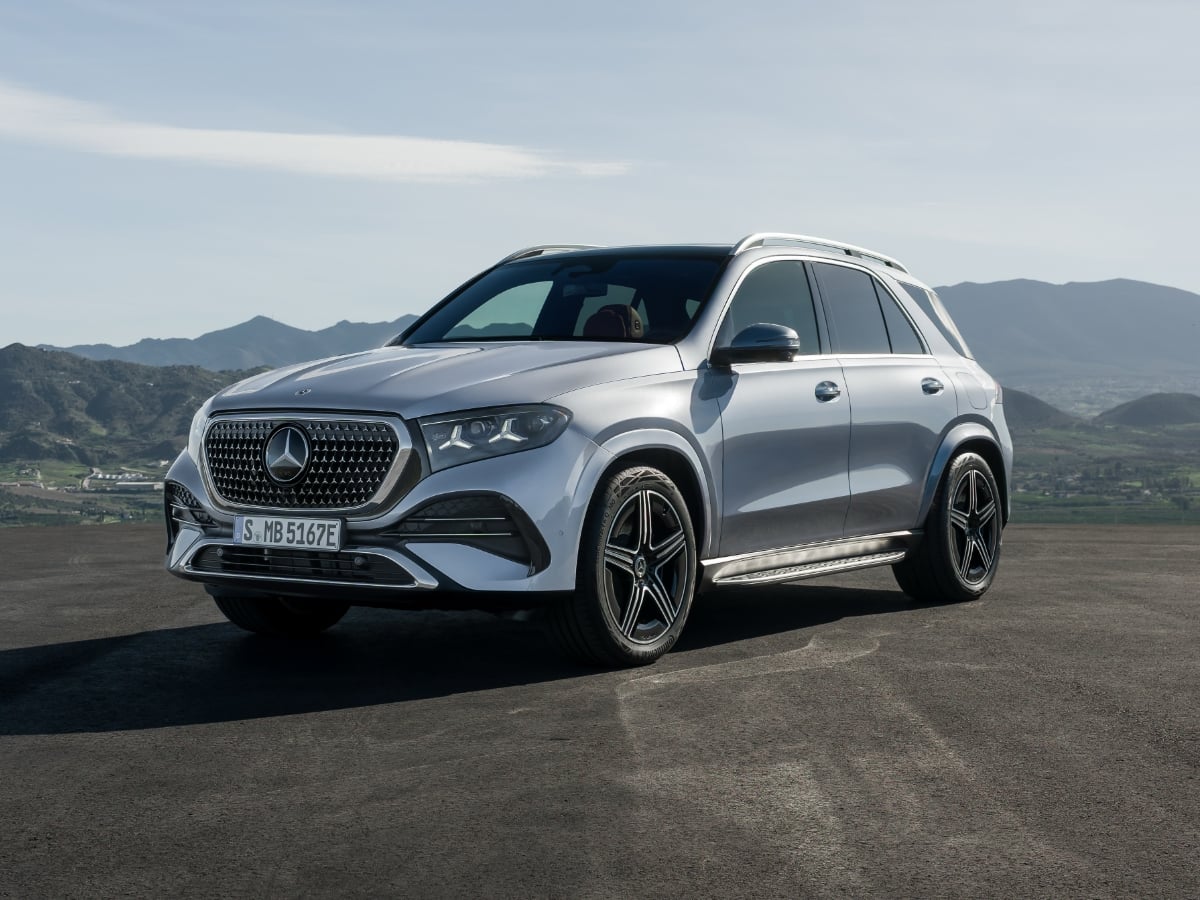
The midsize 2027 Mercedes GLE remains available in original and spicy Coupe recipes, now with standard 4Matic all-wheel drive (AWD), MBUX Superscreen technology, and a panoramic glass sunroof for ...See More
Read the Full Article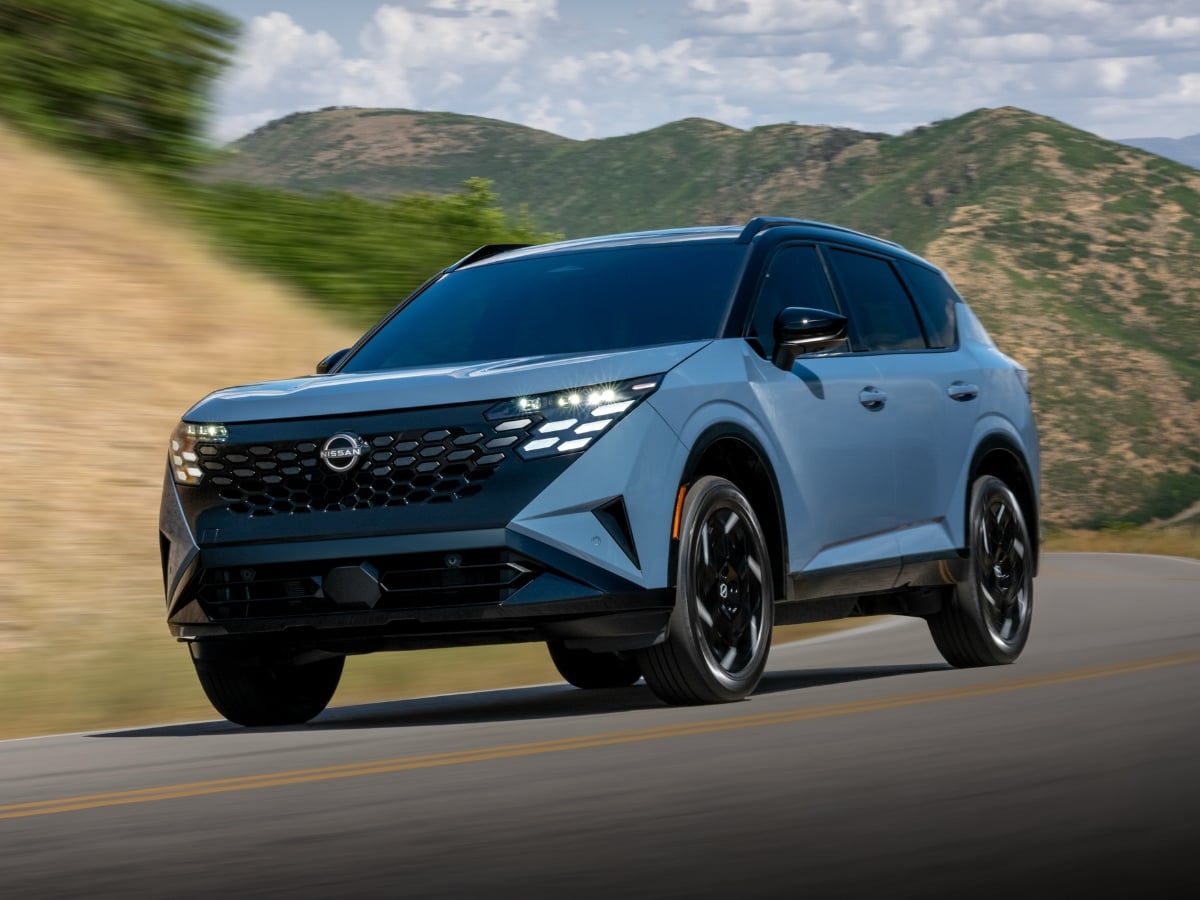
Nissan is about to introduce an innovative new SUV. The 2027 Nissan Rogue Hybrid has a gasoline engine, but it does not power the wheels. Instead, electric motors at each axle provide propulsion, ...See More
Read the Full Article