
While some modern trucks use a "body-on-frame" design, in which a separate body is mounted onto a chassis, the vast majority of today's cars use an integrated unibody structure to reduce noise, weight, and cost. Though unified in the end, they are built from dozens of individually welded components. Now, the industry is embracing a manufacturing revolution designed to simplify that process. It is called megacasting, and it promises to make vehicles lighter, stiffer, and even cheaper.

The traditional way to make a unibody vehicle is to stamp or extrude many small parts from aluminum or steel, then weld them together. The advantage is that it is relatively easy to make these small parts without needing extremely complex equipment.
However, it comes with the substantial disadvantage that you need to weld or otherwise bond all those disparate components together. Even with automated welding and other robotic assistance, this adds significant time and expense to the vehicle assembly process.
Megacasting, or gigacasting as it is called in some applications, is a way to bring everything together more quickly. Instead of stamping smaller parts from sheets of metal, larger components are formed in a single shot.
These components are cast from aluminum, and while aluminum castings are nothing new, these megacasted components are significantly larger than anything we have seen before. In the new Volvo EX60, for example, large sections of the crossover’s structure are made from just a few cast components.
Creating such a large component requires extremely high pressures and temperatures to inject specialized aluminum alloys safely through a very large mold. Doing so safely and repeatably has taken years of development to perfect.
If all goes well, at the end of the process, you wind up with one large part ready to serve as a substantial component of the chassis. This technique also enables the creation of more complex shapes, adding rigidity and reducing weight.
But there are a few disadvantages. The first is that implementing this process is difficult, requiring extremely high pressure to fill the molds. Doing so safely requires significant development. There are also concerns that this technology could make vehicles more expensive to repair, since you end up with fewer, but much larger components to replace in case of an accident. However, it is still early days, and recent research suggests that cars built with these techniques could be more durable and therefore cheaper.
Megacasting offers substantial advantages that should help future cars cost less and weigh less. With increasing pressure for electric vehicles to go farther on a charge and be less expensive to buy, you can soon expect to see this technology inside and underneath more new-vehicle choices.
Visit the Shopping Guides section of the website to learn more about different automotive technologies.
Tim Stevens is a veteran automotive and technology journalist with over 25 years of experience covering a wide range of topics, from smartphones to supercars. In addition to jdpower.com, his expert perspectives have appeared in numerous national and international outlets, including print, online, and broadcast television.


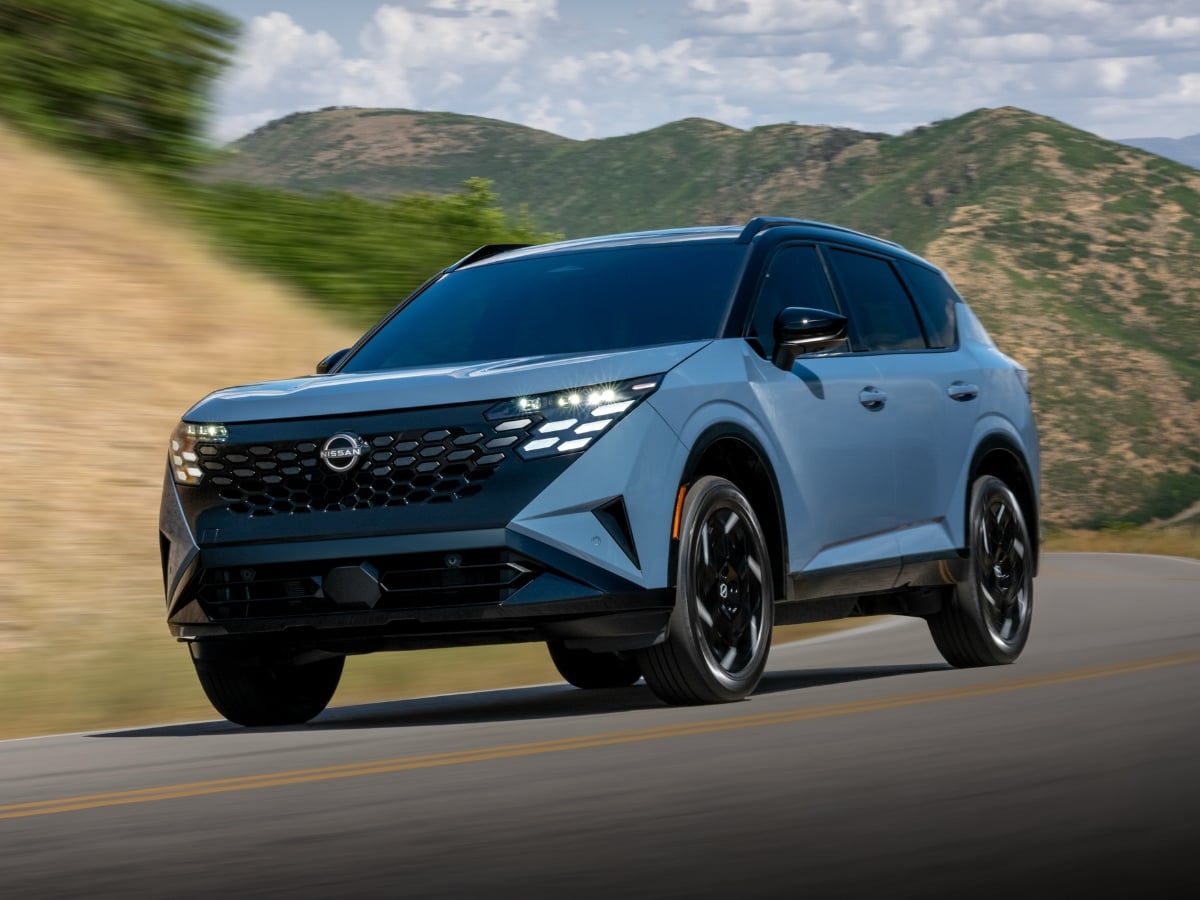
Nissan is about to introduce an innovative new SUV. The 2027 Nissan Rogue Hybrid has a gasoline engine, but it does not power the wheels. Instead, electric motors at each axle provide propulsion, ...See More
Read the Full Article
Adding European flair to the otherwise vanilla midsize three-row family SUV market, the redesigned 2027 Volkswagen Atlas debuts with a sharper exterior, an upgraded cabin, more power, and new ...See More
Read the Full Article
Though the styling stays largely the same, a massive boost in electric range for the plug-in hybrid (PHEV), plus a refined design, helps the 2028 Volvo XC60 stay current and desirable.
Read the Full Article
With the 2027 Lexus TZ, Toyota Motor’s luxury division introduces its first three-row all-electric SUV, featuring a lounge-inspired interior, an enhanced all-wheel drive (AWD) system, and up to 300 ...See More
Read the Full Article