
Modern vehicles are equipped with high-tech driver assistance systems, but it may be difficult to understand how they work and if they are truly worth the purchase. Many modern vehicles come with Lane Following Assist, which helps you maintain your car in its lane. Drivers who are sleepy or momentarily preoccupied and drift out of their lane cause many accidents on open roads.

Lane Forward Assist systems keep an eye on where the car is on the road, identify when the driver accidentally leaves their lane, and respond by either warnings or actively guiding the vehicle back into its lane. Lane Following Assist (LFA) is another driver-assistive device that provides a helping hand to drivers who are tired on the road.
Nissan, Toyota, and Honda introduced lane Following Assist systems on various passenger models in the early 2000s. Mercedes developed the first Lane Following Assist system in the late 1990s.
Lane Following Assist employs a camera, often located in the top portion of your windshield, to precisely position the vehicle in the center of its lane. If the system detects you are straying from your lane, it will notify you with an audio warning, a vibration through the steering wheel, a warning light, or a combination of all three. The system functions better on highways, and severe weather conditions or low visibility might reduce its performance.
Active Lane Following Assist will actively correct the vehicle's course, seizing control of the steering or applying the brakes to direct the vehicle back into its lane. Some lane assist systems are more sophisticated than others, with the ability to momentarily deactivate when the indicators are employed before changing lanes or identify when the driver is driving enthusiastically, and lane assistance is not needed. All active lane assist systems demand that the driver maintain a hand on the steering wheel at all times; failure to do so will cause the system to deactivate. This system prevents drivers from being distracted by the road in front of them.
The Lane Following system keeps cars in their lanes to avoid crashes. However, there are specific considerations to follow when using the system. When operating the Lane Following Assist (LFA) system, exercise the following cautions:
The price of Lane Following Assist often increases since it is packaged with other alternatives and sold as part of a safety pack. The advantages of Lane Following Assist may not be worthwhile if you spend most of your time driving in small towns or at speeds below 40 mph. Of course, if safety is your priority, this is a crucial choice for you because it lowers the likelihood of an accident occurring in the first place.
However, remember that safe driver-assisted technology never replaces safe driving habits when operating the safety system. Before using the Lane Following Assist or any other advanced driver assistance system, read your owner's manual to uncover essential facts, such as operating the system and what alerts or warnings it may display.


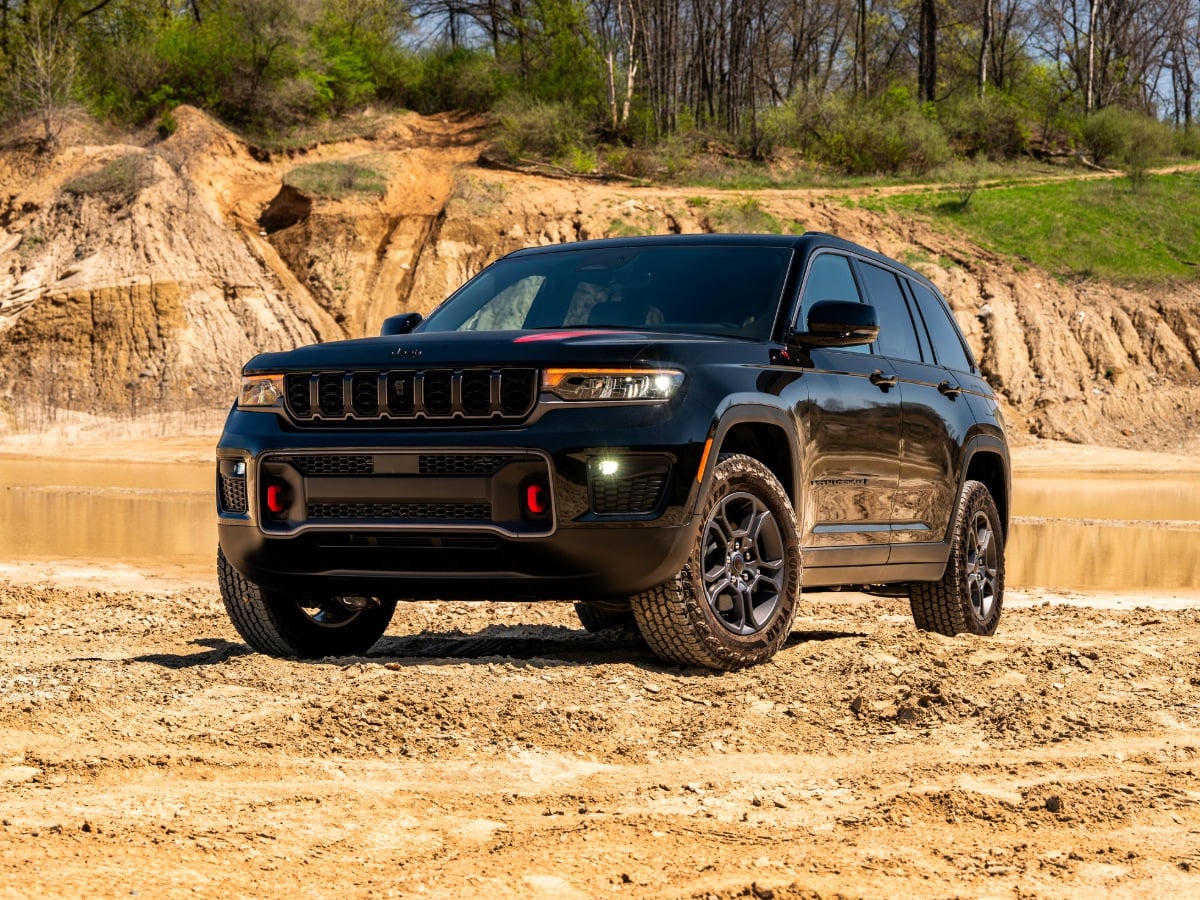
Following a refresh for the 2026 model year, the 2027 Jeep Grand Cherokee lineup brings back two familiar variants, the go-anywhere Trailhawk and the premium-yet-capable Overland, offering buyers ...See More
Read the Full Article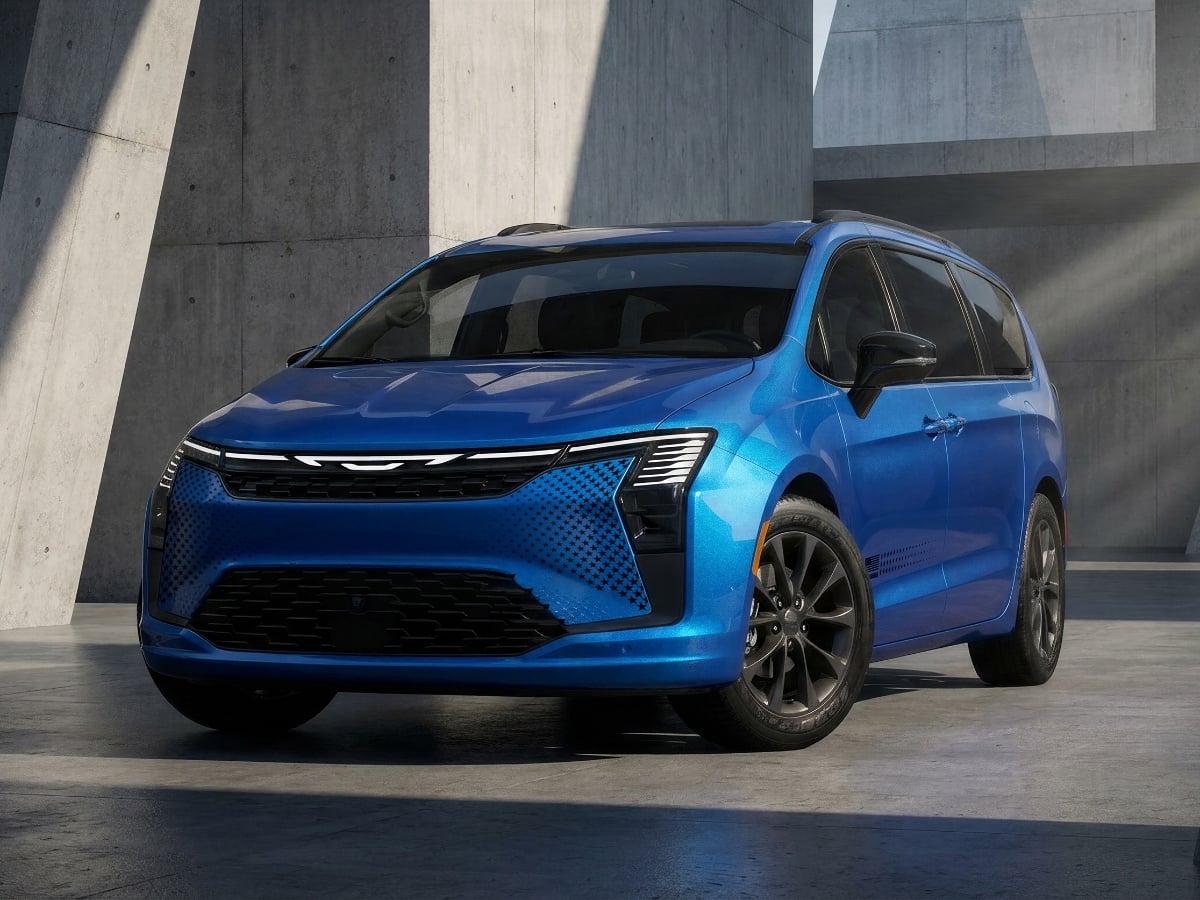
Chrysler, the company that launched the modern minivan segment in 1984, is giving its popular 2027 Chrysler Pacifica a nose job and introducing a special edition commemorating America’s 250th ...See More
Read the Full Article
An all-new GMC Sierra 1500 debuts for the 2027 model year, featuring next-generation V8 engines, a premium interior with wide digital displays, and class-exclusive luxury and technology features on ...See More
Read the Full Article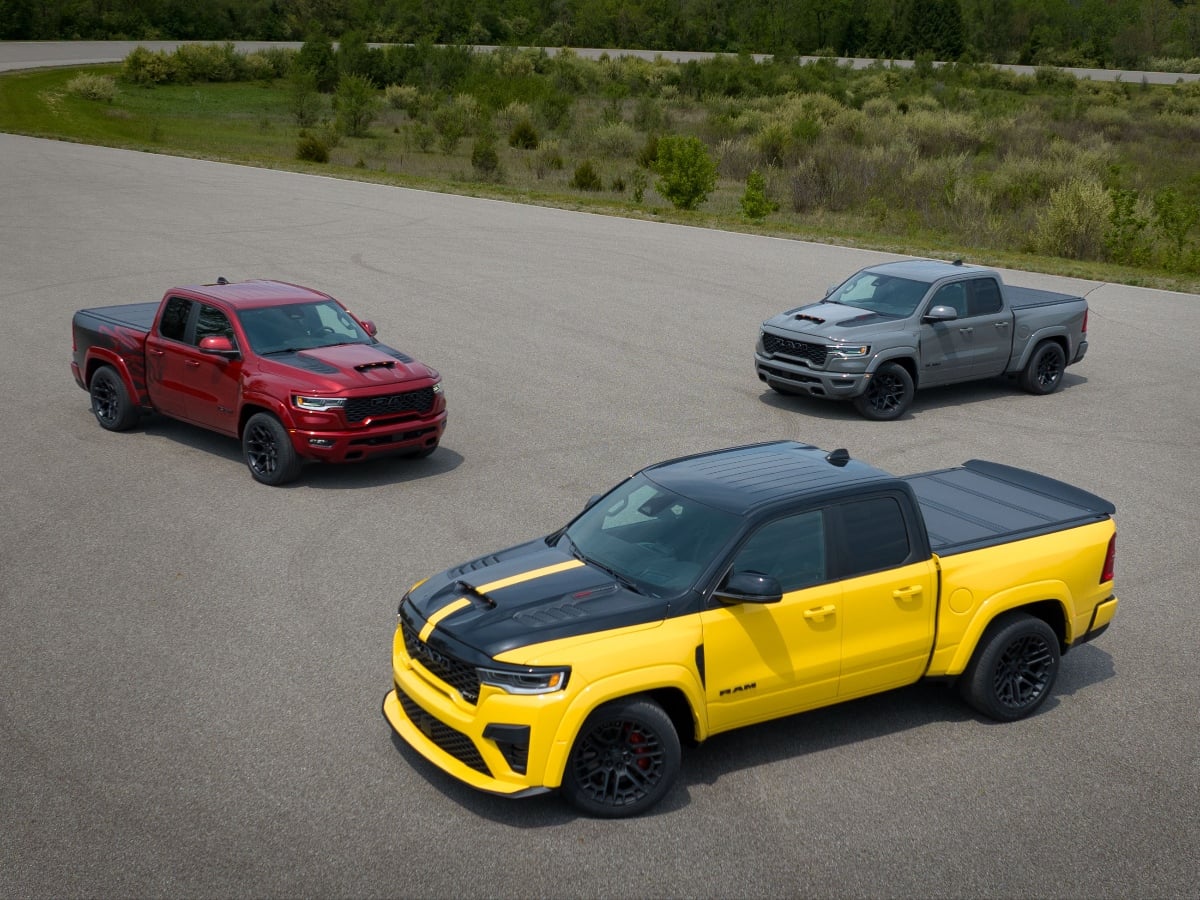
With the 2027 Ram 1500 Rumble Bee, Ram aims to revive the domestic muscle truck segment by offering a trio of Hemi V8 engines, including the 777-horsepower Rumble Bee SRT.
Read the Full Article