
Nowadays, both scientists and the general public look more and more into alternative energy sources. It is the way of the future, with products like E15 gas only propelling it further. This fuel blend contains up to 15% ethanol and has gained popularity as a renewable fuel option. But if you want to do the switch, it’s imperative to learn more about such a gas, and this article aims to provide you with just enough information.

E15 gas is a type of gasoline that contains 15% ethanol and 85% gasoline. It is one of several ethanol fuel blends available on the market but is currently the most widely available. E15 gas first appeared in the US in 2011 through EPa’s approval, and most manufacturers ensured their vehicles could run on it.
As mentioned, ethanol is used in E15 gas. This is done to reduce gas emissions and fossil fuel dependence, considering that this chemical comes from corn, sugar, barley, and other plants. When manufactured through fermentation and distillation, it’s simply blended with gasoline to create E15, as well as E10, and E85.
E15 produces less carbon dioxide during production and combustion, proving it to be environmentally friendly. That’s why it’s named one of the many renewable fuel sources and can be used to combat climate change.
Unlike oil, which is primarily produced overseas, ethanol is made in the United States. By using E15 gas, consumers can reduce their dependence on foreign oil and support domestic industries.
Because ethanol is cheaper to produce than gasoline, E15 gas is typically cheaper at the pump than traditional gasoline. For consumers looking to save money on their fuel expenses, E15 gas can be an attractive option for consumers looking to save money on fuel expenses.
Despite being a blend of gasoline and ethanol, E15 gas provides high performance in most vehicles. E15 gas has an octane rating of 88, higher than regular gasoline. This higher octane rating can lead to improved engine performance and fuel efficiency.
E15 gas has a higher oxygen content than traditional gasoline, which can lead to improved combustion in some engines. Additionally, ethanol can help keep engines clean and deposit-free, leading to improved engine performance and longevity.
E15 gas is not compatible with all vehicles. Only cars and light-duty trucks manufactured after 2001 are approved for use with E15 gas. Older vehicles and motorcycles may not be able to use E15 gas, and using it in these vehicles can cause engine damage.
While E15 gas can improve fuel efficiency in some vehicles, it can reduce fuel efficiency in others. The difference in fuel efficiency can be significant, up to 7% lower than traditional gasoline in some cases.
E15 gas is not yet available at all gas stations, and it can be challenging to find in some areas. Consumers looking to use E15 gas may need to go out of their way to find a gas station that carries it.
Before deciding whether to use E15 gas, it's essential to consider a few factors. First, check whether your vehicle is compatible with E15 gas. Most newer cars manufactured in the United States after 2001 can handle E15 gas, but it's always best to check your car's owner's manual. Using E15 gas in an incompatible vehicle can cause engine damage and void your car's warranty.
Another thing to consider is your driving habits. If you primarily use your car for short trips around town, E15 gas could be a good option. The higher ethanol content in E15 gas can help keep your engine clean and reduce emissions, making it a good choice for stop-and-go driving. However, if you frequently take long road trips or use your car for heavy towing or hauling, stick with gasoline with a lower ethanol content.
E15 gas is a renewable fuel option that offers environmental benefits and supports American farmers. However, it also has drawbacks, including decreased fuel efficiency and the potential for engine damage in some vehicles. As with any fuel option, it's important to weigh the pros and cons and make an informed decision based on your specific needs and circumstances.
By understanding the benefits and drawbacks of E15 gas, you can make an informed decision about whether it's the right fuel option for you. If your vehicle is compatible and you prioritize environmental sustainability and supporting American farmers, E15 gas may be a good choice. However, if you're concerned about fuel efficiency or potential engine damage, you may want to consider other fuel options.


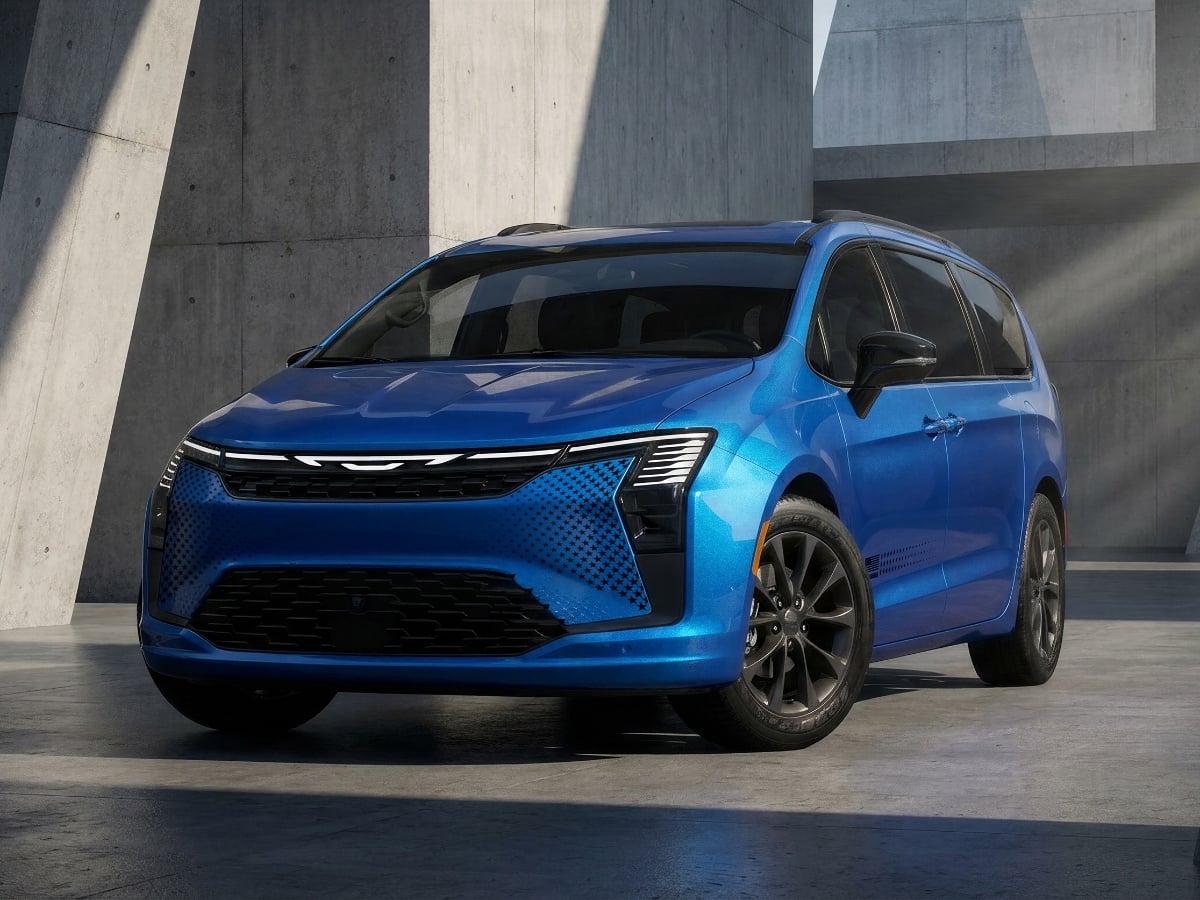
Chrysler, the company that launched the modern minivan segment in 1984, is giving its popular 2027 Chrysler Pacifica a nose job and introducing a special edition commemorating America’s 250th ...See More
Read the Full Article
An all-new GMC Sierra 1500 debuts for the 2027 model year, featuring next-generation V8 engines, a premium interior with wide digital displays, and class-exclusive luxury and technology features on ...See More
Read the Full Article
With the 2027 Ram 1500 Rumble Bee, Ram aims to revive the domestic muscle truck segment by offering a trio of Hemi V8 engines, including the 777-horsepower Rumble Bee SRT.
Read the Full Article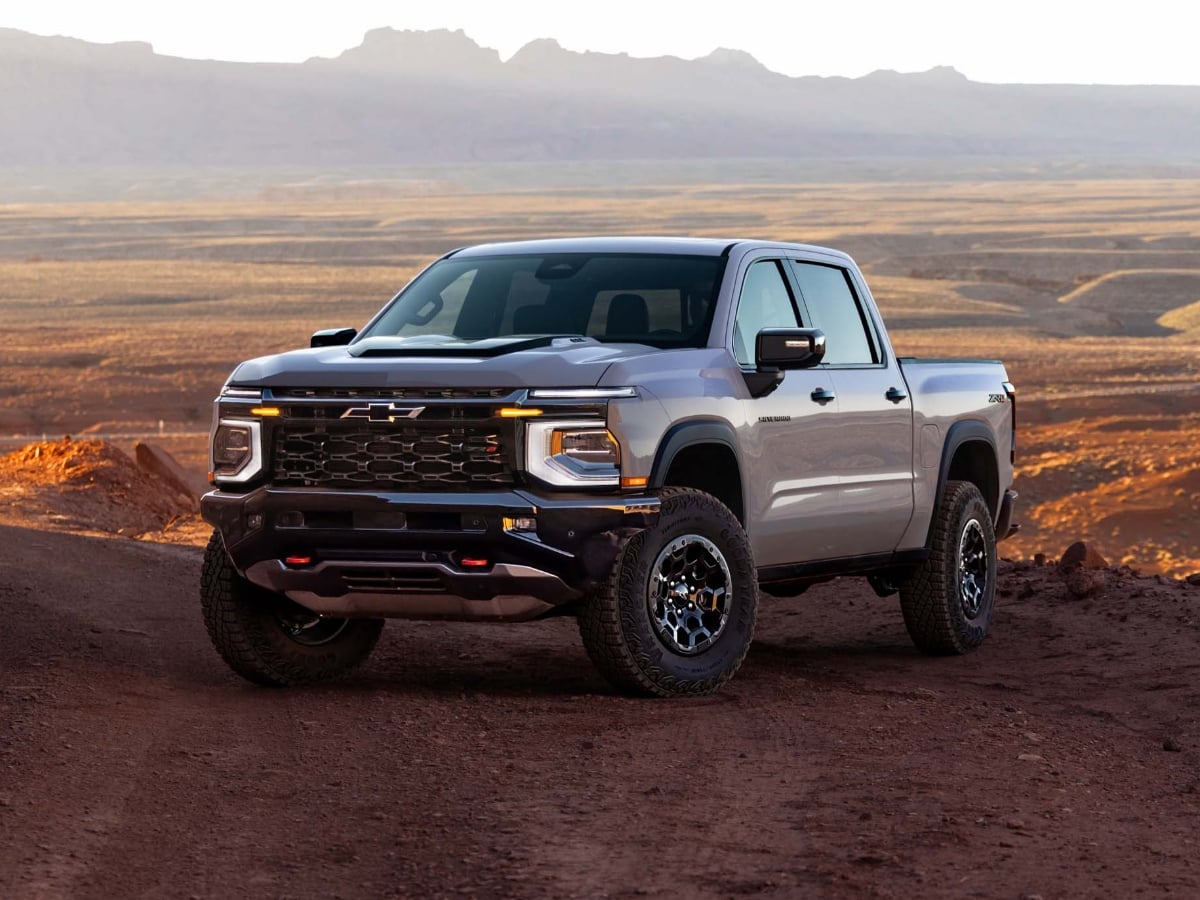
The redesigned 2027 Chevrolet Silverado 1500 marks the next generation of Chevy’s iconic full-size pickup, introducing fresh styling, an upgraded interior, new technology, and revised V8 engines ...See More
Read the Full Article