
Electric hypercars are regular hypercars without internal combustion engines. They are limited production automobile series with a captivating performance, unique styling, and highly technologically advanced features.

Unlike conventional hypercars that run on gasoline, internal combustion engine, gearbox, and other mechanical components, electric hypercars are powered by batteries and electric motors. The batteries, also known as Electric Vehicle Battery (EVB), store electricity and send power to the electric motors to propel the car.
Because the motors send power directly to the wheels, electric hypercars are fully automatic with no speeding gears. Therefore, they put out impressive performance numbers in terms of acceleration, torque, and top speed. The batteries are rechargeable and can be recharged by plugging into an electrical grid, usually at a charging station or home, if available.
The main components required for electric hypercars to work are the traction battery pack that serves as the power source and the electric motors for powering the wheels. Other components include an onboard charger, a thermal system for cooling, a DC-to-DC converter, power inverters, and many more.
Here is how each component contributes to the vehicle’s performance and functioning.
These are mainly lithium-ion batteries that store electricity and power the car's motors. They are smaller and lighter, which helps to reduce the car’s weight and improves its performance. They store energy in Direct currents (DC) and are estimated to have a lifespan of 200,000 miles.
When the car slows down, energy reduces and turns to heat instead. Also known as traction motors, they transmit the energy from the batteries to the wheels via transmission. To save energy, the motors serve as regenerators and send the lost energy back to the batteries. This function is known as the Regenerative Braking Mechanism.
As the name suggests, the onboard charger is responsible for charging the traction battery by converting the AC Power received through the charging port to DC power. It also controls the amount of current that flows through the battery pack.
In addition to charging the battery, it monitors various battery characteristics, like the voltage, temperature, and charging level. This information is communicated to the driver through the car’s infotainment system and the charging equipment.
The charge port is where the vehicle is connected to a charging system or electrical grid. It is located towards the front or rear end of the car.
Operating other accessories of electric hypercars requires relatively lower voltage when compared to the voltage required for powering the motors. The DC-to-DC converter reduces the voltage to a level to power other accessories and charge the auxiliary battery.
Using a combination of thermoelectric, forced air, and liquid cooling, the thermal system keeps the temperature of the electric motors, batteries, and other accessories at optimal levels during operation.
The auxiliary battery provides the power needed to operate other vehicle accessories. It also serves as a backup to the traction battery to supply power to the vehicle’s components that require it all the time.
The energy stored in the traction batteries is in DC, but AC is the required current for the hypercar’s operation. The inverter can convert the DC to AC for the vehicle’s operation. The process is reversed by converting the AC current into DC during regenerative braking.
Whenever the driver operates the car’s pedals, the power electronics converter controls the amount of energy that flows from the traction batteries to the motors, which in turn controls the speed and torque the motor produces to match the required speed set by the driver through the pedals.
The transmission transfers power from the electric motors to the wheels. Unlike the transmission in internal combustion engine cars, electric hypercar transmissions have no gears, which makes them more efficient and prevents power loss. As such, electric hypercars provide instantaneous acceleration.
Regarding the price of electric hypercars, the Italian hypercar company Automobili Pininfarina sells the Battista, an all-electric hypercar, at a starting price of $2 million.
Rimac, another hypercar production company, prices its electric hypercar, the Rimac Nevera, starting from $2.1 million. The price for Lotus Evija starts at $2.3 million, and the Aspark Owl is also priced at $3.2 million.
The main characteristics that define electric hypercars are electric motors and batteries used instead of internal combustion engines. Aside from that, their design, performance, and technological features are similar to gasoline hypercars.
However, their prices may be a little high, but most countries grant you tax credits and other incentives that help reduce the overall purchase cost. Also, due to their electrical setup, they are cheaper to run and maintain as they have fewer moving parts.


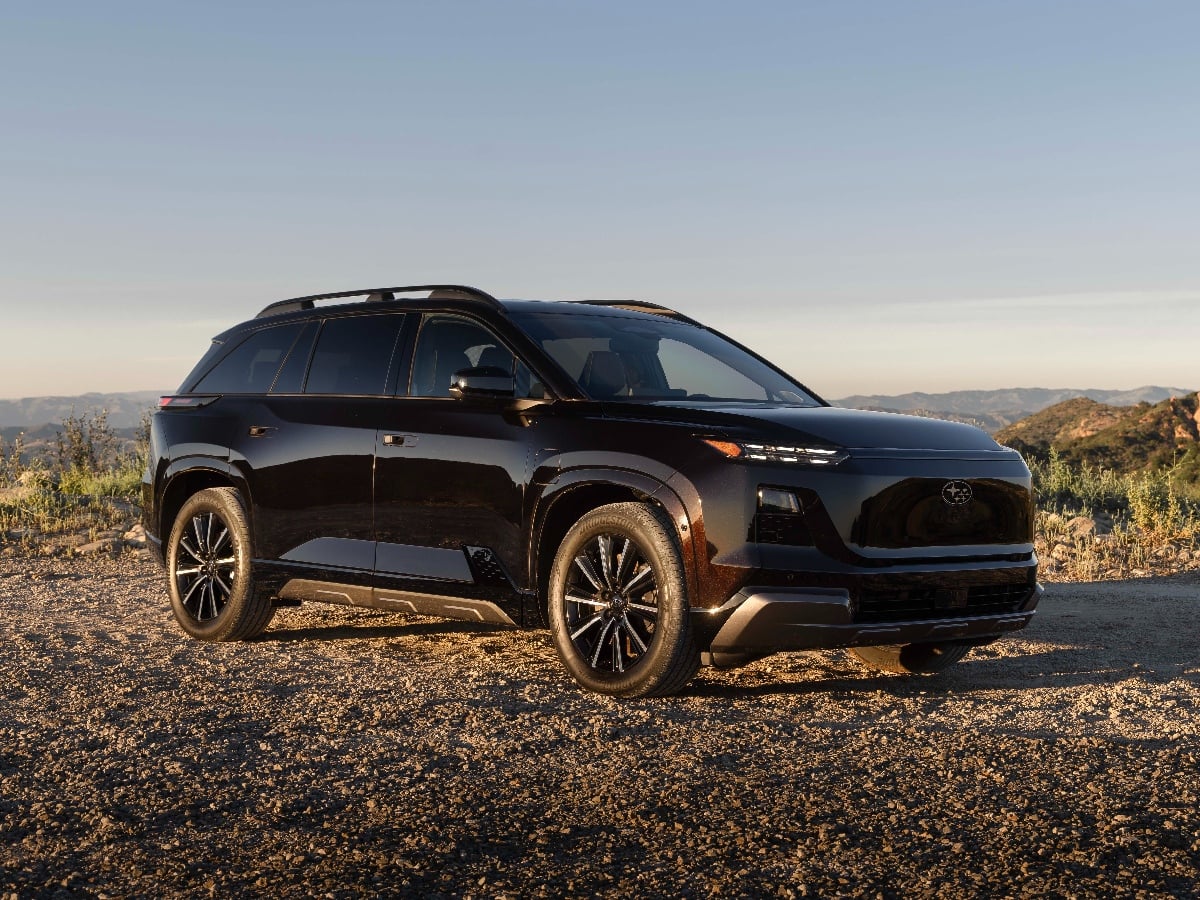
Arriving in late 2026, the new 2027 Subaru Getaway three-row SUV will be the largest of the brand’s now-trio of electric offerings, co-developed with Toyota. It has impressive specs that should make ...See More
Read the Full Article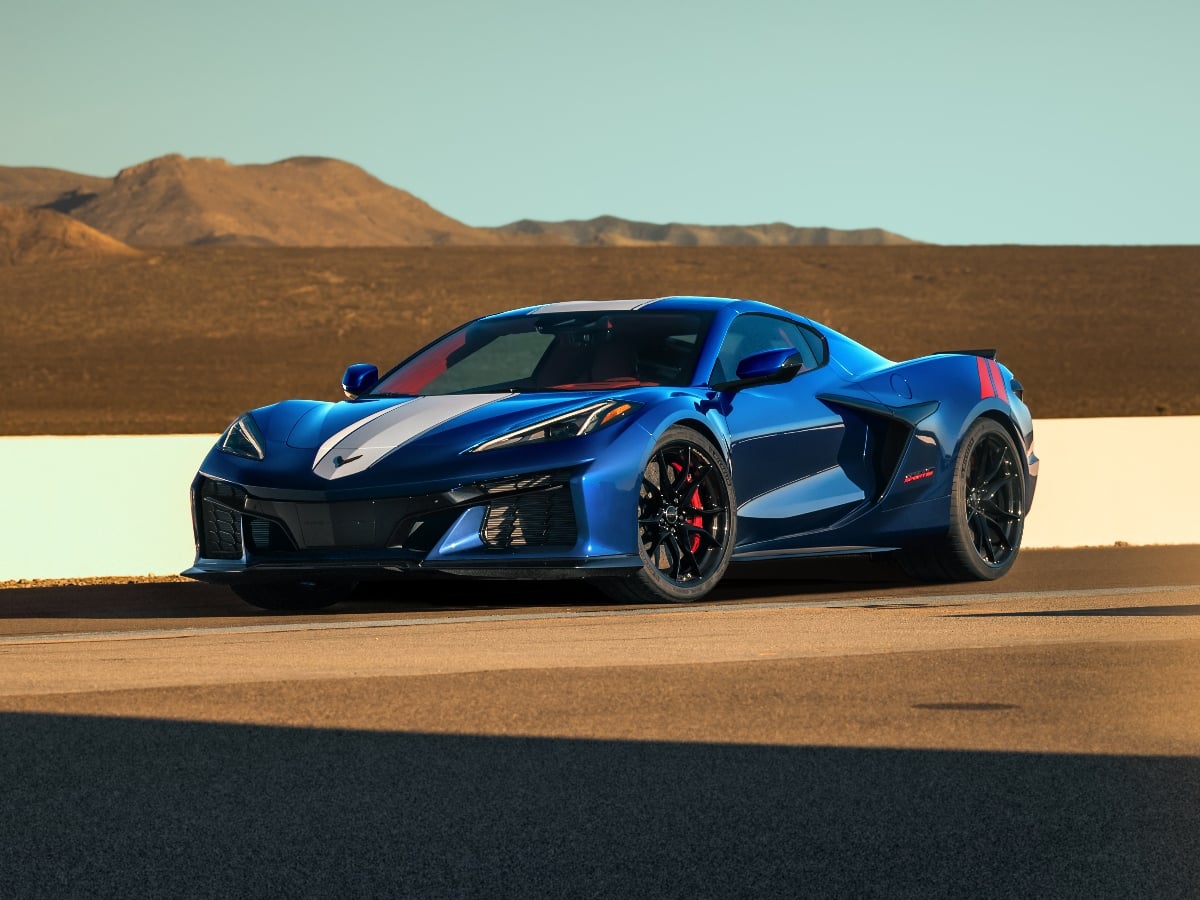
Bringing the ZR1's style to a more attainable model, the 2027 Chevrolet Corvette Grand Sport features all the best C8 go-fast bits, including an all-new 6.7-liter V8 engine.
Read the Full Article
The new 2027 Subaru Forester Wilderness Hybrid brings together two branches of the existing Forester family tree: the fuel-efficient Forester Hybrid model and the off-road-oriented Wilderness trim ...See More
Read the Full Article
The 2027 Ford Bronco Filson falls on the fancier (and handsomer) end of the classic off-roader's lineup, with added comfort and convenience backed by confident power and trail capability.
Read the Full Article