
An exhaust system is essential for managing emissions and optimizing internal combustion engine (ICE) vehicle performance. One of the more significant advancements in this area is the active exhaust system, which stands out as a favorite among high-performance car enthusiasts. This interactive technology boosts a vehicle's performance and allows for a customizable exhaust note, resulting in a tailored driving experience.

An exhaust system is a fundamental component of a vehicle's engine setup. It manages the exhaust gas flow during combustion by channeling these gases away from the engine and the passenger compartment. This process also reduces harmful emissions and minimizes engine noise. The exhaust system ensures an engine operates optimally and meets environmental regulations.
The key components of an exhaust system include the exhaust manifold, catalytic converter, muffler, and tailpipe. The exhaust manifold collects exhaust gases from multiple engine cylinders and combines them into a single stream.
This gas stream then passes through the catalytic converter, which neutralizes harmful pollutants before allowing the gases to exit the system. The muffler then reduces the noise created by the exhaust process. Finally, the tailpipe expels the gases into the atmosphere.
A well-designed exhaust system contributes to vehicle performance, fuel efficiency, and compliance with government emission standards.
An active exhaust system is an interactive approach to the traditional fixed exhaust system. It incorporates electronically controlled valves or baffles that open and close within the exhaust system to make the car louder or quieter.
These components regulate the flow of exhaust gases, allowing for adjustments based on driving conditions or driver preferences. Often, the driver controls the valves via a button or a setting in the cabin.
When the vehicle is in a more aggressive driving mode, the system opens the exhaust valves to reduce backpressure (pressure built up due to resistance from the exhaust system components) and enhance engine performance, resulting in a more robust engine sound and throatier exhaust note. Conversely, in more relaxed driving conditions, the valves close to minimize noise and improve fuel efficiency over performance.
The system uses electronic actuators to precisely control the valves, ensuring that the exhaust system responds accurately to driver inputs and driving conditions. By leveraging this technology, active exhaust systems contribute to modern vehicles' overall sophistication and responsiveness.
A standard exhaust system and an active exhaust system serve similar fundamental purposes but differ in terms of design, functionality, and the driving experience they provide:
Standard Exhaust System:
Active Exhaust System:
Standard Exhaust System:
Active Exhaust System:
Standard Exhaust System:
Active Exhaust System:
An active exhaust system adjusts exhaust flow and sound to enhance vehicle performance and driver comfort. By using electronically controlled valves to manage exhaust flow dynamically, the system offers a customizable driving experience that balances engine performance, engine sound, and efficiency.
To learn more about various automotive technologies, visit the Shopping Guides section of the website.
Jessica Shea Choksey is an experienced writer in the automotive field. In addition to JDPower.com, she was a correspondent for PBS's MotorWeek, and her work has appeared on Autotrader.


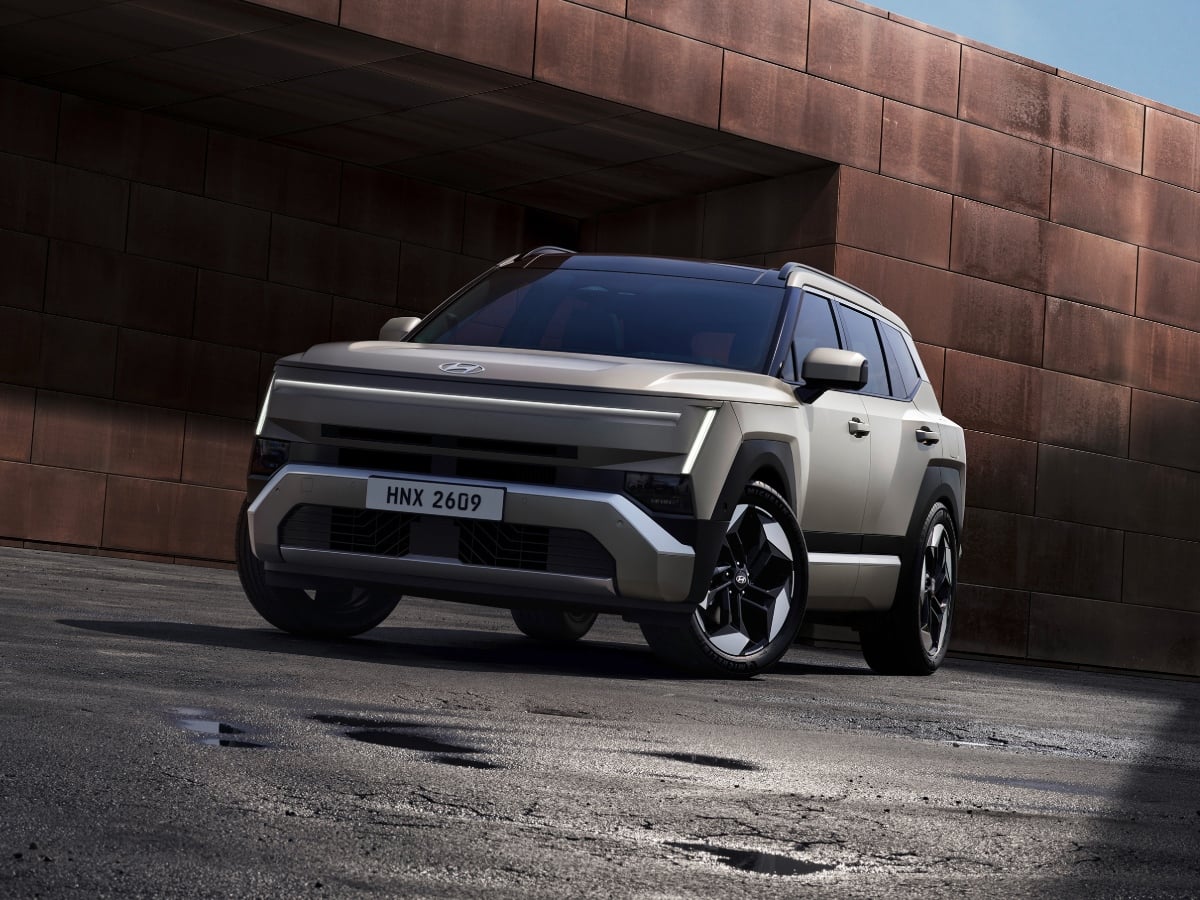
With a purposeful new design and some trail-ready upgrades, the 2027 Hyundai Tucson is pushing the brand's best-selling crossover SUV into more aggressive territory.
Read the Full Article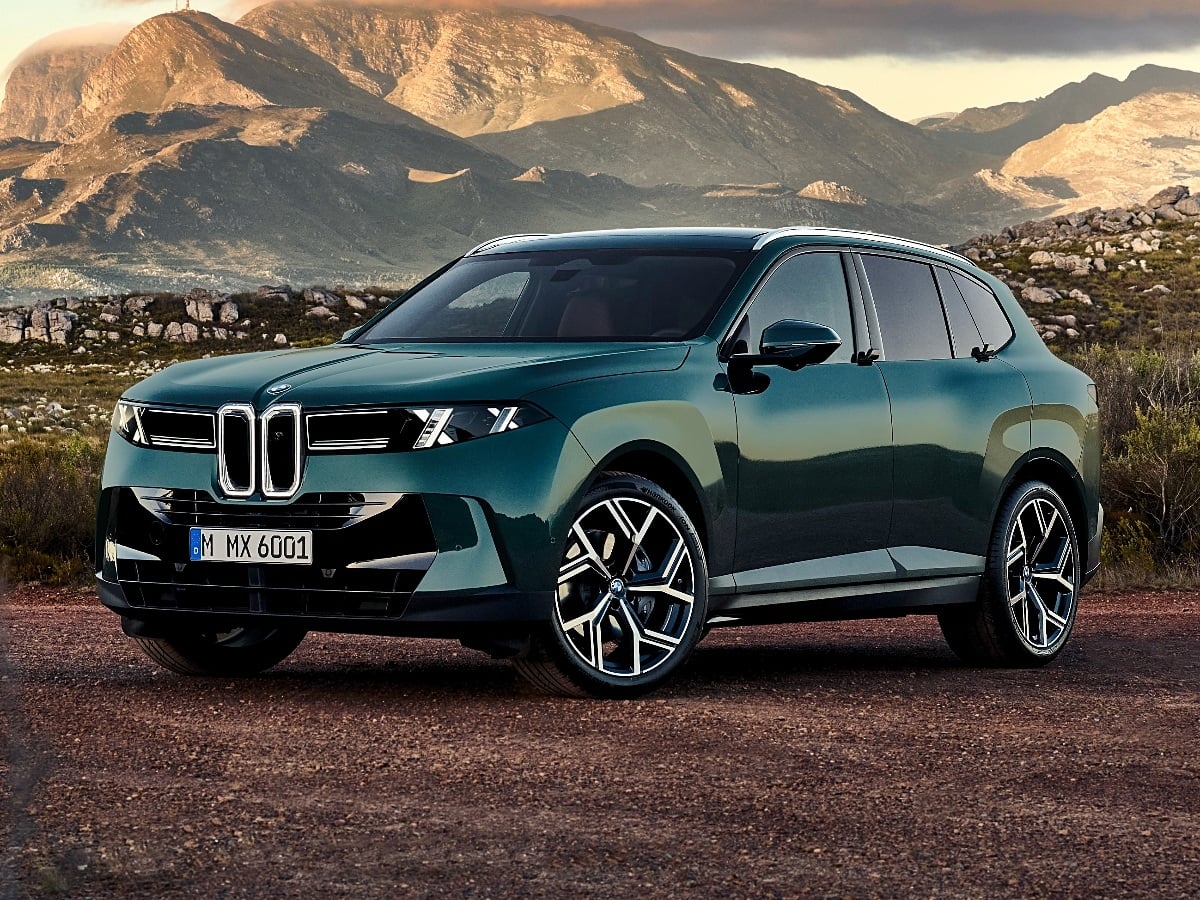
For more than 25 years, the BMW X5 has helped to define the luxury SUV segment. Now, the redesigned fifth-generation 2027 BMW X5 arrives with the automaker’s Neue Klasse styling, a roomier interior, ...See More
Read the Full Article
One of Lexus's most popular models, the NX crossover SUV is also one of the most affordable in the company’s lineup. The 2027 Lexus NX transitions to hybrid-only powertrains, and gets revised ...See More
Read the Full Article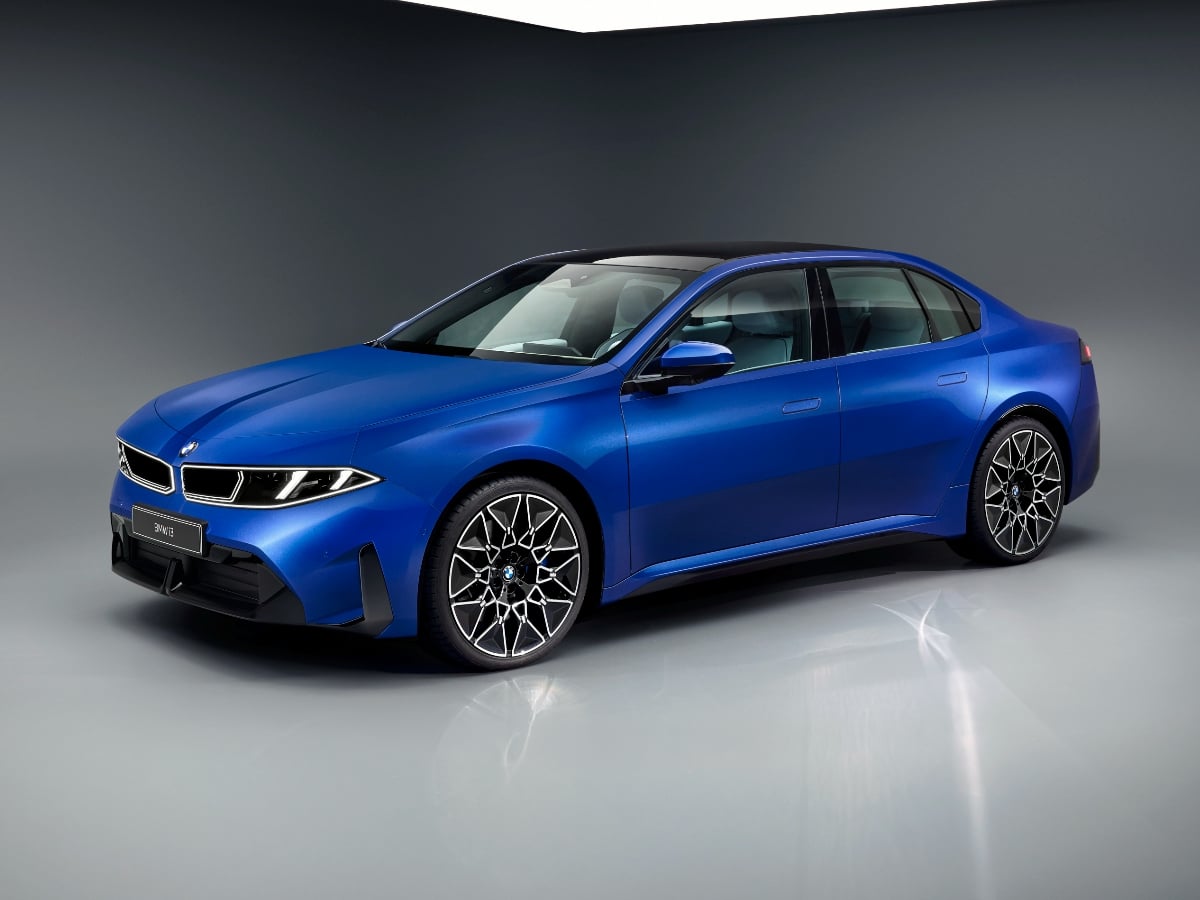
The new 2027 BMW i3 boasts an estimated range of up to 440 miles, 400-kilowatt DC fast charging capability, bidirectional charging to a home or the grid, and next-generation technology.
Read the Full Article