
Most advanced driving assistance systems (ADAS) are designed to avoid or prevent accidents. But in some cases, a crash is unavoidable. For those situations, many automakers offer post-collision braking, a system designed to mitigate secondary collisions after an initial impact has occurred, thereby minimizing the overall injury and damage in an accident.

When a vehicle is in a collision, the crash event does not always end at impact. The physical laws around momentum dictate that a car can continue its forward motion in unpredictable ways after hitting something. The residual kinetic energy of an impact can potentially cause a vehicle to continue to travel in any direction, resulting in one or more secondary collisions with other cars, pedestrians, or objects such as trees, light poles, and structures. These secondary collisions cause further damage and injury beyond the initial crash. An extreme example of this scenario is a chain reaction crash involving many vehicles across multiple lanes on a highway.
More commonly, a secondary crash happens on two-lane roads when a vehicle hits a guardrail and then bounces into the opposite lane where other vehicles may be traveling. Intersection accidents also have a higher risk of secondary crashes due to the proximity to other cars. Another everyday example of a secondary crash is the case of a rear collision in which the impact from behind pushes a car forward directly into the vehicle ahead.
In all of these cases, post-collision braking can work to stop the forward movement of a vehicle as soon as possible after an impact, preventing subsequent collisions.
Even though the speed in a secondary collision may not be as high as that of an initial impact, a secondary collision can have severe consequences since many of the vehicle’s protection systems have already deployed in the primary crash. Airbags, pre-tensioners, and other safety systems are no longer active and available to protect passengers as they may have during the initial impact.
The vehicle’s structure may also be compromised from the initial collision and, therefore, less effective in absorbing the crash energy of secondary impacts. This can leave the occupant compartment highly vulnerable to secondary collision forces.
Post-collision braking not only reduces the likelihood of such secondary impacts but also makes those that happen less severe.
Unlike pre-collision warning systems, which use radar and cameras to monitor the road ahead to detect frontal collisions before they happen, post-collision braking goes into effect in the milliseconds following an initial impact.
Airbag deployment or fuel cutoff are the signals that the post-collision braking system should engage. When either of these things occurs, the system knows the vehicle has been in a collision and immediately initiates braking to provide a moderate level of deceleration to prevent the car from rolling forward and hitting another object.
However, the driver retains control of the accelerator and brake, allowing them to override the system at any time. In addition to slowing the vehicle down, the post-collision braking system will activate the flashing hazard lights to alert approaching drivers of an incident.
Post-collision braking systems operate under certain rules and prerequisites:
Post-collision braking is usually not applicable in low-speed accidents on side streets or parking lots. In those “fender bender” situations, the vehicle generally comes to a halt at impact.
Post-collision braking will not operate optimally in certain accident situations. If the braking system suffers damage in the initial impact, post-collision braking may lose the ability to slow the vehicle down to prevent a secondary crash. Also, on very low friction surfaces, such as wet or icy roadways, full braking may not be possible, preventing post-collision braking from delivering its full benefit.
Following a collision, a driver cannot always react fast enough to apply the brakes and bring their vehicle to a stop. This can lead to one or more secondary crashes. To address this hazard, many automakers offer post-collision braking, an ADAS system that aims to reduce the overall severity of an accident by preventing or lessening the effects of secondary crashes after an initial impact.


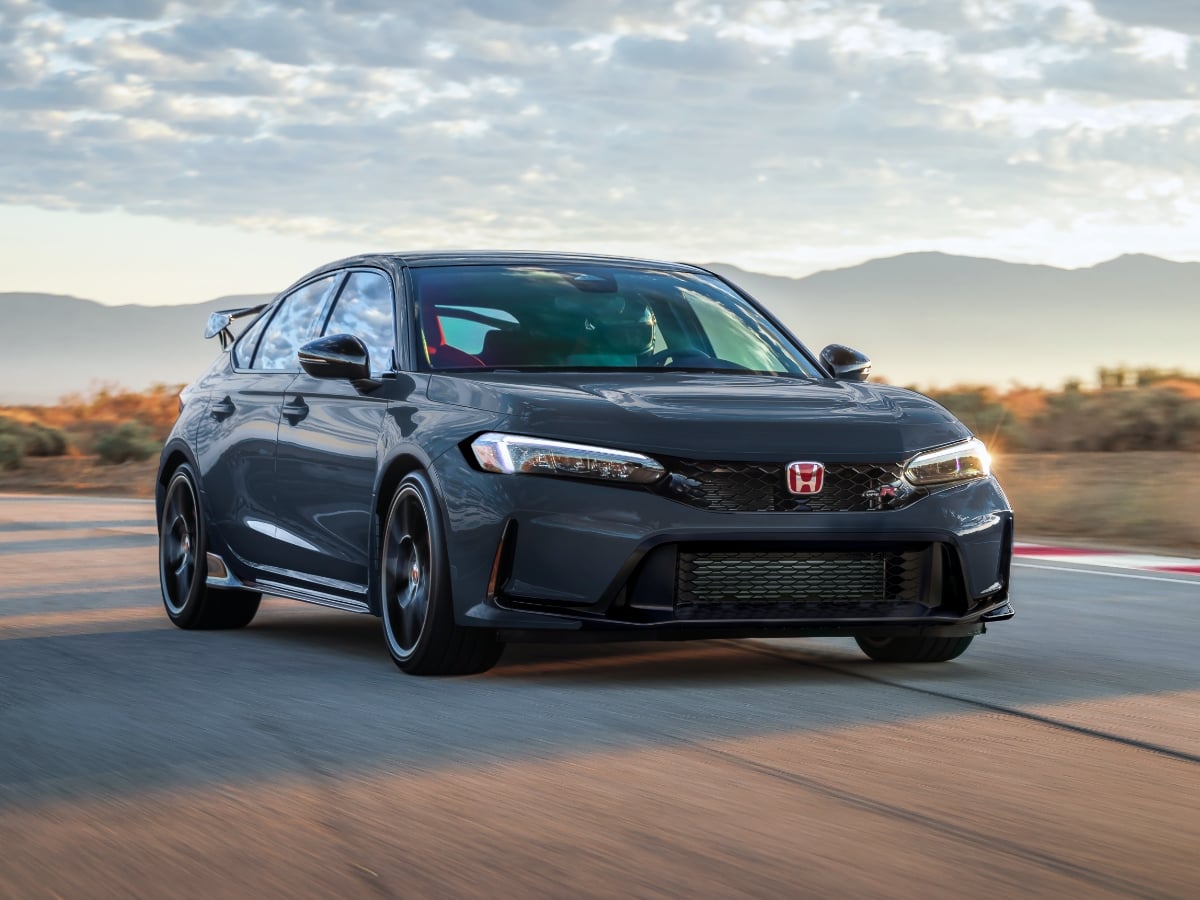
The 2027 Civic Type R goes on sale in October 2026, and it starts at $49,990, including the $1,295 destination charge.
Read the Full Article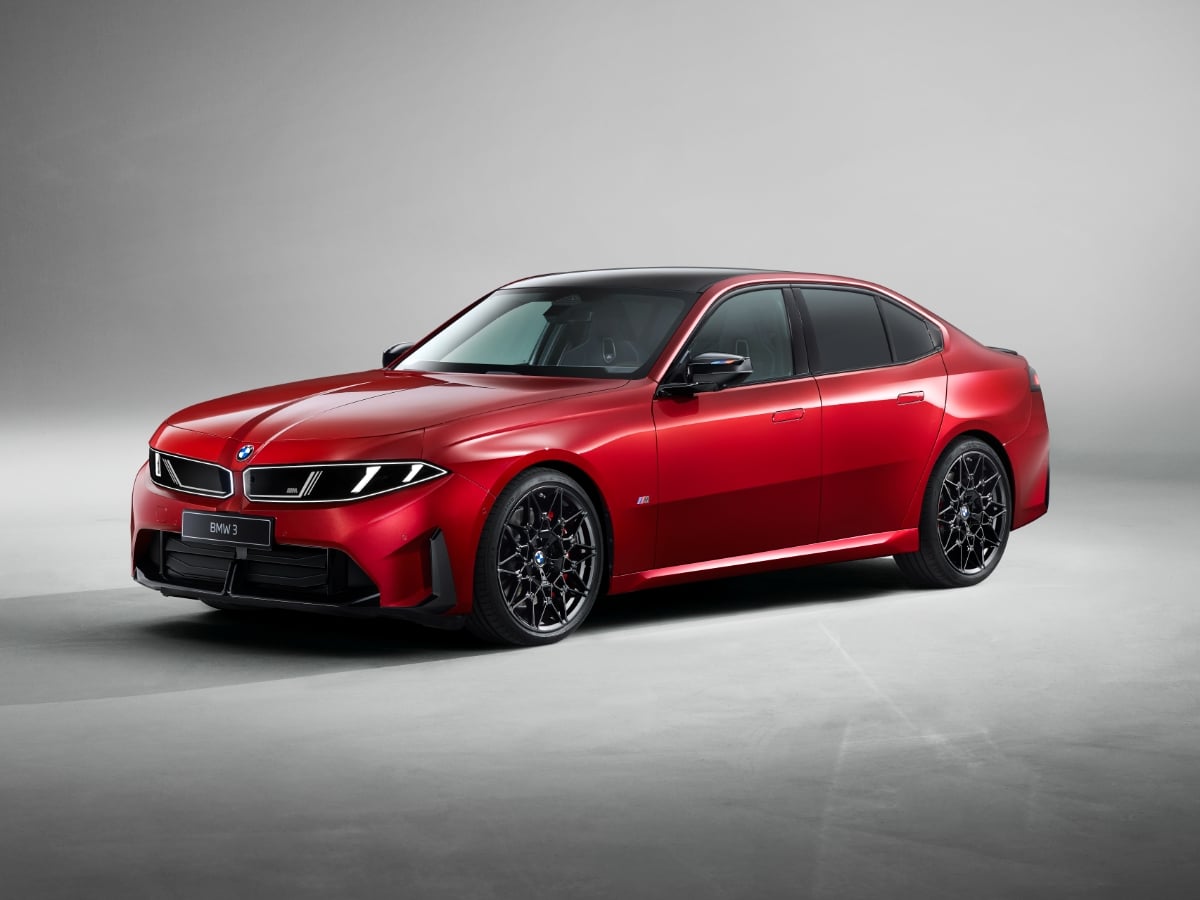
Part of BMW’s Neue Klasse (new class) rollout of redesigned models, the 2027 BMW 3 Series is all-new and goes on sale in the first quarter of 2027.
Read the Full Article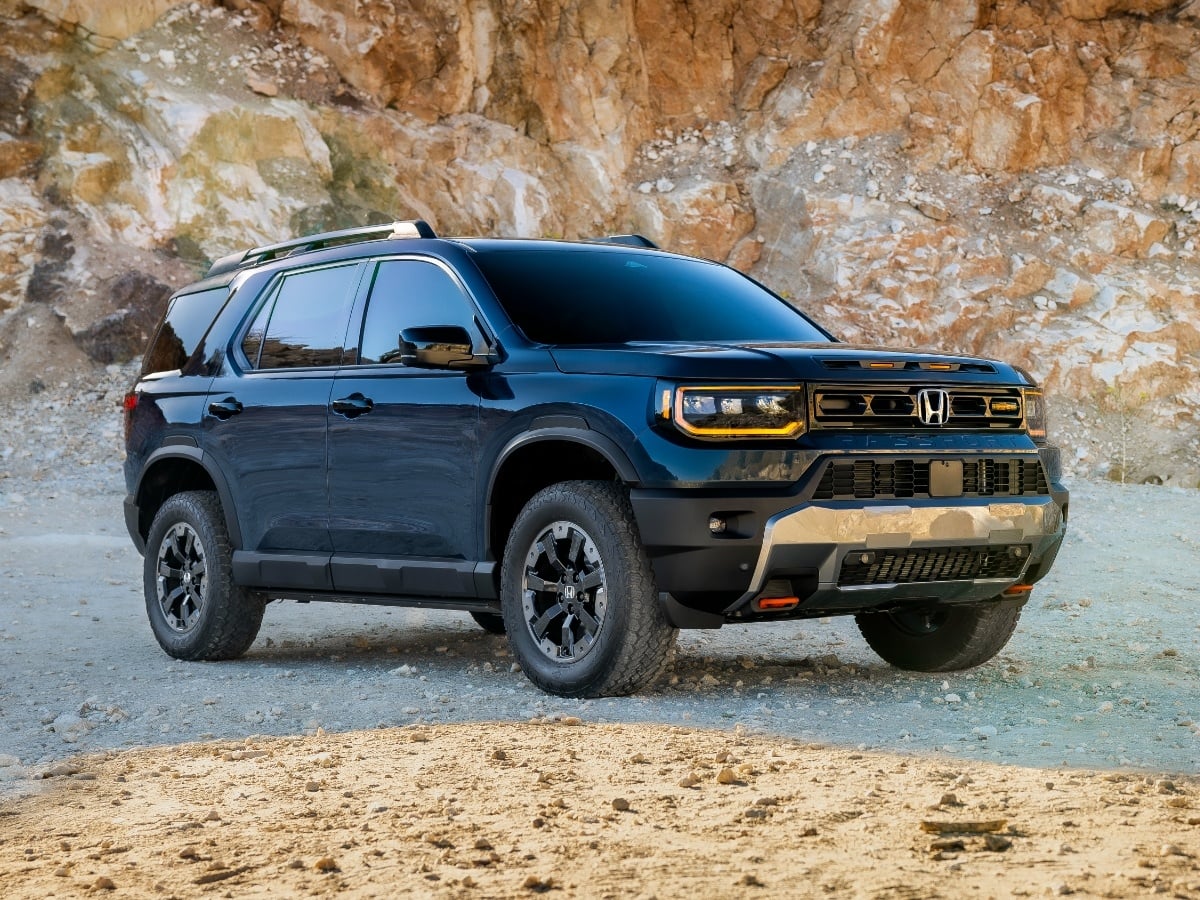
Updates to the 2027 Honda Passport TrailSport include a reworked suspension, improved steering, subtle styling enhancements, and added standard equipment.
Read the Full Article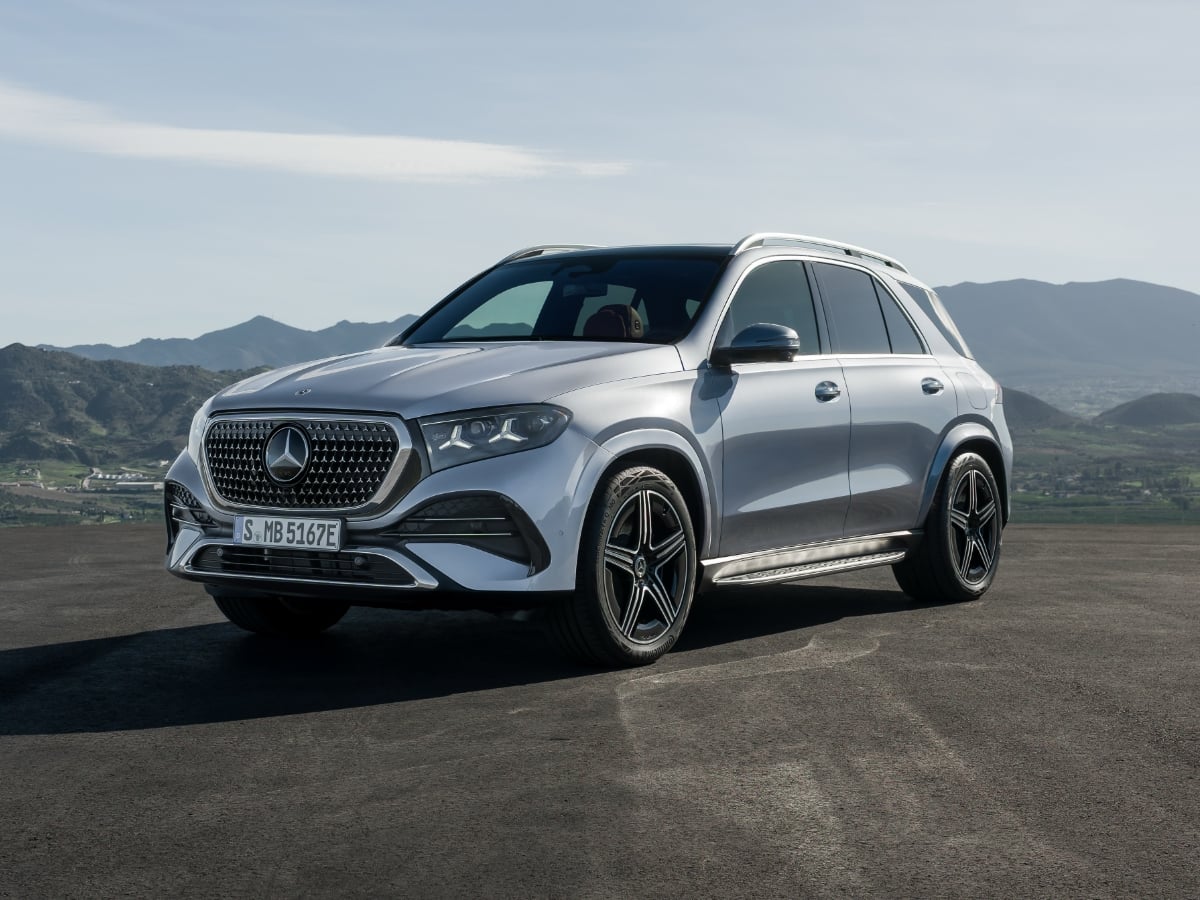
The midsize 2027 Mercedes GLE remains available in original and spicy Coupe recipes, now with standard 4Matic all-wheel drive (AWD), MBUX Superscreen technology, and a panoramic glass sunroof for ...See More
Read the Full Article